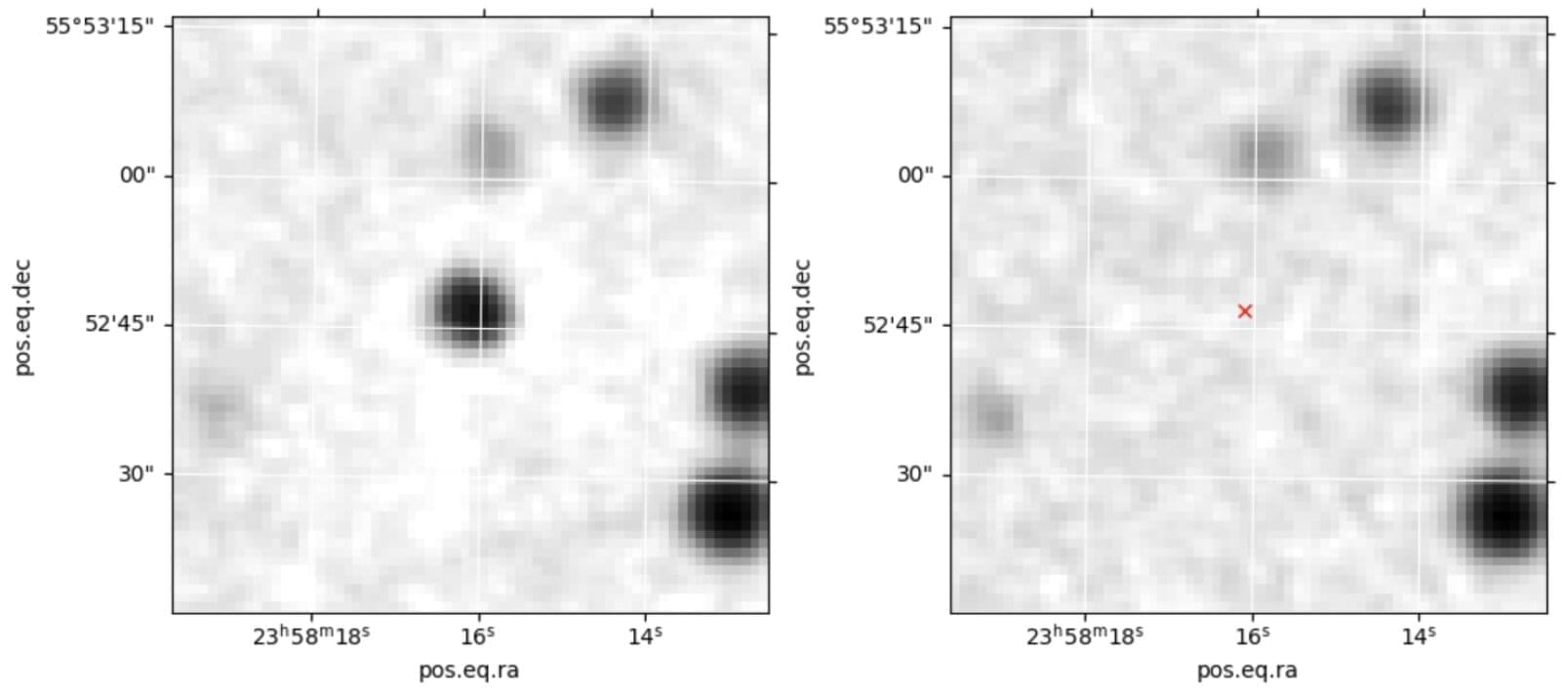
Historical observations from an observatory in Germany have now independently verified evidence for brief, mysterious flashes of light in the night sky, first picked up by an American astronomical survey in the 1950s. Through fresh analysis of a German survey from the same period, independent researcher Ivo Busko, a now-retired developer at NASA, has uncovered striking new support for these puzzling signals. The results have been published as a preprint on arXiv.
In 2019, an international team of astronomers launched the VASCO Project, aiming to identify unusual phenomena hidden within vast archives of historical data. In particular, their work focused on astronomical transients: objects that suddenly appear in the sky in some images, but vanish in subsequent observations.
An especially exciting result emerged in 2025, when researchers analyzed photographic plates captured as part of the Palomar Observatory Sky Survey. Carried out in California throughout the 1950s, this ambitious program produced nearly 2,000 images of the night sky using long-exposure plates. Within these images, the team found clear evidence of transients with strange appearance and behavior, captured at a time that predates the launch of any human-made satellites.