In recent decades, the zebrafish has become one of the most valuable model organisms in scientific research. For a variety of reasons, including their genetic similarities to humans, these tiny tropical fish have helped researchers unlock secrets to diseases ranging from muscular dystrophy to melanoma. Now, Yale researchers are hoping the zebrafish will do the same for autism spectrum disorder.
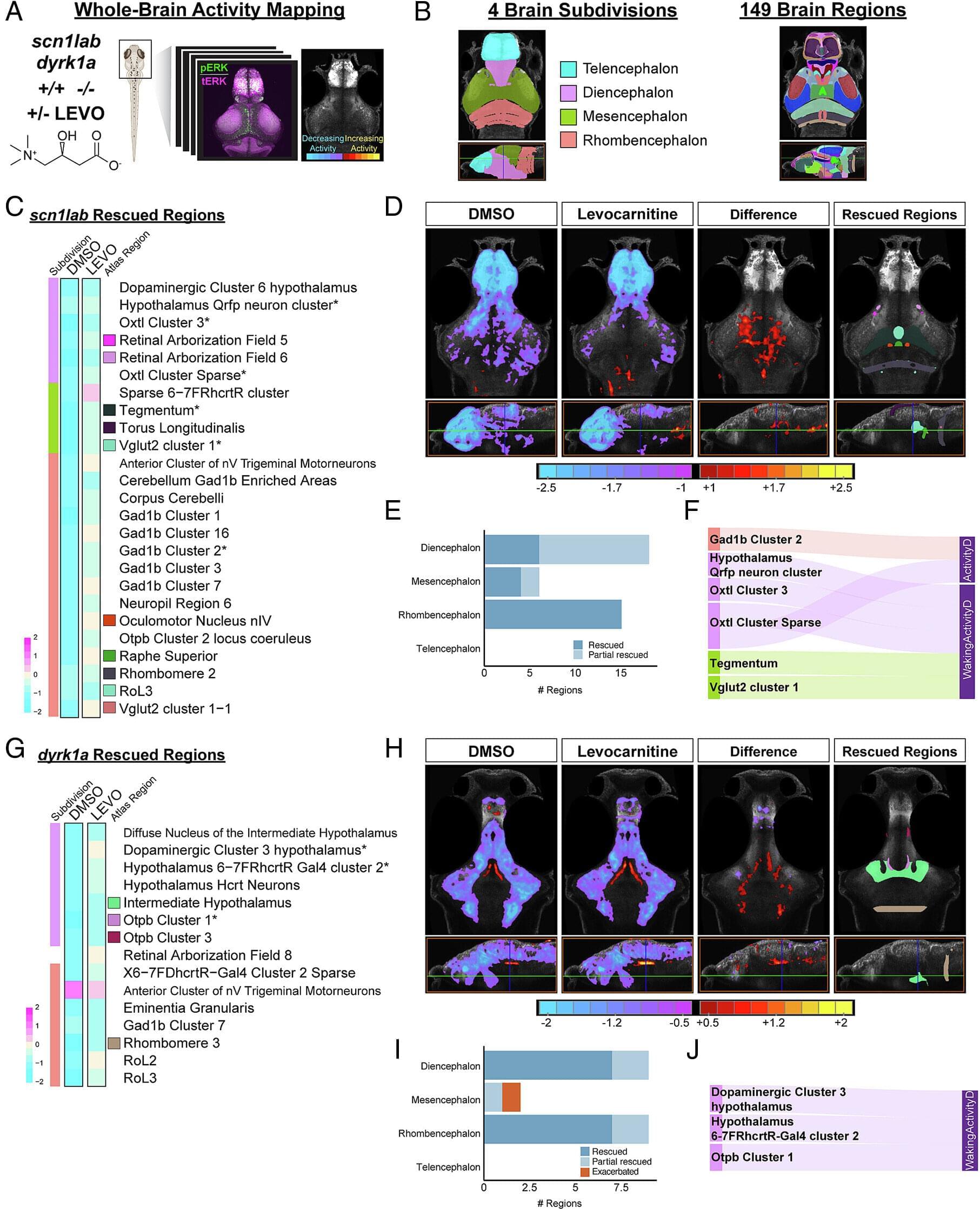
In a new study, a research team generated a database of 520 U.S. Food and Drug Administration (FDA)-approved drugs and their effects on basic larval zebrafish behaviors and then used the database to identify drug candidates that reverse disrupted behaviors in zebrafish carrying mutations in autism risk genes.
These drug candidates, the researchers say, might represent targets for people carrying mutations in specific autism risk genes.