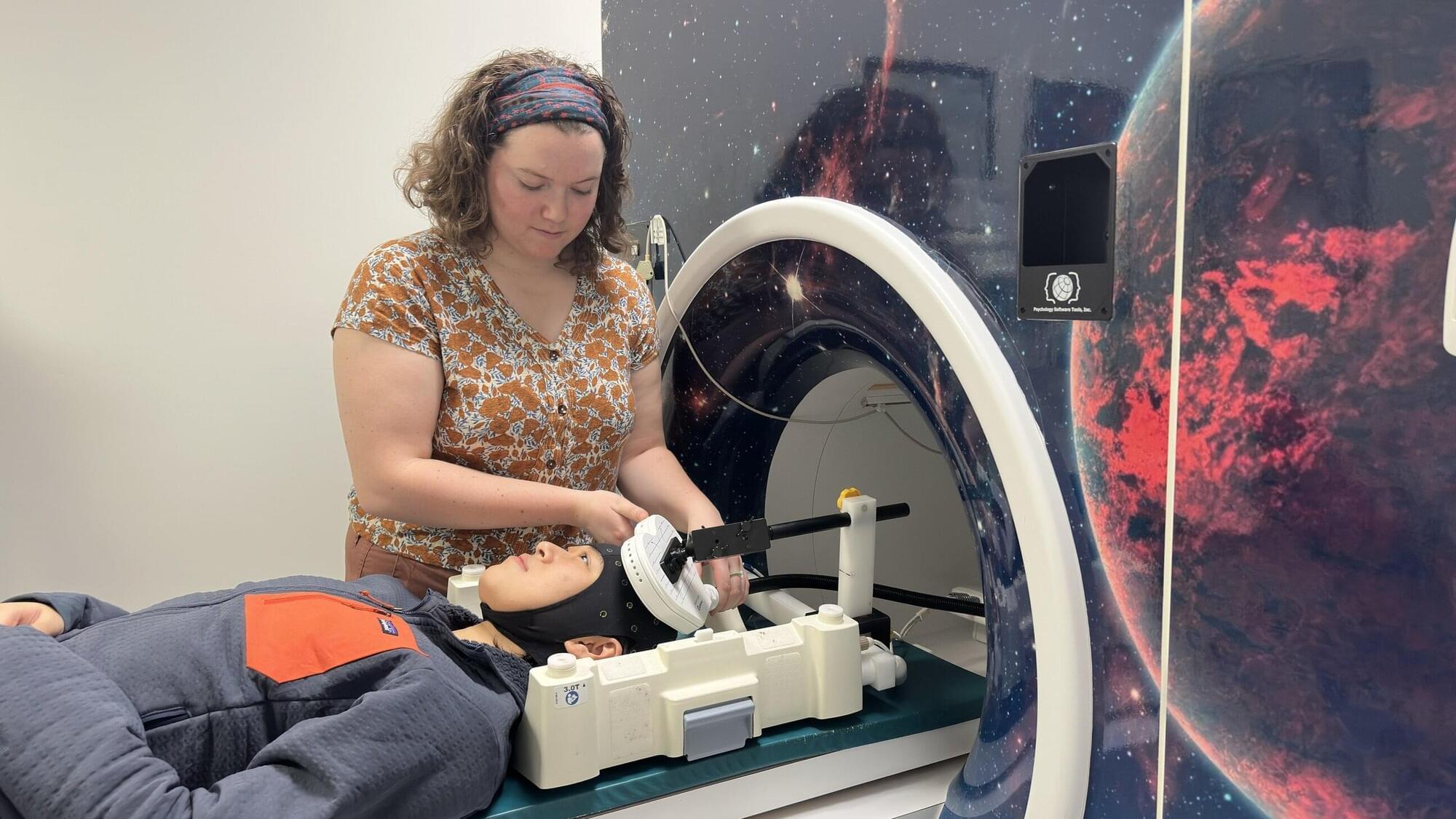
Neuroscientists at University of Iowa Health Care have demonstrated for the first time that noninvasive brain stimulation can alter the activity of a critical deep brain region involved in emotion and memory. Moreover, the study shows that personalizing the stimulation site using a patient’s unique brain connectivity pathway can increase the neuromodulation effect.
The study, published recently in Nature Communications, used innovative, concurrent brain stimulation and recording techniques in people to provide direct human evidence that noninvasive transcranial magnetic stimulation (TMS) can reliably engage and modulate activity in the hippocampus.
The hippocampus is a deep brain region that plays a critical role in multiple brain functions, such as memory and emotion. Problems with hippocampal function have been implicated in several neurological and neuropsychiatric conditions, including Alzheimer’s disease, depression, anxiety, and post-traumatic stress disorder (PTSD).