Whenever humans arrive on Mars, they’re going to find it a difficult place to exist. Mars is cold, with an average surface temperature of −55°C; temperatures can plunge to −125°C with dust storms lasting months; its atmosphere is very thin and almost all carbon dioxide; and all the water is frozen and mixed with ice made of CO2. Oh, and solar radiation will be hazardous on Mars’ surface since the planet has no ozone layer to block ultraviolet radiation, especially so during solar flares. Disneyland it is not.
New Martians will need to live underground until, someday, maybe, Mars can be terraformed to, if not quite looking like Earth, at least a planet more hospitable to fragile human creatures.
There are arguments for and against terraforming Mars. If humans do terraform, one of the first suggestions is to increase Mars’ greenhouse effect by melting the CO2-ice caps.
For some evangelical Christians, attributing mental illness to demonic forces can offer a sense of meaning, while for others, it creates harmful barriers to medical care. A recent qualitative study published in Spirituality in Clinical Practice outlines how these widespread spiritual explanations act as a double-edged sword for individuals experiencing psychological distress. The research indicates that integrating religious beliefs with standard psychiatric care may be a safer path forward for many faith communities.
Religion frequently shapes how people interpret their physical and mental health. Psychologists recognize that religious frameworks offer a primary system for individuals to make sense of the world around them. By relying on theological teachings, people construct meaning around their personal suffering. This process of religious meaning construction can influence health outcomes in both positive and negative directions.
Within evangelical Christianity, foundational teachings often emphasize the active existence of spiritual forces. This includes the belief that angels, demons, and other supernatural entities directly influence the physical world. This worldview can lead to the belief that spiritual forces cause human ailments, including severe psychological distress.
Imagine looking at a loved one and seeing their face twist into a demonic, unnatural shape. Their eyes might stretch to the sides of their head, their nose might swell, and deep, unnatural grooves might appear across their cheeks and forehead. This terrifying visual experience belongs to a rare neurological condition known medically as
In popular media and online discussions, it is sometimes referred to as “demon face syndrome.” People with this condition see human faces as severely distorted, even though their vision for everyday objects remains completely normal.
Prosopometamorphopsia is fundamentally different from a hallucination. A hallucination involves seeing something that is not actually present in the physical world. People experiencing these facial distortions are looking at a real person standing in front of them. Their brain simply alters the shape, size, color, or position of the facial features before the image reaches their conscious awareness.
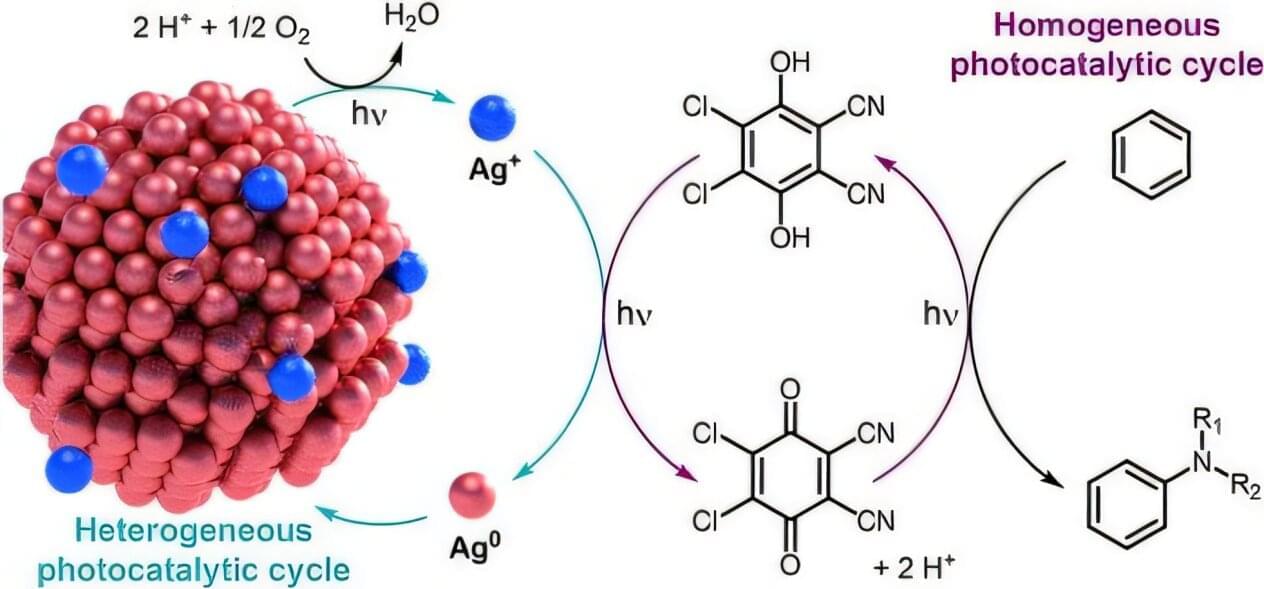
In chemical processes for producing pharmaceuticals, catalysts are a core technology that determines production speed and cost. However, until now, there has been a trade-off between “precise but disposable catalysts” and “reusable catalysts.” A KAIST research team has developed an eco-friendly catalytic technology that combines these two types, operating solely with light and air. This opens a pathway to producing pharmaceutical ingredients more cheaply and cleanly, with expected reductions in carbon emissions and environmental pollution. The study is published in the Journal of the American Chemical Society.
A research team led by Professor Sang Woo Han of the Department of Chemistry has succeeded in combining two different types of catalysts into one system. One is a silver (Ag)-based catalyst that operates in a solid state, and the other is an organic photocatalyst, DDQ (a substance that triggers chemical reactions upon absorbing light), which operates in solution.
By enabling these two catalysts to function together, the team made it possible to carry out previously difficult reactions more efficiently.
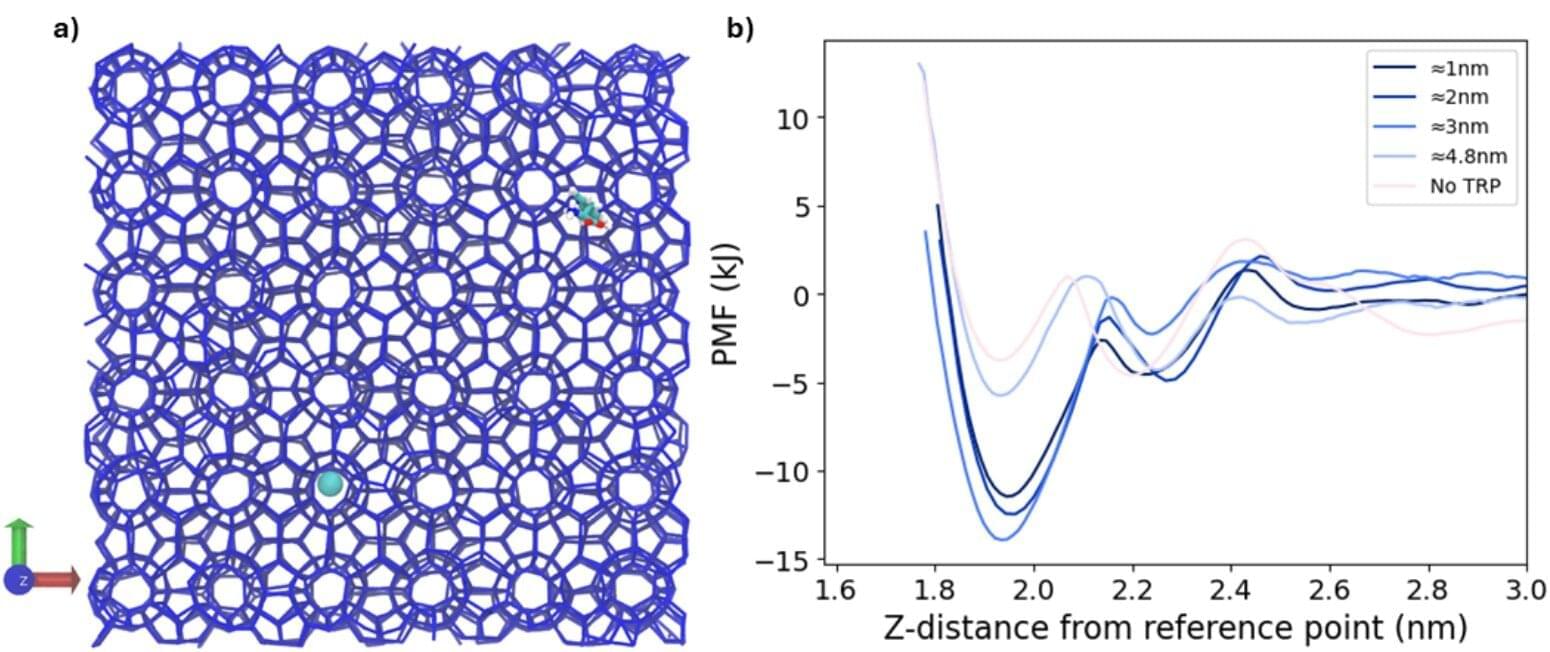
Clathrate hydrates are crystalline structures formed at the bottom of seafloors, created by water molecules trapping methane, carbon dioxide or other molecules. While these materials are underutilized in technology, a University of Oklahoma researcher is helping scientists better understand them through a trailblazing study.
Alberto Striolo, a professor in OU’s Gallogly College of Engineering, co-authored an article published in the Proceedings of the National Academy of Sciences that addresses a key challenge toward utilizing hydrates: their slow growth rates. He and his fellow researchers have discovered an unusual interfacial layer on the hydrate that impacts its growth rate.
Striolo is the college’s Asahi Glass Chair in Chemical Engineering and Lloyd and Jane Austin Presidential Professor. He is also the director of the college’s Online Master of Science in Sustainability and the Materials Science and Engineering doctoral program.
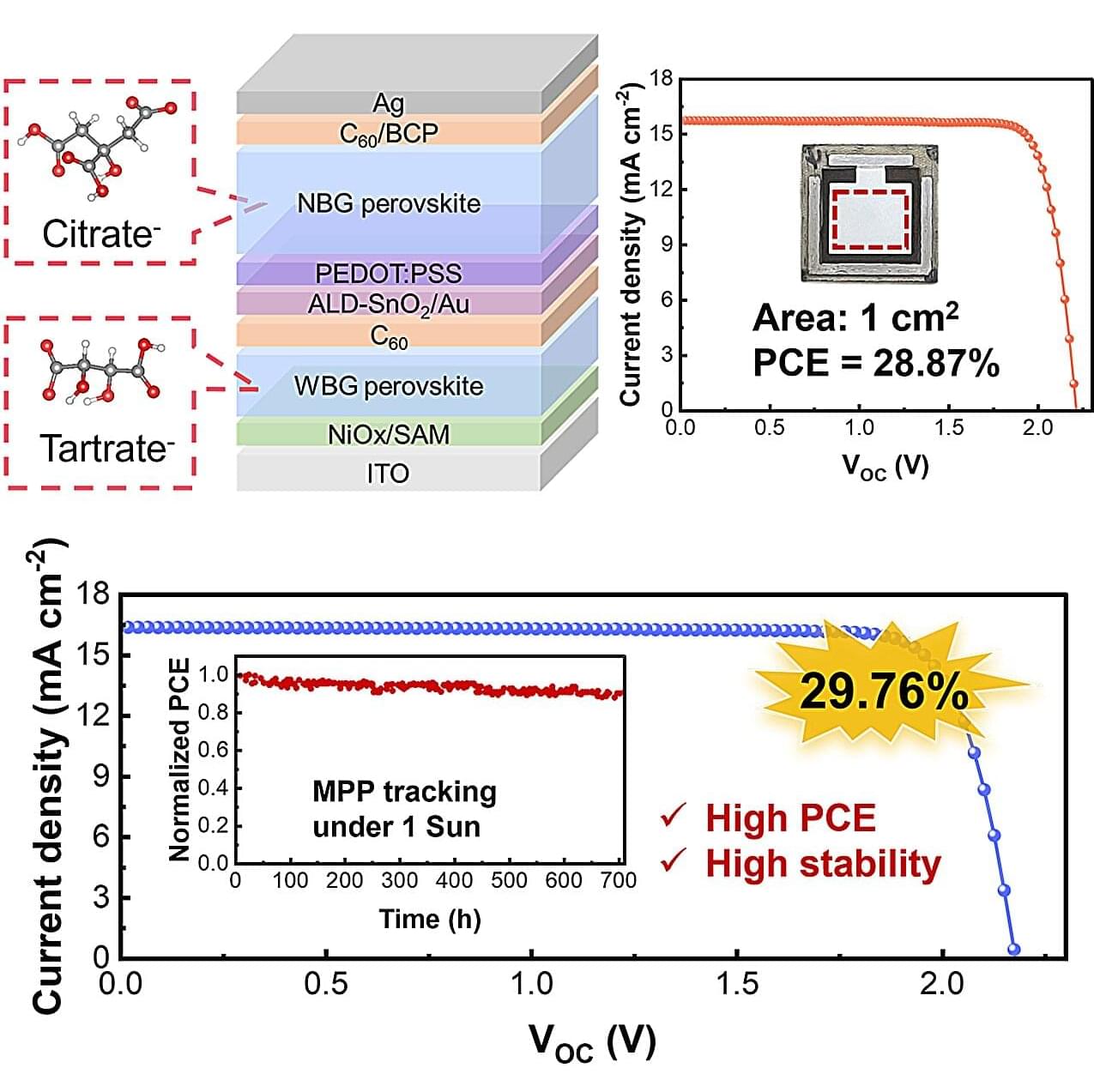
Two stacked layers comprise tandem solar cells (TSCs), with each subcell absorbing different wavelengths of sunlight, which makes TSCs more efficient than single-layer solar cells. All-perovskite TSCs hold great promise for next-generation photovoltaics, with a theoretical efficiency exceeding 40%. However, their practical performance is hampered by mismatched crystallization kinetics between their wide-bandgap (WBG) and narrow-bandgap (NBG) subcells, leading to phase segregation and defect accumulation.
To address this challenge, a research group led by Prof. Ge Ziyi and Prof. Liu Chang from the Ningbo Institute of Materials Technology and Engineering of the Chinese Academy of Sciences has developed an innovative colloidal chemistry strategy to enhance the performance of these TSCs, achieving a power conversion efficiency (PCE) of 29.76%. Their study is published in Joule.
The researchers designed a unified carboxylate-based modulator system using two graded carboxylate anions—tartrate (Ta-) and citrate (Cit-)—to precisely regulate the nucleation dynamics of the two subcells.
Just as de Hory reused old canvases and pigments to make his paintings appear more authentic, attackers employ similar methods in the digital realm, leveraging trusted tools and credentials to make their malicious activity blend in. And while mimicry-based techniques have long been a staple of the attacker’s playbook, over the past couple of years, they have gotten more sophisticated. Living-off-the-Land (LotL) attacks and AI-augmented attack tooling have raised the bar for fakery. CrowdStrike’s 2026 Global Threat Report states that 81% of attacks are now malware-free, relying instead on legitimate tools and techniques, which is the hallmark of LotL tactics. Spotting these fakes quickly isn’t just an option: it’s one of the best chances to disrupt an attack before it causes real harm.
Autonomous or semi-autonomous, these generate fake identities, code, and mimic behaviors at scale.
De Hory had a complex support network to sell his paintings, involving art dealers and other representatives across many countries and cities. When some potential buyers became suspicious, he started selling his works under a variety of pseudonyms. This is similar to what is now happening with the use of inexpensive AI agents. These aren’t just used to forge believable identities to conduct fraud, but are now used to produce exploit code to exfiltrate secrets and scripts to infect endpoints, forming the basis of a larger-scale attack. Sophisticated, self-learning agents observe network behavior and continuously tune their own traffic, mirroring their patterns to fool anomaly detections. They shift C2 traffic into bursts that coincide with legitimate spikes and manipulate their signals just enough to avoid standing out. And legitimate agents are being used as orchestrators of other exploit tools to automate and scale up attacks.
A new “energy-multiplying” solar breakthrough could push efficiency beyond 100% and transform how we capture sunlight.
Solar energy is widely seen as a key tool in reducing reliance on fossil fuels and slowing climate change. The Sun delivers a vast amount of energy to Earth every second, but today’s solar cells can only capture a small portion of it. This limitation comes from a so-called “physical ceiling” that has long been considered unavoidable.
Breakthrough spin-flip technology boosts solar efficiency.
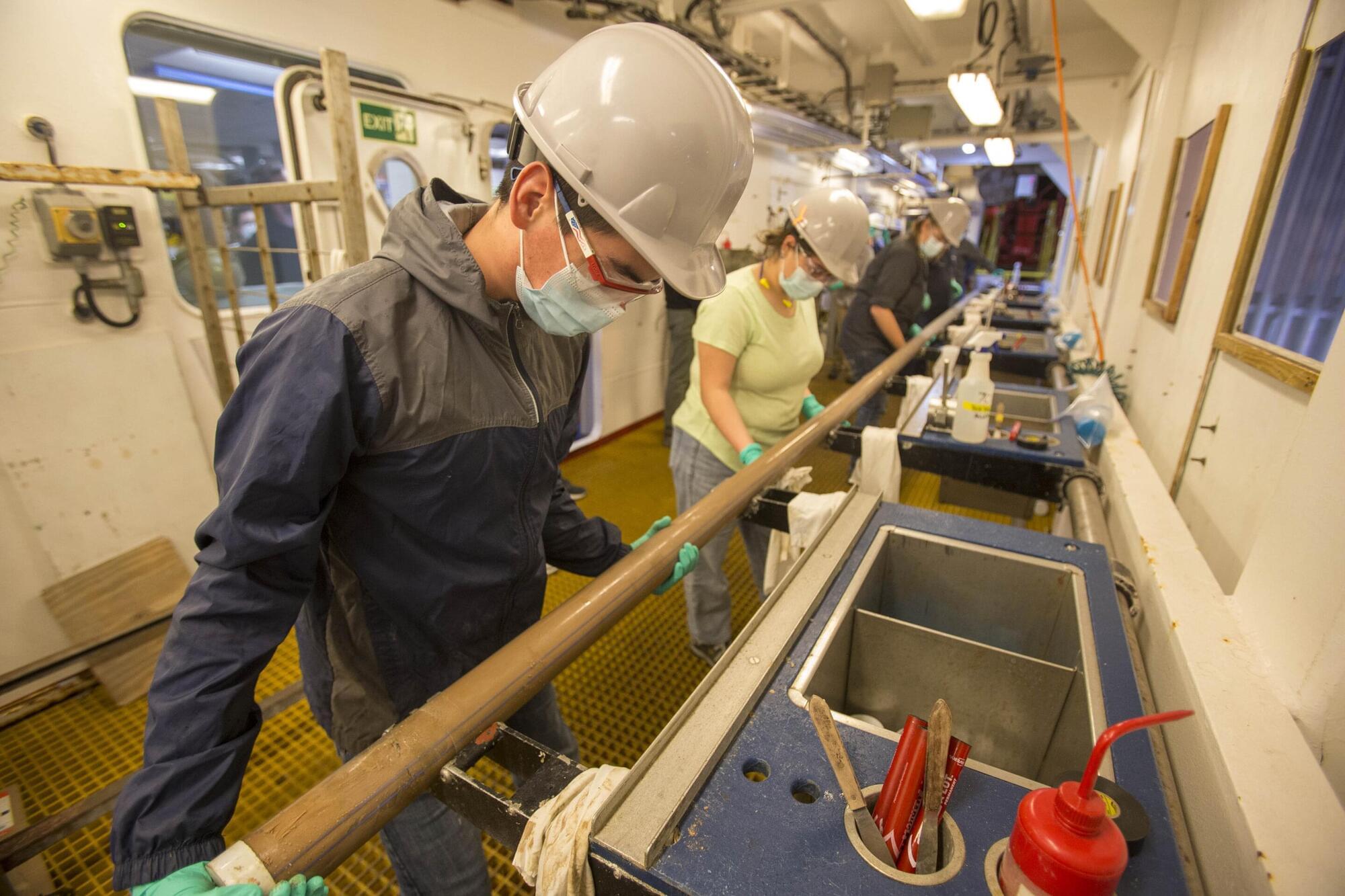
Cycles in the growth and decay of Antarctica’s ice sheets once shaped marine biological productivity thousands of miles away in the subtropical ocean, according to new research led by scientists at the University of Wisconsin-Madison. The study, published in the Proceedings of the National Academy of Sciences, found that the obliquity cycle—a 40,000-year astronomical cycle tied to changes in Earth’s axial tilt—influenced ocean productivity in subtropical latitudes about 34 million years ago, when the Antarctic ice sheet was first expanding.
The finding surprised researchers because the 40,000-year cycle, while an important factor in the conditions at Earth’s poles, typically has a more limited influence on climate and ocean conditions near the equator.
“We generally expect other astronomical cycles to have a greater influence,” says Stephen Meyers, a professor of geoscience at UW-Madison and one of the study’s lead authors.