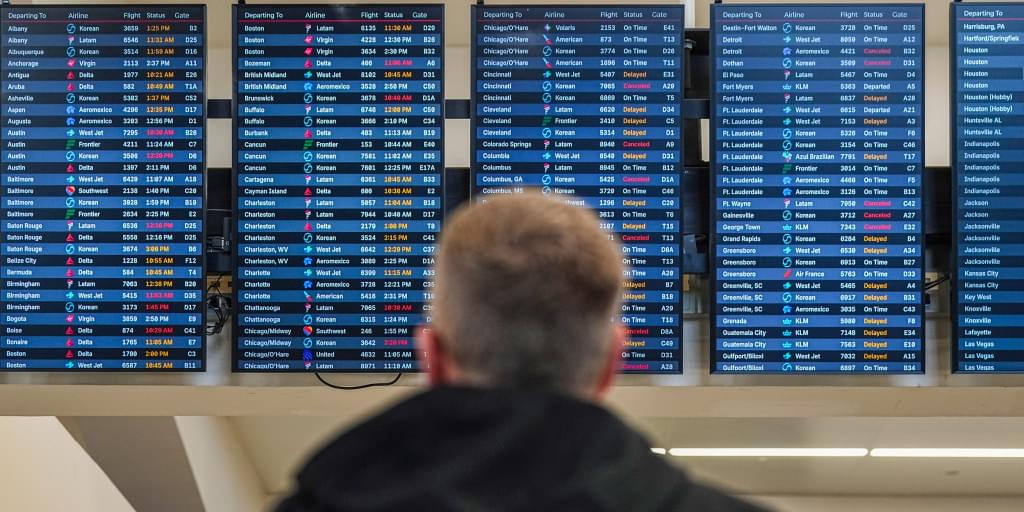
“We’re seeing the duct tape starting to fray,” one official said. “This is like layer on layer on layer on layer of duct tape.”
Get the latest international news and world events from around the world.
Futurist Karl Schroeder on Foresight and Strangemaking COVID19
2020. Every pundit on TV was forecasting the “new normal.”
Karl Schroeder wasn’t convinced there would be one.
Karl lives a double life. He is a #ScienceFiction novelist with ten books translated into a dozen languages, and a professional #futurist with a master’s in Strategic Foresight and Innovation. The Canadian army commissioned two of his short novels as research tools. Few people practice both the art and the science of the future. Karl does.
So in the middle of the #COVID19 lockdowns, I invited him back for our third conversation, with one question on my mind: what is #foresight actually good for when the world breaks?
His opening move would make most forecasters uncomfortable. Prediction is impossible.
From there, we get into Isaac Asimov’s dream of equations for history, the “default future” we all carry around without noticing, how foresight played out in Alberta’s oil industry, wild cards, and why story sits at the center of it all.
Humanoid Robot With Living Human Brain Is Walking Around San Francisco
Further Reading.
Lab-Grown Human Neurons Power a Humanoid Robot.
https://www.the-scientist.com/lab-gro…
Connecting Brains to Robots: An Artificial Body for Studying the Computational Properties of Neural Tissues Unavailable.
https://direct.mit.edu/artl/article-a…
Encoding tactile stimuli for Braille recognition with organoids.
https://www.frontiersin.org/journals/.…
Human Spinal Organoid-on-a-Chip to Model Nociceptive Circuitry for Pain Therapeutics Discovery.
https://pmc.ncbi.nlm.nih.gov/articles…
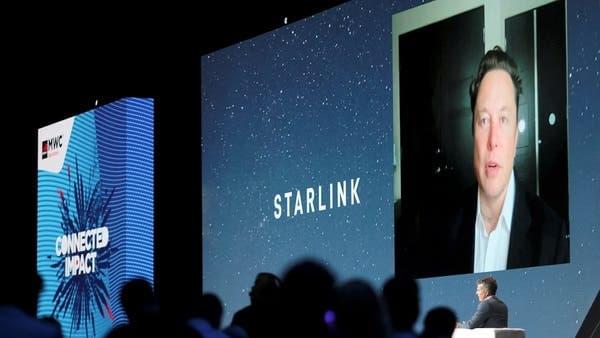
SpaceX plans over $74 billion investment in Texas, Arizona AI campuses
SpaceX said on Thursday it plans to invest more than $74 billion in two supercomputing campuses, its Starbase site in Texas and in Cochise County, Arizona, expanding its AI computing ambitions alongside rocket and satellite businesses.
The AI segment of the Elon Musk-led company, which went public in June, generated more than half of its revenue in the third quarter, highlighting how far the business has moved beyond rockets and Starlink satellite internet.
For all the latest headlines, follow our Google News channel online or via the app.
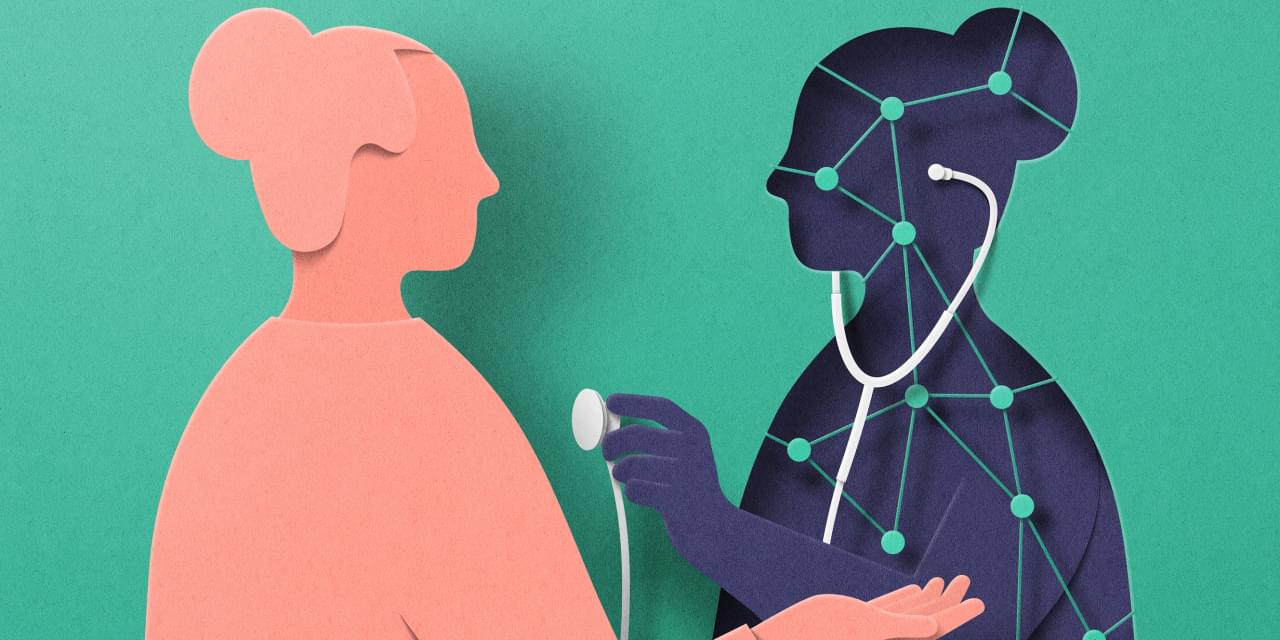
How AI Diagnosed a Medical Mystery My Doctors Missed for Decades
After years of suffering from perplexing symptoms, I turned to AI—and finally got answers to the complex condition my doctors had overlooked.
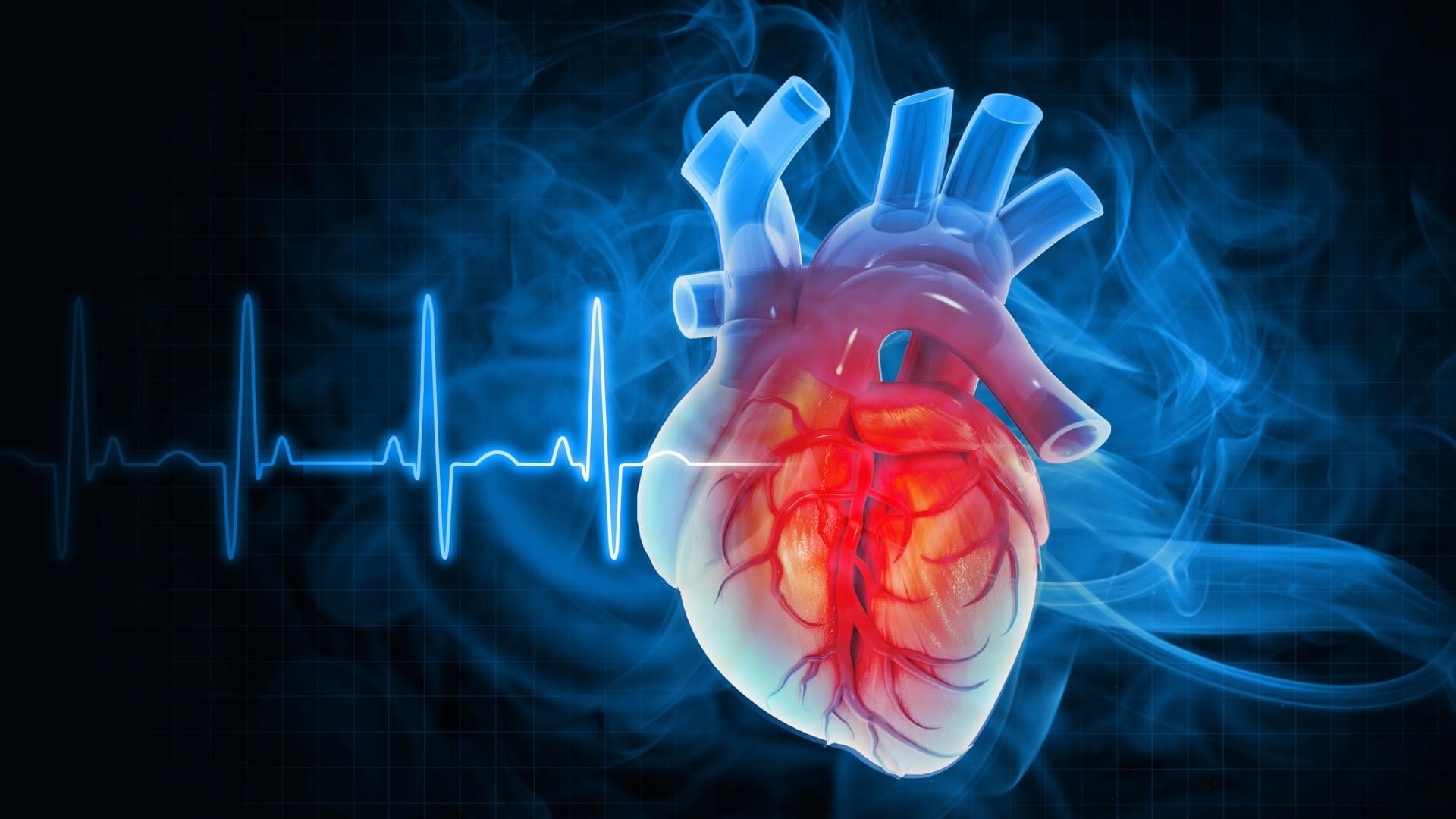
Scientists REPAIR damaged heart tissue in breakthrough for millions
HEART muscle has been ‘regrown’ for the first time in a huge scientific breakthrough, giving hope to millions who have heart damage.
Around one million Brits are living with heart failure due to the muscles becoming too weak or stiff to pump blood effectively.
Heart failure can happen for a number of different reasons, including heart attack, heart disease and cardiomyopathy, and studies indicate that around half of those affected sadly die within five years.
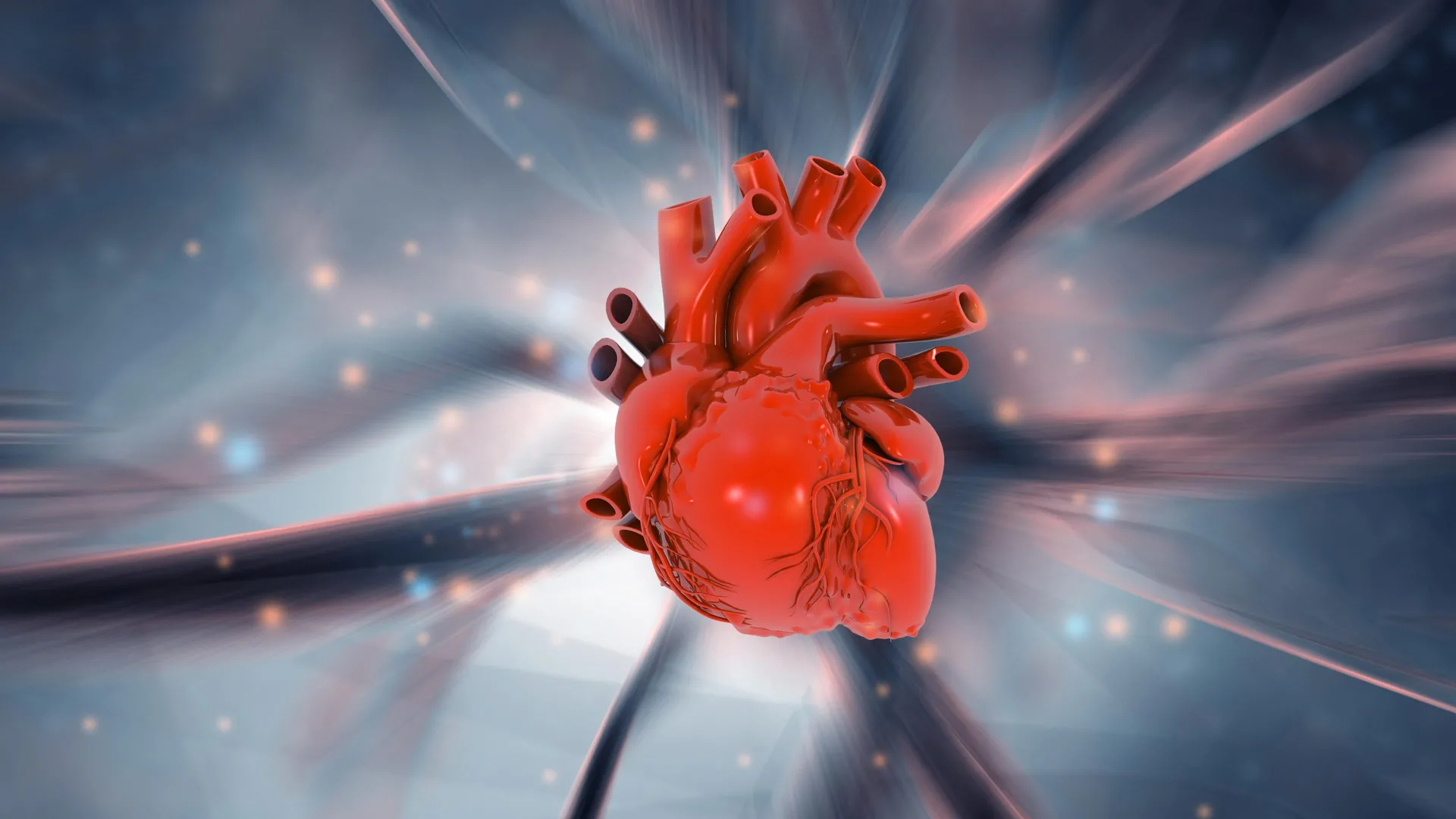
Scientists discover the human heart can regrow muscle after a heart attack
Researchers have shown for the first time that human heart muscle cells can regrow after a heart attack. The finding overturns the idea that damaged areas of the heart are completely incapable of regeneration. Scientists now hope to identify ways to dramatically boost this natural repair process, potentially opening a new path toward treatments for heart failure.
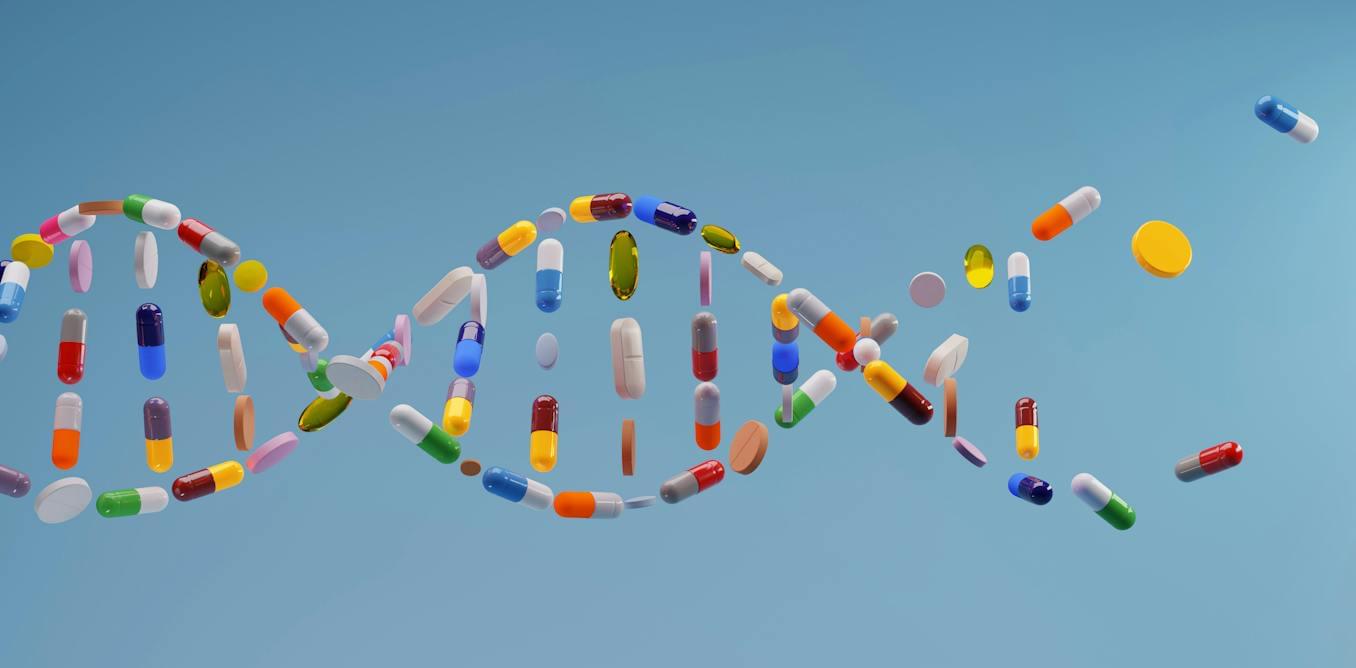
You likely have genes that affect how well your medications work — testing for them could improve treatment
Researchers found that everyone in a 100,000 sample of people has at least one genetic variant that interacts with common prescriptions.
The Alzheimer’s Disease Small-Group Workshop: A Live Peer-to-Peer Clinical Exchange
What you need to know about amyloid-targeting therapies.
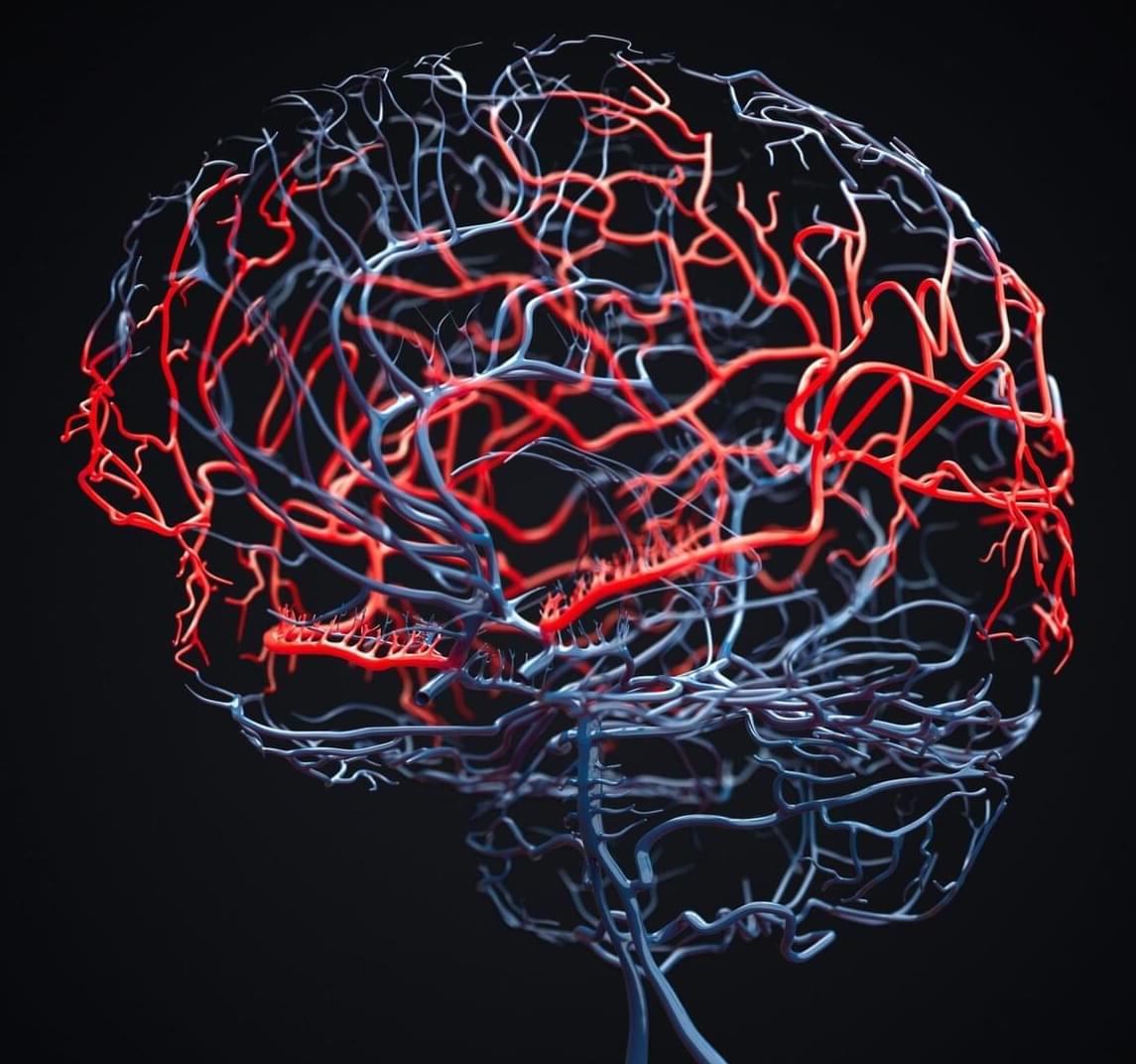
New Study Rewrites The Rules of The Blood-Brain Barrier
The blood-brain barrier is a powerful thing.
It maintains a strict ‘guest list’ of who’s allowed in and who is banned from entering our most delicate organ.
But a new study, published in the journal Cell today, suggests the blood-brain barrier may be doing far more for our brains than we realized.