Toggle light / dark theme

Get the latest international news and world events from around the world.

Log in for authorized contributors

A stretchy, heat-activated skin patch could be a surgery-free melanoma treatment

FOR IMMEDIATE RELEASE

“A Stretchable, Transparent, Photothermally Stimulated Laser-Induced Graphene Patch for Noninvasive Skin Tumor Treatment” ACS Nano

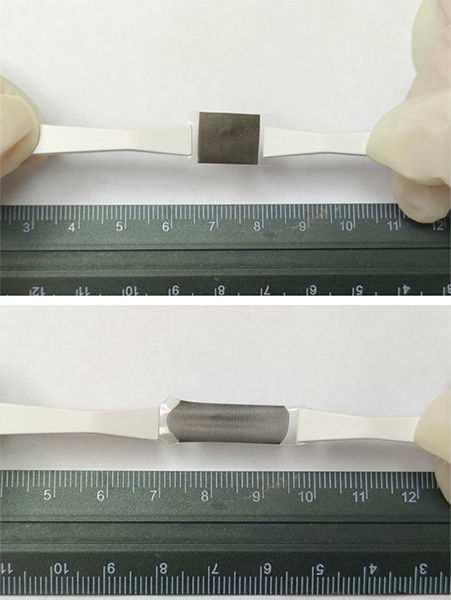
Melanoma is a deadly form of skin cancer that is typically removed surgically. Now, researchers publishing in ACS Nano report they have developed a potential noninvasive treatment for melanoma in the form of a stretchy, heat-activated patch similar to a bandage. When activated, the patch releases copper ions that kill the underlying cancer cells and prevent them from spreading. In tests with mice, the researchers say the patch reduced melanoma lesions without damaging surrounding tissue.

CRISPR takes a bold leap toward silencing Down syndrome’s extra chromosome

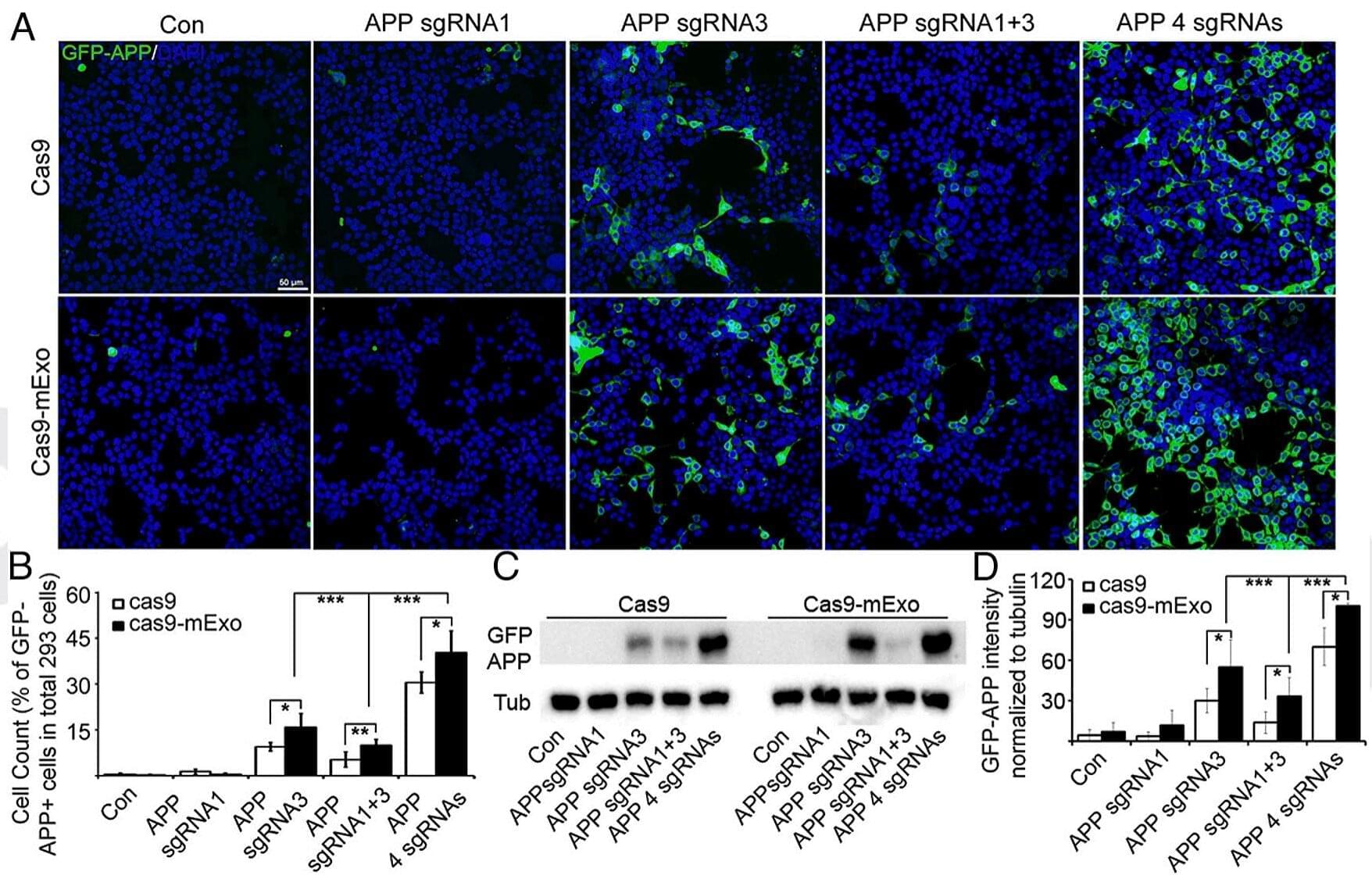
Scientists have taken an important step toward a gene therapy that could one day turn off the extra genetic material that causes Down syndrome (DS). Down syndrome is a genetic condition caused by an extra chromosome 21 (and consequently hundreds of triplicate genes) that leads to developmental and neurological issues. According to the Washington-based National Down Syndrome Society, approximately 1 in every 640 babies in the United States is born with DS. That makes it the most common chromosomal condition.

Traditional gene therapy targets one or two genes, but in this approach, scientists at Beth Israel Deaconess Medical Center and Harvard Medical School found a way to silence much of the extra chromosome’s activity in the cell at once.

Details of their research are published in a paper in the journal Proceedings of the National Academy of Sciences.

We Can Now Simulate a Human Brain, Scientists Show

Go to https://ground.news/sabine to get 40% off the Vantage plan and see through sensationalized reporting. Stay fully informed on events around the world with Ground News.

Over the years, computer scientists have used cutting-edge processors to simulate the brains of increasingly more complex animals. They’ve already simulated worm and fruit fly brains, and are now working on mice. But according to a new paper, they’ve made a breakthrough that might allow them to simulate human brains, which contain 80 billion neurons compared to a fruit fly’s 140,000. Let’s take a look.

Paper: https://arxiv.org/abs/2512.

👕T-shirts, mugs, posters and more: ➜ https://sabines-store.dashery.com/
💌 Support me on Donorbox ➜ https://donorbox.org/swtg.
👉 Transcript with links to references on Patreon ➜ / sabine.
📝 Transcripts and written news on Substack ➜ https://sciencewtg.substack.com/
📩 Free weekly science newsletter ➜ https://sabinehossenfelder.com/newsle… Audio only podcast ➜ https://open.spotify.com/show/0MkNfXl… 🔗 Join this channel to get access to perks ➜ / @sabinehossenfelder 📚 Buy my book ➜ https://amzn.to/3HSAWJW #science #sciencenews #neuroscience #tech.
👂 Audio only podcast ➜ https://open.spotify.com/show/0MkNfXl
🔗 Join this channel to get access to perks ➜
/ @sabinehossenfelder.
📚 Buy my book ➜ https://amzn.to/3HSAWJW

#science #sciencenews #neuroscience #tech

Flexible batteries kept stable with stretchy metallic films

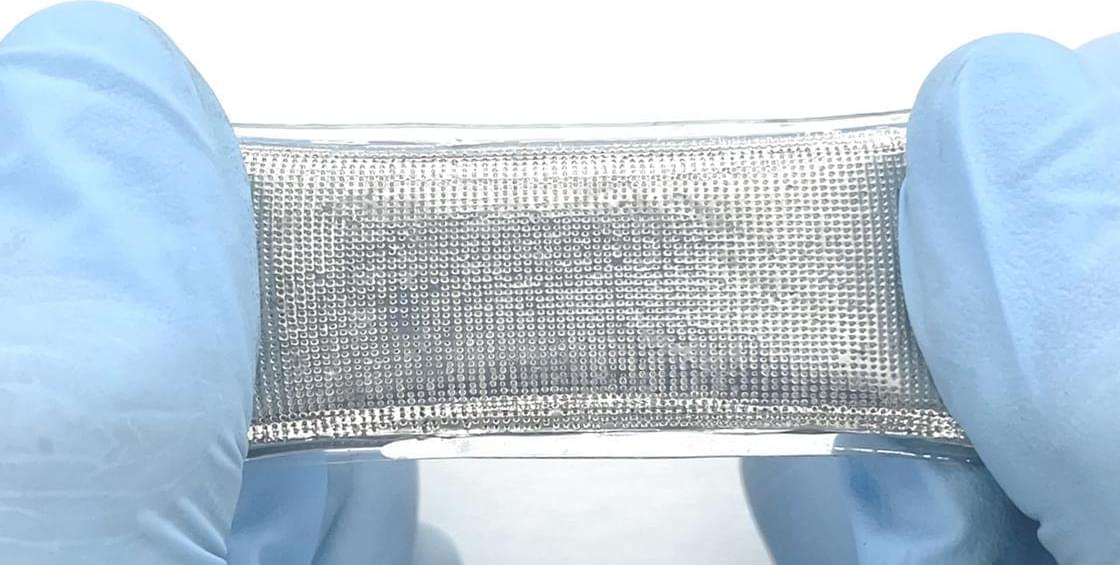
Stretchable films filled with liquid metal can protect flexible electronic devices from exposure to air and water. The finding could offer a potential way to improve the lifetime of future forms of wearable technology.

Most stretchable materials are highly permeable to gases. This makes it challenging to fully protect flexible electronic devices from things like air and moisture, which can ruin their performance.

Now researchers in China and the US have developed stretchable seals based on liquid metals that block the transport of oxygen and water. The seals are formed of a eutectic gallium indium alloy, which is laminated between two layers of silicone-based polymer.

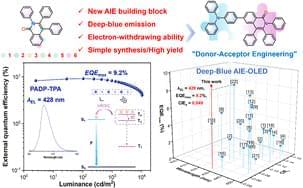
A novel lactam-based AIE building block for high-performance deep-blue electroluminescent materials

Developing high-performance deep-blue organic light-emitting diodes (OLEDs) requires the emitters to achieve a good balance among emission color, exciton utilization efficiency, and photoluminescence quantum yield (PLQY) in solid films. Herein, we report a new deep-blue emissive building block, abbreviated as PADP.

Immunogenic XAPs are released by NETosis and associated with high-risk vasculopathy in patients with SSc

AutoimmuneDiseases affect nearly 50 million Americans, and 4 out of 5 patients are women.

https://doi.org/10.1172/JCI198291 In this Research Letter, Howard Y. Chang & team show novel autoantibodies target hotspots on the XIST ribonucleoprotein complex in female-biased autoimmune diseases.


1Department of Dermatology and.

2Division of Immunology and Rheumatology, Department of Medicine, Stanford University School of Medicine, Stanford, California, USA.

3RNA Medicine Program, Stanford University, Stanford, California, USA.

4Division of Rheumatology, Johns Hopkins University School of Medicine, Baltimore, Maryland, USA.

Abstract: In obesity, the heart muscle can thicken, preventing it from relaxing properly between beats

While diet and inflammation likely contribute, the underlying molecular mechanism has been unclear.

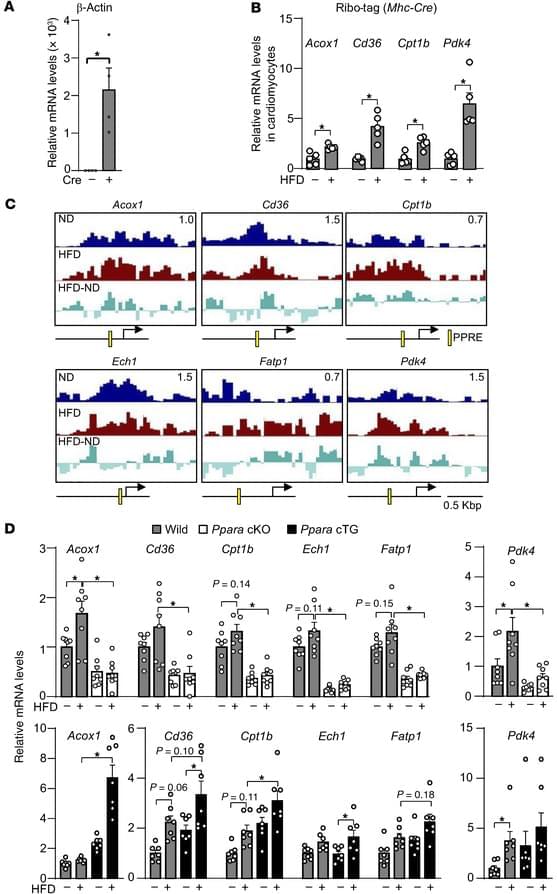
https://doi.org/10.1172/JCI196238 Here, Junichi Sadoshima & team find direct stimulation of IL-6 transcription by PPARα in cardiomyocytes plays an important role in mediating the initial development of obesity cardiomyopathy.

The figure indicates binding of PPARα to NFkB (via PLA assay).


1Rutgers New Jersey Medical School Department of Cell Biology and Molecular Medicine, Rutgers Biomedical and Health Sciences, Newark, New Jersey, USA.

2Precision Medicine Research Center, College of Medicine, The Catholic University of Korea, Seoul, Korea.

Address correspondence to: Junichi Sadoshima, Cardiovascular Research Institute, Rutgers Biomedical and Health Science, 185 South Orange Ave., MSB G609, Newark, New Jersey, 7,103, USA. Phone 973.972.8619; Email: [email protected].

/* */