Toggle light / dark theme

Get the latest international news and world events from around the world.

Log in for authorized contributors

Internet Gaming Disorder is affecting a significant portion of young adults

Researchers out of Spain and Italy report a globally pooled Internet Gaming Disorder prevalence of 6.1% among adults ages 18–35. Internet Gaming Disorder is considered a condition for further study in DSM-5-TR, with official classification in ICD-11.

Gaming problems often get viewed as an adolescent concern, while evidence indicates growing vulnerability in young adults. Late adolescents and young adults tend to show higher levels of depression, anxiety, and stress, along with lower self-esteem, compared to healthy regular gamers.

DSM-5-TR includes nine criteria for Internet Gaming Disorder, including preoccupation with gaming, withdrawal symptoms, tolerance, unsuccessful attempts to control gaming habits, loss of interest in previous hobbies, continued excessive gaming despite problems, deception about the extent of gaming, gaming used to escape negative mood, and jeopardizing relationships or opportunities. Diagnosis requires at least five of those nine criteria within 12 months.

Newly discovered metallic material with record thermal conductivity upends assumptions about heat transport limits

A UCLA-led, multi-institution research team has discovered a metallic material with the highest thermal conductivity measured among metals, challenging long-standing assumptions about the limits of heat transport in metallic materials.

Published in Science, the study was led by Yongjie Hu, a professor of mechanical and aerospace engineering at the UCLA Samueli School of Engineering. The team reported that metallic theta-phase tantalum nitride conducts heat nearly three times more efficiently than copper or silver, the best conventional heat-conducting metals.

Cleaner ship fuel linked to reduced lightning in key shipping lanes

Cuts in sulfur emissions from oceangoing vessels have been tied to a reduction in lightning stroke density along heavily trafficked shipping routes in the Bay of Bengal and the South China Sea, according to new research from the University of Kansas.

The work is published in the journal npj Climate and Atmospheric Science.

Previous studies had found frequent lightning along shipping routes over the Bay of Bengal before a 2020 International Maritime Organization rule capped sulfur in fuel used by oceangoing ships, leading to a roughly 70% drop in sulfate emissions in the Bay of Bengal.

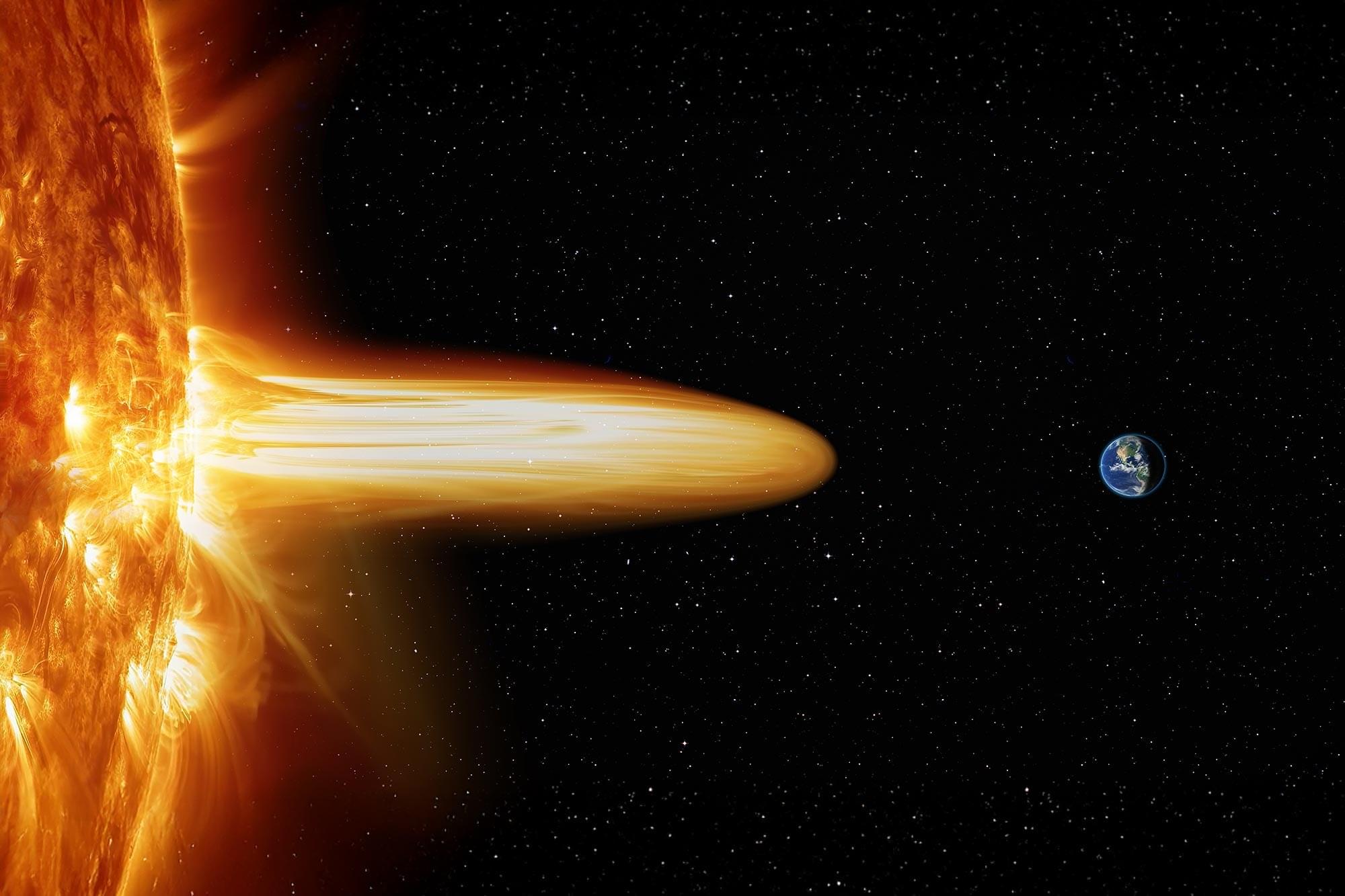
A century’s worth of data could help predict future solar cycle activity

Research conducted by an international team of astronomers from Southwest Research Institute, Aryabhatta Research Institute of Observational Sciences in India and the Max Planck Institute in Germany could help predict upcoming solar cycle activity.

To enable these predictions, the team has devised a new way to look at historical data from the Kodaikanal Solar Observatory (KoSO), a field station of the Indian Institute of Astrophysics (IIA) Bangalore, to reconstruct the sun’s polar magnetic behavior over more than 100 years.

“We needed to find the polar magnetic information hidden in the historical data,” said SwRI scientist Dr. Bibhuti Kumar Jha, second author of a paper about these findings. “To start, we cleaned up and calibrated early data to today’s standards and then correlated patterns with modern observations. I addressed anomalies like time zone slips and rotation errors to enable this kind of study.”

ChatGPT found to reflect and intensify existing global social disparities

New research from the Oxford Internet Institute at the University of Oxford, and the University of Kentucky, finds that ChatGPT systematically favors wealthier, Western regions in response to questions ranging from “Where are people more beautiful?” to “Which country is safer?”—mirroring long-standing biases in the data they ingest.

The study, “The Silicon Gaze: A typology of biases and inequality in LLMs through the lens of place,” by Francisco W. Kerche, Professor Matthew Zook and Professor Mark Graham, published in Platforms and Society, analyzed over 20 million ChatGPT queries.

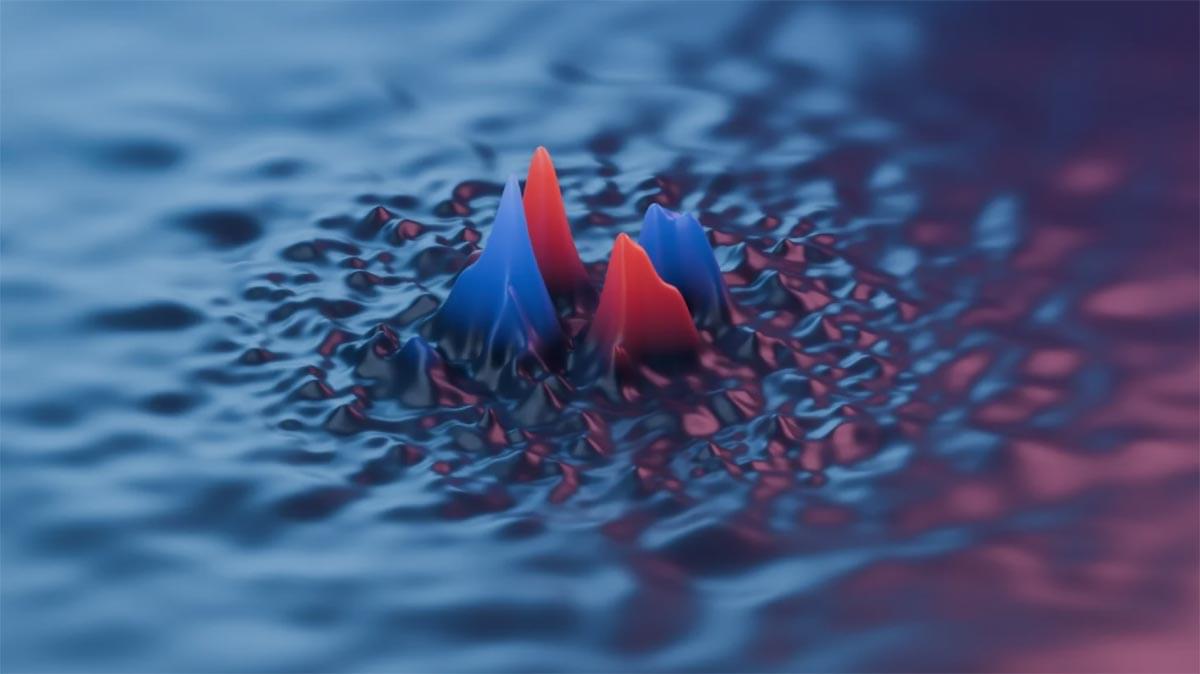
Physicists bridge worlds of quantum matter

A new unified theory connects two fundamental domains of modern quantum physics: It joins two opposite views of how a single exotic particle behaves in a many-body system, namely as a mobile or static impurity among a large number of fermions, a so-called Fermi sea.

This new theoretical framework was developed at the Institute for Theoretical Physics of Heidelberg University. It describes the emergence of what is known as quasiparticles and furnishes a connection between two different quantum states that, according to the Heidelberg researchers, will have far-reaching implications for current quantum matter experiments.

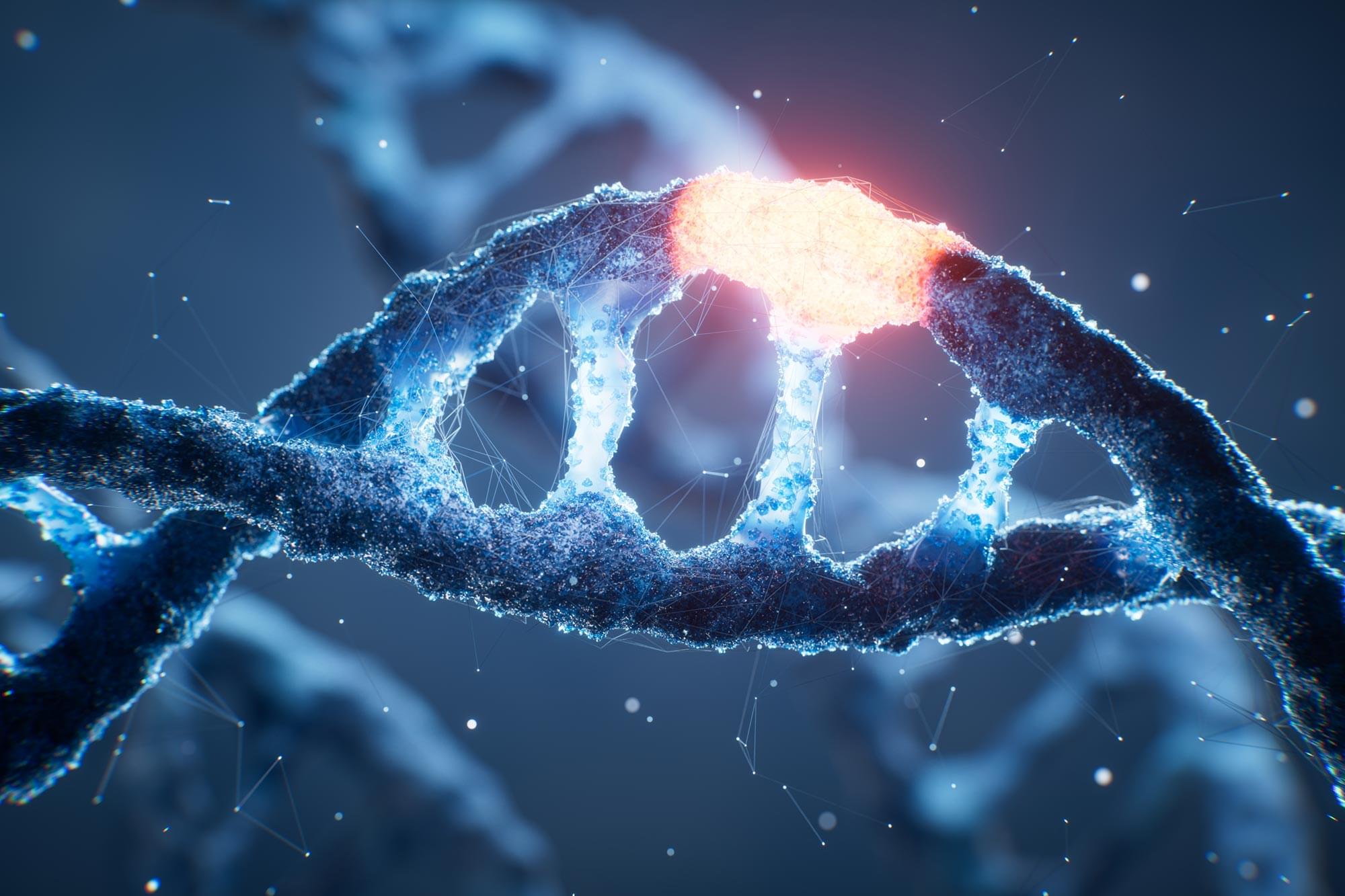
Physicists employ AI labmates to supercharge LED light control

In 2023, a team of physicists from Sandia National Laboratories announced a major discovery: a way to steer LED light. If refined, it could mean someday replacing lasers with cheaper, smaller, more energy-efficient LEDs in countless technologies, from UPC scanners and holographic projectors to self-driving cars. The team assumed it would take years of meticulous experimentation to refine their technique.

Now the same researchers have reported that a trio of artificial intelligence labmates has improved their best results fourfold. It took about five hours.

The resulting paper, now published in Nature Communications, shows how AI is advancing beyond a mere automation tool toward becoming a powerful engine for clear, comprehensible scientific discovery.

New method reveals quantum states using indirect measurements of particle flows

A team from UNIGE shows that it is possible to determine the state of a quantum system from indirect measurements when it is coupled to its environment.

What is the state of a quantum system? Answering this question is essential for exploiting quantum properties and developing new technologies. In practice, this characterization generally relies on direct measurements, which require extremely well-controlled systems, as their sensitivity to external disturbances can distort the results. This constraint limits their applicability to specific experimental contexts.

A team from the University of Geneva (UNIGE) presents an alternative approach, tailored to open quantum systems, in which the interaction with the environment is turned into an advantage rather than an obstacle. Published in Physical Review Letters —with the “Editor’s Suggestion” label—this work brings quantum technologies a step closer to real-world conditions.

Bridging theories across physics helps reconcile controversy about thin liquid layer on icy surfaces

The ice in a domestic freezer is remarkably different from the single crystals that form in snow clouds, or even those formed on a frozen pond. As temperatures drop, ice crystals can grow in a variety of shapes: from stocky hexagonal prisms to flat plates, to Grecian columns.

Why this structural roller coaster happens, though, is a mystery. When first observed, researchers thought it must relate to a hypothesis proposed by famed physicist Michael Faraday—ice below its melting point has a microscopically thin liquid layer of water across its surface.

This “premelting film” of ice, however, is the subject of significant scientific controversy. For years, researchers have provided contradictory evidence about its thickness and whether it even exists.

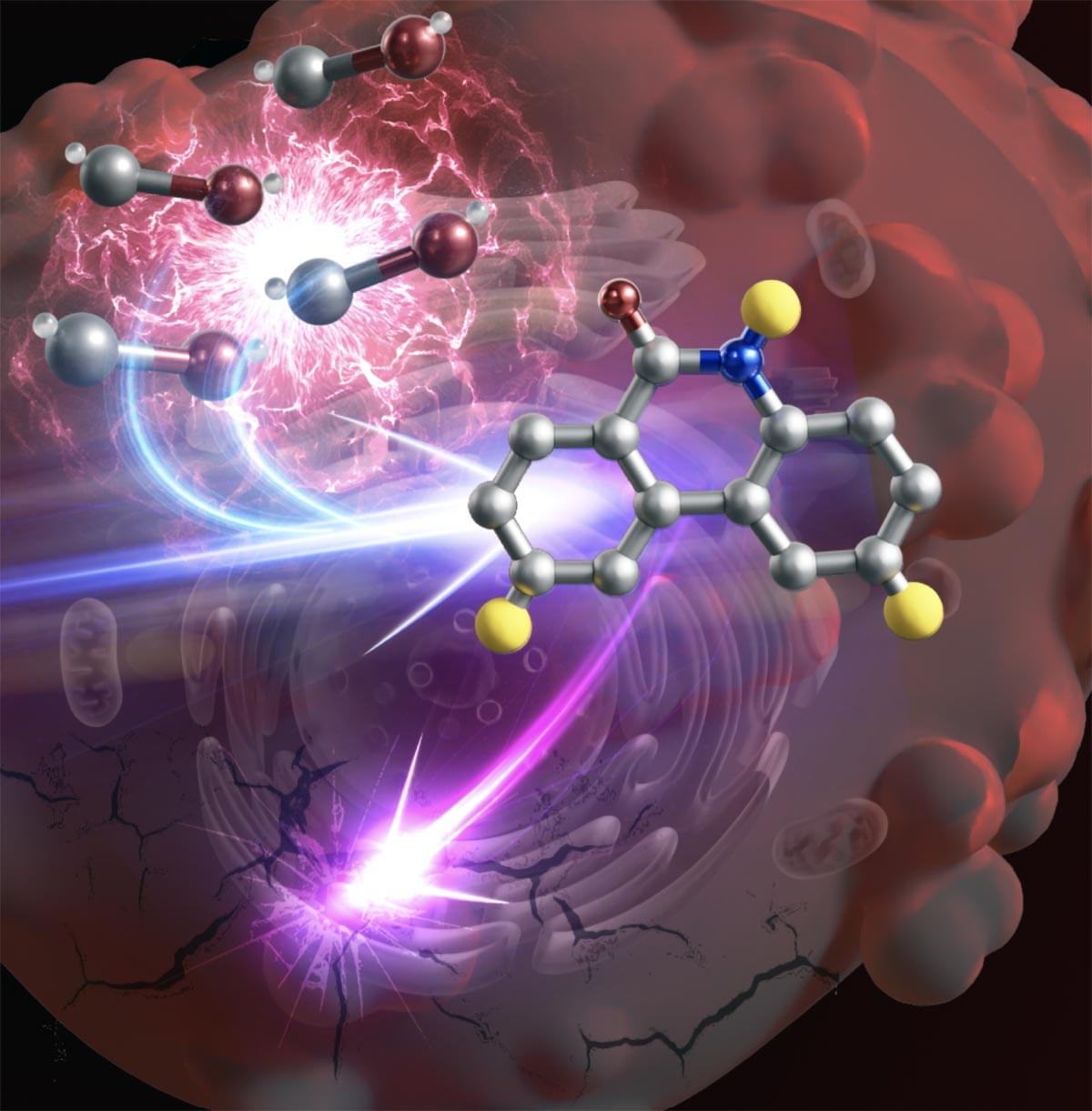
AI-driven ultrafast spectrometer-on-a-chip advances real-time sensing

For decades, the ability to visualize the chemical composition of materials, whether for diagnosing a disease, assessing food quality, or analyzing pollution, depended on large, expensive laboratory instruments called spectrometers. These devices work by taking light, spreading it out into a rainbow using a prism or grating, and measuring the intensity of each color. The problem is that spreading light requires a long physical path, making the device inherently bulky.

A recent study from the University of California Davis (UC Davis), reported in Advanced Photonics, tackles the challenge of miniaturization, aiming to shrink a lab-grade spectrometer down to the size of a grain of sand, a tiny spectrometer-on-a-chip that can be integrated into portable devices. The traditional approach of spatially spreading light is abandoned in favor of a reconstructive method.

Instead of physically separating each color, the new chip uses only 16 distinct silicon detectors, each engineered to respond slightly differently to incoming light. This is analogous to giving a handful of specialized sensors a mixed drink, with each sensor sampling a different aspect of the drink. The key to deciphering the original recipe is the second part of the invention: artificial intelligence (AI).

/* */