Toggle light / dark theme

Get the latest international news and world events from around the world.

Log in for authorized contributors

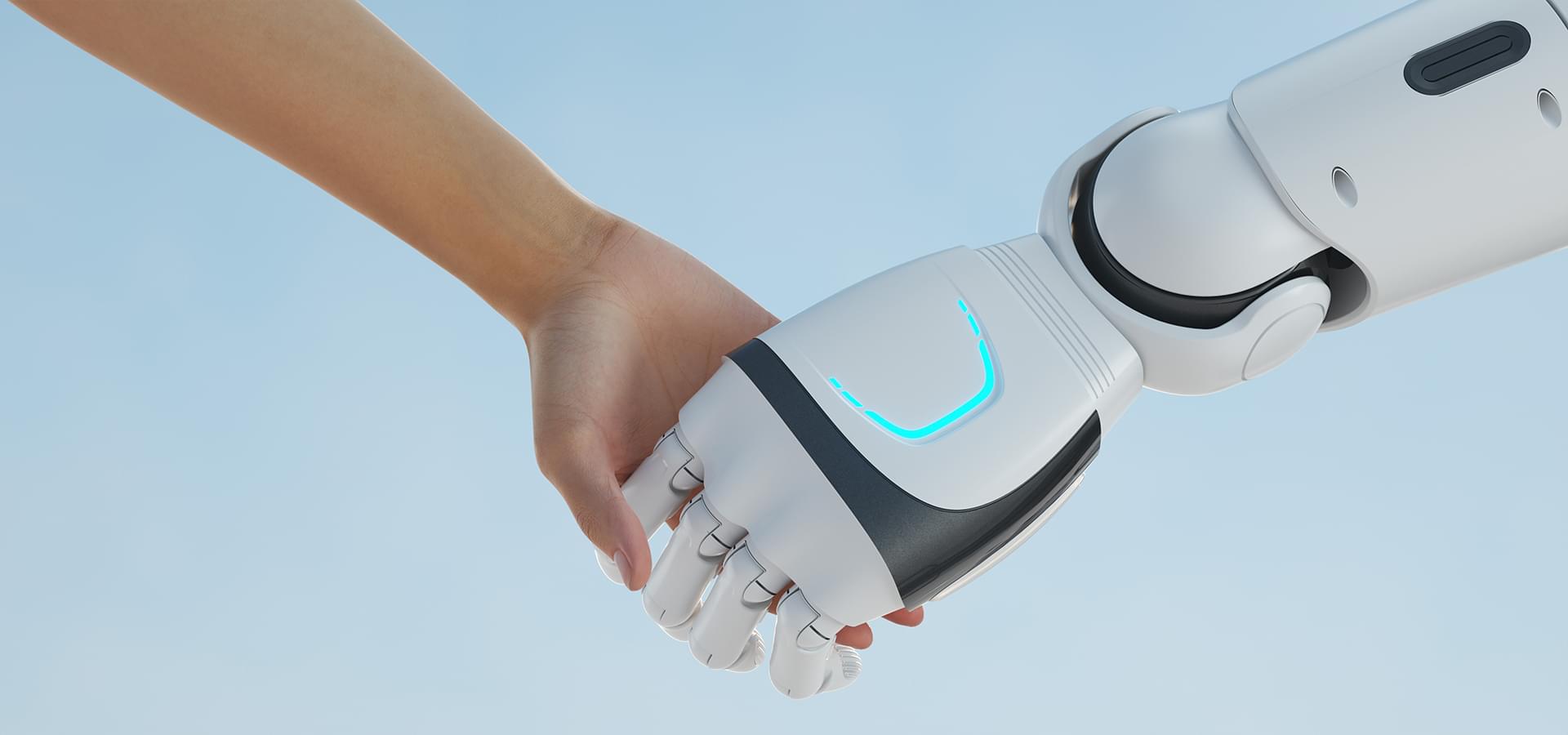
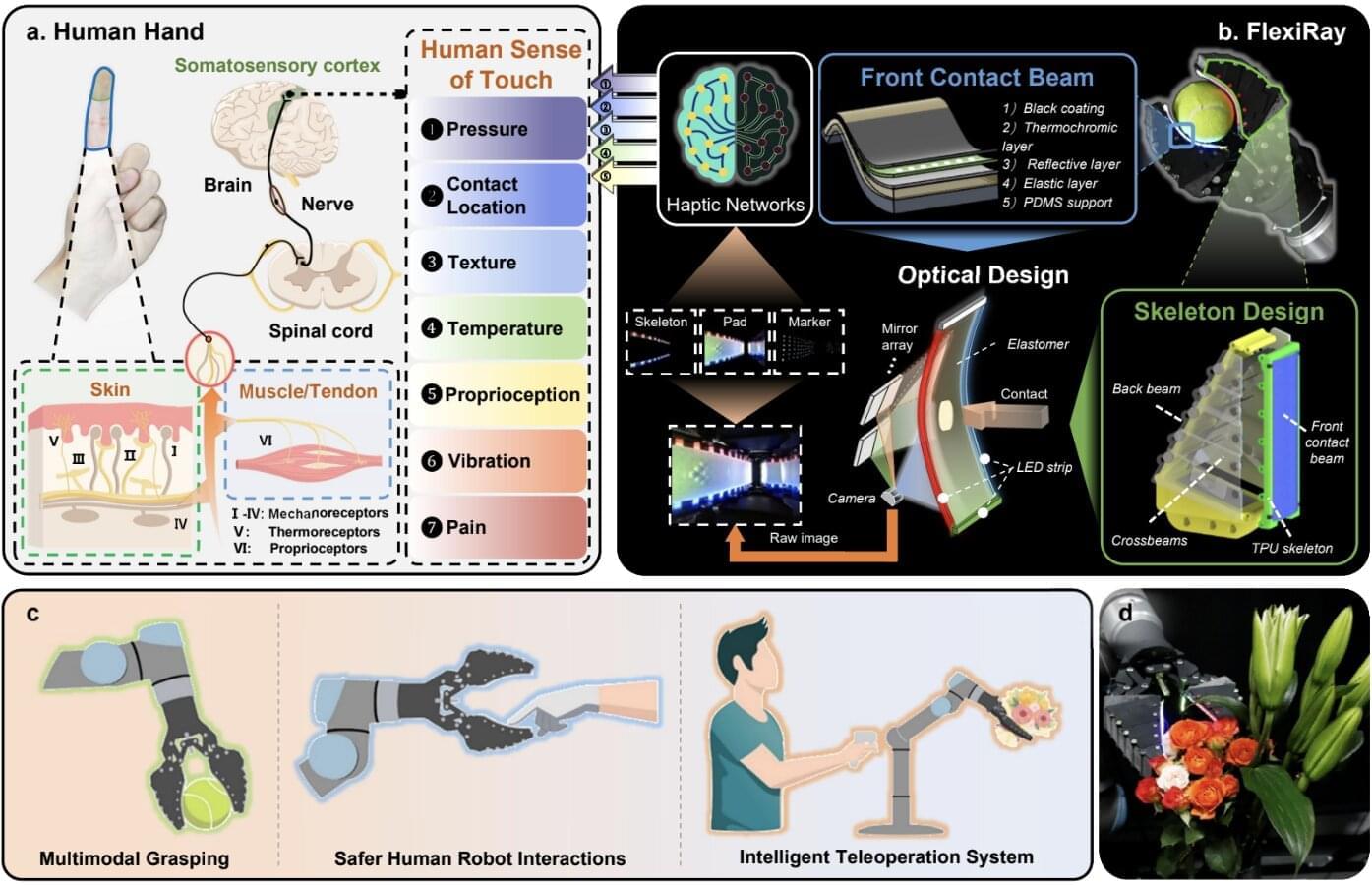
Soft robotic hand ‘sees’ around corners to achieve human-like touch

To reliably complete household chores, assemble products and tackle other manual tasks, robots should be able to adapt their manipulation strategies based on the objects they are working with, similarly to how humans leverage information they gain via the sense of touch. While humans attain tactile information via nerves in their skin and muscles, robots rely on sensors, devices that sense their surroundings and pick up specific physical signals.

Most robotic hands and grippers developed so far rely on visual-tactile sensors, systems that use small cameras to capture images, while also picking up surface deformations resulting from contact with specific objects.

A key limitation of these sensors is that they need to be made of stiff materials, to ensure that the cameras capture high-quality images. This reduces the overall flexibility of robots that rely on the sensors, making it harder for them to handle fragile and unevenly shaped objects.

Scientists uncover new quantum state that could power future technologies

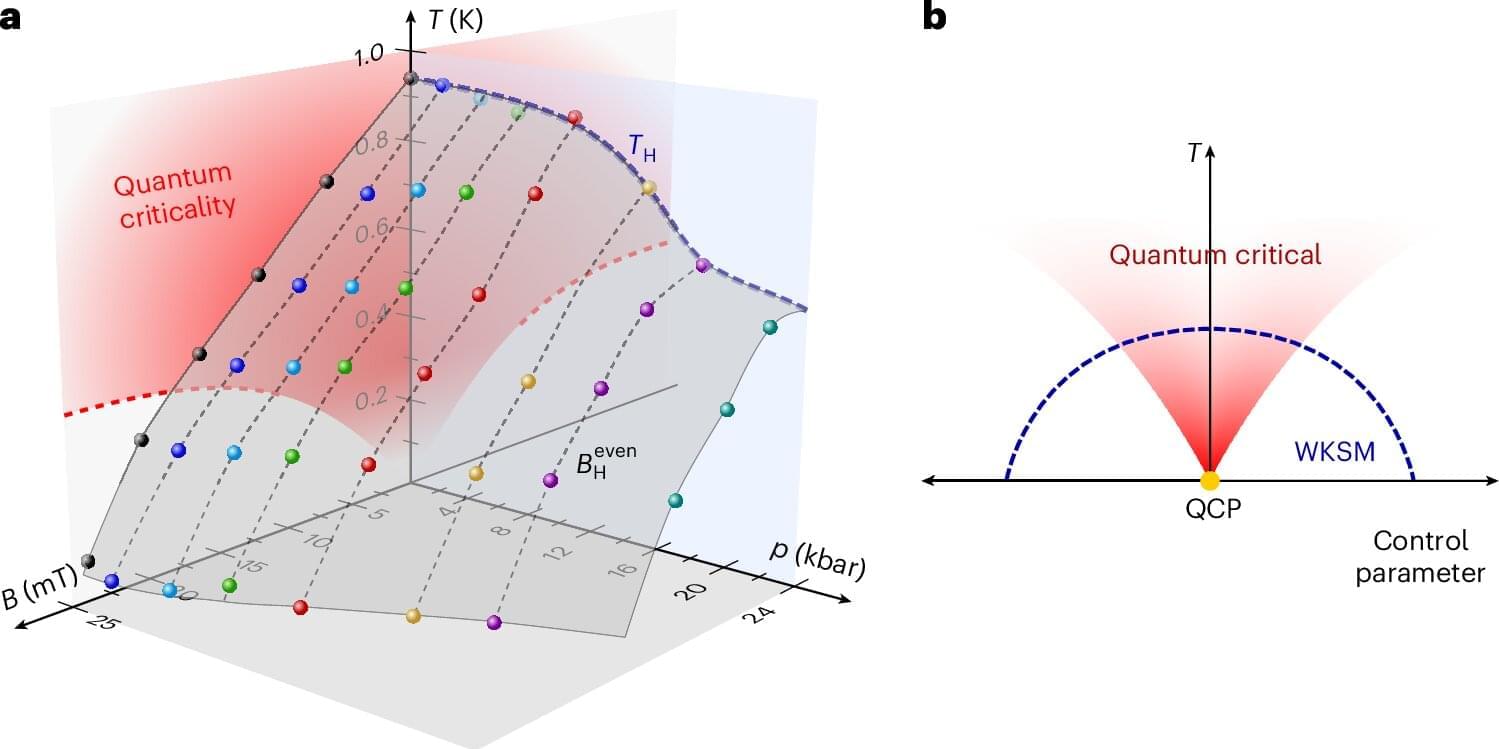
Scientists have discovered a new quantum state of matter that connects two significant areas of physics, potentially leading to advancements in computing, sensing and materials science.

A study published in Nature Physics, co-led by Rice University’s Qimiao Si, brings together quantum criticality, where electrons fluctuate between different phases, and electronic topology, which describes a form of quantum organization based on the wave behavior of electrons.

The researchers found that strong interactions among electrons can produce topological behavior, paving the way for new technologies that could use this quantum state in real-world applications.

Pervasive horizontal transfer of adeno-associated virus capsid genes

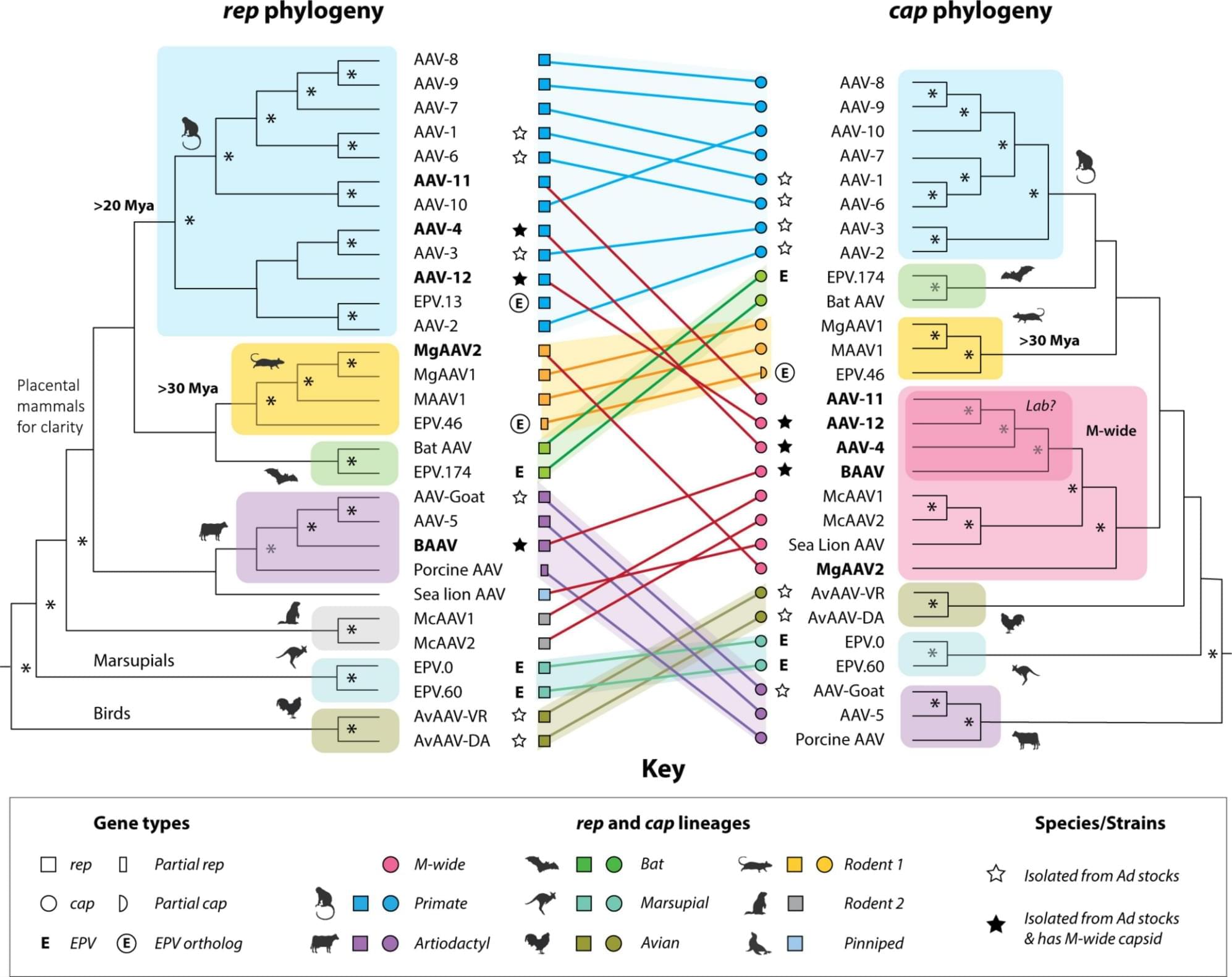
An interesting bioinformatic analysis which offers evidence suggesting that laboratory handling of AAVs may have contributed to horizontal gene transfer of the M-wide capsid across lineages in the wild. [ https://www.pnas.org/doi/10.1073/pnas.2505928122](https://www.pnas.org/doi/10.1073/pnas.2505928122)


Adeno-associated viruses (AAVs) are nonpathogenic DNA viruses with potent gene delivery capabilities, making them essential tools in gene therapy and biomedical research. Despite their therapeutic importance, key aspects of AAV natural biology remain obscure, complicating efforts to explain rare AAV-associated diseases and optimize gene therapy vectors. By analyzing sequence data from virus isolates and endogenous viral elements (EVEs), I reveal a striking evolutionary pattern: While AAV sublineages, defined by the replication-associated (rep) gene, have broadly codiverged with host groups over millions of years, capsid (cap) diversity has been shaped by extensive recombination. In particular, one capsid lineage, Mammalian-wide (M-wide), has spread horizontally across diverse rep lineages and host taxa through multiple recombination events.

Expanded global groundwater microbial diversity reveals bioprospecting potential

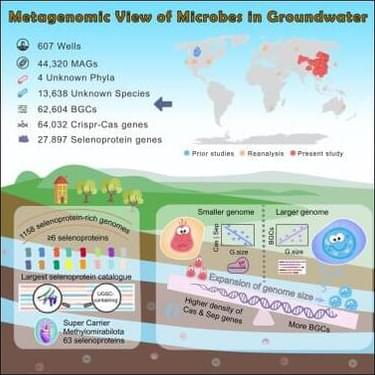
Deng et al. constructed a comprehensive bacterial and archaeal genome catalog from groundwater and uncovered extensive previously unknown microbial diversity. This study reveals genome size as an axis underlying allocation of microbial defense and redox regulation and identifies groundwater as a hotspot of selenium metabolism and functional innovation.

Inflammation fuels one of the most aggressive forms of cancer

Unlike other epithelial cancers, small cell lung cancer (SCLC) shares features with neuronal cells, including lack of caspase-8 expression, a protein involved in programmed, non-inflammatory cell-death (apoptosis), a mechanism that is essential to eliminate faulty or mutated cells and to maintain health.

To better mimic the features of human SCLC, the team generated and characterized a novel genetically engineered mouse model lacking caspase-8. Using this new model, the team observed that when this protein is missing, an unusual chain reaction sets off.

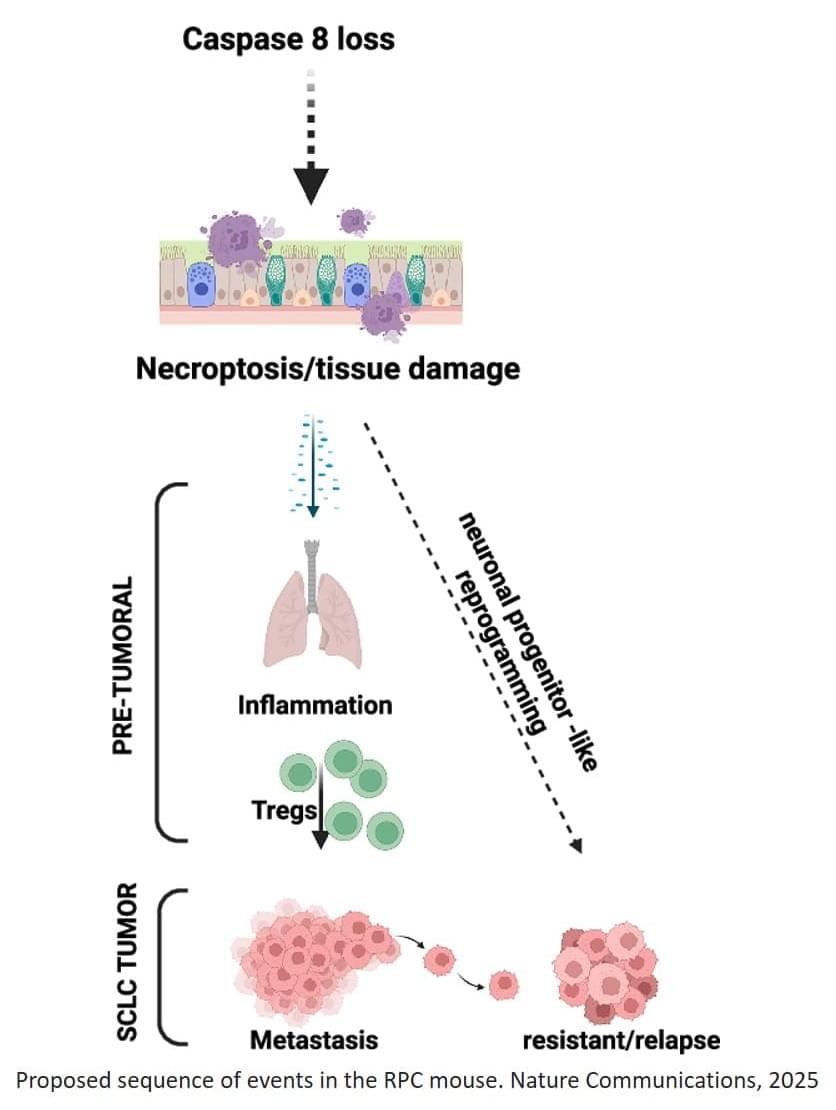
“The absence of caspase-8 leads to a type of inflammatory cell death called necroptosis that creates a hostile, inflamed environment even before tumors fully form” explains the senior author. “We were also intrigued to find that pre-tumoral necroptosis can in fact promote cancer by conditioning the immune system,” the author continues.

The inflammation creates an environment where the body’s anti-cancer immune response is suppressed, preventing immune cells from attacking threats like cancer cells. This, in turn, can promote tumor metastasis. Surprisingly, the researchers observed that this inflammation also pushes the cancer cells to behave more like immature neuron-like cells, a state that makes them better at spreading and that is associated with relapse.

While it remains unknown whether similar pre-tumoral inflammation also occurs in human patients, this work identifies a mechanism contributing to the aggressiveness and patient relapse in SCLC that could be exploited as a way to improve the efficiency of future therapies and early-stage diagnostic methods. ScienceMission sciencenewshighlights.


Small cell lung cancer (SCLC) is one of the most aggressive forms of lung cancer, with a five-year survival rate of only five percent. Despite this poor prognosis, SCLC is initially highly responsive to chemotherapy. However, patients typically relapse and experience very rapid disease progression. Current research into the biological mechanisms behind SCLC remains essential in order to prolong treatment responses, overcome relapse and, ultimately, improve long-term patient outcomes.
Shelf-stable mRNA delivery system targets bladder cancer cells without immune response

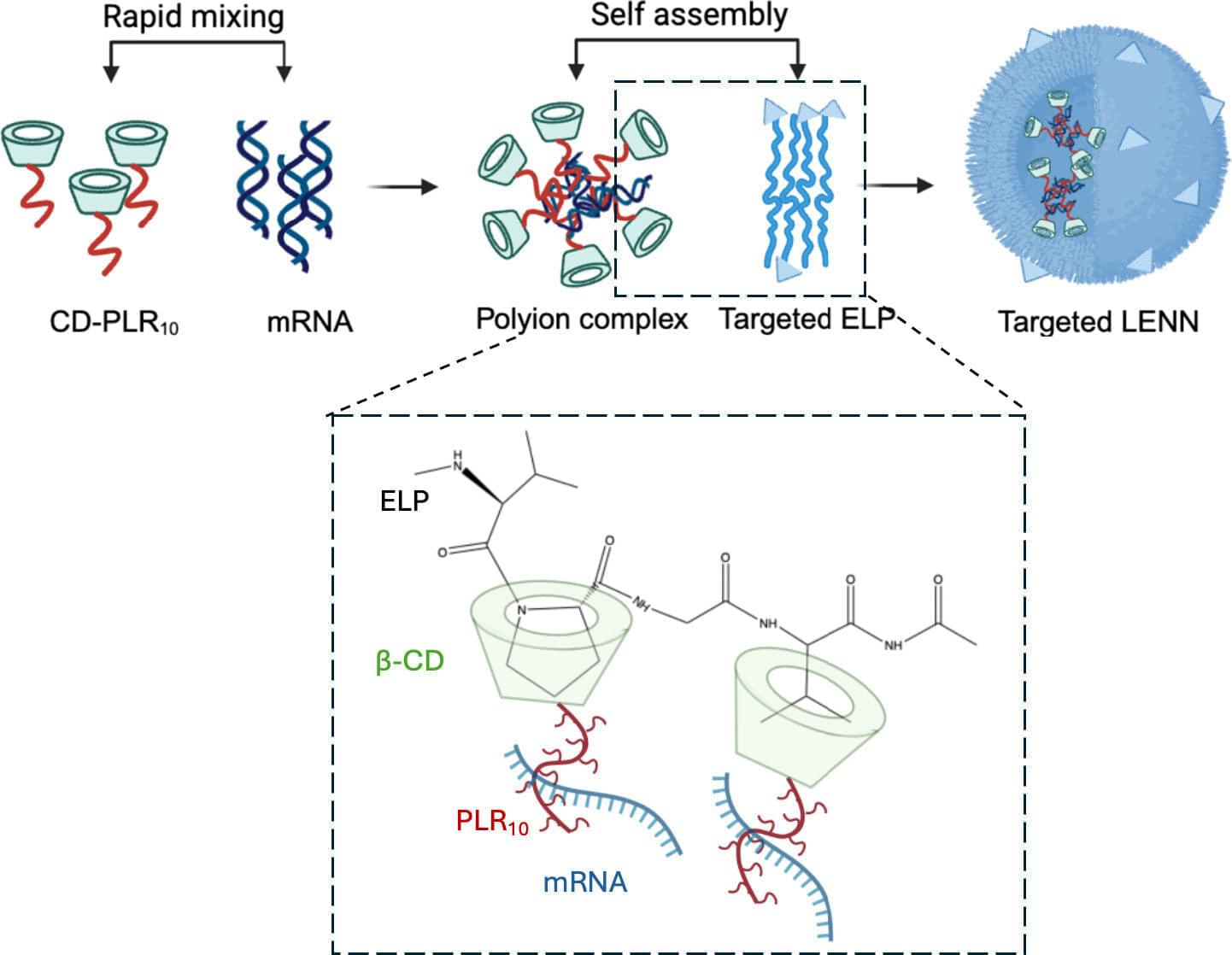
Published, peer-reviewed research shows a patent-pending, virus-mimicking platform technology developed at Purdue University improves upon traditional methods of targeting bladder cancer cells with messenger RNA (mRNA) therapies.

The study, published in the Proceedings of the National Academy of Sciences, highlights compelling features of the therapy-delivering system with respect to size, targetability, encapsulation efficiency, complex stability, gene expression and “green” manufacturability.

David Thompson led the team conducting research about layer-by-layer elastin-like polypeptide nucleic acid nanoparticle (LENN). He is a professor in the James Tarpo Jr. and Margaret Tarpo Department of Chemistry and a member of the Purdue Institute for Cancer Research and the Purdue Institute for Drug Discovery. Saloni Darji, a commercialization postdoctoral research associate, is the paper’s lead author.

About-UBTECH

Established in March 2012, UBTECH ROBOTICS CORP LTD is a leading humanoid robots and smart service robots company. On 29 December, 2023, we were listed on the main board of the Hong Kong Stock Exchange (stock code: 9880.HK), and have become the first humanoid robot company listed on Hong Kong Stock Exchange.

Dedicated to the mission of ‘bringing intelligent robots into every family, and making everyday life more convenient and intelligent’, we have developed a full stack of humanoid robotic technologies independently. Building on our full-stack technologies, UBTECH has engaged in the research and development, design, smart production, and commercialization of smart service robots, and has developed smart robotic solutions that integrate with hardware, software, service and contents. These solutions span various industries such as AI education, smart logistics, smart elderly care, business and consumer service.

UBTECH is among the few global leaders in full-stack humanoid robotics technologies. Our full-stack technologies are a holistic combination of industry-leading robotic technologies (robotic motion planning and control technology, and high performance servo actuators), our AI technologies (human-like brain function and cerebellum function), integrated robotic and AI technologies (SLAM and autonomous technology, visual servo operation and human-robot interaction), and Robot Operating System Application Framework (ROSA 2.0), our proprietary robotics application framework.

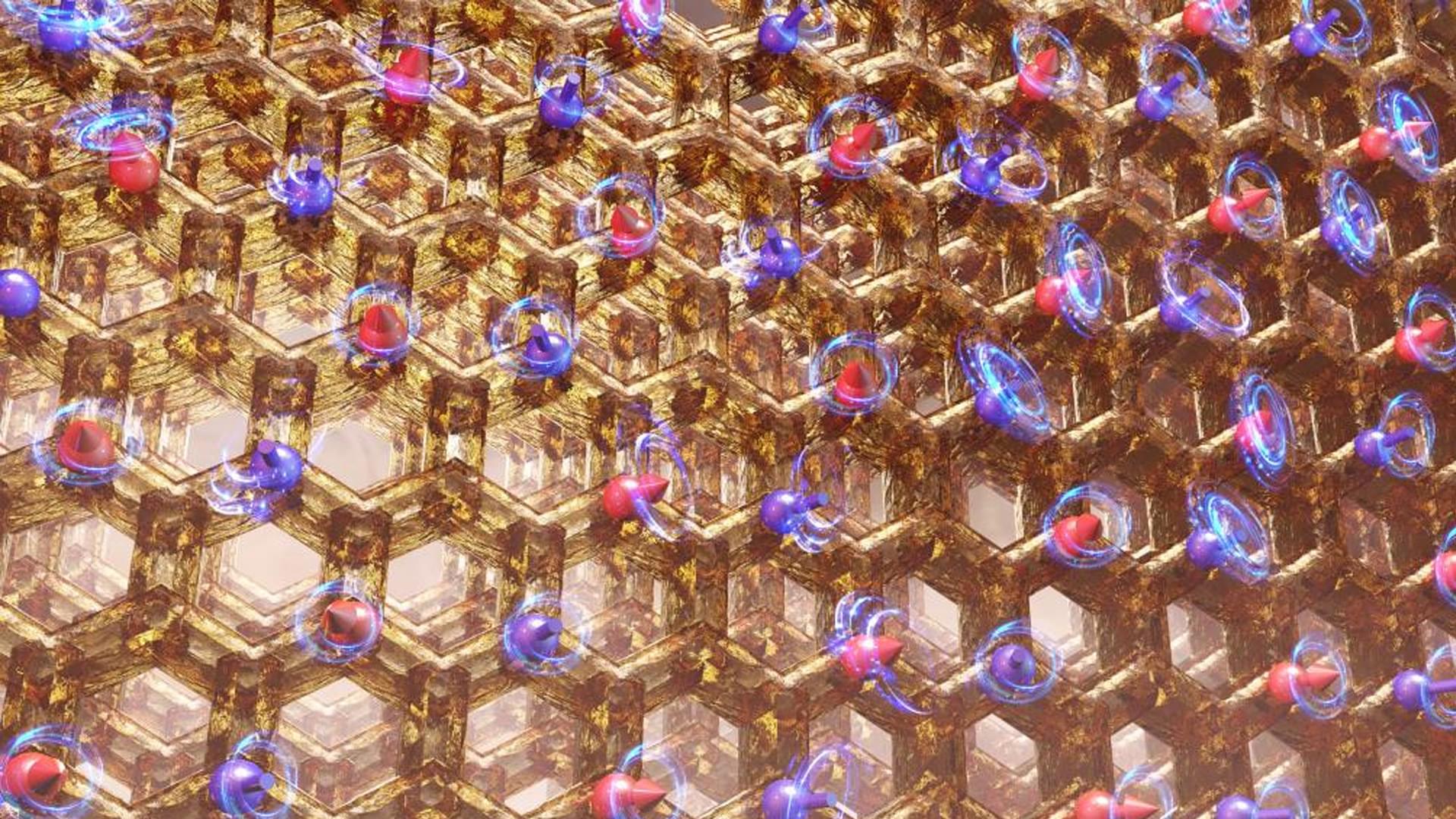
Distorted honeycomb magnet edges closer to a quantum spin liquid

Neutron scattering and simulations reveal why a promising Kitaev candidate freezes into order instead of forming a quantum spin liquid.


Most magnets are predictable. Cool them down, and their tiny magnetic moments snap into place like disciplined soldiers. However, physicists have long suspected that, under the right conditions, magnetism might refuse to settle even in extreme cold.

This restless state, known as a quantum spin liquid, could unlock new kinds of particles and serve as a foundation for quantum technologies that are far more stable than today’s fragile systems.

At Oak Ridge National Laboratory (ORNL), researchers have now created and closely examined a new magnetic material that brings this strange possibility a little closer to reality, even if it doesn’t quite cross the finish line yet.

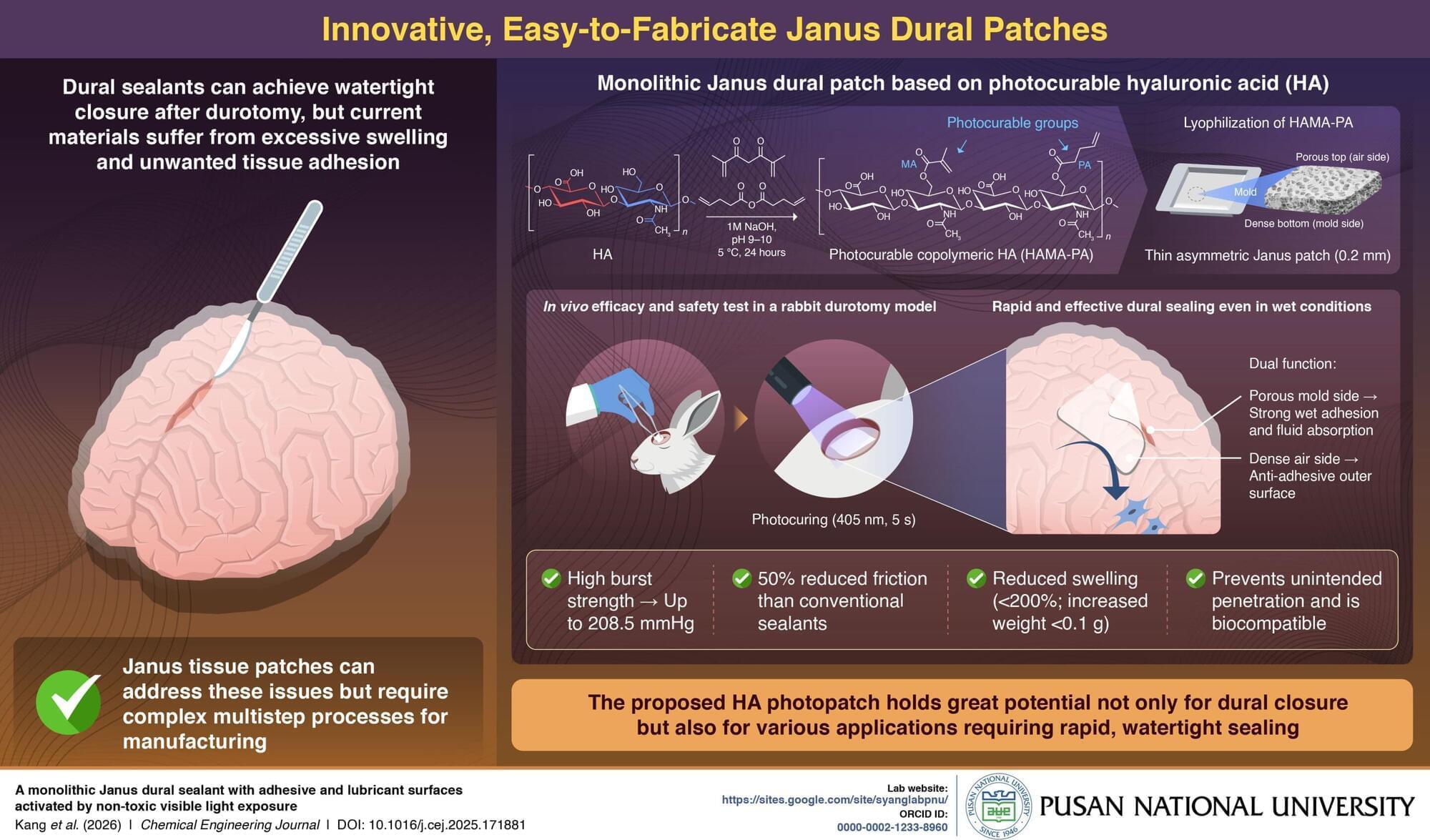
Light-activated tissue adhesive patch offers rapid, watertight neurosurgical sealing

Durotomy is a common neurosurgical complication involving a tear in the dura mater, the protective membrane surrounding the brain and spinal cord. Damage can cause cerebrospinal fluid (CSF) leakage, leading to delayed healing, headaches, and infection, making a reliable watertight dural closure essential.

Tissue adhesives are increasingly being explored as alternatives to suturing for dural closure because they offer simpler and faster application. However, many existing glue-based sealants suffer from excessive swelling, leading to mass effect and unwanted tissue adhesion, which can lead to postoperative complications.

To address these limitations, researchers have investigated Janus tissue patches, which feature two distinct surfaces—one that adheres strongly to tissue and another that prevents unwanted adhesion. Unfortunately, most existing Janus patches rely on multiple materials and complex, multi-step fabrication processes, limiting their practical use.

/* */