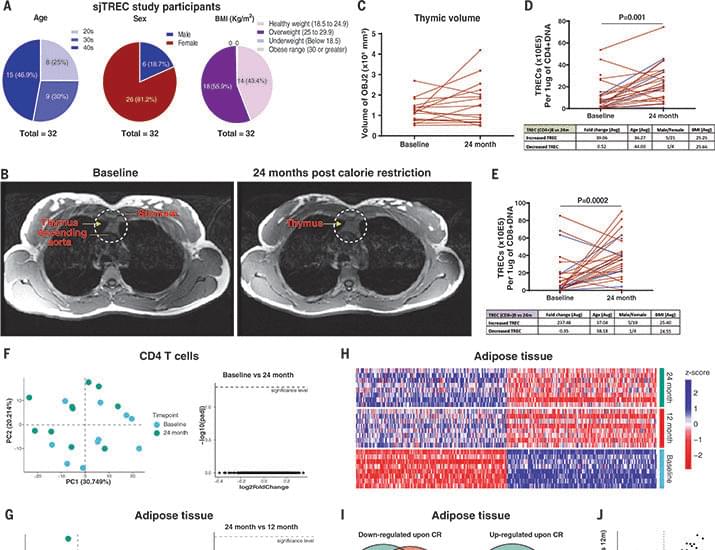
Can quantum computers help organizations make better decisions? A new study from the Quantum Optimization Working Group charts the way forward.
Cyanobacteria and algae are the major photosynthetic organisms in deserts because they survive desiccation, high solar radiation and extreme temperature fluctuations better than other plants. Under favourable conditions, desert cyanobacteria and algae evidently photosynthesise. However, our understanding of whether each group modulates this metabolic process in response to preceding harsh conditions remains limited. To find out the effect of aridity on the photosynthetic activity of desert cyanobacteria and algae, we compared their cellular biovolume-specific carbon dioxide (CO2) fixation in the hyper-arid and arid regions of a typical hot desert—the central Negev Desert. We found that the biovolume-specific CO2 fixation of both cyanobacteria and algae was highly variable rather than being constant.
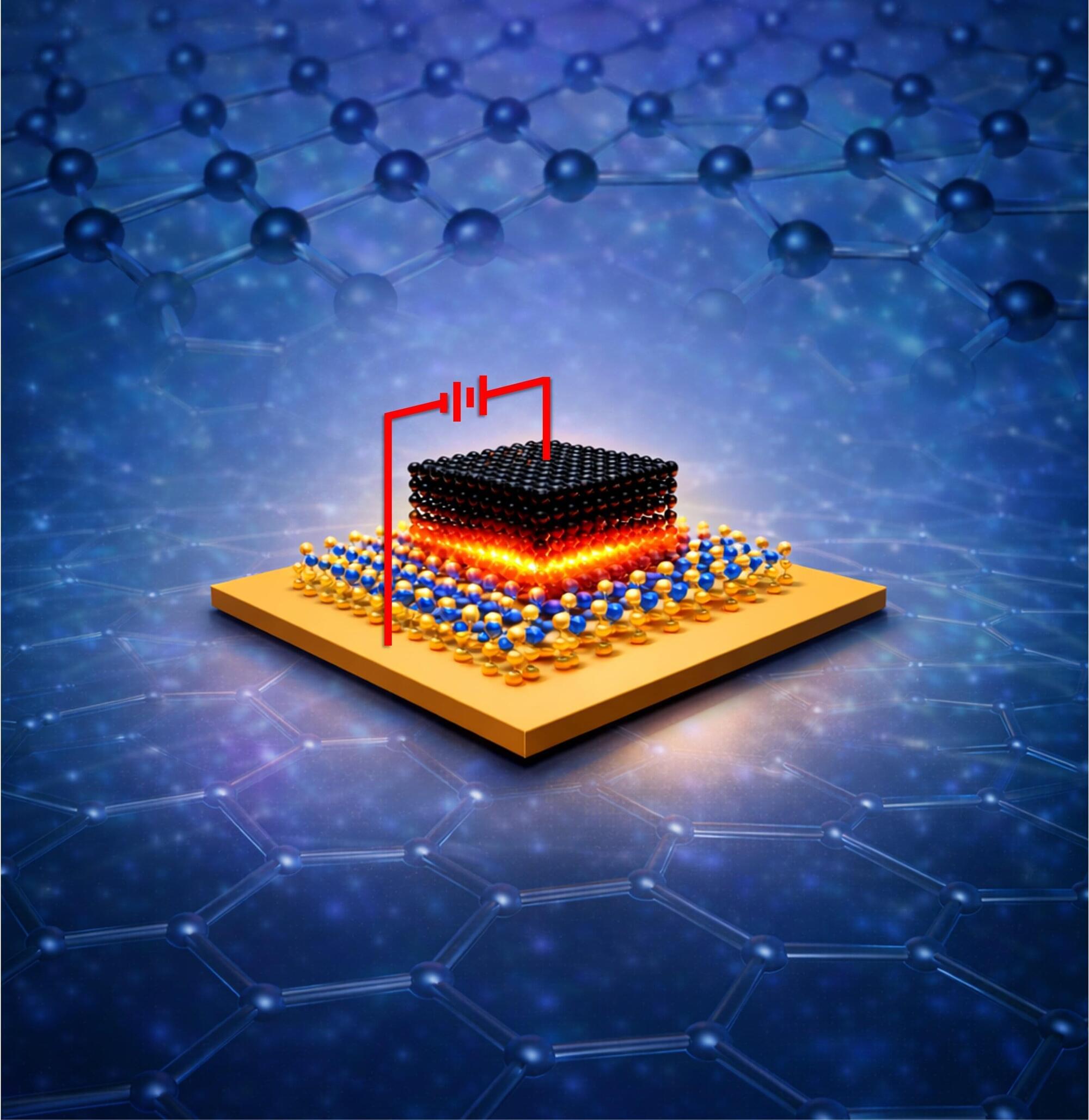
The high-performance semiconductor devices powering smartphone displays, AI computing, EV batteries and more are increasingly incorporating 2D materials to overcome silicon’s scaling limits. To optimize these technologies, a University of Michigan Engineering team developed a precise mathematical framework that accounts for anisotropic—or unevenly spreading—conductivity and device geometry.
Accurate models of how currents move through anisotropic thin films, made of layered 2D materials, can enable the design of more reliable, high-performance nanoelectric devices. Specifically, the model can help engineers reduce current crowding and spreading resistance, essentially current traffic jams, that occur at vertical electrical contacts that connect with the top of a 2D surface. The study is published in ACS Applied Electronic Materials.
“And what those stories teach us about how AI will revolutionize math”
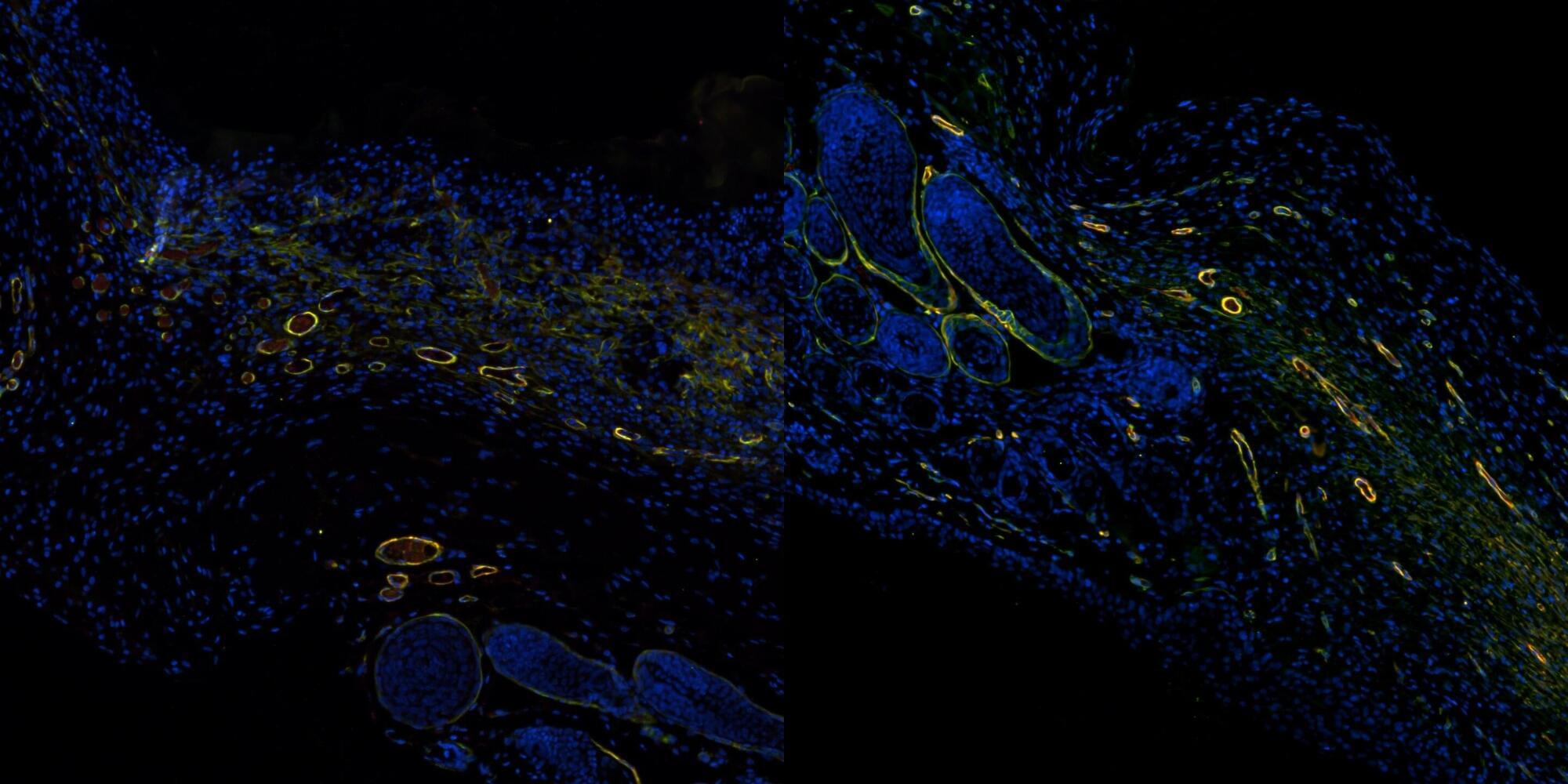
No matter the size or severity, wounds on human skin are difficult to monitor while they heal. Biopsies disrupt the wound site and are too invasive for routine, repeated monitoring, and most medical imaging devices that could do the job are large, expensive, and booked up with more pressing diagnostics. Clinicians typically resort to visual inspection or quick measurements of the wound’s size over time.
Based on research completed as part of a multi-year collaboration with Nokia Bell Labs, biomedical engineers at Duke University are developing a solution. Using a custom-built optical coherence tomography (OCT) imaging system together with artificial intelligence (AI) models grounded in a deep understanding of tissue regeneration, researchers have shown they can accurately and objectively measure the progress of wounds healing over time.
Using their new approach, the researchers also show that a hydrogel under development to improve wound healing works better with stiffer mechanical properties. The results are a two-for-one boon in a challenging area for both clinicians and researchers.
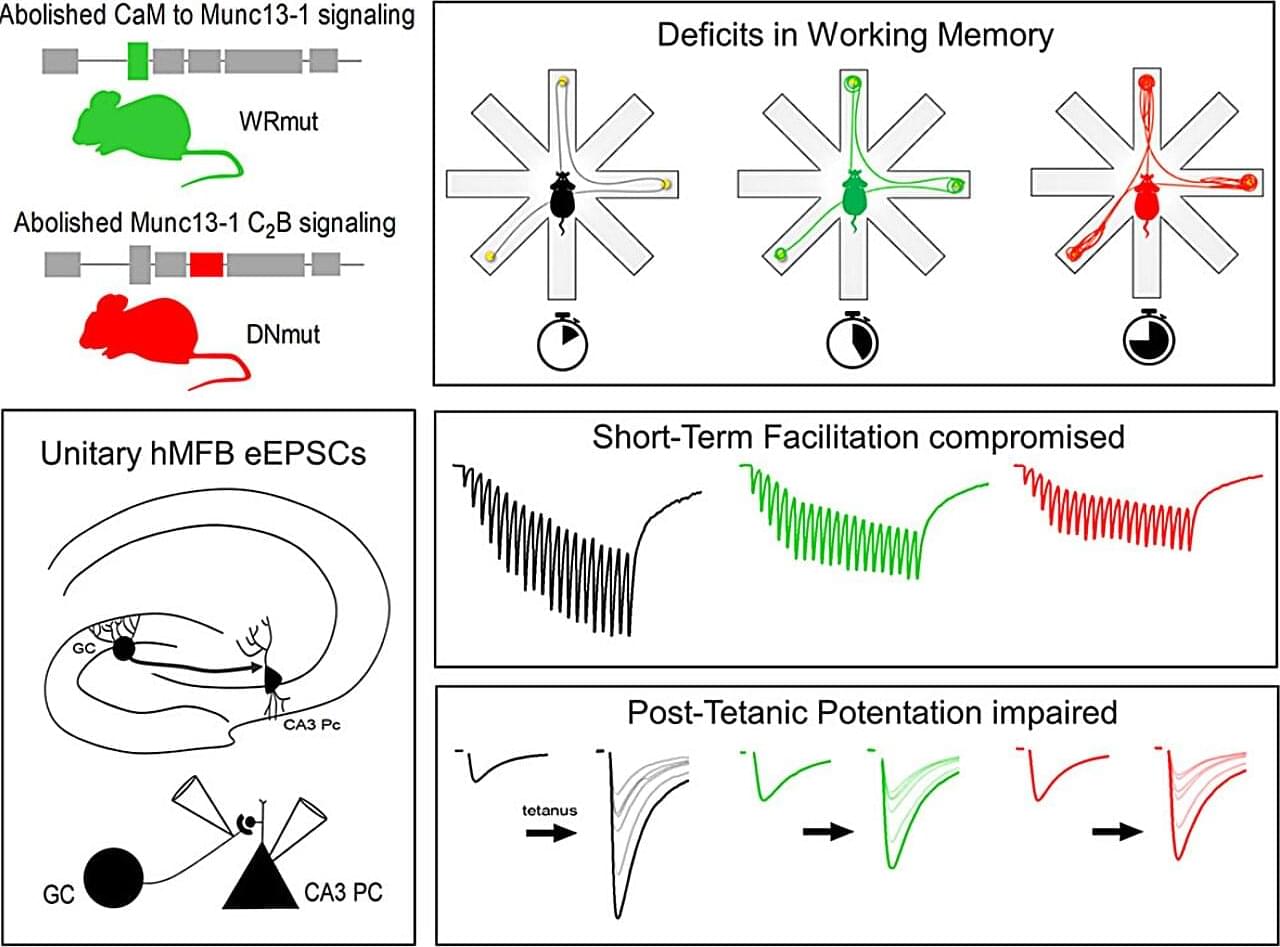
Working memory is a cognitive function that is essential for carrying out everyday activities and temporarily retaining information. This process enables us to understand information, learn and manage responses in a controlled manner—abilities that are often impaired in certain neurodegenerative diseases. Now, a study published in Cell Reports has identified a molecular pathway in the brain that is crucial for the proper functioning of working memory.
The study, conducted using animal models, is led by Francisco José López-Murcia, a professor at the Faculty of Medicine and Health Sciences and the Institute of Neurosciences of the University of Barcelona (UBneuro), and a member of the Bellvitge Biomedical Research Institute (IDIBELL). The team led by Professor Nils Brose at the Max Planck Institute for Multidisciplinary Sciences (MPI-NAT, Göttingen, Germany) is also participating in the project.