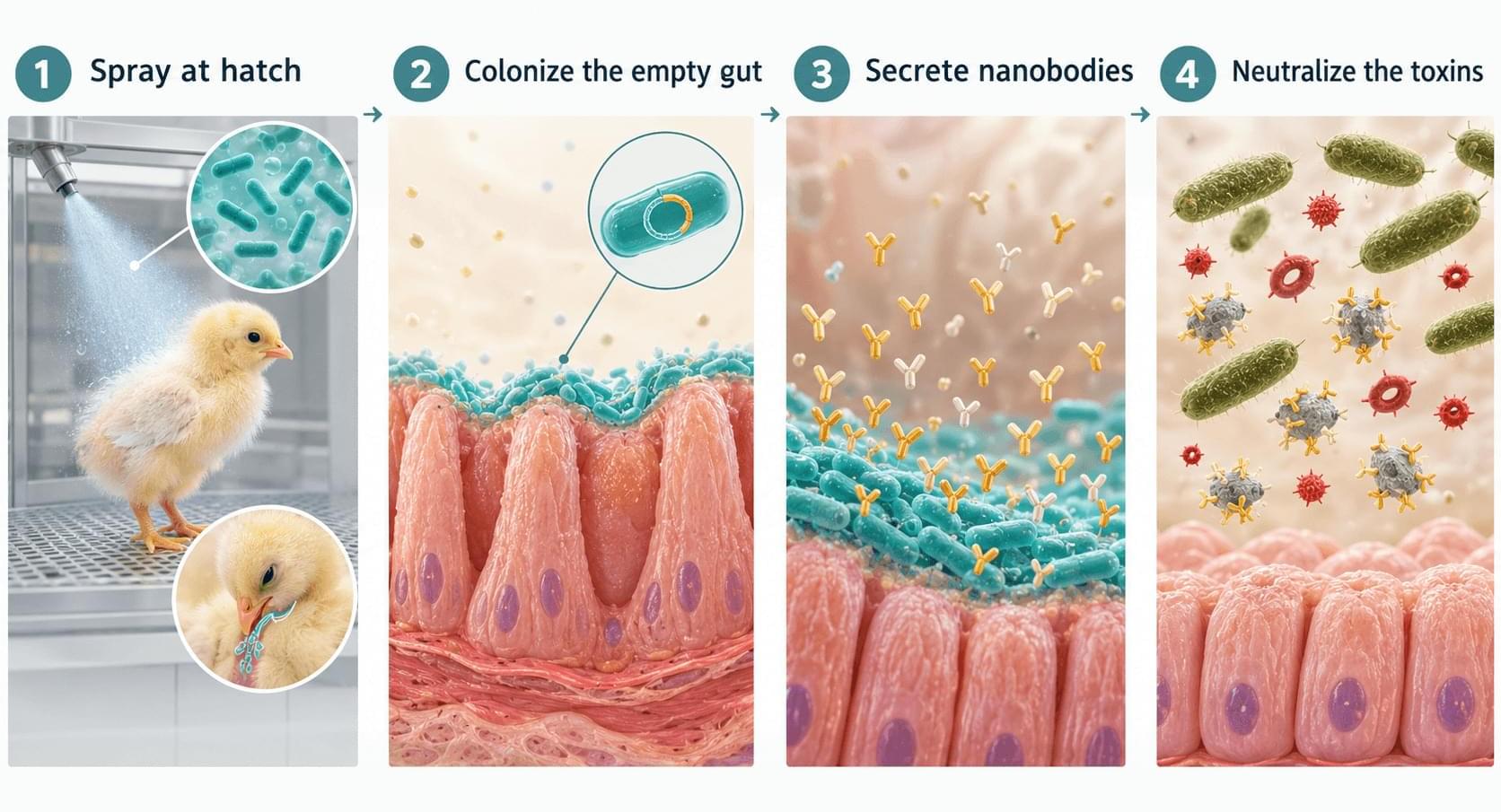
An interesting story of a company which has engineered bacteria to make nanobodies and prevent necrotic enteritis in poultry. They are also expanding into other animal health areas like canine medicine!
BiomEdit’s engineered probiotic is now in more than 35 million broilers. The pitch is not fewer dead chickens. It is feed conversion, which is where the $6 billion actually hides.
What happens when AI begins proving mathematical theorems faster than humans can? Mathematics may be on the verge of a transformation—but its future could belong to the next generation of mathematicians.
In a new essay published on Terence Tao’s blog, NYU mathematician Tristan Buckmaster offers an optimistic perspective on how AI-generated proofs could reshape mathematical research.
He argues that graduate students and postdoctoral researchers will play a crucial role in determining what comes next.
Buckmaster draws a parallel with IBM’s Deep Blue defeating world chess champion Garry Kasparov in 1997. Computers did not make chess obsolete. Instead, increasingly powerful engines transformed how people study, analyze, and play the game.
He suggests that mathematics could undergo a similar transformation, though with an important distinction: proving a theorem is not the same as understanding why it is true. Mathematical progress involves not only establishing correct results but also developing the intuition, insights, and conceptual frameworks behind them.
The essay also raises concerns about the concentration of advanced AI capabilities in a handful of corporations. Buckmaster advocates broader access to these tools, proper attribution, and stronger protections for researchers’ intellectual contributions.
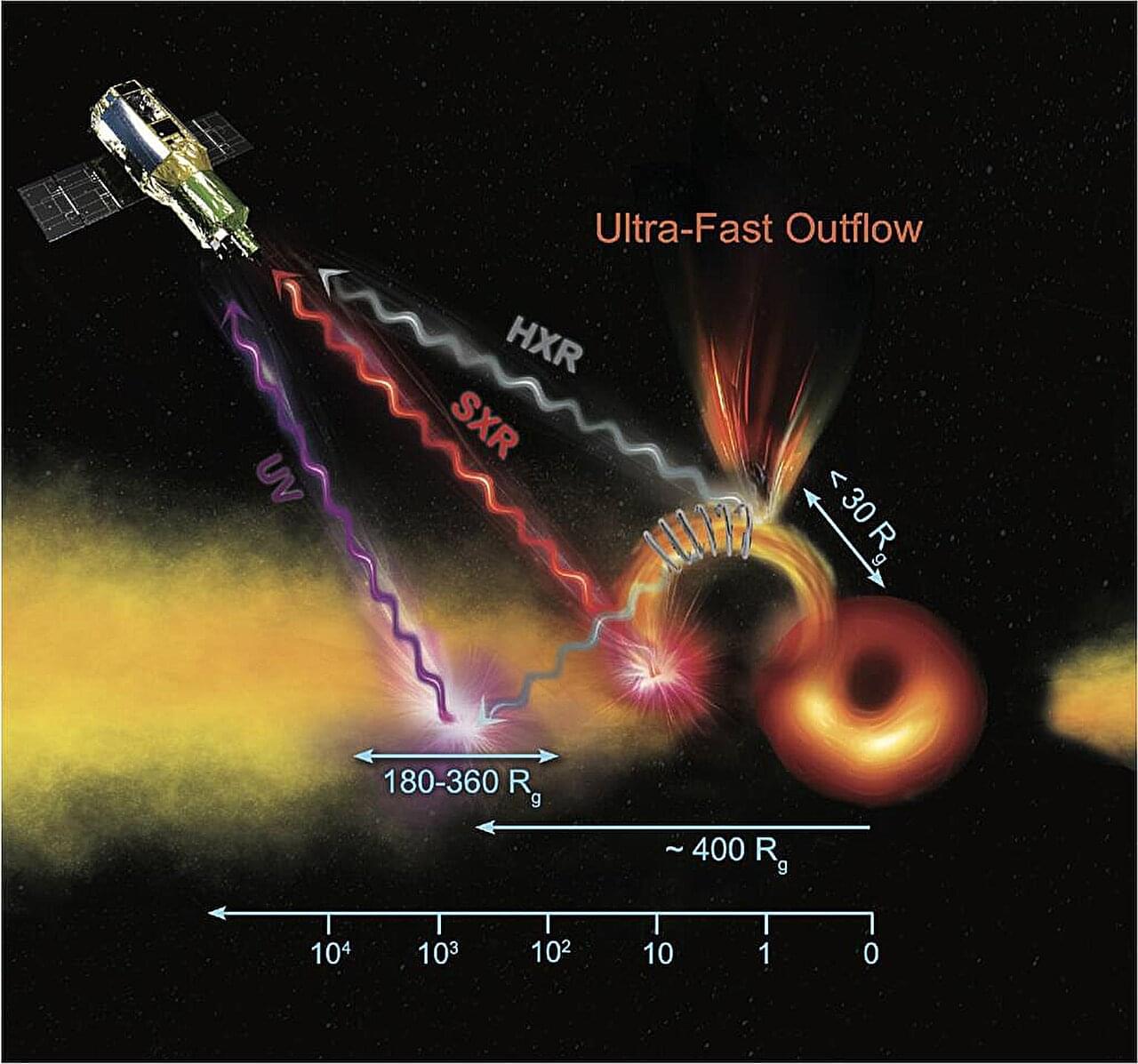
Technion researchers have presented evidence for the existence of solar-storm-like outbursts near supermassive black holes, which can be a million times larger than the sun or more. The phenomenon was discovered in the vicinity of the black hole in the galaxy NGC 3783, and the researchers’ findings were published in The Astrophysical Journal Letters.
The Epoch of Reionization is when radiation from early galaxies and their stars reionized neutral hydrogen and let light travel freely through the cosmos. Some research shows that supernovae helped the process. But new research shows that, though they may have helped initially, supernovae eventually slowed reionization.
Rejuvenation breakthrough: Scientists reverse 60 years of aging in human cells.
Turning Back the Biological Clock.
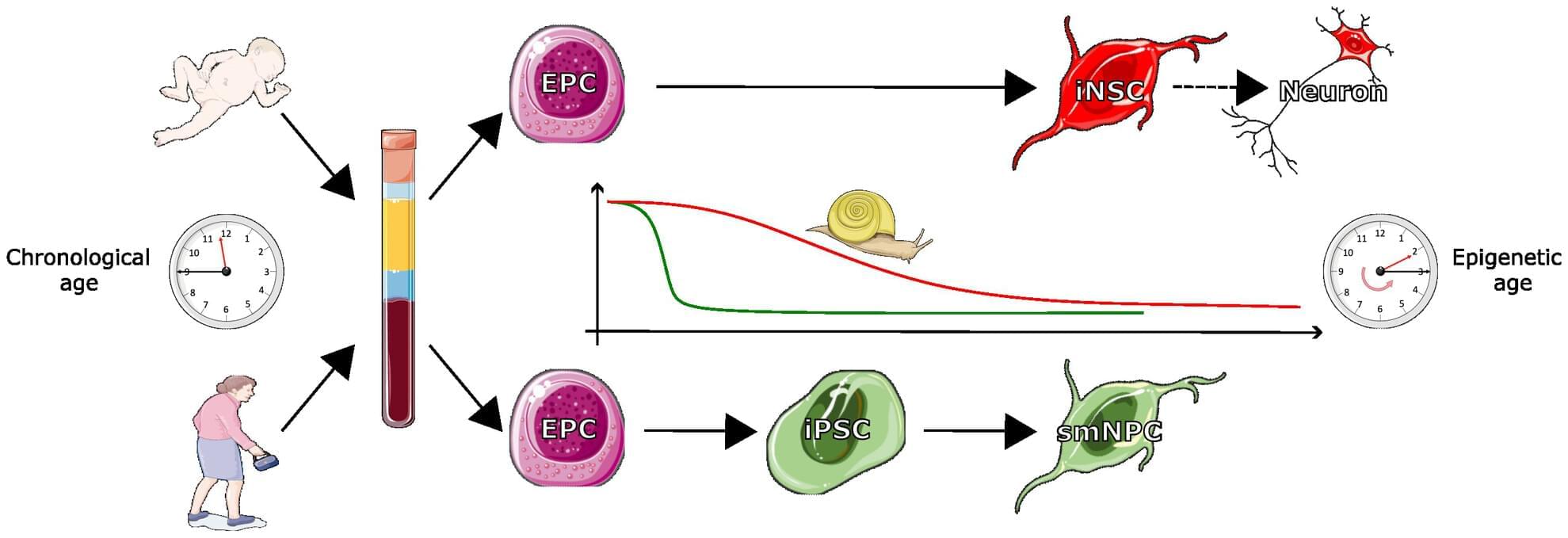
Scientists have long searched for ways to transform ordinary human blood cells into specialized brain stem cells. A major breakthrough in this field is direct conversion—a technique that rewires blood cells directly into induced neural stem cells (iNSCs) using specific cellular master switches (‘SOX2‘ and ‘cMYC‘), completely bypassing the complex embryonic-like pluripotent stage. While researchers knew this process seemed to “wash away” biological aging, key questions remained: How fast does this rejuvenation actually happen, and how completely do these new brain stem cells shed their past?
Key findings: a slow and steady rejuvenation.
To find out, researchers took blood cells from donors across an extraordinary age spectrum—from newborns all the way to a 101-year-old—and turned them into iNSCs. Using epigenetic “aging clock” algorithms that estimate biological age based on DNA modifications, they tracked the transformation over time.
* Dramatic Age Reversal: The blood cells underwent massive epigenetic de-aging. Early-stage converted cells retained only about 13% of the original donor’s age, and as the cells continued to divide, that number dropped to just 5%. A 101-year-old’s blood cell effectively became biologically “young.”
* A Protracted Process: Rejuvenation wasn’t an instant switch. The process unfolded gradually over several weeks—even when cell division was intentionally paused.
AI agents on NVIDIA RTX Spark help developers turn ideas into real-world robots. Astra connects FreeCAD, Blender, and SimReady Foundation to create assets and build training environments in NVIDIA Isaac Sim.
NVIDIA Omniverse RTX and Newton bring perception and physics together, while reinforcement learning in NVIDIA Isaac Lab trains Micro Duck to navigate obstacles. After training in the cloud, its policy is validated in Isaac Sim on RTX Spark, bringing its learned skills from simulation into the real world.
Support this channel on Patreon to help me make this a full time job: / whatdamath (Unreleased videos, extra footage, DMs, no ads) Alternatively, PayPal donations can be sent here: http://paypal.me/whatdamath. Get a Wonderful Person Tee: Amazon: https://amzn.to/3QFIrFX
Hello and welcome! My name is Anton and in this video, we will talk about the origin of two humans brains. Links: https://med.stanford.edu/news/all-new… Previous video: • Lab-Grown Human Brain Cells Can Sense Time… #human #brain #neuroscience.
0:00 Human brain discoveries. 0:50 Not just one organ?! 2:15 How brain initially develops. 3:00 Two different lineages and genes. 4:35 Experiments show even more. 5:35 Implications for neuroscience. 7:10 Ancient evolutionary history. 8:30 Brain atlas confirms 3000+ types of neurons. 9:55 Why is our brain so large? HARs. 11:35 Why this matters for the medical fields. 14:05 Conclusions.
Enjoy and please subscribe.
Bitcoin/Ethereum to spare? Donate them here to help this channel grow! bc1qnkl3nk0zt7w0xzrgur9pnkcduj7a3xxllcn7d4 or ETH: 0x60f088B10b03115405d313f964BeA93eF0Bd3DbF