Toggle light / dark theme

Get the latest international news and world events from around the world.

Log in for authorized contributors

Targeting metabolism to combat anticancer and antibacterial drug resistance

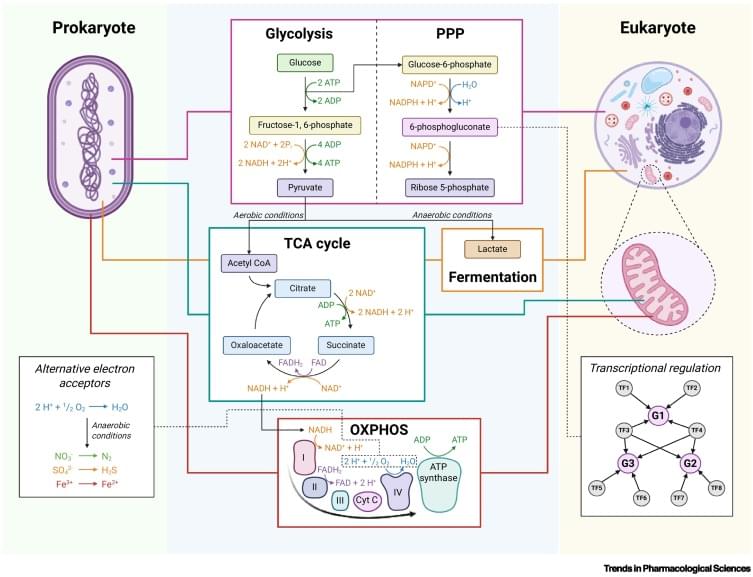
Combating anticancer and antibacterial drug resistance by metabolic targeting.

Bacteria and cancer cells activate defense mechanisms driven by central carbon and amino acid metabolism to overcome drug-induced stress.

Drug tolerance and persistence are driven by a dormant state in bacteria, whereas cancer cells upregulate energy metabolism to withstand prolonged drug exposure.

Biofilms, granulomas, and the tumor microenvironment share hypoxic and acidic conditions, where cells rely on anaerobic and lipid metabolism for survival.

Macrophage immunometabolism influences disease progression in tuberculosis and cancer. Common approaches for overcoming drug resistance include blocking metabolic targets that enhance drug lethality and synergistic drug combinations.

Drug repurposing, dietary interventions, and immunotherapy have shown use in cancer, but their antibacterial potential remains underexplored. sciencenewshighlights ScienceMission https://sciencemission.com/Targeting-metabolism-to-combat-anticancer


Restoring mitochondrial function in dendritic cells to treat cancer

To counteract this effect, researchers introduced dendritic cells with high mitochondrial activity into tumors in preclinical mouse models, restoring immunogenic activity and improving tumor control.

Immunotherapies for cancer, such as immune checkpoint blockade, have greatly improved care for many malignancies, but have not been successful in all cancers. To determine if their findings could help make immunotherapy more effective in tumor-bearing mice, the investigators compared the therapeutic effects of administering dendritic cells with high mitochondrial activity in combination with immune checkpoint blockade with those of either treatment alone.

“We saw the most pronounced therapeutic effect in mice treated with the combination of dendritic cells that had high mitochondrial activity and immune checkpoint blockade,” said co-first author. “Those combinations synergistically slowed or stopped tumor growth and extended survival far more than either treatment alone.”

To test one combination therapy’s long-term effects, the researchers exposed treated mice to a new tumor months later. Those mice also stopped the new tumor’s growth, indicating durable, long-term immune memory was successfully established.

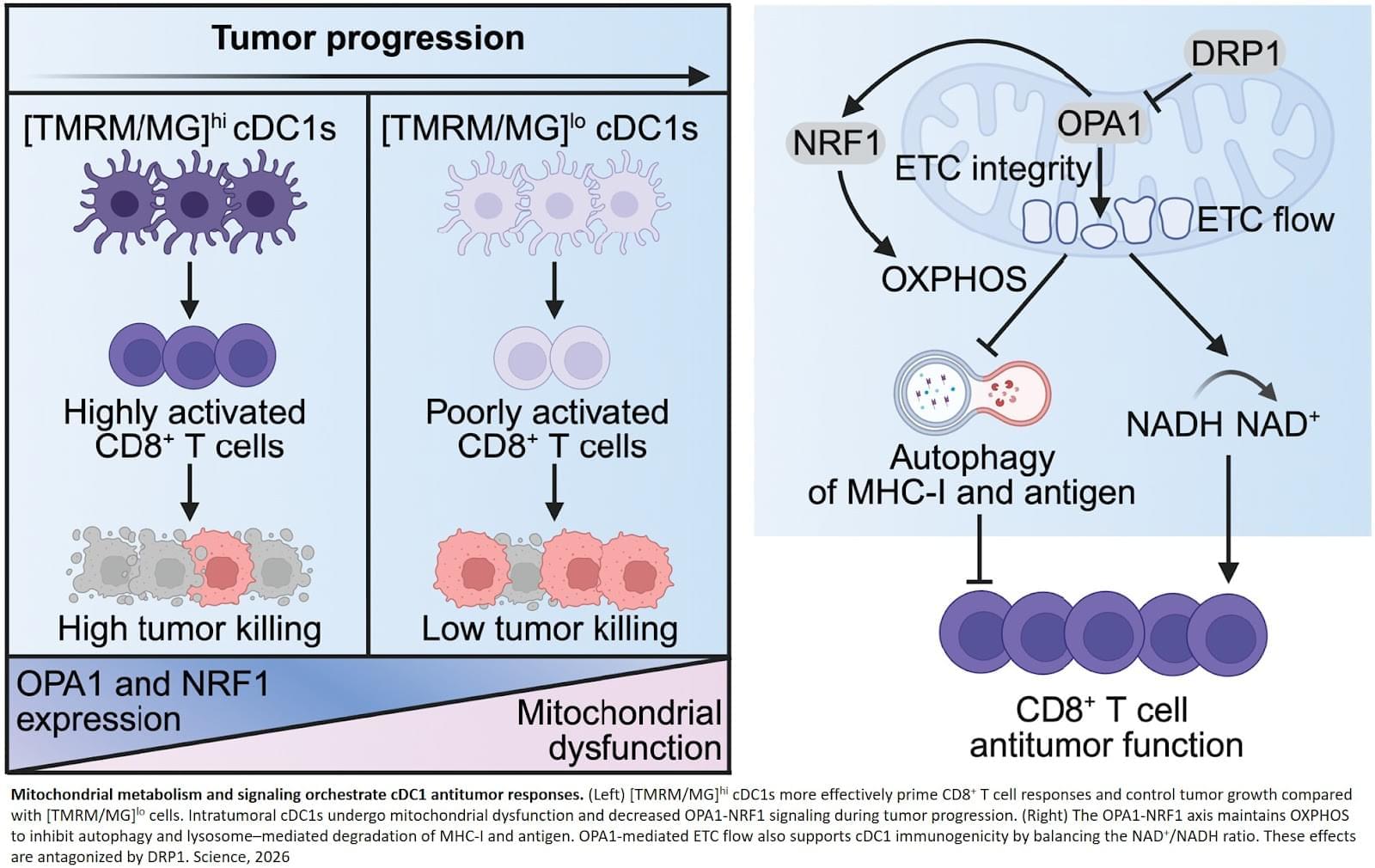
To better understand the relationship between mitochondrial function and dendritic cells, the researchers examined key metabolic pathways affected by the tumor microenvironment. They identified a signaling axis composed of two proteins, OPA1 and NRF1, that regulate communication between mitochondria and the nucleus. Their expression was greatly downregulated in dendritic cells during tumor progression. Within tumors, that circuit’s downregulation acts as a metabolic switch, in effect telling the cell that it is in an energy crisis, leading dendritic cells to shut down their nonessential functions, including immunogenic activity. Science Mission sciencenewshighlights.


Scientists have discovered how tumors disable immune “gatekeeper” cells that alert the rest of the immune system to the presence of cancer — and how restoring their energy production can improve immunotherapy. Dendritic cells activate the cytotoxic immune cells that destroy cancer. The researchers found that tumors reduce dendritic cell function by decreasing their mitochondrial fitness, thus preventing formation of the anticancer immune response.
A new era in childhood obesity

Childhood obesity!

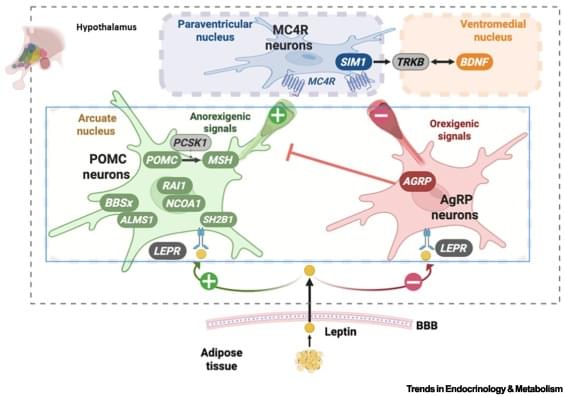
Obesity associated with the melanocortin system can be diagnosed in childhood, including both monogenic and syndromic forms.

Genetic obesity is characterized by early onset and extreme hyperphagia, although there is no precise definition for these features.

Numerous polymalformative syndromes include obesity among their main phenotypic traits. Among these are ciliopathies, in which alterations in the neuronal ciliary system can disrupt hypothalamic proopiomelanocortin neuron signaling, helping to explain the hyperphagia and obesity frequently observed in some of these disorders.

Pharmacological treatment of patients with impairment of the leptin– melanocortin pathway can be classified into specific and nonspecific treatments.

The use of these therapies is expanding to new indications, and additional treatments are under clinical investigation for both monogenic and polygenic obesity sciencenewshighlights ScienceMission https://sciencemission.com/childhood-obesity-19506


Less is more: Reducing zinc to boost derived islet function and survival

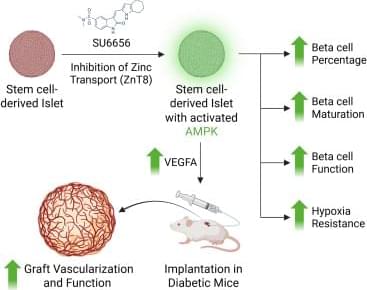
Less is more: Reducing zinc to boost stem cell-derived islet function and survival.


Zinc is required for insulin packaging into secretory granules, yet reduced zinc transporter activity paradoxically enhances beta cell function. In this issue, Wang et al. show that pharmacologic inhibition of zinc transport in stem cell-derived islets activates AMPK signaling and improves maturation, hypoxia resistance, VEGFA expression, and graft performance.

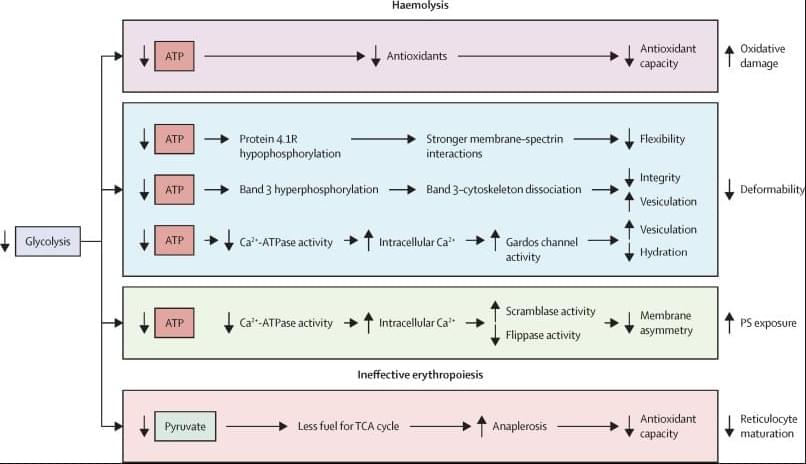
Pyruvate kinase activators in hereditary haemolytic anaemias: current evidence and clinical potential

Glycogen and lactate metabolism in mouse fetal Sertoli cells sustain the germ line.


Estermann and Sheheen et al. identified a metabolic coupling between fetal Sertoli and germ cells in mice, driven by glycogen breakdown and lactate transport through the MCT4/MCT1 shuttle. This interaction is essential to support fetal germ cell development.

Beyond the AI Hype: When Will We Know We’ve Reached AGI?

When NVIDIA founder and CEO Jensen Huang told podcaster Lex Fridman in a recent interview that he thinks we have already achieved AGI, I understood why the statement landed with such force. Today’s systems are impressive, useful, and often psychologically persuasive. They can create the feeling that the threshold has already been crossed. But my answer is no: we have not achieved AGI just yet. In my 2026 book, SUPERALIGNMENT: The Three Approaches to the AI Alignment Problem — How to Ensure the Arrival of Benevolent Artificial Superintelligence Aligned with Human Goals and Values, I argue that AGI should not be declared based on hype, surprise, or market excitement. It should be recognized only when three far more meaningful benchmarks are met.

In fact, one of the reasons this debate keeps spiraling into confusion is that we have been trapped for years in the “moving goalposts” problem. By practical conversational standards, machines passed the Turing test long ago. But every time AI masters a previously “human-exclusive” capacity—dialogue, strategy, writing, even emotional style—many observers simply redefine that achievement as mere automation. That is precisely why I reject unstable, psychology-based thresholds. If our benchmark is just whatever still makes humans feel uniquely special, then AGI will always remain one step away by definition.

That is why, in SUPERALIGNMENT, I start with operational definitions of AGI and ASI. For me, AGI is not merely a system that performs well across many cognitive tasks. It is a system that can generalize knowledge across domains, reason abstractly, adapt to open and uncertain environments, transfer learned knowledge to novel contexts, and introspect on its own reasoning. In other words, AGI is not just impressive breadth. It is flexible, self-reflective generality at par with or above human capabilities. That is a much higher bar than what most people mean when they casually say, “AI is already general.”

A 200-year-old light trick just transformed quantum encryption

Scientists have unveiled a new approach to ultra-secure communication that could make quantum encryption simpler and more efficient than ever before. By harnessing a 19th-century optics phenomenon called the Talbot effect, researchers developed a system that sends information using multiple states of single photons instead of just two, dramatically boosting data capacity. Even more impressive, the setup works with standard components and requires only a single detector, reducing cost and complexity.

/* */