Toggle light / dark theme

Get the latest international news and world events from around the world.

Log in for authorized contributors

New microscopy technique preserves the cell’s natural conditions

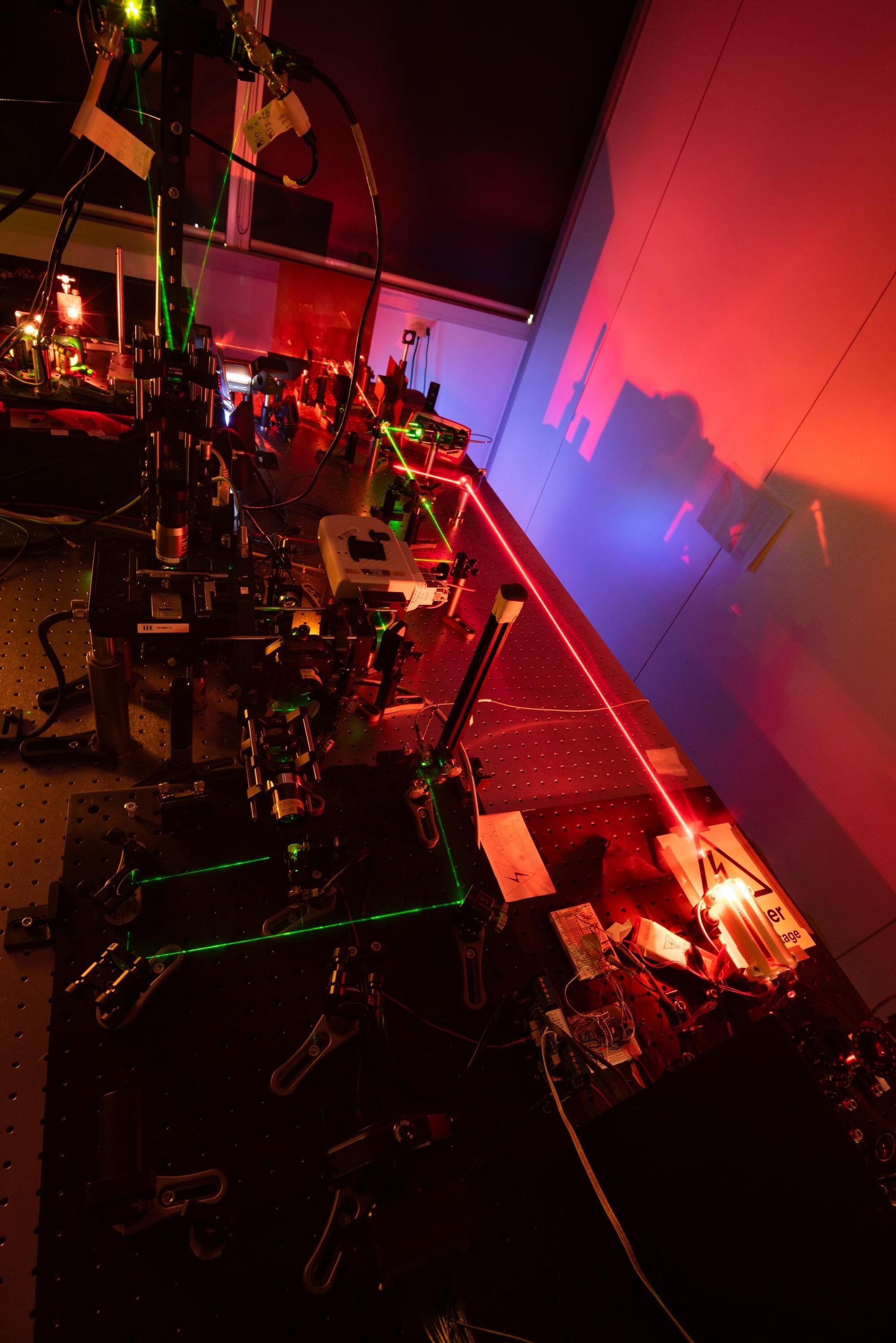
Researchers at Istituto Italiano di Tecnologia (IIT-Italian Institute of Technology) have developed an innovative microscopy technique capable of improving the observation of living cells. The study, published in Optics Letters, paves the way for a more in-depth analysis of numerous biological processes without the need for contrast agents. The next step will be to enhance this technique using artificial intelligence, opening the door to a new generation of optical microscopy methods capable of combining direct imaging with innovative molecular information.

The study was conducted under the guidance of Alberto Diaspro, Research Director of the Nanoscopy Unit and Scientific Director of the Italian Nikon Imaging Center at IIT, by Nicolò Incardona (first author) and Paolo Bianchini.
Temporal anti-parity–time symmetry offers new way to steer energy through systems

The movement of waves, patterns that carry sound, light or heat, through materials has been widely studied by physicists, as it has implications for the development of numerous modern technologies. In several materials, the movement of waves depends on a physical property known as parity-time (PT) symmetry, which combines mirror-like spatial symmetry with a symmetry in a system’s behavior when time runs forward and backwards.

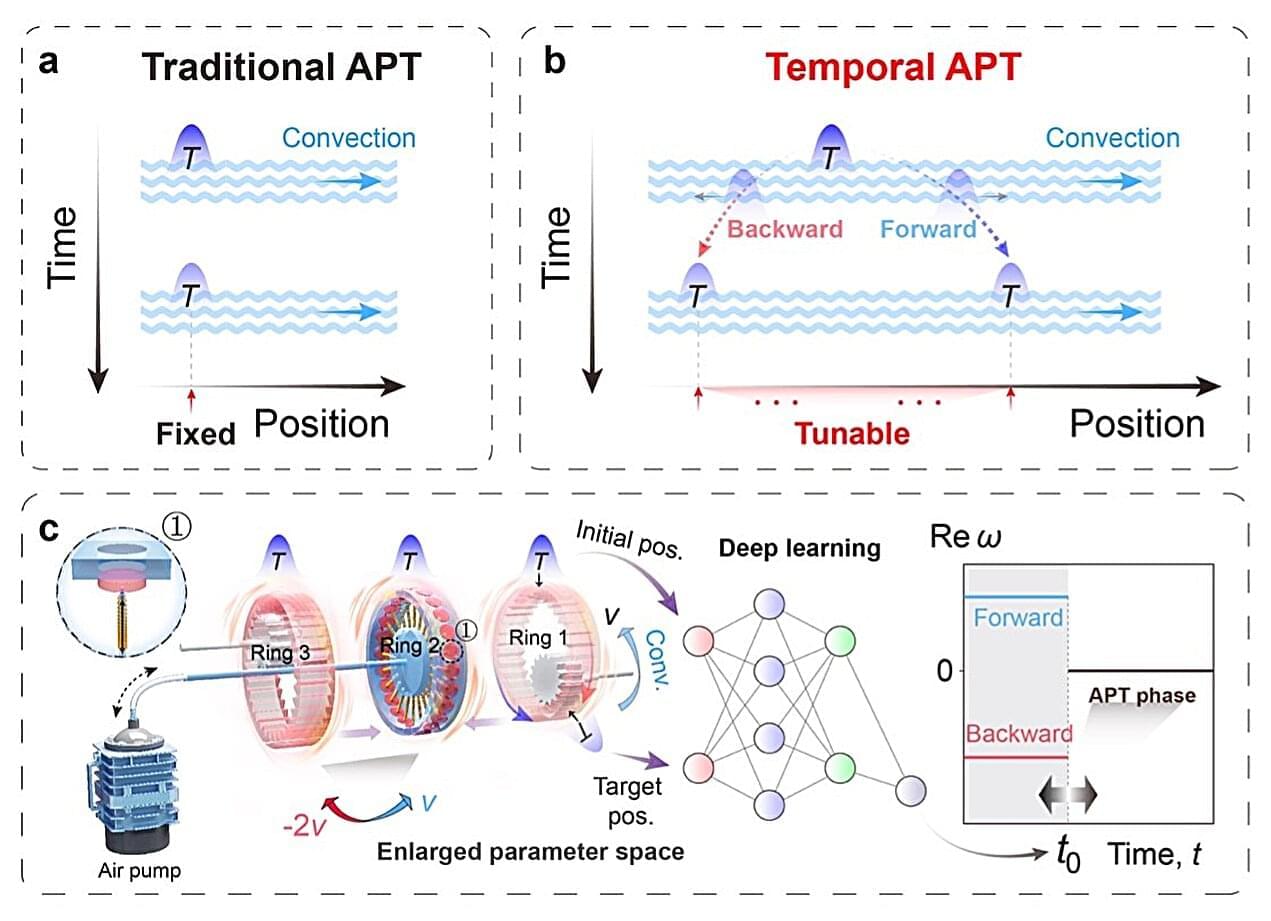
Systems with PT symmetry can suddenly alter their behavior when they pass specific thresholds known as phase transitions, where they shift from balanced to unbalanced states. So far, systems exhibiting PT symmetry are mostly static, meaning that they exhibit fixed properties over time.

In Nature Physics, researchers at University of Shanghai for Science and Technology, Fudan University and National University of Singapore introduce a new concept called temporal anti-parity–time (APT) symmetry, which delineates more clearly both where and when a phase transition happens in a non-Hermitian system, a system that exchanges energy with its surroundings.

Chemist proposes shared ‘model proteins’ to improve reproducibility in protein science

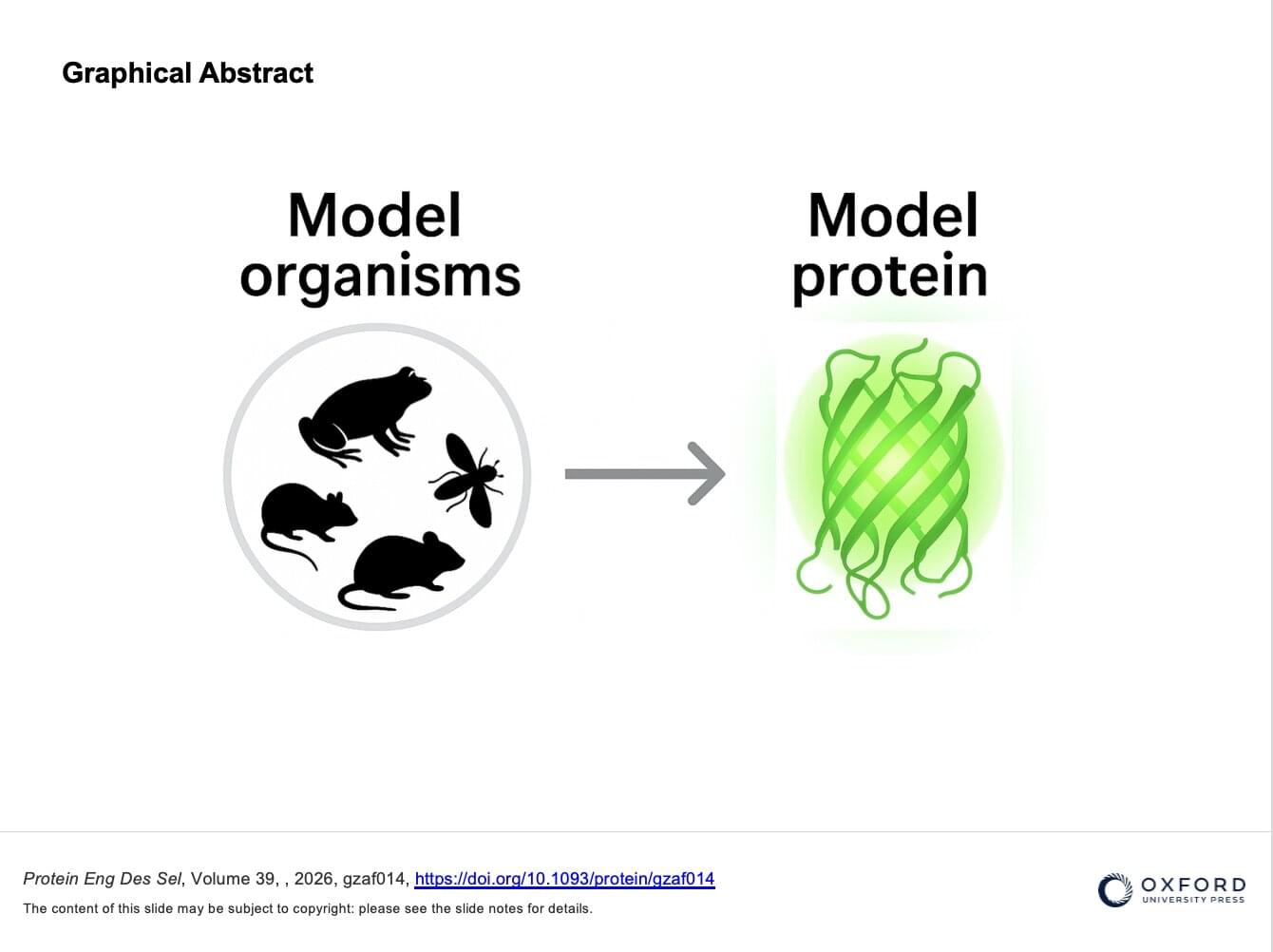
Protein scientists could improve reproducibility and coordination across the field by rallying around a small, shared set of “model proteins,” according to a new Perspective by Connecticut College chemist Marc Zimmer.

The article appears in the 40th-anniversary issue of Protein Engineering, Design and Selection. Zimmer argues that protein science is ready to adopt a framework similar to the one that transformed research using model organisms such as fruit flies, mice, yeast and C. elegans.

Those organisms became powerful research tools not only because their biology is conserved, Zimmer notes, but because scientific communities coordinated around them. Shared protocols, databases and benchmarks made results easier to compare, reproduce and build upon.

Slowing down muon decay with short laser pulses

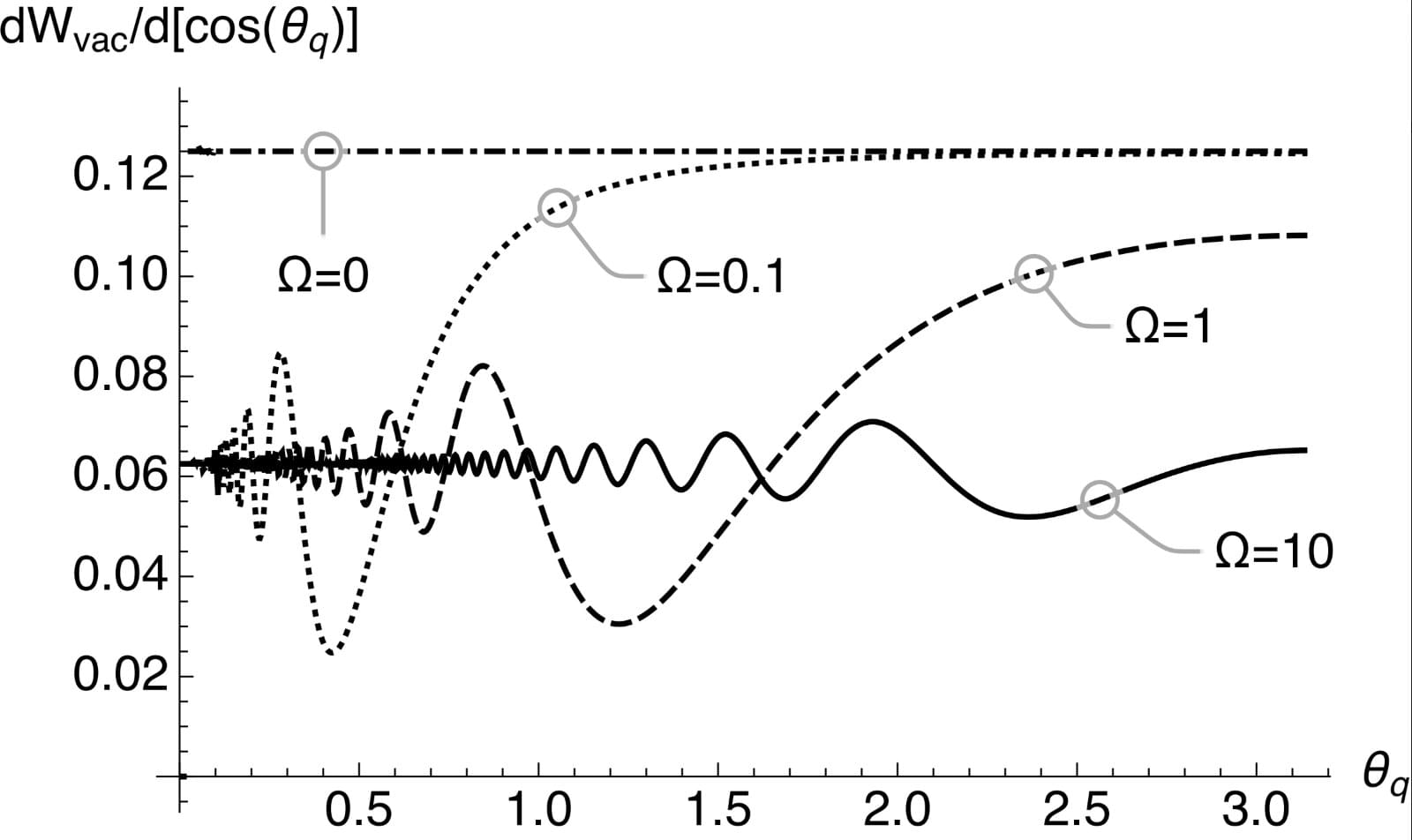
Muons are unstable subatomic particles that spontaneously and rapidly transform into other particles via a process known as electroweak decay. Altering the speed with which muons decay into other particles was so far deemed a challenging quest, requiring very strong electromagnetic fields that cannot be produced in conventional laboratory settings.

Researchers at the University of Plymouth, however, explored the possibility of influencing muon decay using short laser pulses. Their paper, published in Physical Review Letters, suggests that the behavior of muons can be altered when they pass through laser beams, an effect that could, in principle, also be achieved using laboratory lasers.

“Records are regularly being set for the highest intensity electromagnetic fields we can produce in the lab,” Dr. Ben King, co-author and Associate Professor of Theoretical Physics at the University of Plymouth, told Phys.org.

Exploring metabolic noise opens new paths to better biomanufacturing

Much like humans, microbial organisms can be fickle in their productivity. One moment they’re cranking out useful chemicals in vast fermentation tanks, metabolizing feed to make products from pharmaceuticals and supplements to biodegradable plastics or fuels, and the next, they inexplicably go on strike.

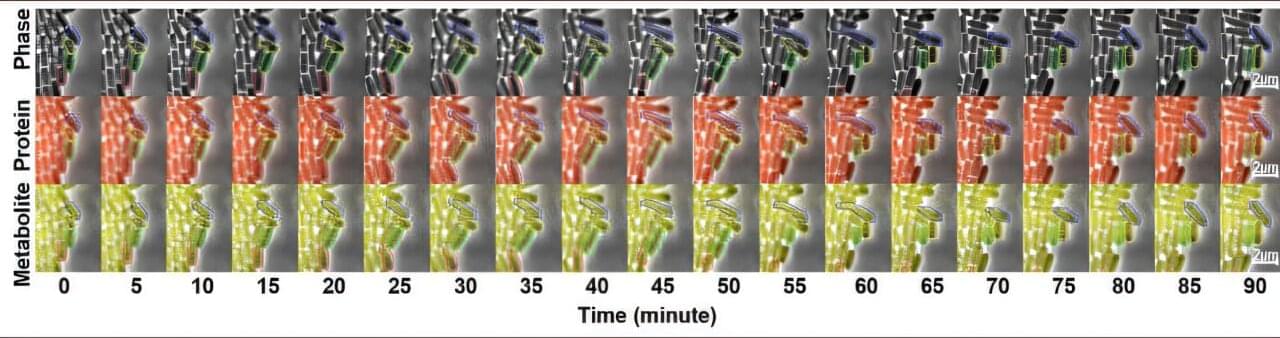
Engineers at Washington University in St. Louis have found the source of the fluctuating metabolic activity in microorganisms and developed tools to keep every microbial cell at peak productivity during biomanufacturing.

The work, published in Nature Communications, tracks hundreds of E. coli cells as they produce a yellow food pigment—betaxanthin—while growing, dividing and carrying out normal metabolic activities.

Hidden magma oceans could shield rocky exoplanets from harmful radiation

Deep beneath the surface of distant exoplanets known as super-Earths, oceans of molten rock may be doing something extraordinary: powering magnetic fields strong enough to shield entire planets from dangerous cosmic radiation and other harmful high-energy particles.

Earth’s magnetic field is generated by movement in its liquid iron outer core—a process known as a dynamo—but larger rocky worlds like super-Earths might have solid or fully liquid cores that cannot produce magnetic fields in the same way.

In a paper published in Nature Astronomy, University of Rochester researchers, including Miki Nakajima, an associate professor in the Department of Earth and Environmental Sciences, report an alternative source: a deep layer of molten rock called a basal magma ocean (BMO). The findings could reshape how scientists think about planetary interiors and have implications for the habitability of planets beyond our solar system.

Do-it-yourself ammonia production: Renewable-powered system uses calcium to reduce emissions and scale for farmers

The last time you scrubbed a streaky window or polished a porcelain appliance, you probably used a chemical called ammonia.

Also known as ammonium hydroxide when mixed with water, ammonia is more than a common household cleaner. More than 170 million metric tons of it are produced globally every year, with most of it ending up as fertilizer for corn, cotton and soybeans.

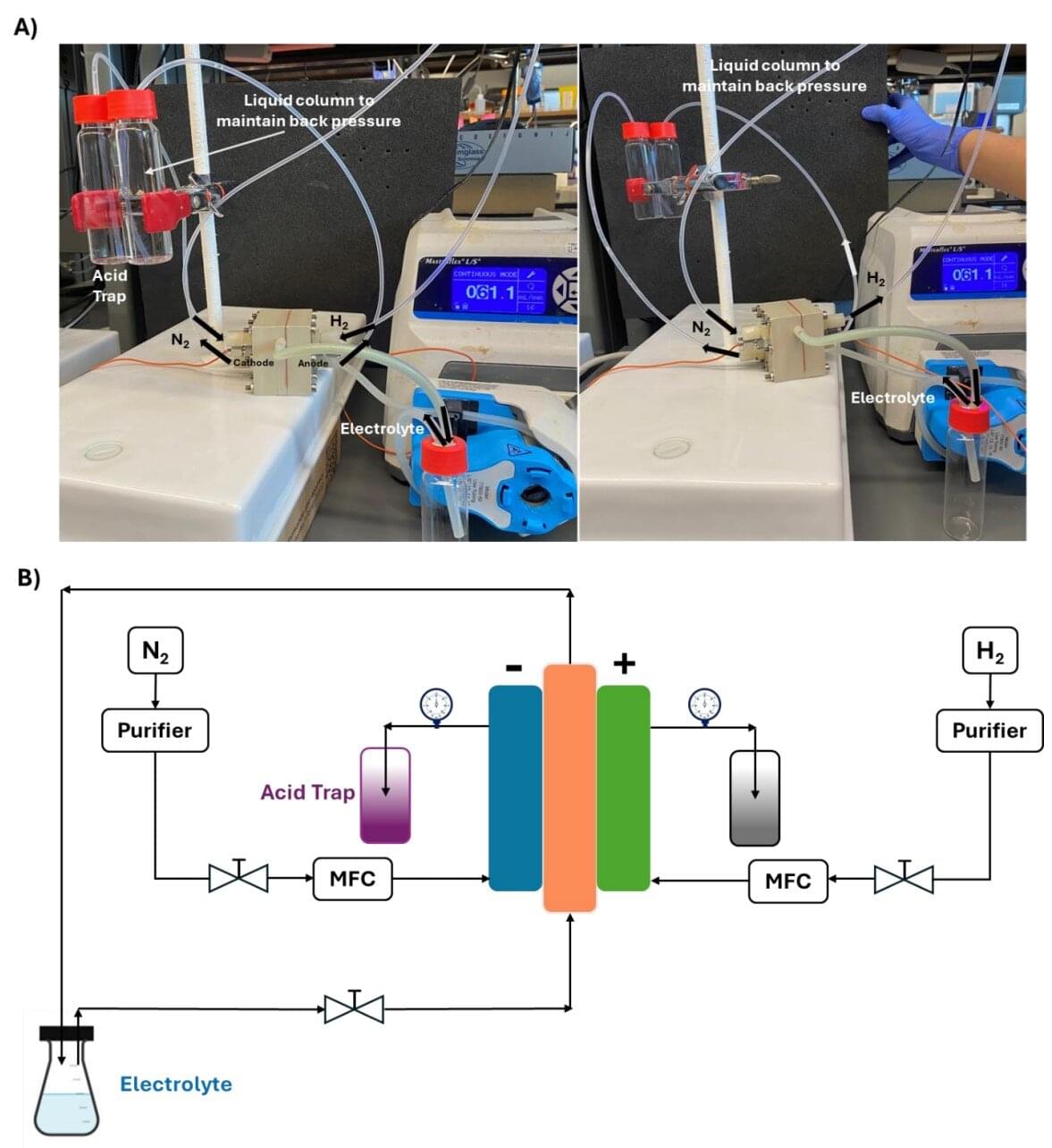
UIC researchers are scaling up a system for farmers to produce ammonia in their own backyards. The method, which uses renewable electricity and Earth’s natural resources, appears in the journal Proceedings of the National Academy of Sciences.

New spectroscopic method reveals ion’s complex nuclear structure

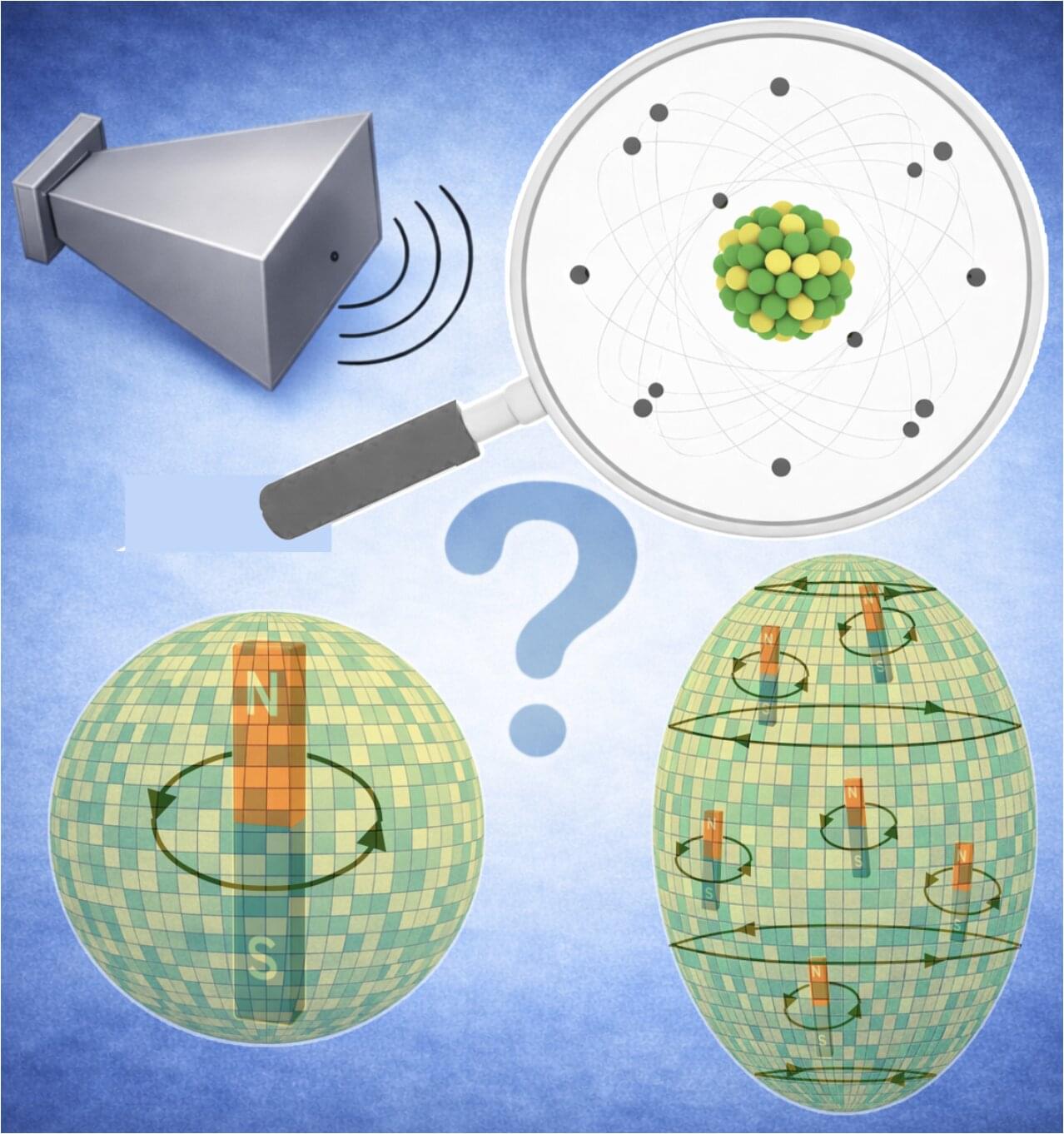
Different atoms and ions possess characteristic energy levels. Like a fingerprint, they are unique for each species. Among them, the atomic ion 173 Yb+ has attracted growing interest because of its particularly rich energy structure, which is promising for applications in quantum technologies and searches for so-called new physics. On the flip side, the complex structure that makes 173 Yb+ interesting has long prevented detailed investigations of this ion.

Now, researchers from PTB, TU Braunschweig, and the University of Delaware have taken a closer look at the ion’s energy structure. To achieve this, they trapped a single 173 Yb+ ion and developed methods for preparing and detecting its energy state despite the complicated energy structure. This enabled high-resolution laser and microwave spectroscopy. The research is published in the journal Physical Review Letters.

In particular, the researchers investigated energy shifts arising from interactions between the nucleus and its surrounding electrons, also called hyperfine structure. Combined with first-principle theory calculations, the precise measurement results yielded new information about the ion’s nucleus.

When lightning strikes: Models of multi-ignition wildfires could predict catastrophic events

Multi-ignition wildfires are not overly common. But when individual fires do converge, the consequences can be catastrophic. The largest fire on record in California, the 2020 August Complex fire, grew from the coalescence of 10 separate ignitions.

In a new study, published in Science Advances, researchers at Lawrence Livermore National Laboratory (LLNL), the University of California (UC), Irvine and collaborators examine multi-ignition fires, calculating their impact and modeling the mechanisms behind them by leveraging the Department of Energy’s flagship Energy Exascale Earth System Model (E3SM). The work shows that when flames combine, they are disproportionately destructive: They spread faster, last longer, generate stronger atmospheric events and strain firefighting resources.

In California, the study found that multi-ignition fires make up only 7% of the total number of fires, but they contribute to 31% of the burned area in the state.

Soft, 3D transistors could host living cells for bioelectronics

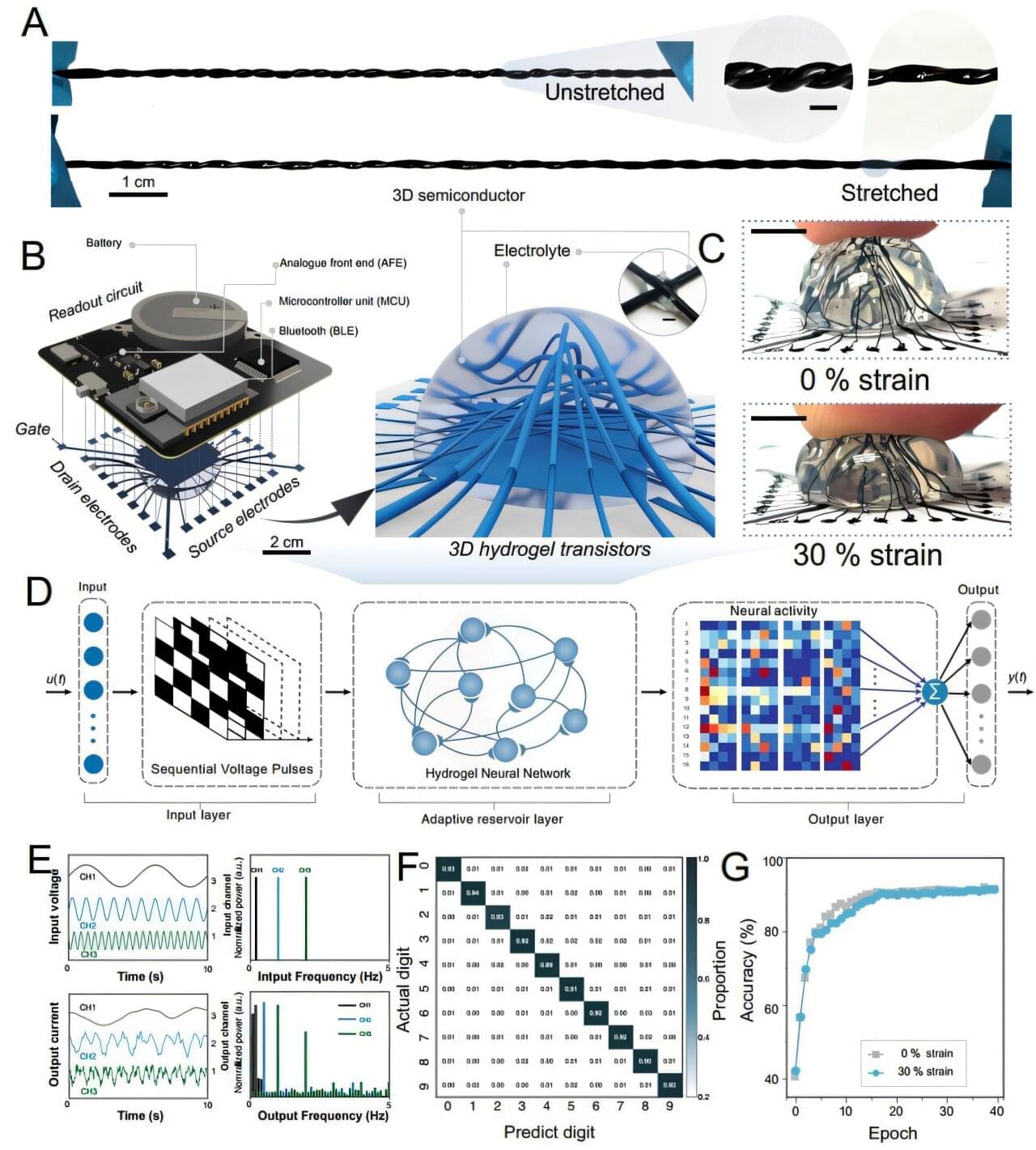
New research from the WISE group (Wearable, Intelligent, Soft Electronics) at The University of Hong Kong (HKU-WISE) has addressed a long-standing bioelectronic challenge: the development of soft, 3D transistors.

This work introduces a new approach to semiconductor device design with transformative potential for bioelectronics. It is published in Science.

Led by Professor Shiming Zhang from the Department of Electrical and Electronic Engineering, Faculty of Engineering, the research team included senior researchers who joined HKU-WISE from the University of Cambridge and the University of Chicago, together with HKU Ph.D. students and undergraduate participants—an international, inclusive, and dynamic research community.

/* */