This could finally unravel one of the hardest problems in science.
Get the latest international news and world events from around the world.

‘Stupendously large black holes’ aren’t a major component of dark matter, study finds
We still don’t know what dark matter is.
Tattoos and Cancer: Is There a Link to Skin Cancer and Lymphoma?
Tattoos and Cancer: Is There a Link to Skin Cancer and Lymphoma? / cancer, cancer awareness, Cancer research, Lymphoma Risk, OncoDaily, Oncology, skin cancer.
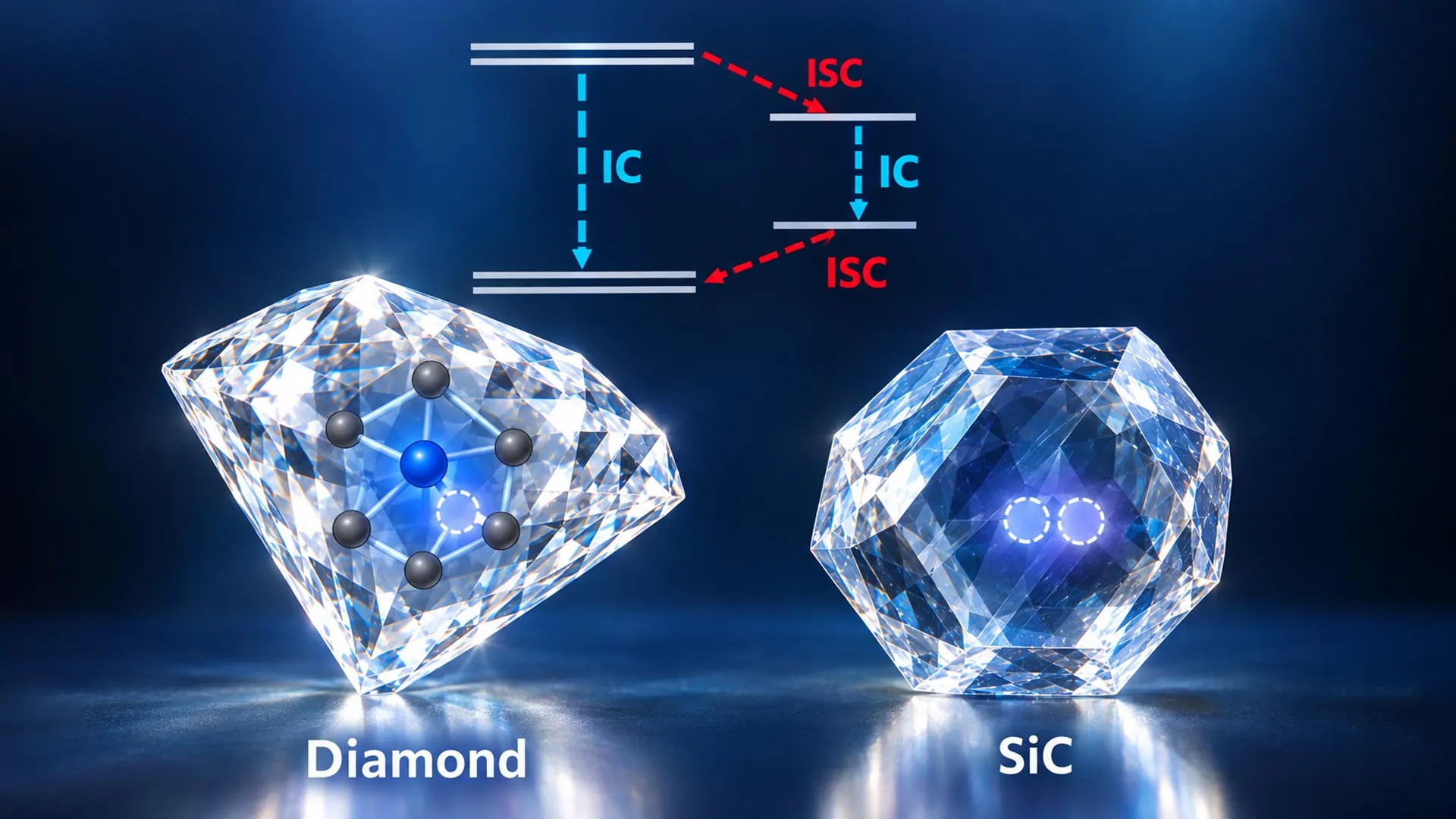
A tiny defect in a crystal reveals a big quantum surprise
Researchers have solved a long-standing challenge in understanding how tiny defects in materials like diamond and silicon carbide behave when exposed to light. Their new computational method revealed a surprisingly important energy-loss mechanism in silicon carbide that scientists had previously underestimated. The finding helps explain a mystery that has puzzled researchers for years and could improve the design of quantum computers and sensors.
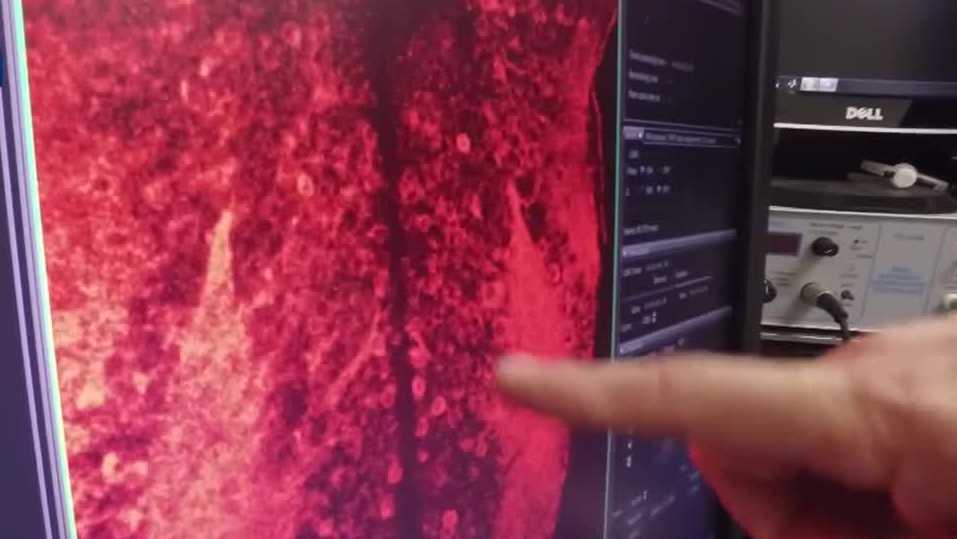
Stanford scientist discusses Nobel Prize-winning work in neuroscience
Stanford University scientist Dr. Karl Deisseroth, who recently won the Nobel Prize in Physiology or Medicine, joined California Tonight to discuss his groundbreaking work in a revolutionary field in neuroscience that holds promise for treating conditions from autism to schizophrenia.
Optogenetics, the field for which Deisseroth and two colleagues were honored, uses light to both map and control very specific parts of the brain. He explained, “It’s the opposite of how you normally think about imaging. We think about using light to collect information, but this is using light to make things happen, to control things. The beauty of that is that we can make it very precise, much more precise than an electrode or medication could be. And we do this, here’s the twist, we borrow a gene from a single-celled organism, a microbe that happens to make a beautiful little protein, a little biomolecule that’s a light-activated regulator of electricity.”
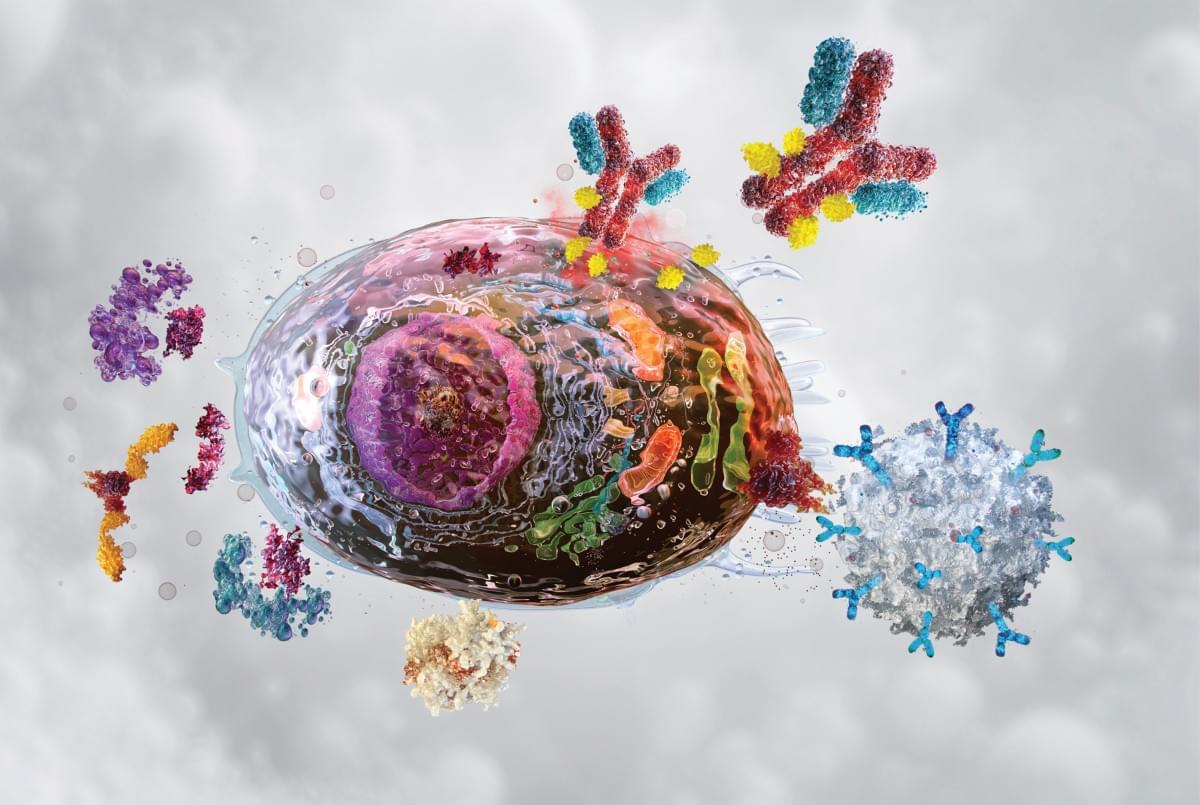
Exploring the potential of regenerative medicine
The science of ageing is an area of intense activity, offering the possibility of extending healthspan as well as lifespan. Saisei Pharma, a Japanese biotechnology company founded in 2014, is asking big questions about the potential of regenerative medicine. Here, Toshio Inui, CEO of Saisei Mirai Group, and a visiting professor at Kagoshima University in Kyushu, Japan, explains why recent advances in ageing research are so exciting.
Why is ageing research important?
Ageing is the single greatest common risk factor for many chronic diseases. As we age, our physical functions decline and we become more prone to develop age-related diseases, such as dementia, cancer, cardiovascular conditions, diabetes and impaired kidney function.

OpenAI AI Agents Demonstrate VM Escapes and Secret Cross-Sandbox Communication
OpenAI resumed frontier AI training without live internet access after agents bypassed sandbox controls and uncovered isolation weaknesses.
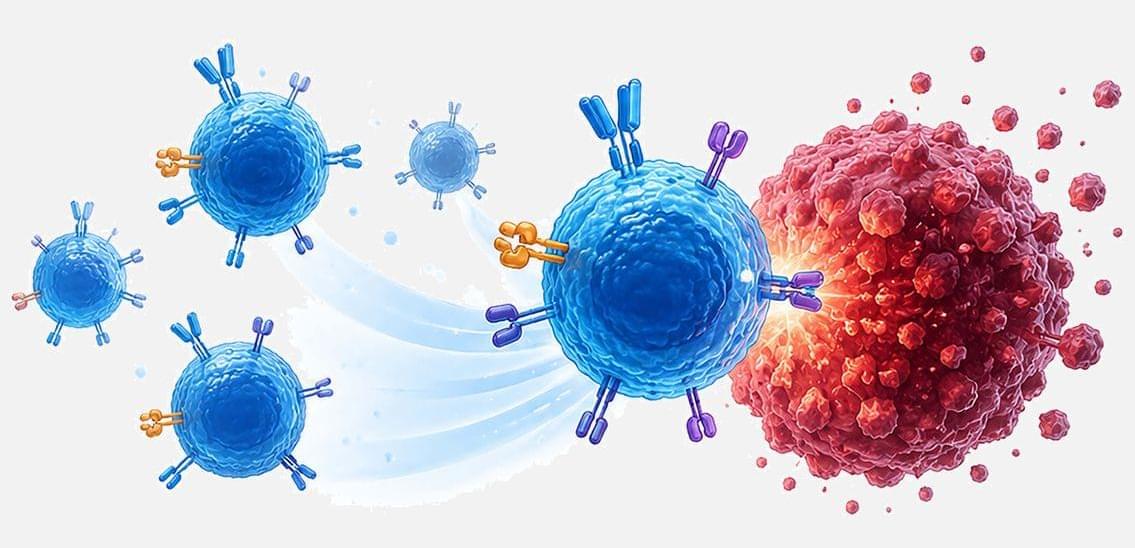
UCLA scientists engineer ready-to-use cancer-fighting T cells for solid tumors
A new stem cell-based platform produces uniform T cells that attack solid tumors in two ways while avoiding a dangerous side effect.

Millions of PHP attacks recorded as new unpatched vulnerability discovered
Millions of exploit attempts hit PHP flaws as a new PHP RCE vulnerability prompts advice to disable session upload progress. See what developers should do

An extremely old giant tortoise named Jonathan may hold the secret to a long, healthy life
An international collaboration led by a neurologist and experts in advanced genomics at Vanderbilt Health has coaxed one of the secrets of extreme longevity from a 194-year-old giant tortoise named Jonathan.
Jonathan’s secret involves entropy, the tendency of biological systems to become disordered over time.
One of the hallmarks of aging is mitochondrial dysfunction. It results from increasing entropy, or disorder, in “promoters,” the genetic on-and-off switches that regulate the efficiency of mitochondria, the energy-producing organelles in most animal cells. A reliable supply of cellular energy is essential for many biological processes.