Toggle light / dark theme

Get the latest international news and world events from around the world.

Log in for authorized contributors

Navia discloses data breach impacting 2.7 million people

Navia Benefit Solutions, Inc. (Navia) is informing nearly 2.7 million individuals of a data breach that exposed their sensitive information to attackers.

An investigation into the incident revealed that the hackers had access to the organization’s systems between December 22, 2025, and January 15, 2026. However, the company discovered the suspicious activity on January 23.

Navia says that it responded immediately and launched an inquiry to determine the potential impact of the incident.

New ‘PolyShell’ flaw allows unauthenticated RCE on Magento e-stores

A newly disclosed vulnerability dubbed ‘PolyShell’ affects all Magento Open Source and Adobe Commerce stable version 2 installations, allowing unauthenticated code execution and account takeover.

There are no signs of the issue being actively exploited in the wild, but eCommerce security company Sansec warns that “the exploit method is circulating already” and expects automated attacks to start soon.

Adobe has released a fix, but it is only available in the second alpha release for version 2.4.9, leaving production versions vulnerable. Sansec says that Adobe offers a “sample web server configuration that would largely limit the fallout,” but most stores rely on a setup from their hosting provider.

Survey: What are neuroscience’s most transformative new tools?

A nicely organized list of what various investigators highlight as the most transformative neuroscience tools from the past 5 years!


Which new tools—including artificial intelligence, deep-learning methods, genetic tools and advanced neuroimaging—are making the largest impact?

Using mRNA to Fight Tau Aggregation in Alzheimer’s

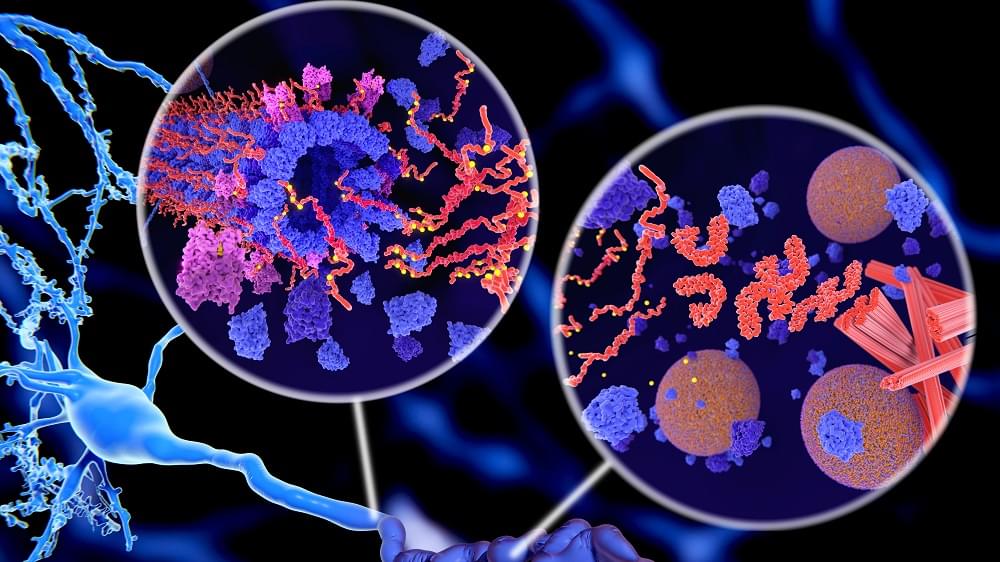
Researchers publishing in Cell Reports Medicine have described the development of a lipid nanoparticle (LNP) that delivers mRNA to neurons in order to stop the formation of tau aggregates and fight Alzheimer’s disease.

Tau and amyloids

Amyloid beta deposition between neurons and tau aggregation within neurons are both hallmarks of Alzheimer’s disease, and evidence suggests that the latter is potentially more significant than the former [1]. While some potential therapies have been discovered that may disaggregate these tau tangles after they have formed [2], no therapy has yet been approved by the FDA to do this.

How ageing promotes metastasis

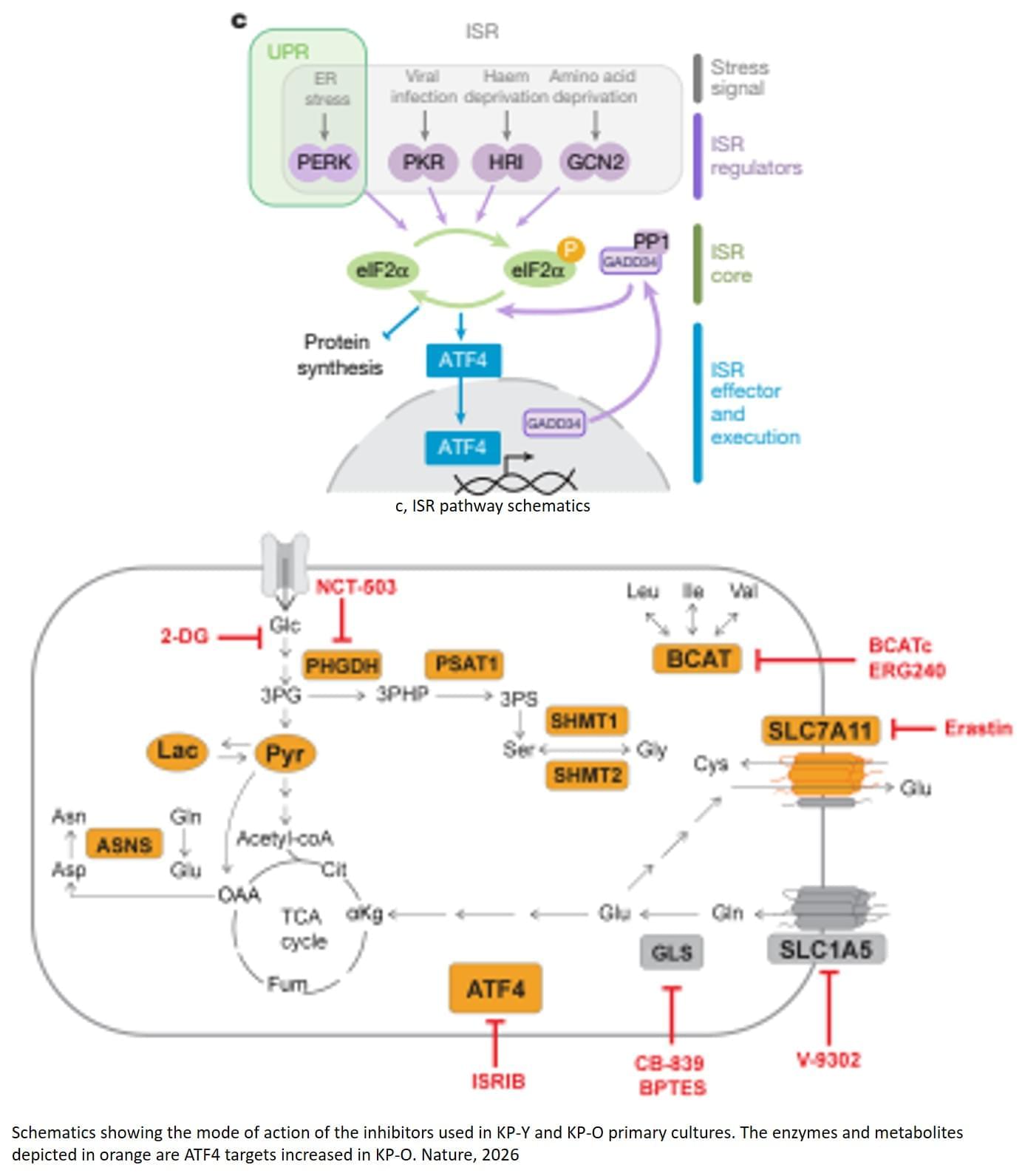
The study shows how aging alters the biology of lung cancer and makes tumors more prone to spreading. The researchers identified a molecular signaling pathway, a complex chain of reactions and interactions, in which a specific stress-response protein, ATF4, plays a central role.

Under normal physiological conditions, ATF4 acts as a hub for the “integrated stress response” that responds to events such as nutrient deprivation, viral particles, or the accumulation of misfolded proteins, activating protective and corrective responses, explains the author.

“In older patients, this stress response is hijacked by the tumor, allowing cancer cells to reprogram their metabolism. The tumor does not grow faster, but this metabolic rewiring enables the cancer cells to spread and form metastases in other parts of the body,” the author says.

Tumors from older individuals in the study, both mice and humans, showed higher levels of ATF4. High ATF4 levels were also associated with increased recurrence after lung surgery and poorer survival among patients with lung adenocarcinoma, the most common form of lung cancer.

“Our results suggest that ATF4 is not only part of the mechanism behind the spread of lung cancer but may also serve as a marker of more aggressive disease,” says another author.

The study opens the door to a treatment strategy targeting the age-related signaling system that the tumor has hijacked. By blocking ATF4, or a specific metabolic process controlled by ATF4, with drugs, the researchers were able to dramatically reduce the spread of old tumors in mice.

Previously, it has been unclear why studies using similar drugs have largely failed when tested in humans. The new findings suggest that these treatments may need to be targeted more precisely to the right patient groups. ScienceMission sciencenewshighlights.


Validation of the MOG-AR ScoreA Retrospective Multicenter Study

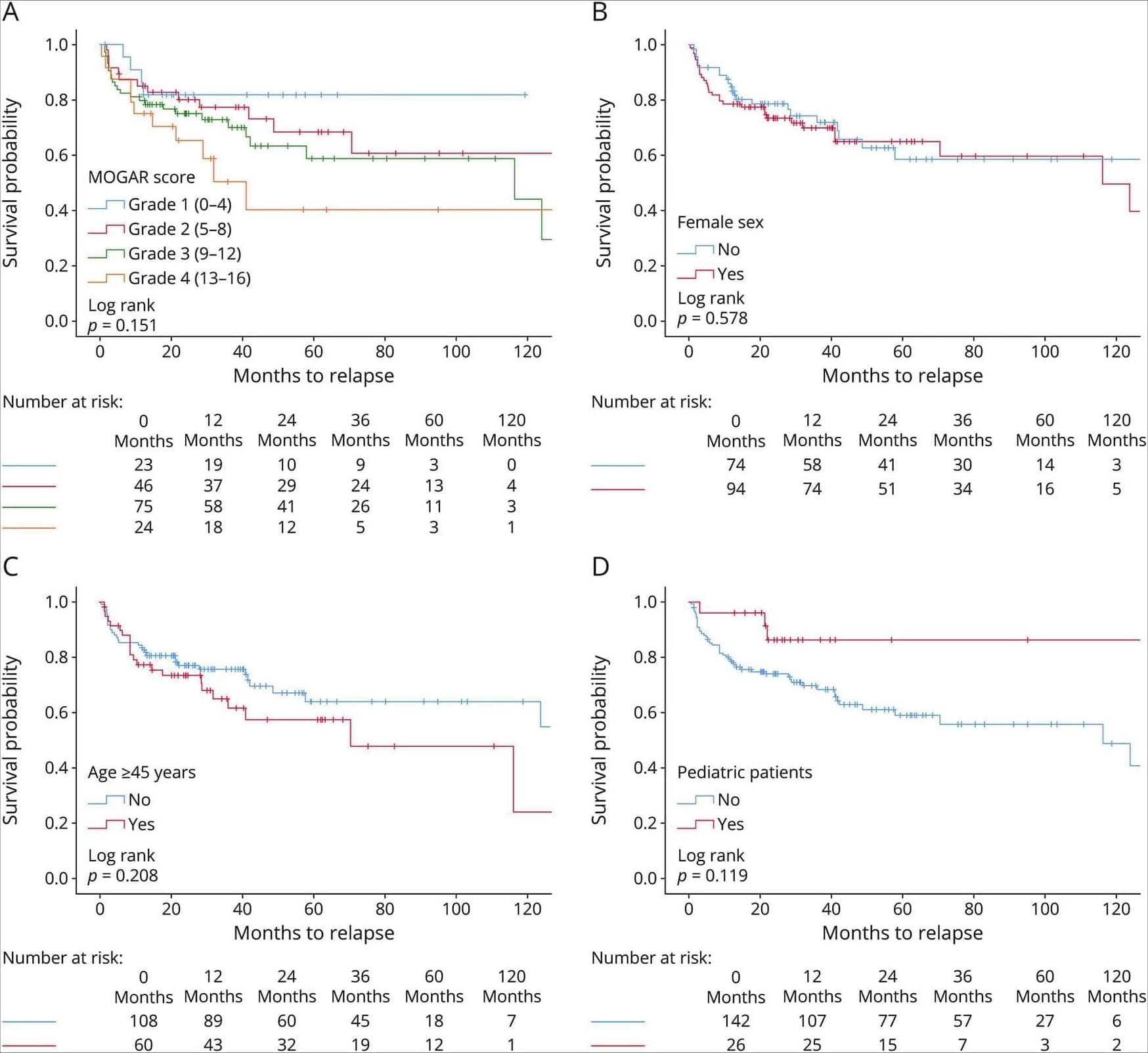
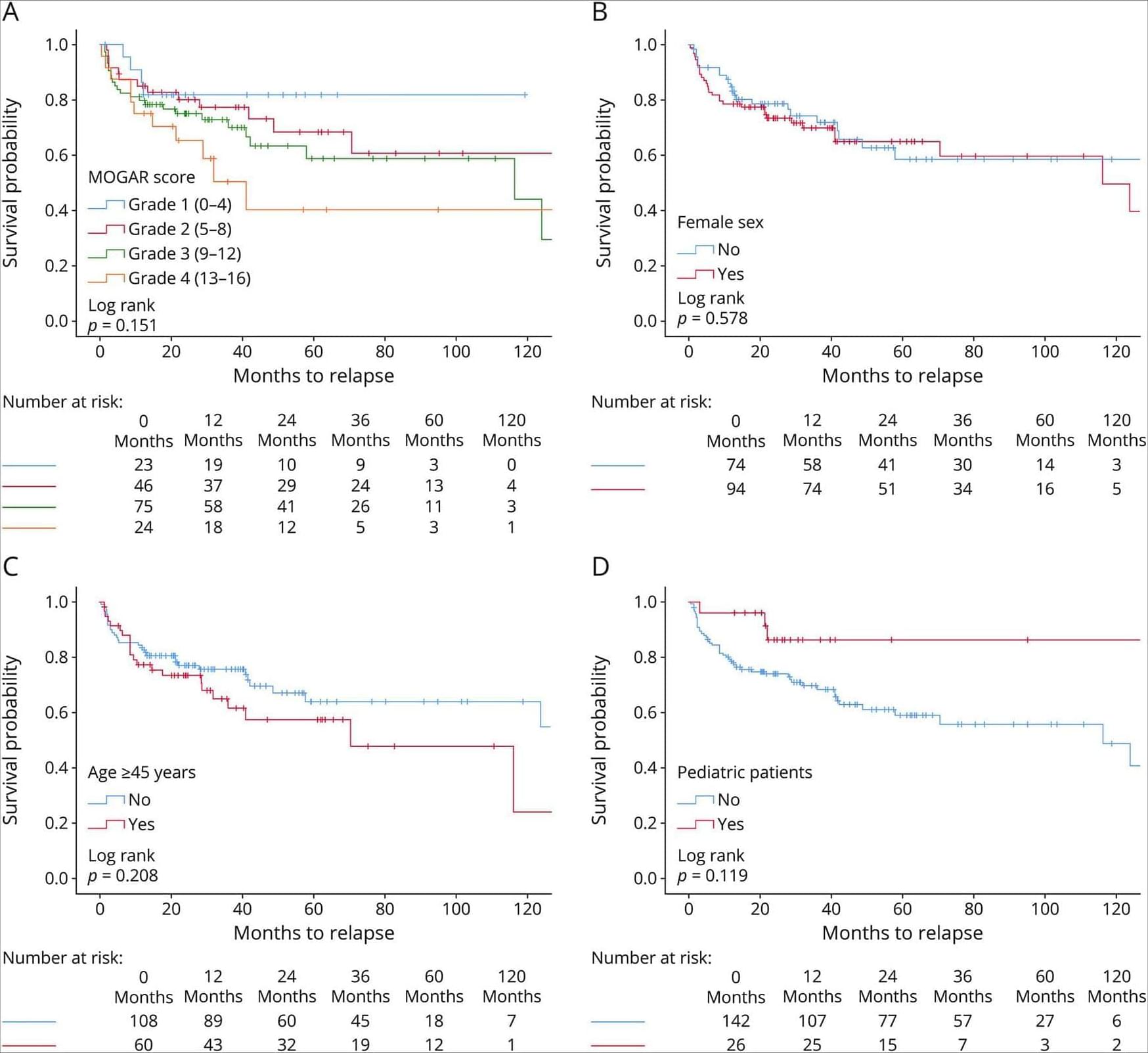
Validation of the MOG-AR score: a retrospective multicenter study.


Recently, a simple score (the MOG-AR Score), including onset age, sex, onset attack phenotype, use of immunosuppressive therapy, and duration of oral glucocorticoids treatment, has been proposed to identify patients at high relapse risk since onset.11

The aim of this study was to provide the first validation of the MOG-AR Score in a national multicenter cohort and to assess other factors associated with a relapsing disease.

2025 WSES Guidelines on Acute Appendicitis

Among patients with Appendicitis, the guidelines recommend laparoscopic appendectomy as the standard surgical approach and support delayed surgery within 24 hours for uncomplicated cases.

For complicated appendicitis, short-course postoperative antibiotics (2–3 days) are advised, and routine interval appendectomy is not recommended except in adults aged ≥35 years following nonoperative management with abscess, to reduce risk of missed neoplasm.


This Special Communication outlines the key questions and evidence-based recommendations of the 2025 update of the WSES Jerusalem Guidelines to support clinicians and health care systems in the diagnosis and treatment of acute appendicitis.

The Janus face of NK cells in neurodevelopment

NK cells in neurodevelopment.

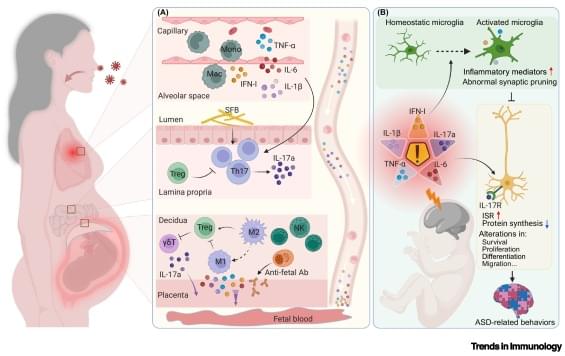
Maternal immune activation (MIA) during pregnancy perturbs fetal neurodevelopment, with natural killer (NK) cells emerging as key contributors to neurodevelopmental disorders (NDDs) such as autism spectrum disorder (ASD).

Clinical studies consistently report NK cell dysfunction in ASD patients and their mothers, characterized by altered cytotoxicity, hyperactivation at rest, functional exhaustion on stimulation, and skewed receptor/genetic profiles.

Uterine NK (uNK) cells, indispensable for placental and fetal development, can paradoxically promote NDDs when hyperactivated, releasing granzyme B (GZMB) that disrupts fetal brain structure and function.

Elucidating the MIA-driven ‘uNK/ GZMB–microglia–NDD’ axis is essential to devise preventive strategies for high-risk pregnancies and identify early biomarkers of neurodevelopmental risk. sciencenewshighlights ScienceMission https://www.cell.com/cms/10.1016/j.it.2025.10.001/asset/89cd…ts/gr3.jpg https://sciencemission.com/Janus-face-of-NK-cells


Maternal immune activation (MIA), triggered by infection or inflammation during pregnancy, is a well-recognized risk factor for neurodevelopmental disorders (NDDs) such as autism spectrum disorder (ASD). Clinical cohort studies and rodent models suggest that natural killer (NK) cells play a significant role in NDD pathogenesis, but the underlying mechanisms remain poorly defined. Here, we summarize the key immune mediators involved in MIA-induced NDDs, emphasizing microglia as a central hub. We then examine emerging evidence implicating aberrant NK cell activation in ASD, underscoring their overlooked contribution to impaired neurodevelopment. Finally, we discuss potential mechanisms of NK cell–microglia crosstalk in NDDs. Elucidating these interactions in the context of MIA will be crucial for developing preventive and therapeutic strategies against inflammation-driven NDDs.

/* */