Toggle light / dark theme

Get the latest international news and world events from around the world.

Log in for authorized contributors

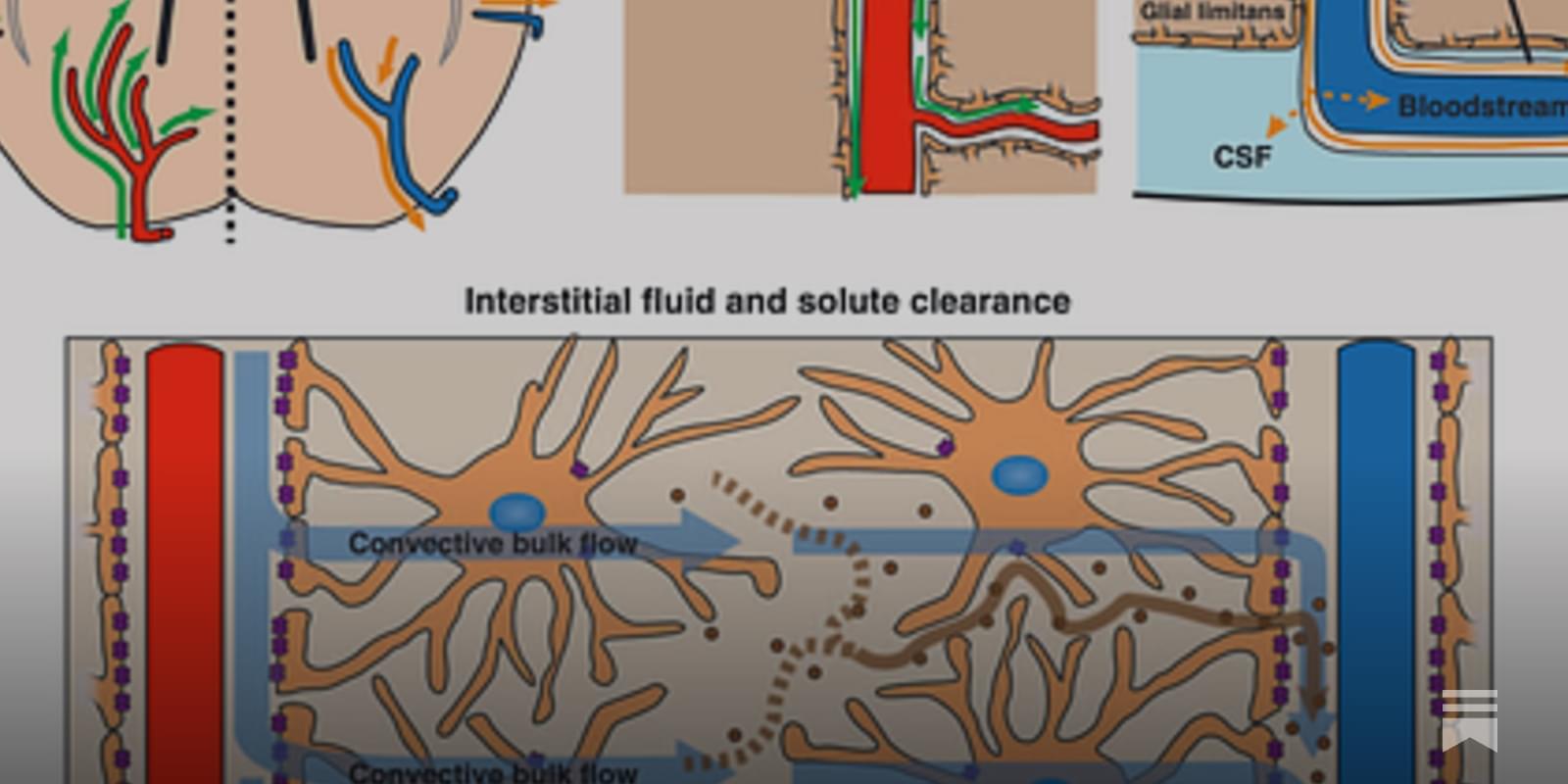
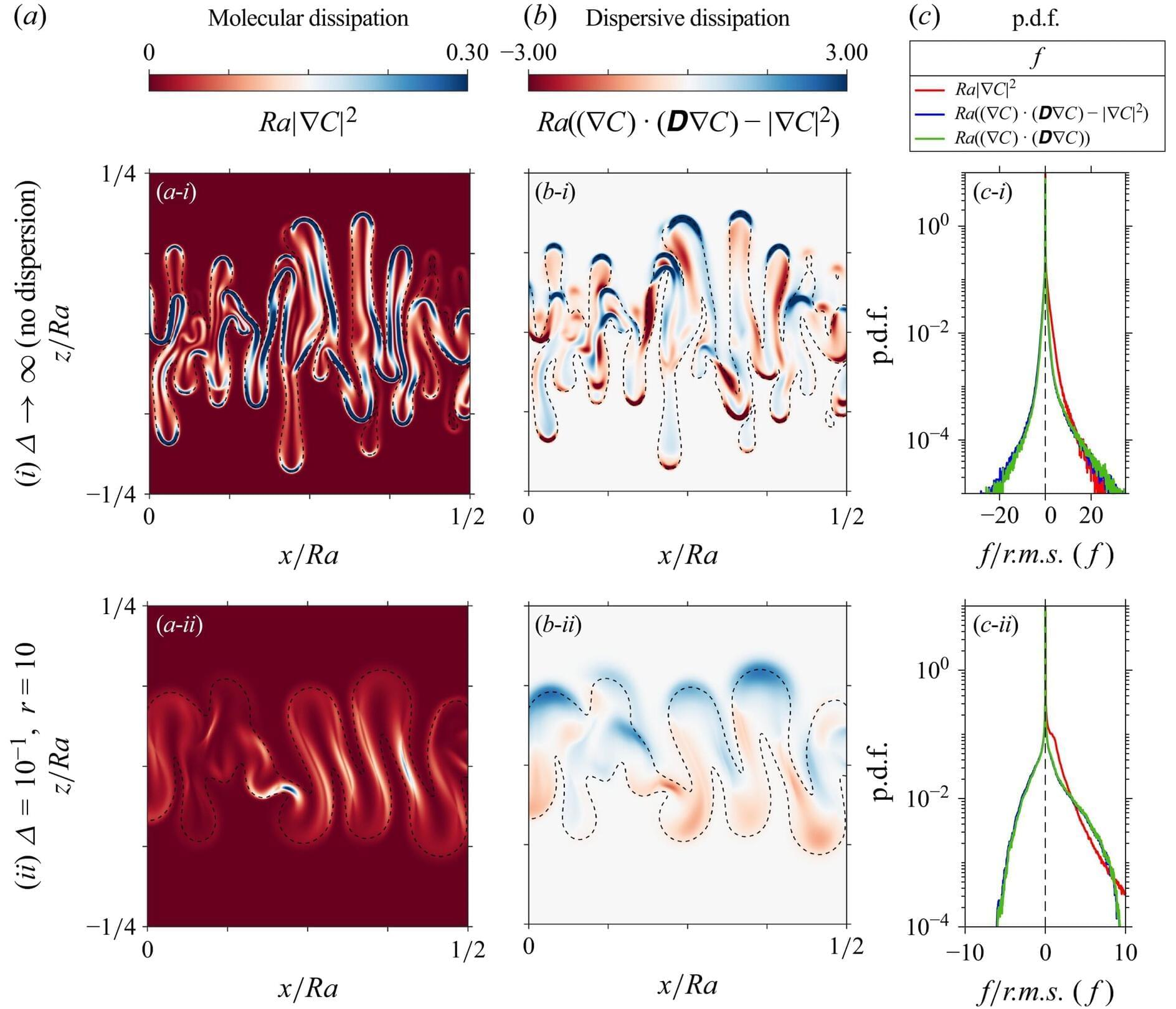
Calculating the spreading of fluids in porous materials to understand saltwater in soil

A solution to a tricky groundwater riddle from Australia: Researchers at TU Wien have developed numerical models to simulate the movement of fluids in porous materials.

Things are complicated along the Murray–Darling River in southern Australia. Agricultural irrigation washes salt out of the upper soil layers, and this salt eventually ends up in the river. To prevent the river’s salt concentration from rising too much, part of the is diverted into special basins.

Some of these basins are designed to let the salty water evaporate, others to slowly release it in a controlled manner in the underground. That keeps salt temporarily out of the river and allows better management of the river’s water—but it increases the salinity in the ground. How can we calculate how this saltwater spreads underground and what its will be?

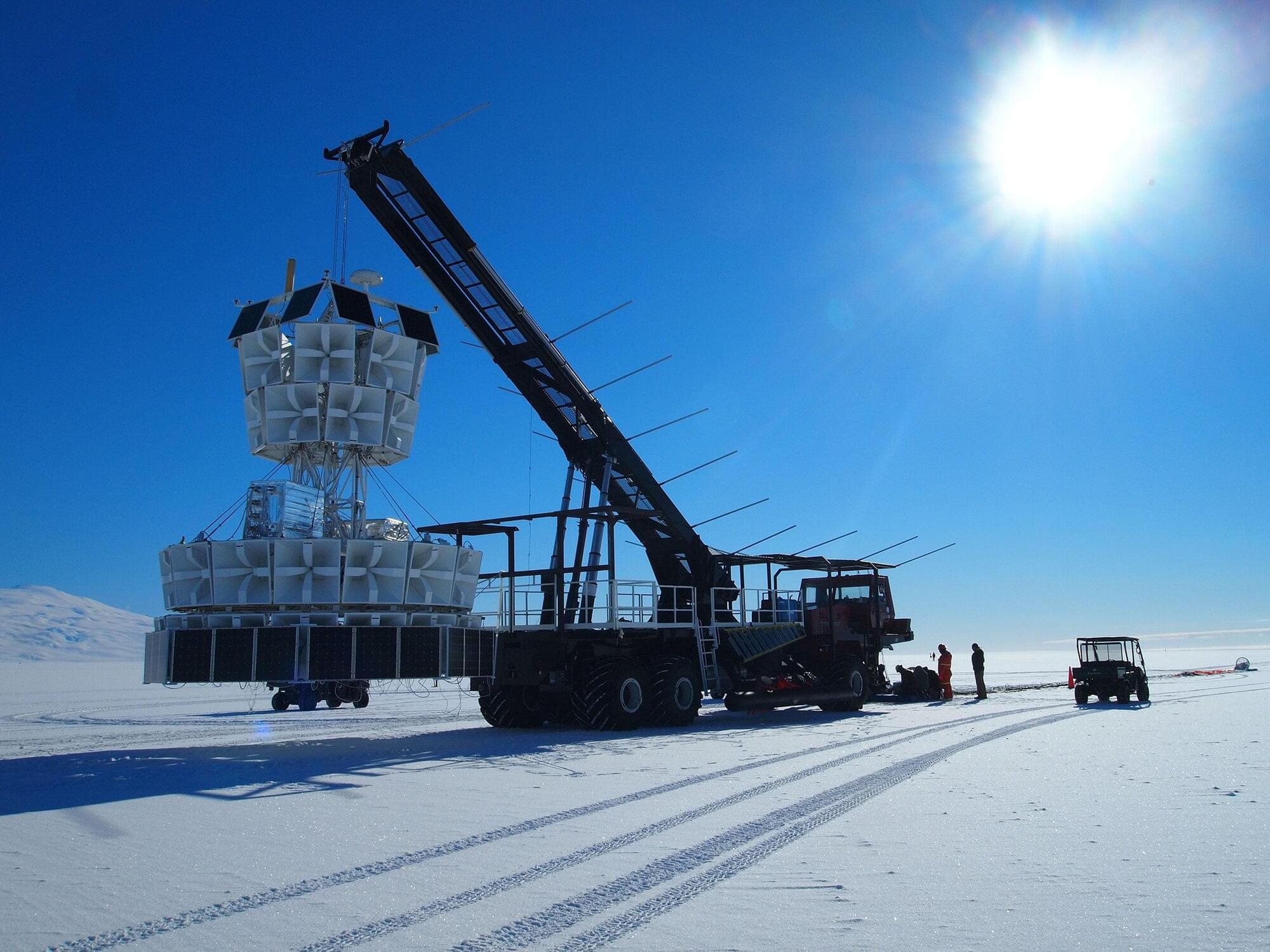
NASA Balloon Detects Strange Signals Coming From Ice in Antarctica

Unusual radio signals from beneath Antarctica’s ice continue to defy explanation. Several years ago, scientists using a cosmic particle detector in Antarctica recorded a series of puzzling radio signals, according to an international research collaboration that includes experts from Penn State. Bet

3D imaging uncovers mosquito’s specialized neurons for detecting carbon dioxide

It’s bound to happen at a summer picnic, a peaceful walk in the woods or simply sitting in your backyard… a mosquito targets your blood for its next meal. You’ve been bitten. But how do mosquitoes find you?

Among several methods used to locate new hosts for blood-sucking, mosquitoes feature a keen ability to detect . As we breathe out, we emit CO2 into the air around us, which mosquitoes can sense. But how?

Scientists have been aware of the mosquito’s ability to detect our carbon dioxide expirations but the intricate underlying physiological structures enabling these capabilities have largely remained unclear.

All-In’s 2026 Predictions

Questions to inspire discussion.

💰 Q: What would California’s wealth tax cost super voting shareholders like Larry Page and Sergey Brin? A: The tax multiplies voting ownership percentage by market cap to value super voting shares, resulting in a punitive tax rate of up to 50% on net worth for founders with control premiums.

🏃 Q: How much wealth could leave California if the asset seizure tax passes? A: An estimated half a trillion dollars in net worth could exit the state, creating severe budget implications for California’s social programs and general budget.

📊 Q: What should entrepreneurs do to prepare for potential wealth taxes on unrealized gains? A: Maintain a liquid safety net to cover tax bills on unrealized gains, though this is impossible to plan for if stock values later decline and bankrupt the company.

2026 Business Opportunities.

🤖 Q: Which company will become the first with more robots than humans? A: Amazon is predicted to become the first company with more robots than humans driving its bottom line by 2026 as they deploy robots while keeping human hiring flat.

How glioblastoma tumors dodge chemotherapy

Glioblastoma is one of the deadliest brain cancers, with a median survival rate of just 15 months. Despite surgery and chemotherapy, more than 1250 clinical trials over the past 20 years have struggled to improve survival rates.

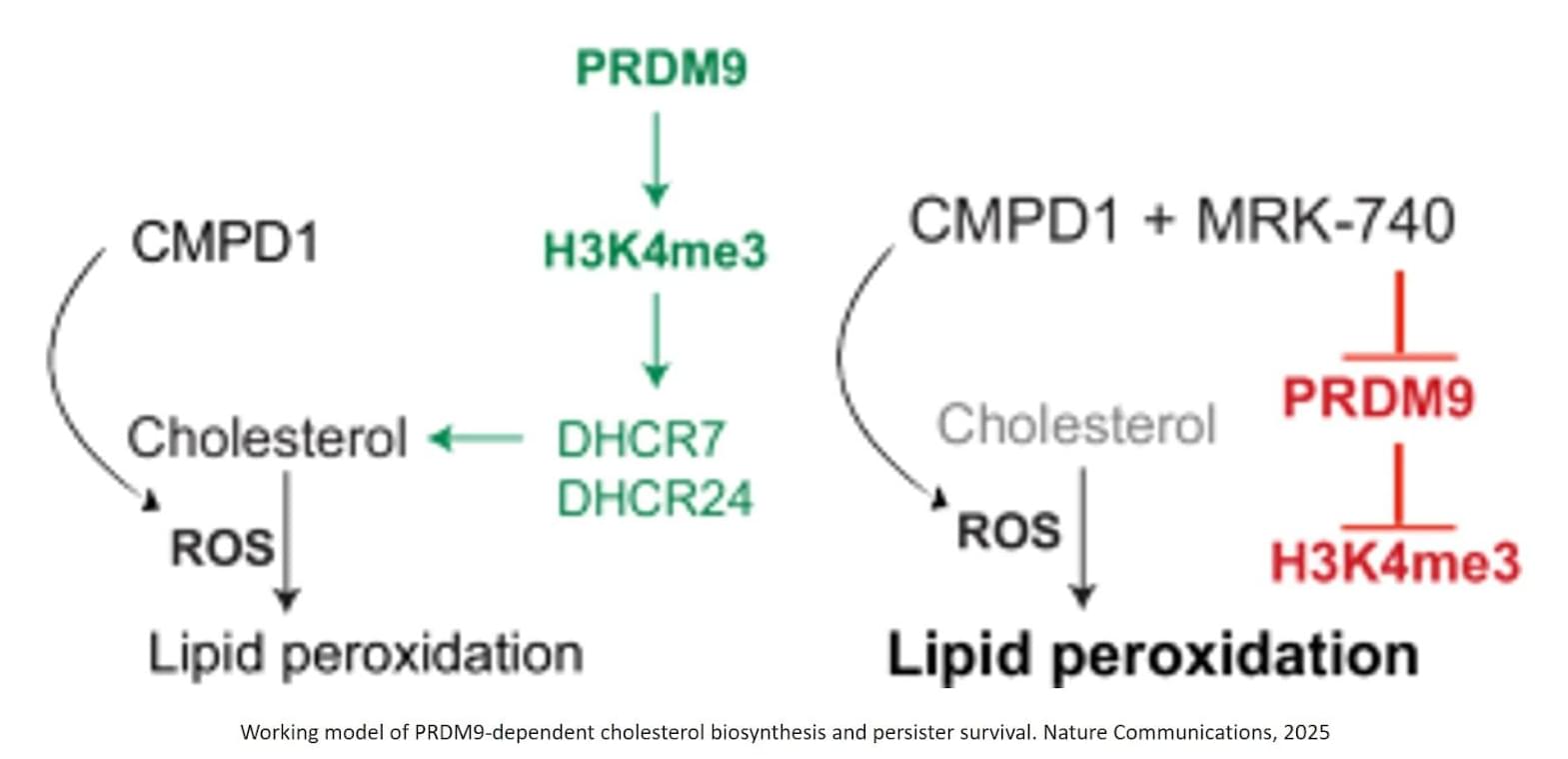
Published in Nature Communications, the study shows that a small population of drug-tolerant cells known as “persister cells” rewires its metabolism to survive chemotherapy, using an unexpected ally as an invisibility cloak: a fertility gene called PRDM9.

The authors identified that chemotherapy-induced PRDM9 upregulation promotes metabolic rewiring in glioblastoma stem cells, leading to chemotherapy tolerance. Mechanistically, PRDM9-dependent H3K4me3 at cholesterol biosynthesis genes enhances cholesterol biosynthesis, which persister cells rely on to maintain homeostasis under chemotherapy-induced oxidative stress and lipid peroxidation.

PRDM9 inhibition, combined with chemotherapy, results in strong anti-cancer efficacy in preclinical glioblastoma models, significantly enhancing the magnitude and duration of the antitumor response by eliminating persisters.

Previously, PRDM9 was only known as a fertility gene, active in reproductive cells at the very start of egg and sperm formation, long before fertilisation.

The researchers are now working with Australian biotech company Syntara to develop PRDM9 inhibitors for further testing in animal models, with the hope to eventually progress to human studies.


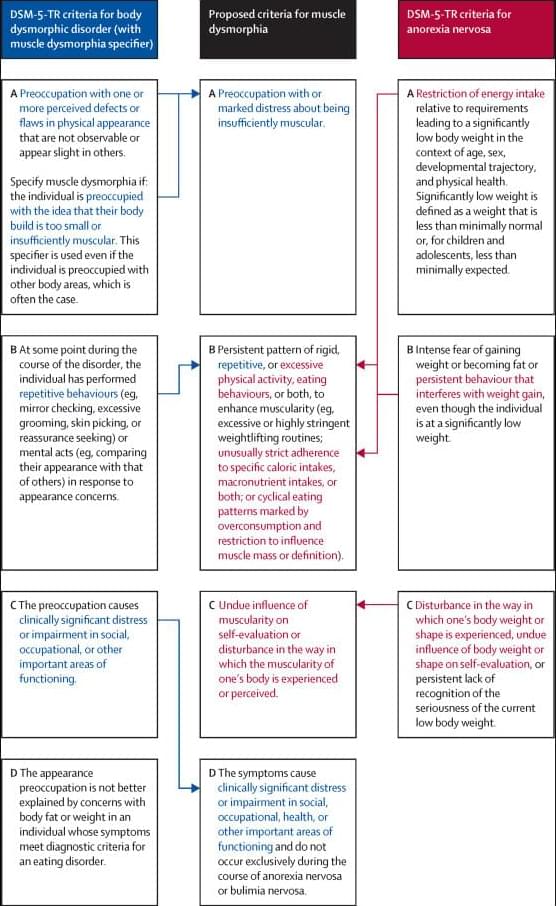
Muscle dysmorphia in adolescents and young adults

Body image concerns among adolescent boys and young men are increasingly recognised as societal ideals shift towards a lean, muscular physique. In severe cases, these pressures can lead to muscle dysmorphia, a specifier of body dysmorphic disorder marked by preoccupation with being too small or insufficiently muscular. Adolescents and young adults are developmentally vulnerable and might be at higher risk for a variety of eating-related and body image-related concerns, including muscle dysmorphia.

Scientists map development of pancreas transport channels that deliver digestive enzymes

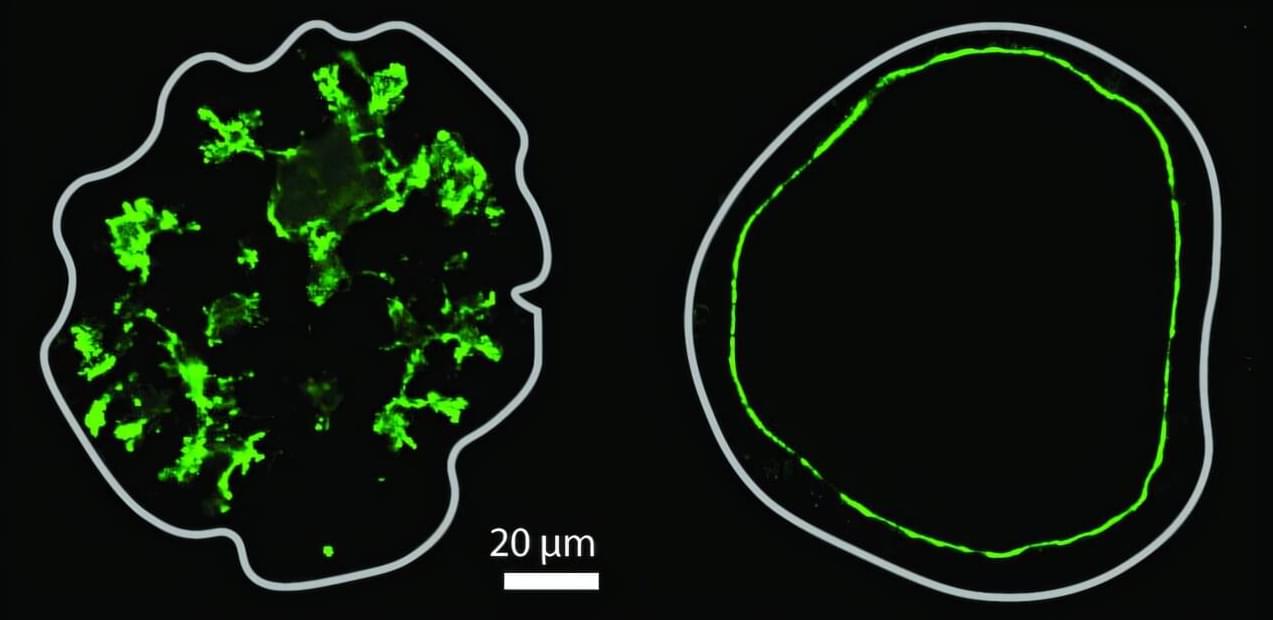
Organs often have fluid-filled spaces called lumens, which are crucial for organ function and serve as transport and delivery networks. Lumens in the pancreas form a complex ductal system, and its channels transport digestive enzymes to the small intestine. Understanding how this system forms in embryonic development is essential, both for normal organ formation and for diagnosing and treating pancreatic disorders.

Despite their importance, how lumens take certain shapes is not fully understood, as studies in other models have largely been limited to the formation of single, spherical lumens. Organoid models, which more closely mimic the physiological characteristics of real organs, can exhibit a range of lumen morphologies, such as complex networks of thin tubes.

Researchers in the group of Anne Grapin-Botton, director at the Max Planck Institute of Molecular Cell Biology and Genetics (MPI-CBG) in Dresden, Germany, and also Honorary Professor at TU Dresden, teamed up with colleagues from the group of Masaki Sano at the University of Tokyo (Japan), Tetsuya Hiraiwa at the Institute of Physics of Academia Sinica (Taiwan), and with Daniel Rivéline at the Institut de Génétique et de Biologie Moléculaire et Cellulaire (France) to explore the processes involved in complex lumen formation.

/* */