Toggle light / dark theme

Get the latest international news and world events from around the world.

Log in for authorized contributors

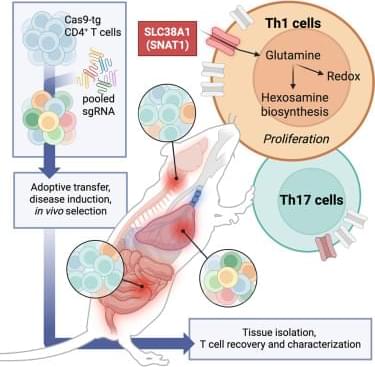
Tissue and CD4 T cell subset dependence on the amino acid transporter SLC38A1

Metabolic demands and mechanisms of nutrient uptake shape T cell function and offer new therapeutic opportunities, but selective targeting remains challenging. Here, in vivo CRISPR screens show that CD4 T cell metabolism and nutrient uptake vary based on both cell subset and the tissue and inflammatory site.

Scientists discover Alzheimer’s hidden “death switch” in the brain

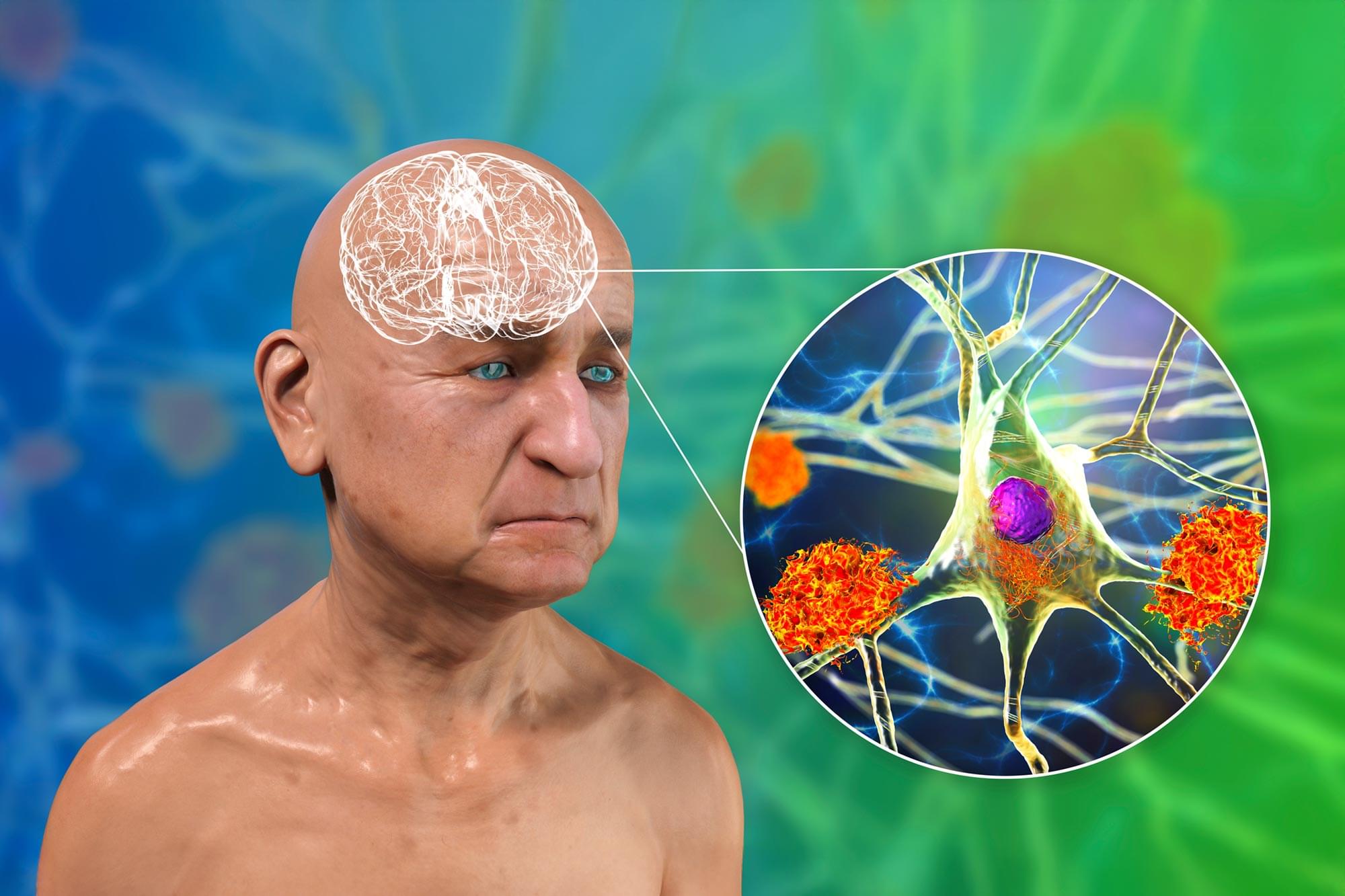
Scientists have uncovered a hidden “death switch” in the brain that may be driving Alzheimer’s disease—and even found a way to turn it off in mice. The culprit is a toxic pairing of two proteins that, when combined, triggers the destruction of brain cells and fuels memory loss. By using a new compound to break apart this deadly duo, researchers were able to slow disease progression, protect brain cells, and even reduce hallmark amyloid buildup.

Dual immune response may keep HIV in check without medication

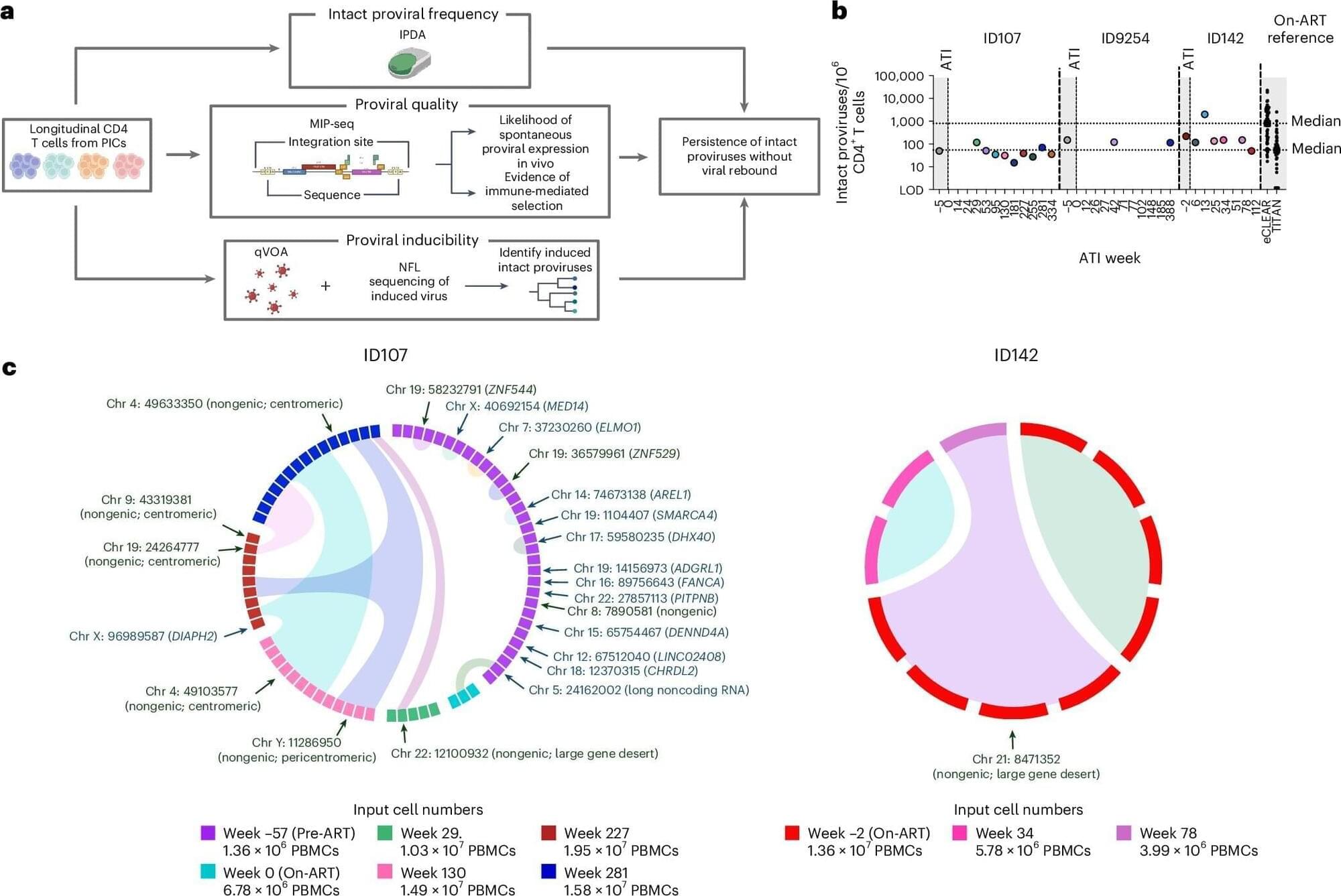
Imagine a game of chess where your opponent’s king is in check. It cannot move, but the game is not over—the piece remains on the board. This is how the body might control HIV on its own: The virus would be contained and unable to replicate or spread, but it would not have been eliminated. This is the goal of Professor Ole Schmeltz Søgaard and an international team of researchers—to enable more patients’ immune systems to keep the virus permanently in check without the need for daily medication. Their findings suggest that this requires two key components working in tandem: antibodies and T cells.

In a study published in Nature Immunology, the researchers followed patients who stopped taking their daily HIV medication after receiving experimental treatment. In a small group of patients, the virus has not returned.

“We can see that two branches of the immune system work together to control the virus. One targets one aspect of the virus, the other targets another. Together, they are effective enough to prevent the virus from escaping,” says Søgaard, Professor of Infectious Diseases at Aarhus University Hospital.

Atomic disorder strategy could help high-capacity batteries last longer

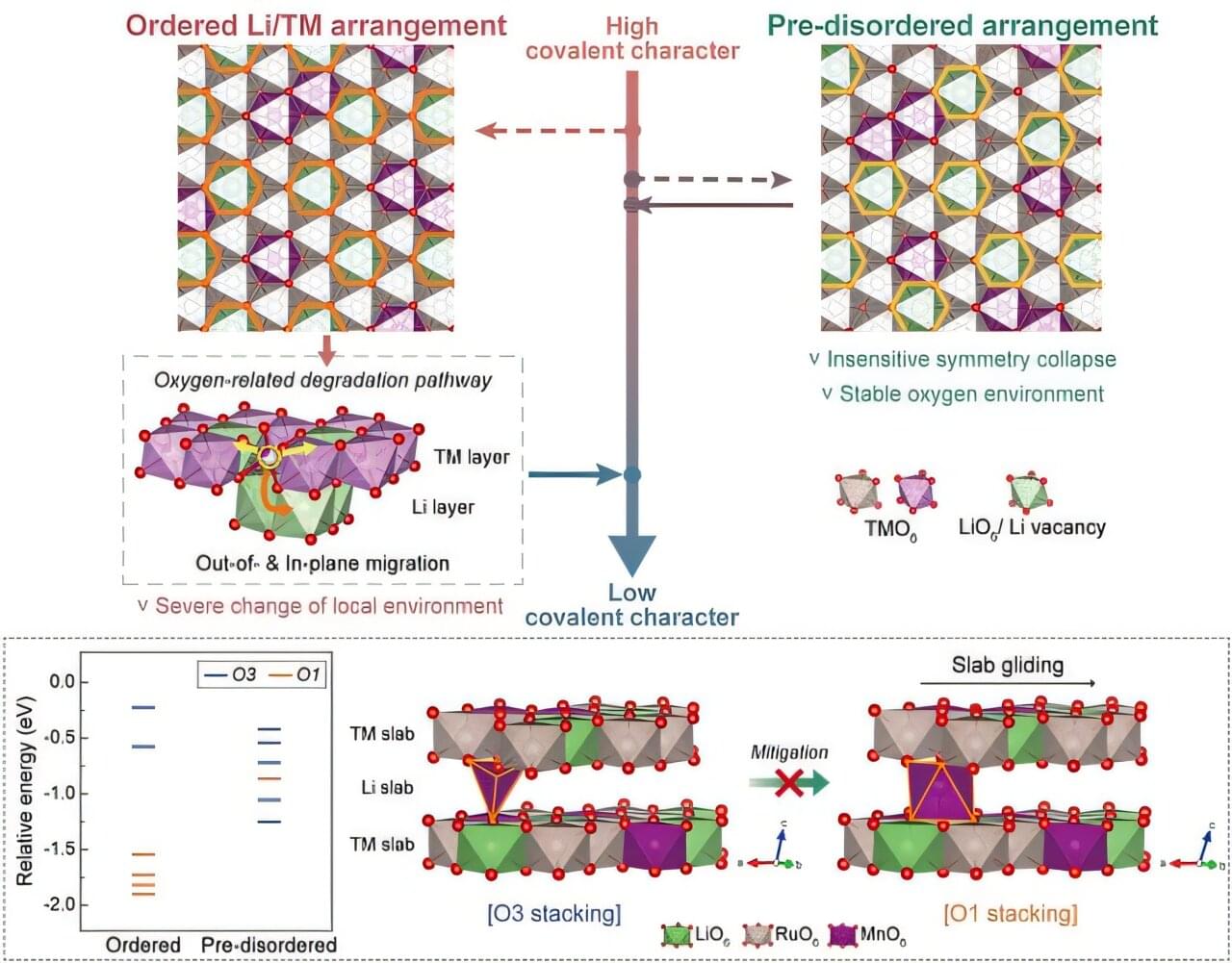
Researchers at UNIST, in collaboration with the Pohang Accelerator Laboratory (PAL) and KAIST, have introduced a novel approach to stabilizing high-capacity battery materials. By intentionally inducing atomic-level disorder within lithium-rich layered oxide (LRLO) cathodes, the team has effectively minimized structural degradation and energy losses, paving the way for next-generation batteries with higher energy density and longer lifespan.

The findings of this research have been published online in ACS Energy Letters.

Lithium-rich layered oxides (LRLO) are among the most promising cathode materials for future energy storage solutions due to their exceptional capacity, which involves not only metal ions but also oxygen participating in electrochemical reactions. However, their practical application has been hindered by structural instability during repeated charge and discharge cycles, leading to capacity fade and voltage degradation.

Rubin Alert Leads to First Follow-Up Observations and Detection of Four Supernovae

The Vera C. Rubin Observatory commenced operations last summer with the release of its “first light” images. During its ten-year Legacy Survey of Space and Time (LSST), the observatory will study the Universe for indications of Dark Matter and Dark Energy. It will also create an inventory of objects within the Solar System, and explore the sky for “transient” objects — i.e., those that move or change in brightness. These include asteroids, comets, interstellar objects (ISOs), transient stars, and supernovae.

To ensure follow-up observations of these objects, the National Science Foundation (NSF) has developed a system to enable rapid responses to Rubin-generated alerts. This allows observatories around the world to aim their telescopes at fleeting objects in the night sky and conduct rapid follow-up observations before they disappear. The system was recently validated when Rubin issued a series of alerts that led to the classification of four supernovae, which are a vital tool for measuring the expansion rate of the Universe.

The system incorporates a series of tools developed by NSF’s National Science Foundation National Optical-Infrared Astronomy Research Laboratory (NOIRLab), including an alert-filtering system, an automatic observation request manager, a network of telescopes — the Astronomical Observatory Event Network (AEON) — to conduct observations, and automatic data reduction software. This system helps to process the millions of alerts Rubin is expected to generate every night once the LSST begins.

Johns Hopkins awarded $15M to develop platform to study neurological diseases, screen chemicals

The DROID platform will extend current in vitro approaches—test tubes and culture dishes—to modeling learning and memory using brain organoids, addressing a critical gap: Current in vitro assays cannot capture higher-order neural responses, and evaluations of neurotoxicity or drug efficacy still primarily rely on animal behavioral tests.

The researchers will also evaluate brain organoids derived from both healthy individuals and patients with Alzheimer’s disease and individuals with SYNGAP1-related disorders—a rare pediatric condition associated with intellectual disability, seizures, and autism—to test neural responses and sensitivity to pharmacological interventions.

By enabling researchers to assess complex neural responses that currently rely on animal behavioral tests, the DROIDp system aims to improve drug discovery and neurotoxicity testing. Ultimately, the goal of this platform is to provide a more predictive, human-relevant approach for studying neurological diseases and evaluating the safety of drugs and chemicals.

Abstract: A new mouse disease model for parkinsonism with psychiatric features 👇

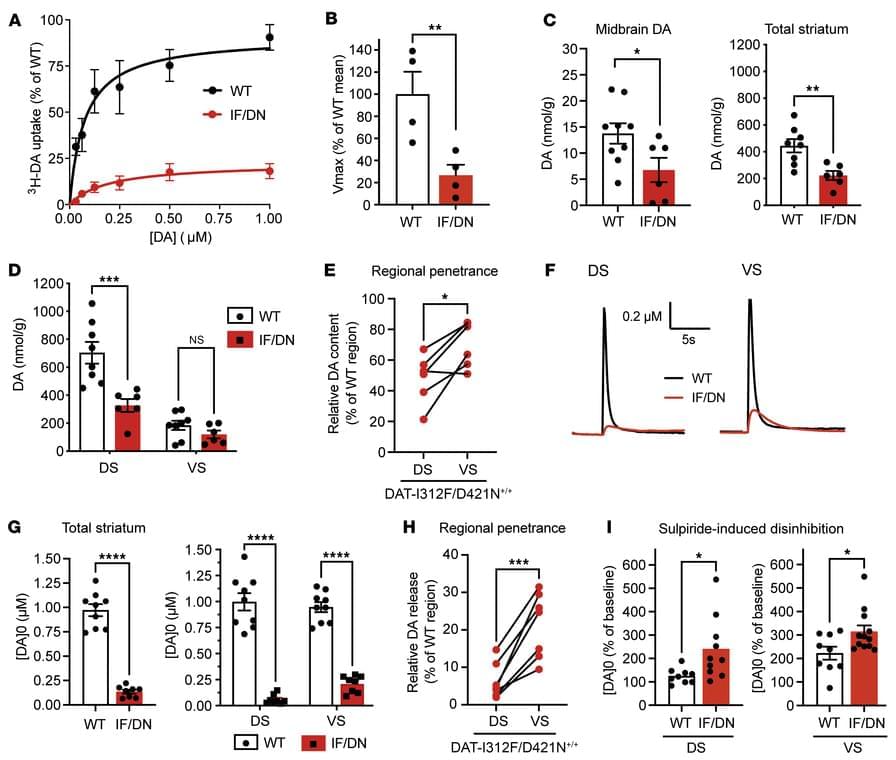
https://doi.org/10.1172/JCI169297 Freja Herborg & team explore the behavioral consequences and dopaminergic dysfunction that arise from patient-derived mutations in the dopamine transporter associated with parkinsonism and co-morbid neuropsychiatric disease, establishing a new mouse disease model.

The images show striatal slices with decreased immunolabeling intensity of both DR1 and DR2 in DAT-I312F/D421N+/+ mice compared with WT mice.


1Molecular Neuropharmacology and Genetics Laboratory, Department of Neuroscience, Faculty of Health and Medical Sciences, University of Copenhagen, Copenhagen, Denmark.

2CNS Research Group, Department of Pharmacology and Physiology, Department of Neurosciences, Faculty of Medicine, Université de Montréal, Montréal, Quebec, Canada.

3Centre for Neuroscience and Stereology, Copenhagen University Hospital Bispebjerg-Frederiksberg, Copenhagen, Denmark.
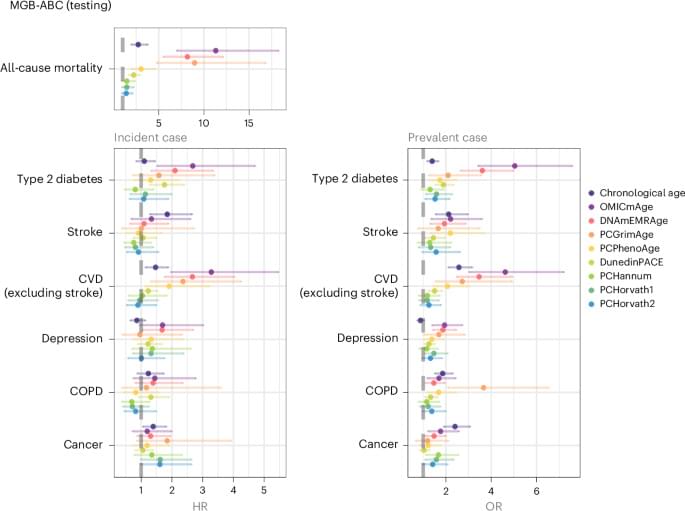
OMICmAge is a multiomic biological aging clock using electronic medical records

Using about 31,000 electronic medical records (EMRs), we developed the mortality biomarker EMRAge and used it to develop OMICmAge by integrating proteomic and metabolomic domains through epigenetic biomarker proxies. This scalable DNA-methylation measure quantifies biological aging, is associated with age-related incident and prevalent diseases, and its performance is comparable to or better than existing biomarkers at predicting mortality.

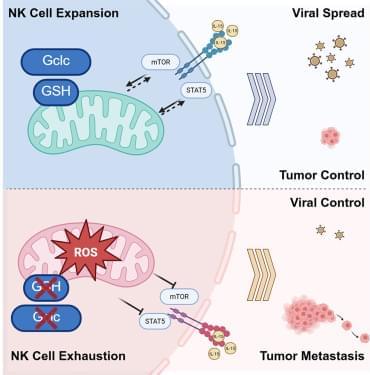
Glutathione is critical for mediated immunity

Glutathione is critical for NK cell-mediated immunity.


Guerra et al. show that glutathione (GSH) sustains IL-15-driven NK cell metabolism and effector functions. Loss of GSH unleashes T cell immunity and improves viral clearance. In contrast, NK cell-mediated control of metastases, but not solid tumors, critically depends on GSH.

/* */