It’s not mind-reading. It’s your neurons lining up.

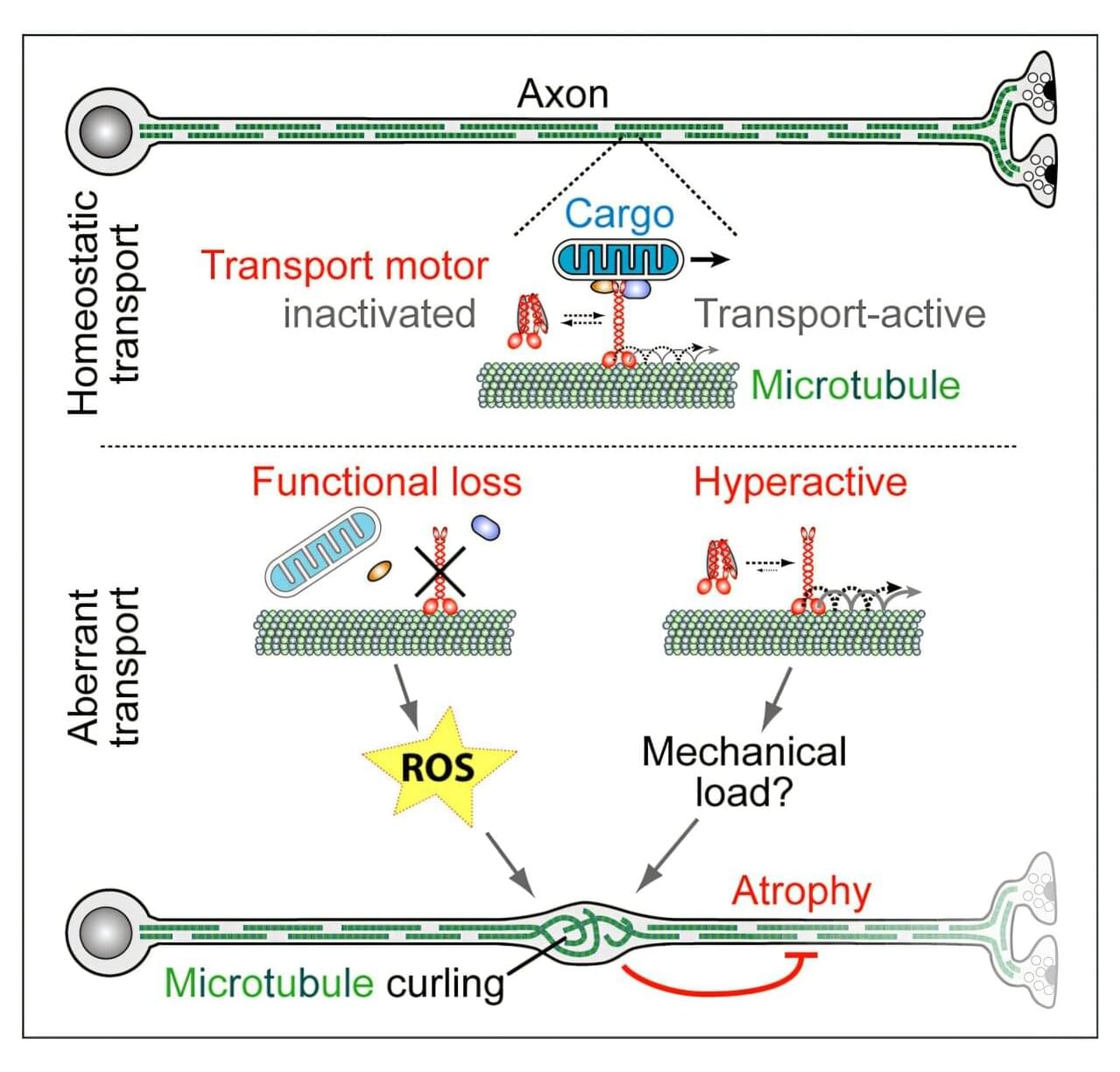
Scientists have long known that inherited neurodegenerative disorders, including Alzheimer’s, Parkinson’s or motor neuron disease, can be traced back to genetic mutations. However, how they cause the diseases remains unanswered.
In today’s issue of the journal Current Biology Professor Andreas Prokop revealed that so-called “motor proteins” can provide key answers in this quest.
The research by the Prokop group focuses on nerve fibers, also called axons. Axons are the delicate biological cables that send messages between the brain and body to control our movements and behavior. Intriguingly, axons need to survive and stay functional for our entire lifetime.
Researchers have developed a novel noninvasive coronary artery bypass approach that may offer an alternative to traditional open-heart surgery for select patients with coronary disease. Early experience suggests this technique could reduce surgical trauma and change how some coronary conditions are treated, although broader clinical validation will be needed to define its role in future practice.
Researchers have created a new noninvasive technique for performing a type of artery bypass that may change the future of some coronary surgeries.



As many of us embark on an exercise or gym routine for the new year, research reveals that just 10 minutes of intense exercise could help fight cancer.
Short bursts of energetic activity can trigger rapid molecular changes in the bloodstream, shutting down bowel cancer growth and speeding up DNA damage repair, a new study has shown.
Researchers at Newcastle University have found that exercise increases the concentration of several small molecules in the blood—many linked to reducing inflammation, improving blood vessel function, and metabolism.
Can Alzheimer’s be reversed? Dr. Insoo Hyun explains how scientists at Case Western Reserve University are exploring that possibility by restoring NAD+, a vi…
The androids of the future will be the distant results of synthetic biology and not silicon.
🚀 Step into a world of boundless innovation as we take you on a journey through the awe-inspiring technologies that await humanity in the 22nd century! 🌌 From advancements in space exploration to mind-boggling leaps in artificial intelligence, this captivating video offers a glimpse into the cutting-edge breakthroughs that will redefine the very fabric of human existence.
🌐 Witness the birth of extraterrestrial civilizations as humans venture further into space, exploring distant planets and establishing self-sustaining colonies. Experience the seamless integration of artificial intelligence into our daily lives, transforming how we interact with technology and creating new possibilities for societal progress. Prepare to be amazed by quantum computing’s extraordinary power, revolutionizing problem-solving and opening doors to scientific discoveries previously deemed impossible.
🌿 Delve into the world of sustainable marvels, where eco-friendly innovations mend our relationship with the environment and pave the way for a greener, more harmonious future. Explore the ethical implications of biotechnology advancements, which offer insights into longevity and human potential. This video paints an inspiring picture of the limitless possibilities and profound transformations that lie ahead in the remarkable world of 22nd-century technologies. Like, share, and subscribe to our channel for more captivating glimpses of the ever-evolving world of tomorrow. 🌟🔮🌠 #FutureTechnologies #22ndCenturyInnovations #EmbracingTomorrow
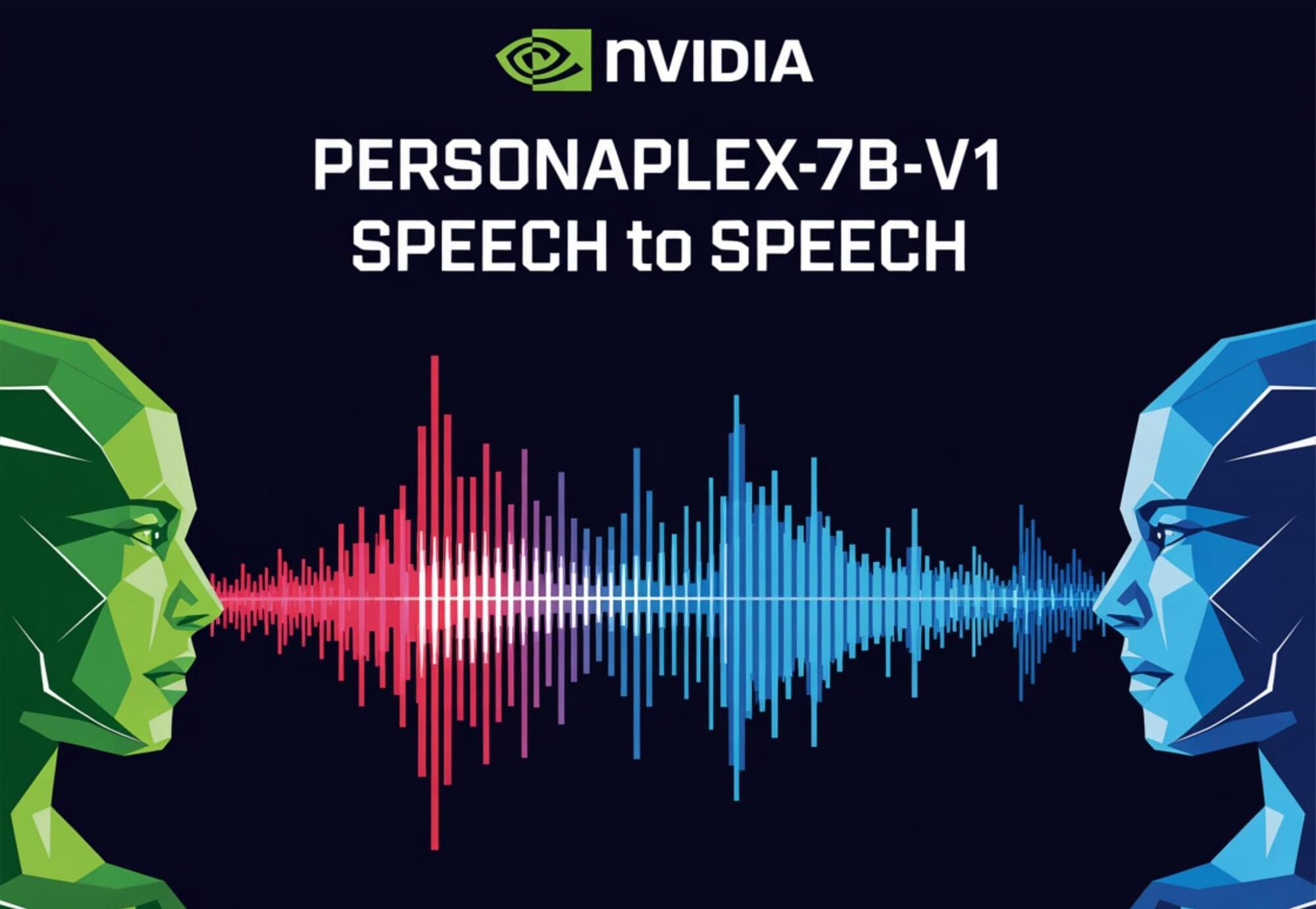
PersonaPlex runs in a dual stream configuration. One stream tracks user audio, the other stream tracks agent speech and text. Both streams share the same model state, so the agent can keep listening while speaking and can adjust its response when the user interrupts. This design is directly inspired by Kyutai’s Moshi full duplex framework.
NVIDIA Researchers released PersonaPlex-7B-v1, a full duplex speech to speech conversational model that targets natural voice interactions with precise persona control.
Conventional voice assistants usually run a cascade. Automatic Speech Recognition (ASR) converts speech to text, a language model generates a text answer, and Text to Speech (TTS) converts back to audio. Each stage adds latency, and the pipeline cannot handle overlapping speech, natural interruptions, or dense backchannels.
PersonaPlex replaces this stack with a single Transformer model that performs streaming speech understanding and speech generation in one network. The model operates on continuous audio encoded with a neural codec and predicts both text tokens and audio tokens autoregressively. Incoming user audio is incrementally encoded, while PersonaPlex simultaneously generates its own speech, which enables barge in, overlaps, rapid turn taking, and contextual backchannels.