Toggle light / dark theme

Get the latest international news and world events from around the world.

Log in for authorized contributors

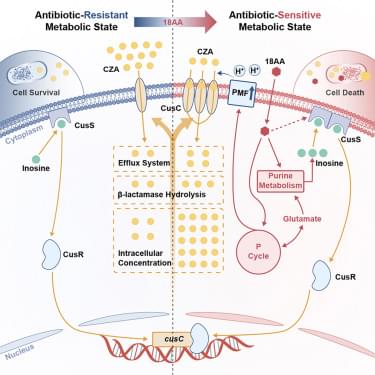
Compound amino acid synergizes ceftazidime-avibactam to eradicate extracellular and facultative intracellular MDR pathogens

This study demonstrates that the FDA-approved drug 18AA potently resensitizes multidrug-resistant pathogens to ceftazidime-avibactam. It achieves this by activating two bacterial pathways, the inosine-CusS/R-CusC axis and the proton motive force, to promote antibiotic influx, offering a readily translatable strategy against formidable infections.
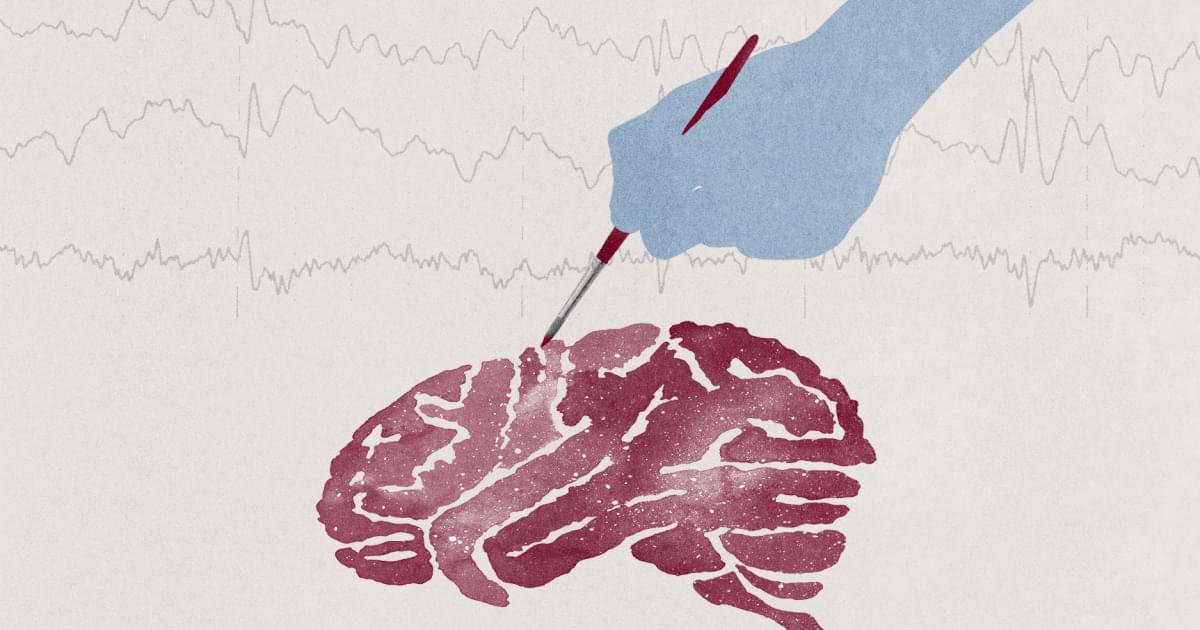
RNA barcodes fast-track brain connection mapping

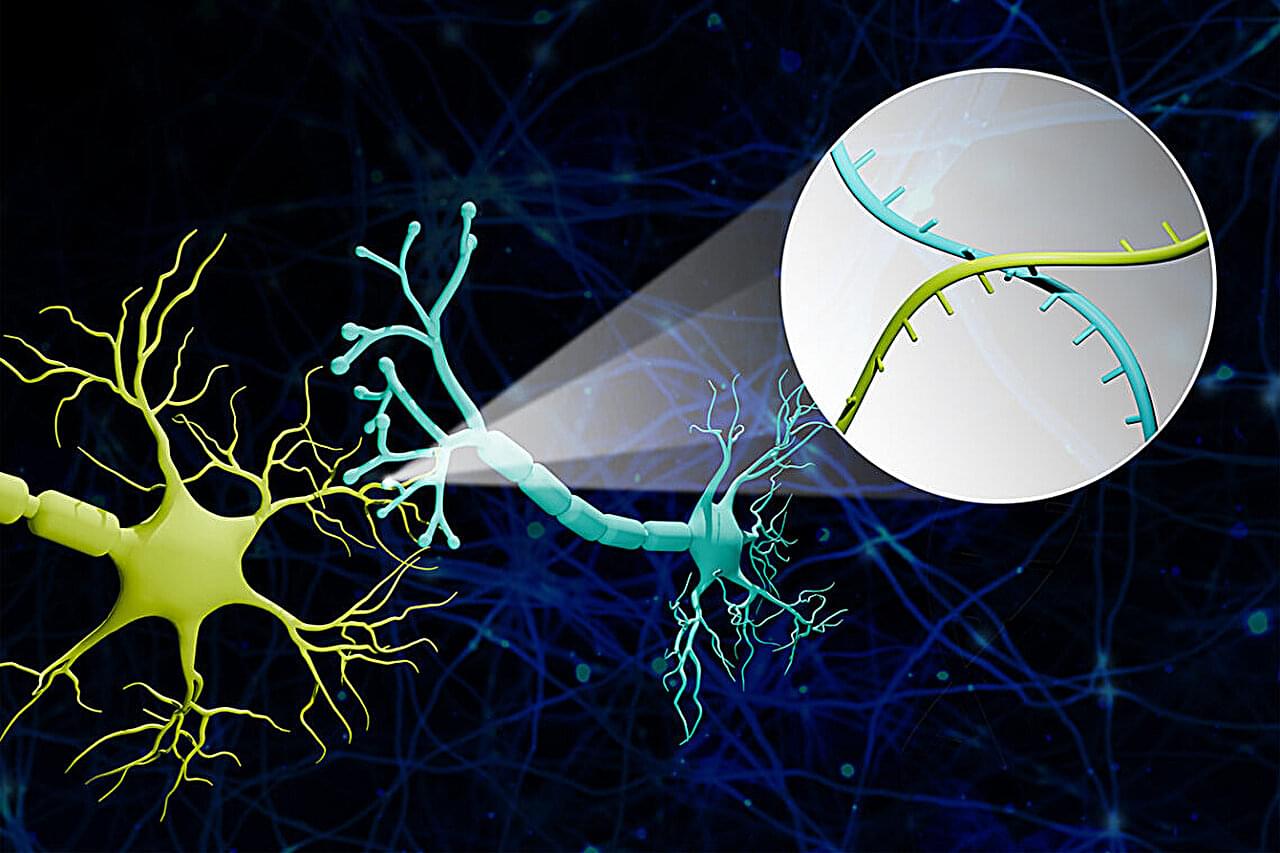
“When engineering a computer, you need to know the circuitry of the central processing unit. If you don’t know how everything is wired together, you can’t understand its function, optimize it or fix it when something breaks. We are approaching the brain the same way,” said study leader Boxuan Zhao, a professor of cell and developmental biology at the University of Illinois Urbana-Champaign.

“Our technology enables simultaneous mapping of thousands of neural connections with single-synapse resolution —a capability that doesn’t exist in any current technology. It is directly applicable to understanding circuit dysfunction in neurodegenerative diseases and could provide a platform for developing circuit-guided therapeutic interventions,” he said.

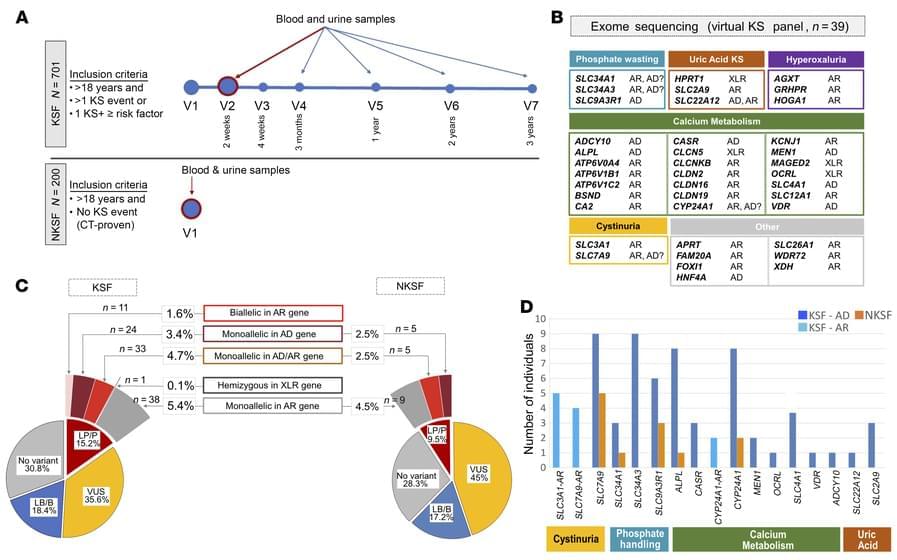
Abstract: Patients with recurrent kidney stone disease stand to benefit from personalized diagnostics

In this Research Article, Ruxandra Bachmann-Gagescu & team integrate blood and urine biochemistry with genetics to improve interpretation of genetic findings in adults with kidney stone disease—the approach has prognostic value, enabling personalized risk assessment.


3Department of Molecular Life Sciences, University of Zurich, Zurich, Switzerland.

4National Center of Competence in Research (NCCR) Kidney. CH, Bern, Switzerland.

5Department of Nephrology and Hypertension, Inselspital, Bern University Hospital, University of Bern, Bern, Switzerland.

ADJUVANT Randomized Controlled Trial: Rationale and Design

ADJUVANT: Testing if IV tirofiban is non-inferior to thrombolysis before endovascular thrombectomy for acute ischemic stroke. Read about the upcoming trial.


BackgroundIntravenous thrombolysis followed by endovascular thrombectomy (EVT) is a first‐line recommended strategy for thrombolysis‐eligible patients with stroke due to acute large‐vessel occlusion. Tirofiban, one of the most used glycoprotein IIb/IIIa receptor inhibitors, has been increasingly advocated to counteract different stages of thrombosis mediated by activated platelets. It is unclear whether tirofiban could be used as an alternative to thrombolysis as adjuvant medicine for EVT. This trial aims to assess whether intravenous tirofiban plus EVT is noninferior to intravenous thrombolysis bridging with EVT in patients with acute ischemic stroke due to large‐vessel occlusion who are eligible for thrombolysis.

New photonic device efficiently beams light into free space

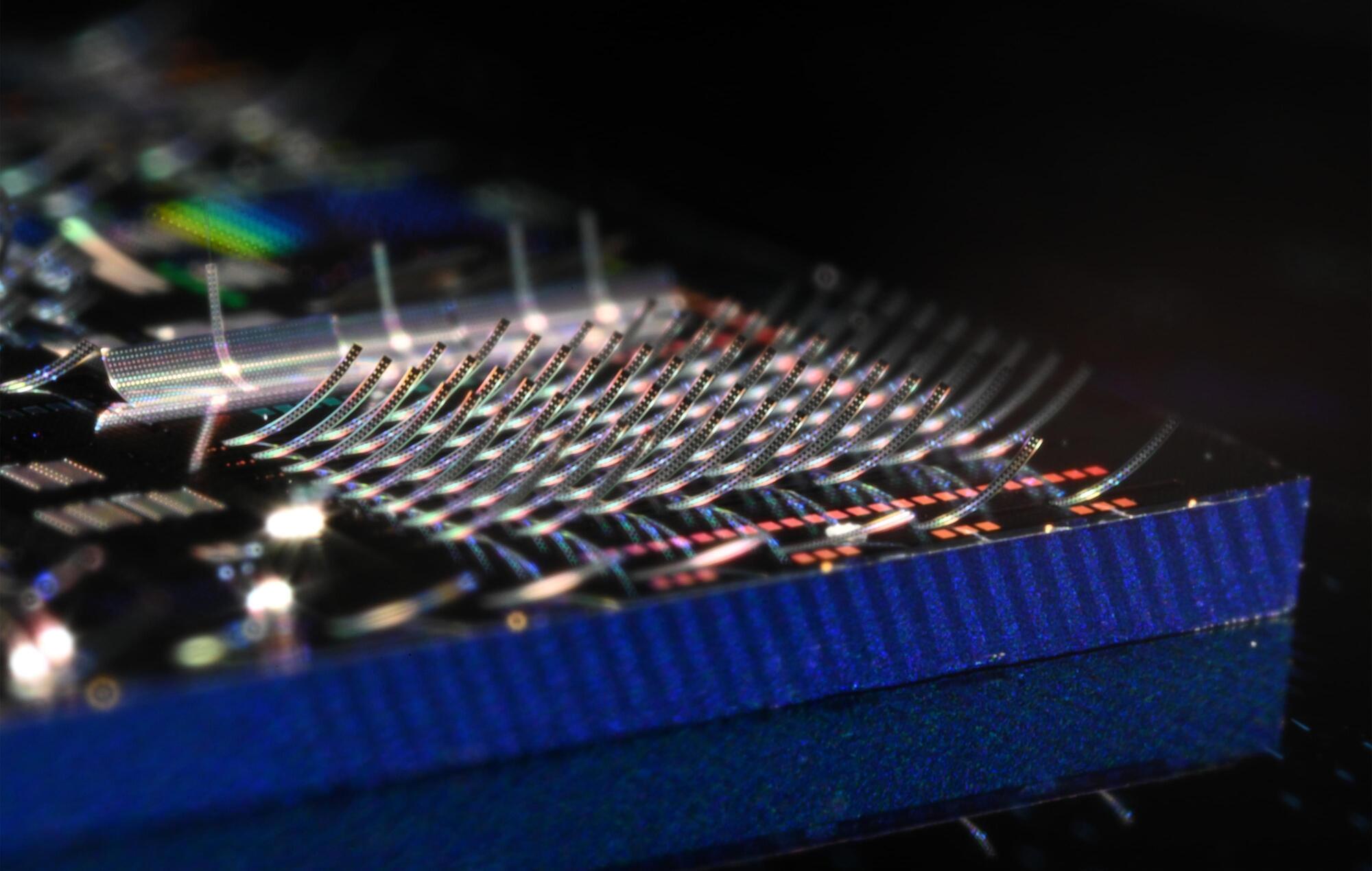
If a lot of light could be rapidly and precisely beamed off the chip, free from the confines of the wiring, it could open the door to higher-resolution displays, smaller Lidar systems, more precise 3D printers, or larger-scale quantum computers.

Now, researchers from MIT and elsewhere have developed a new class of photonic devices that enable the precise broadcasting of light from the chip into free space in a scalable way.

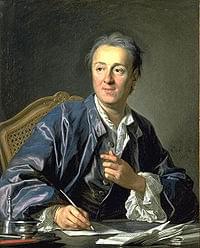
Revisiting the proto-transhumanists: Diderot and Condorcet

Think transhumanism is a relatively new social and intellectual phenomenon? Guess again.

Many of the ideas characteristic of the movement have already been bantered about for literally hundreds of years—whether it be such things as radical life extension or the construction of machine minds. The Enlightenment period in particular was a fruitful time for these ideas to take flight, mostly on account of the new sciences, the rise of rationalism and secular humanism, and the waning influence of religion. Two thinkers that best exemplified Enlightenment-era proto-transhumanism were Denis Diderot and Marquis de Condorcet, and their early contributions are worth revisiting.

/* */