Toggle light / dark theme

Get the latest international news and world events from around the world.

Log in for authorized contributors

Iron plus UV light turns alcohol into hydrogen with catalyst-like efficiency

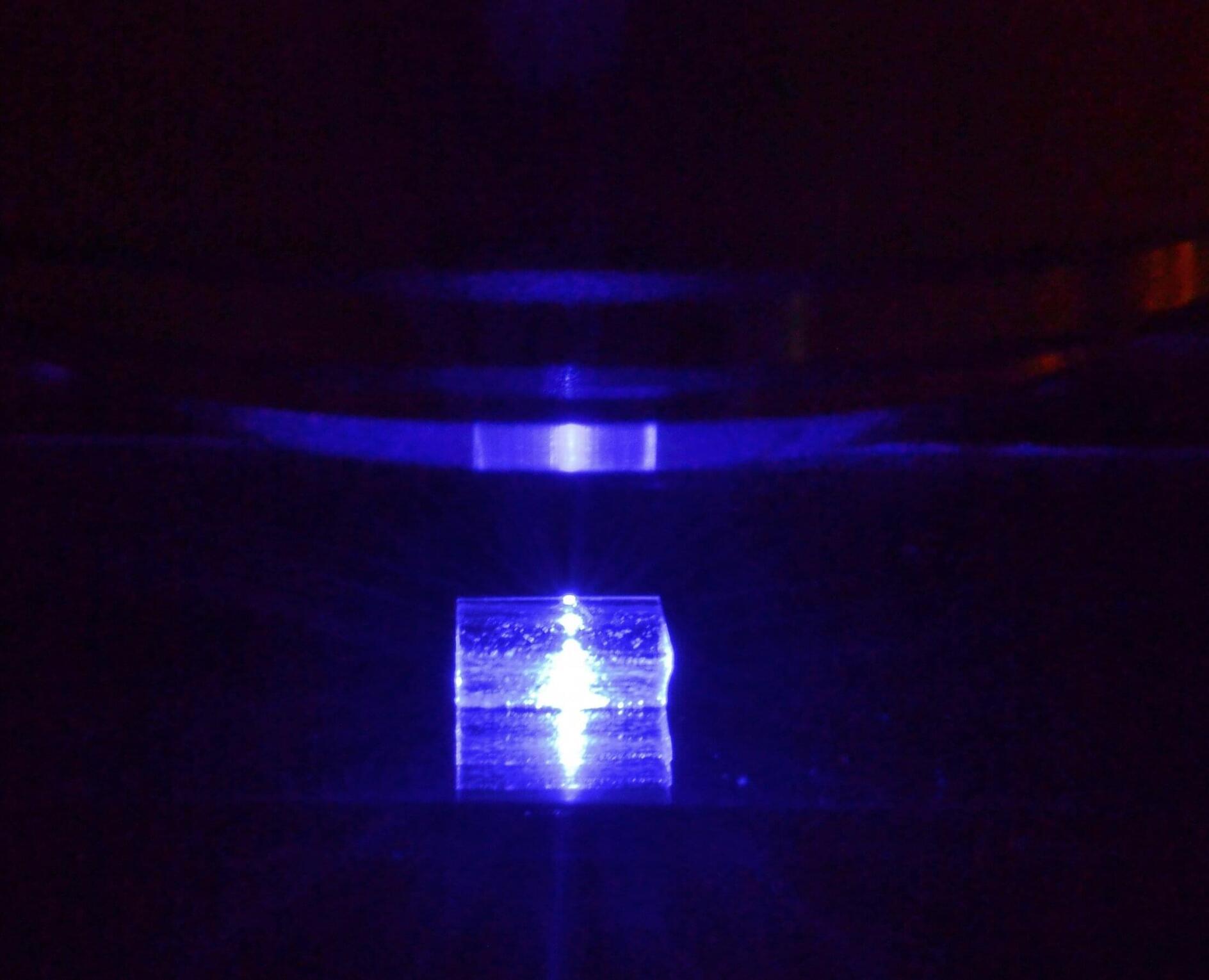
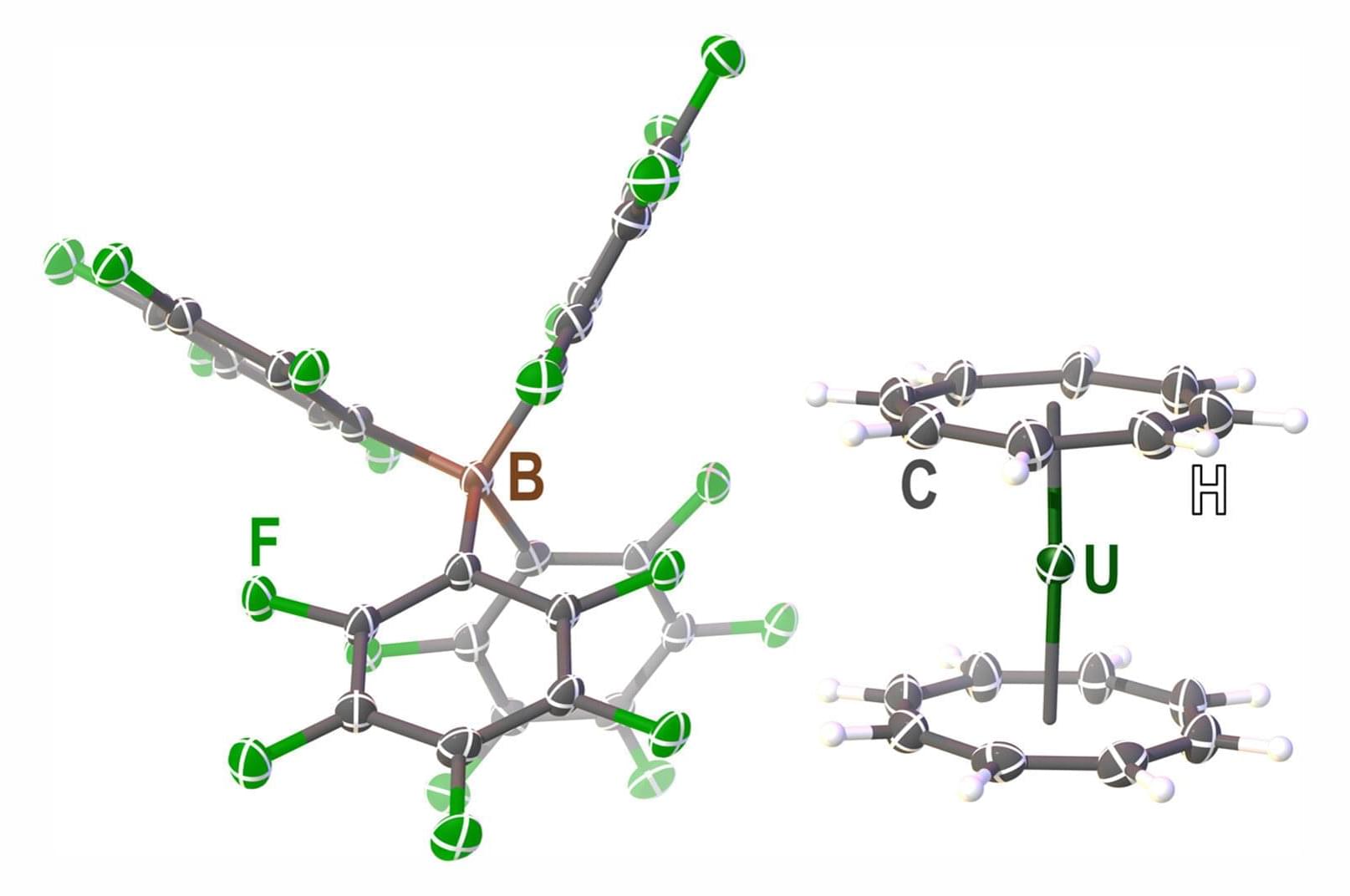
Publishing in Communications Chemistry, researchers from Kyushu University have discovered a simple method of generating hydrogen gas by mixing methanol, sodium hydroxide, and iron ions, then irradiating the solution with UV light.

Furthermore, the catalytic activity of the reaction is comparable to that of some previously reported systems that use organometallic and heterogeneous catalysts. The team also demonstrated that the method could generate hydrogen gas from other alcohols and biomass-derived materials, such as glucose and cellulose.

From microchip circuits to the medicine you take when you fall ill, everything in our lives requires catalysts. Naturally, research and development of catalysts are not only lucrative but essential to maintaining our modern lifestyle.

Metal Ion-Mediated Regulation of Cell Fate: A Novel Strategy for Synergy with Radiotherapy and Immunotherapy

Metal ions are indispensable for living organisms, participating in essential physiological processes. However, their dysregulated accumulation can trigger cell death and metal overload. The recent discovery of novel regulated cell death modalities, such as cuproptosis and ferroptosis, has significantly advanced the understanding of metal ions in cell fate and immune regulation. This review systematically elucidates the molecular mechanisms underlying metal ion-induced cell death, encompassing oxidative stress, mitochondrial dysfunction, DNA damage, and epigenetic modifications. It further classifies and discusses the hallmarks of various programmed and non-programmed cell death pathways, emphasizing the pivotal role of metal ions in anti-tumor immunity.

Activities Like Reading May Reduce Alzheimer’s Risk by 38%

Intellectually engaging and stimulating activities like reading, writing, and learning new languages are linked to a lower risk of Alzheimer’s disease and mild cognitive impairment in later life. The corresponding study was published in Neurology.

“Our study looked at cognitive enrichment from childhood to later life, focusing on activities and resources that stimulate the mind. Our findings suggest that cognitive health in later life is strongly influenced by lifelong exposure to intellectually stimulating environments,” said study author, Andrea Zammit, PhD, of Rush University Medical Center in Chicago, in a press release.

For the study, the researchers analyzed data from 1939 adults with an average age of 80 years old who were dementia-free at the start of the study. They were followed for around eight years.

AI turns plain-language prompts into lab-ready recipes for novel materials

Advances in artificial intelligence promise to help chemical engineers discover complex new materials. These materials could be used for reactions such as turning carbon dioxide into fuel, but technical barriers have limited catalysis adoption so far. Researchers at the University of Rochester are now harnessing the benefits of large language models (LLMs) similar to ChatGPT, Claude, or Gemini to empower more researchers to use AI to discover new materials and accelerate experiment workflows.

In a study published in ACS Central Science, a team led by Marc Porosoff, an associate professor in the Department of Chemical and Sustainability Engineering, and Andrew White, visiting associate professor and the cofounder and chief technology officer of Edison Scientific, describes an AI based–method they developed that allows users to input natural language prompts about the materials they want to create and suggest optimal procedures for experiments to produce them. As the users run the experiments, they input the results back into the AI model and continue iterating until they reach their goal.

“We’re able to leverage the pre-trained knowledge of large language models and well-established statistical methods for materials discovery to help us as researchers navigate large experimental design spaces more efficiently,” says Porosoff.

Extinct for more than 150 years, 158 giant tortoises are returning to Floreana, and their return could revitalize an ecosystem that has been quietly deteriorating for generations

158 giant tortoises are back on Floreana, reviving a lost Galápagos ecosystem after more than 180 years.

Additive Manufacturing in Microgravity

The most expensive part of space travel isn’t the fuel. It’s the cargo. Additive manufacturing isn’t a sci-fi magic trick; it’s the key to building shipyards and telescopes at scales rockets were never meant to handle. We aren’t just launching ships anymore; we’re moving the factory to the void.

Get Nebula using my link for 50% off an annual subscription: https://go.nebula.tv/isaacarthur.
Watch my exclusive video Settling Saturn’s Rings: https://nebula.tv/videos/isaacarthur–… out The Anatomy of the Nokia 3310: https://nebula.tv/videos/realengineer… 🛒 SFIA Merchandise: https://isaac-arthur-shop.fourthwall… 🌐 Visit our Website: http://www.isaacarthur.net ❤️ Support us on Patreon: / isaacarthur ⭐ Support us on Subscribestar: https://www.subscribestar.com/isaac-a… 👥 Facebook Group: / 1,583,992,725,237,264 📣 Reddit Community: / isaacarthur 🐦 Follow on Twitter / X: / isaac_a_arthur 💬 SFIA Discord Server: / discord Credits: Additive Manufacturing in Microgravity Written, Produced & Narrated by: Isaac Arthur Select imagery/video supplied by Getty Images Chapters 0:00 Intro 2:10 Additive Manufacturing Is Not a Printer 8:04 The Physics of Printing in Freefall 12:23 Low Gravity, Regolith, and the “Messy Middle” 17:01 CT Scan 17:59 Printing at Scales Rockets Can’t Touch.
Check out The Anatomy of the Nokia 3310: https://nebula.tv/videos/realengineer

🛒 SFIA Merchandise: https://isaac-arthur-shop.fourthwall
🌐 Visit our Website: http://www.isaacarthur.net.
❤️ Support us on Patreon: / isaacarthur.
⭐ Support us on Subscribestar: https://www.subscribestar.com/isaac-a
👥 Facebook Group: / 1583992725237264
📣 Reddit Community: / isaacarthur.
🐦 Follow on Twitter / X: / isaac_a_arthur.
💬 SFIA Discord Server: / discord.
Credits:
Additive Manufacturing in Microgravity.
Written, Produced & Narrated by: Isaac Arthur.
Select imagery/video supplied by Getty Images.

Chapters.
0:00 Intro.
2:10 Additive Manufacturing Is Not a Printer.
8:04 The Physics of Printing in Freefall.
12:23 Low Gravity, Regolith, and the “Messy Middle”
17:01 CT Scan.
17:59 Printing at Scales Rockets Can’t Touch.

Frozen. Thawed. Not dead: Jean Hilliard’s amazing Minnesota story

When you Google the small town of Lengby, there’s pretty much just one result that pops up, something that happened almost 40 years ago. The accounts online call it a miracle.

On the night of Dec. 20, 1980, 19-year-old Jean Hilliard’s car hit the ditch. She tried to walk for help. She was found in the morning in the front yard of a local cattle rancher — frozen solid as a log.

Consciousness: Philosophers & Neuroscientists Defend Physicalism

In this video, leading philosophers and neuroscientists defend the view that the mind purely physical?
Starring some of the very experts who anti physicist quote such as Bob Kirk (Zombie argument) and Frank Jackson (Marys room argument) who have now turned to physicalism, as well as the most cited neuroscientists in the world, Karl Friston and other leading scholars such as Ned Block, David Papineau, Richard Brown, Ken Williford, Anil Seth and Marc Solms, we examine the strongest case for physicalism—the view that everything about the mind can ultimately be explained in terms of the physical brain.

We take on some of the most famous anti-physicalist arguments, including: The Hard Problem of Consciousness, Knowledge arguments (e.g., Mary’s Room), Philosophical zombies Dualist intuitions about the self and panpsychism.

Do these arguments really show that consciousness is non-physical—or do they rely on misconceptions about how the brain works?

This video breaks down complex ideas into clear, rigorous explanations while challenging some of the most popular objections to physicalism.

If you’re interested in philosophy of mind, consciousness, neuroscience, or the nature of reality itself, this is for you.

00:00 Introduction

/* */