Could this be a sign of AI industry strain or AI taking jobs?

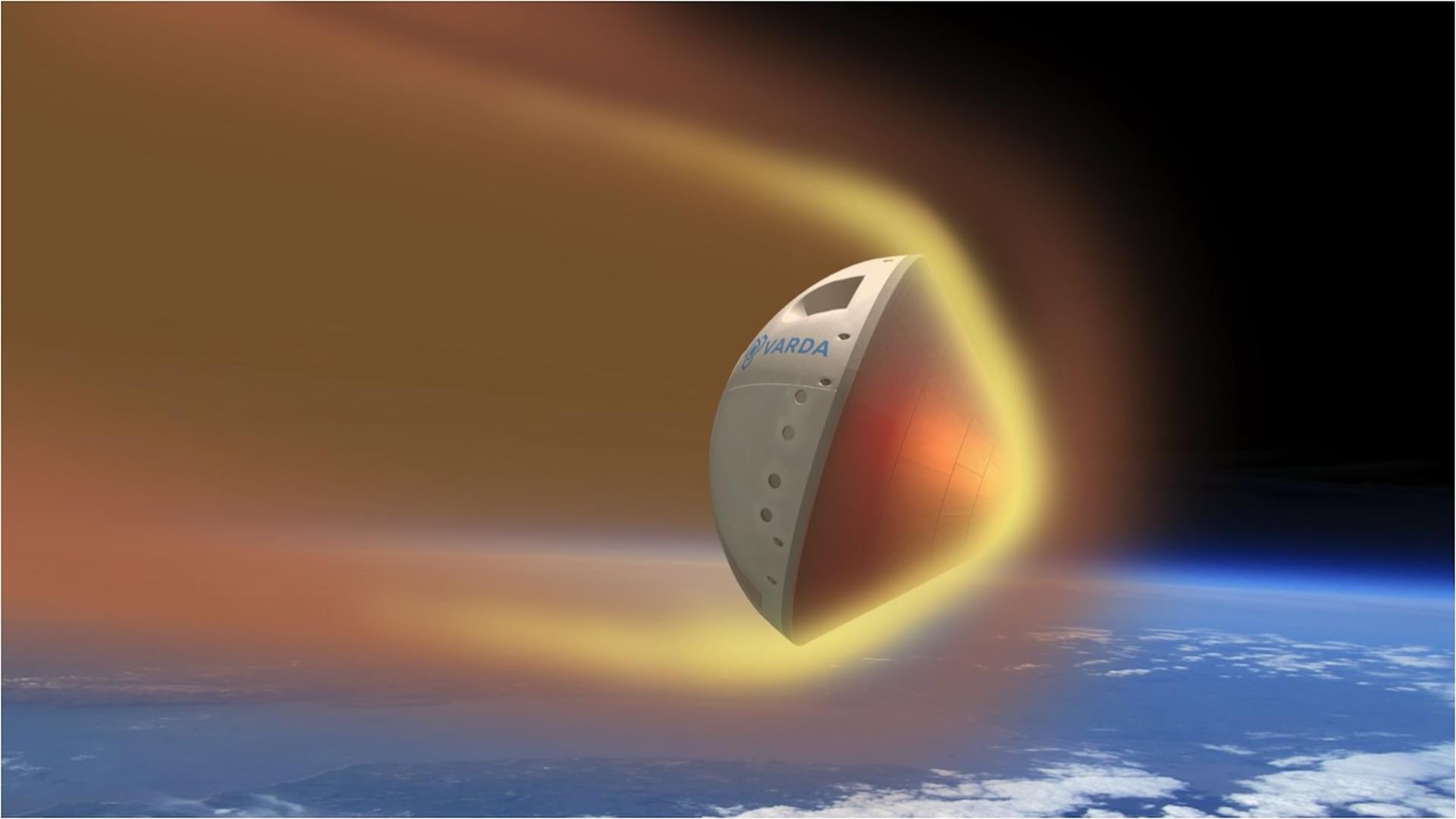
Varda Space Industries has launched its sixth reentry capsule aboard SpaceX’s Transporter-16 mission.
The capsule launched aboard a Falcon 9 rocket from Vandenberg Space Force Base, California, at 4:02 am PT (11:02 am UTC). It carried a US government-funded hypersonic technology experiment within its interior.
The payload was designed to test a hypersonic navigation system capable of accurately identifying spacecraft position, even when communications are blocked by intense plasma sheaths during hypersonic flight.

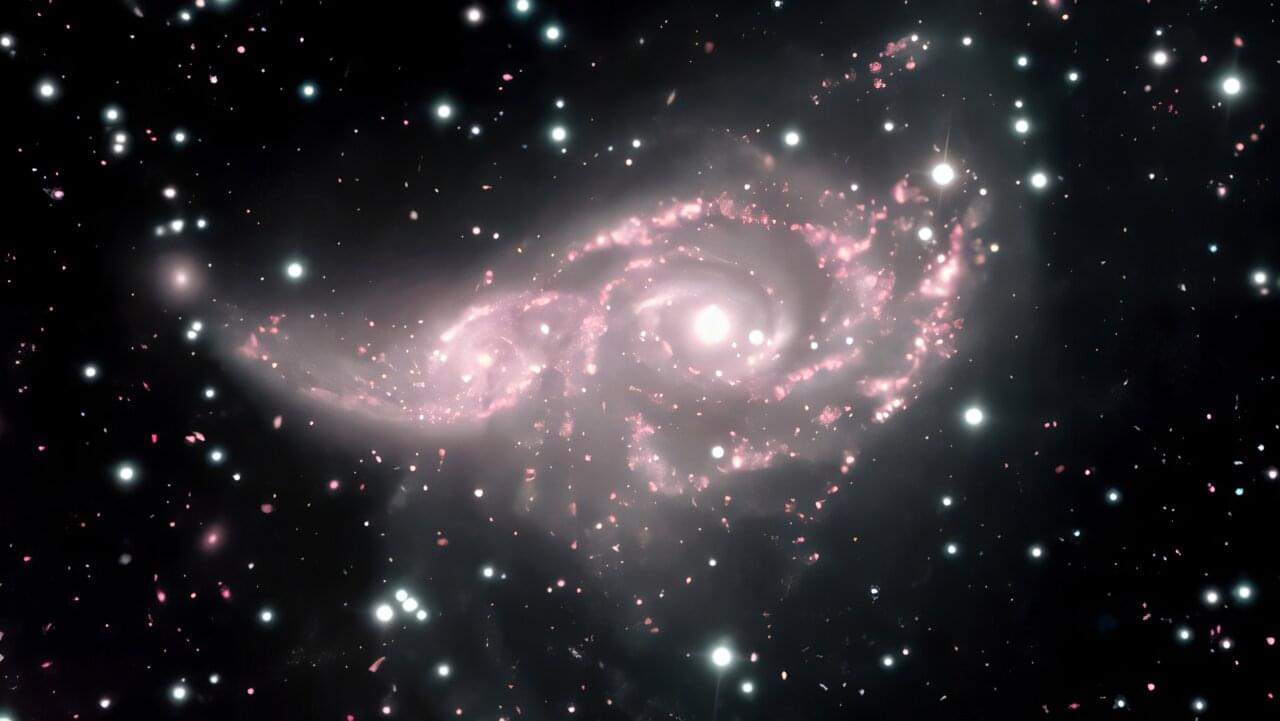
An astronomer at the University of Hawaiʻi at Hilo is using data from the Canada–France–Hawaiʻi Telescope (CFHT) on Maunakea to help reconstruct a slow-motion cosmic collision, one that has been unfolding for hundreds of millions of years. A new study from principal investigator R. Pierre Martin, a professor of astronomy at UH Hilo, and international researchers such as Ph.D. student Camille Poitras and colleagues at Université Laval in Québec, Canada, simulates the past, present, and future of two spiral galaxies, NGC 2207 and IC 2163.
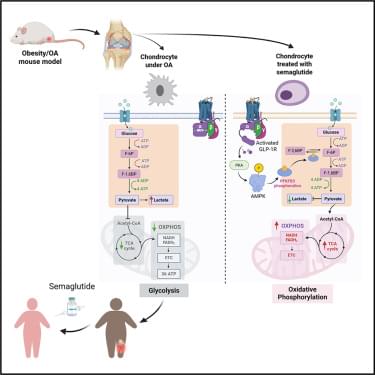
Weight loss-independent mechanism to ameliorate osteoarthritis by semaglutide.
Occurrence and progression of osteoarthritis (OA) is linked to metabolic disorders but molecular mechanism is not clear.
The researchers in this study demonstrate chondroprotective effects of a glucagon-like peptide-1 receptor (GLP-1R) agonist, semaglutide, in obesity-related osteoarthritis.
Mechanistically, these effects are independent of body weight loss and involve metabolic reprogramming of chondrocyte via the GLP-1R-AMPKPFKFB3 signaling axis. sciencenewshighlights ScienceMission https://sciencemission.com/Semaglutide-ameliorates-osteoarthritis
Qin et al. demonstrated the chondroprotective effects of semaglutide in obesity-related osteoarthritis. Mechanistically, these effects are independent of body weight loss and involve metabolic reprogramming of chondrocyte via the GLP-1R-AMPK-PFKFB3 signaling axis.
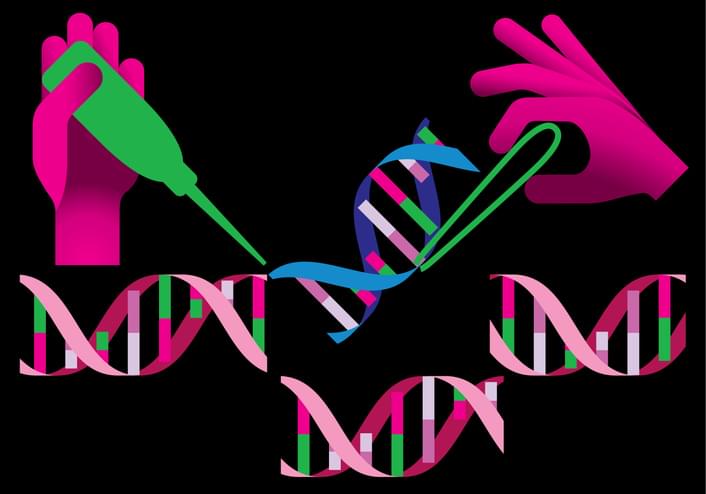
A partnership involving a medical school, a non-profit organization, and a biotech company have formed a partnership for the development and manufacture of an accessible and commercially viable hematopoietic stem cell (HSC) manufacturing platform for diseases like sickle cell disease (SCD). The alliance combines Trenchant BioSystems’ technology for automating patient-specific cell and gene therapy (CGT) processes, the University of Massachusetts Chan Medical School’s expertise on blood stem cell processes, and Caring Cross’s expertise in increasing patient access.
The collaboration will focus on developing a gene-modified stem cell manufacturing process with Trenchant’s AutoCell automated CGT manufacturing platform that is designed to be scalable and operate at place-of-care in an ISO class 7 environment to increase efficiencies and decrease costs.
A key reason Trenchant BioSystems’ automated CGT manufacturing platform was selected is its use of a microbubble separation approach as an alternative to immunomagnetic bead-based separation for stem cell gene therapies, point out officials at Caring Cross and Chan Medical School. In addition, AutoCell has a small footprint and significantly fewer facility requirements, important factors for lowering the cost of these therapies, adds Jon Ellis, CEO, Trenchant BioSystems.
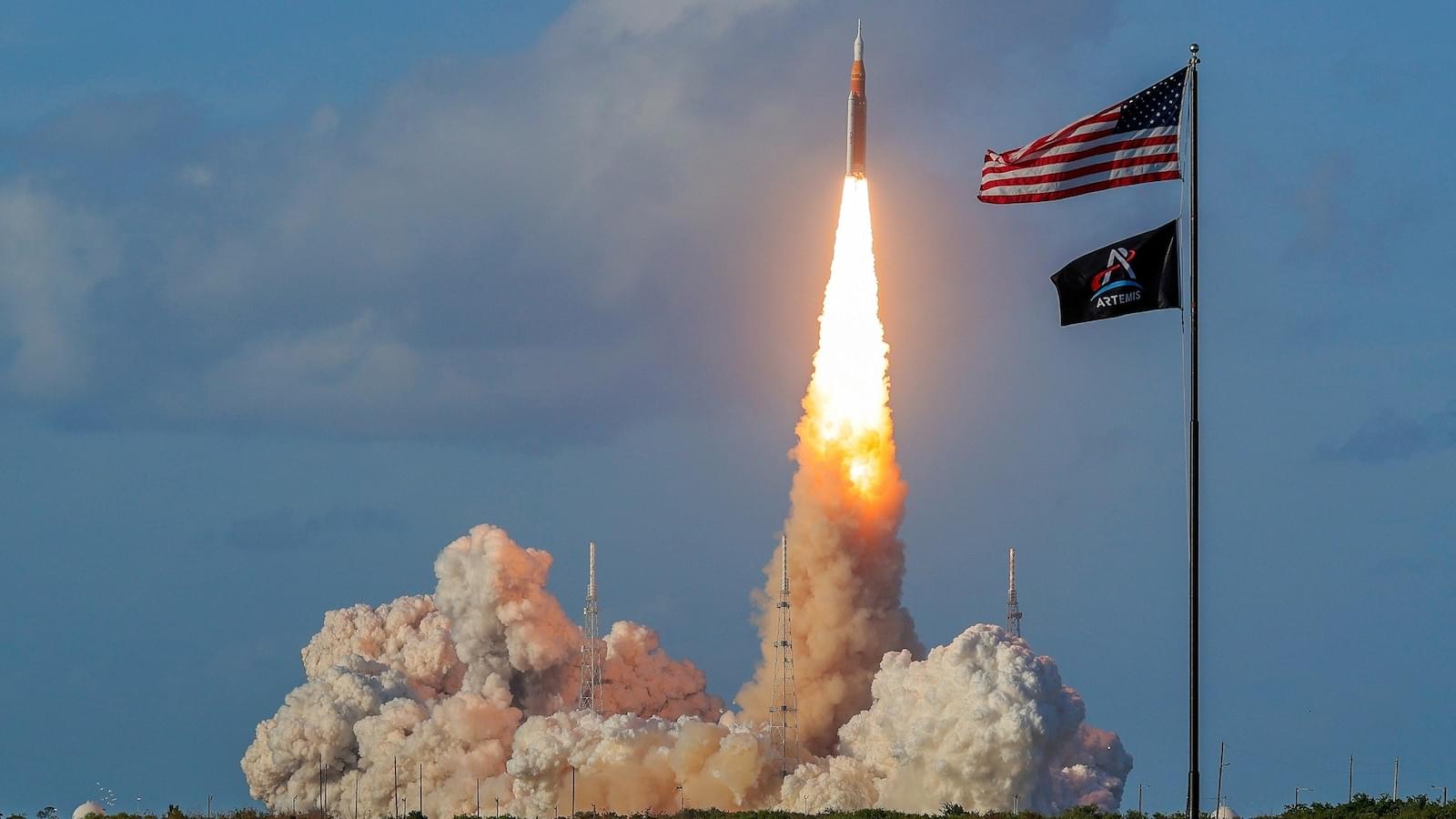
Artemis II will make history, taking astronauts around the moon for the first time in more than 50 years. The four-person crew will launch from NASA’s Kennedy Space Center on Merritt Island, Florida, for a 10-day journey.
The trip will pave the way for future Artemis missions intended to eventually see astronauts set foot on the moon, and the building of a permanent lunar base.
Read more here about what you need to know regarding the Artemis II mission, including how long it will take, who the astronauts are and how to watch.
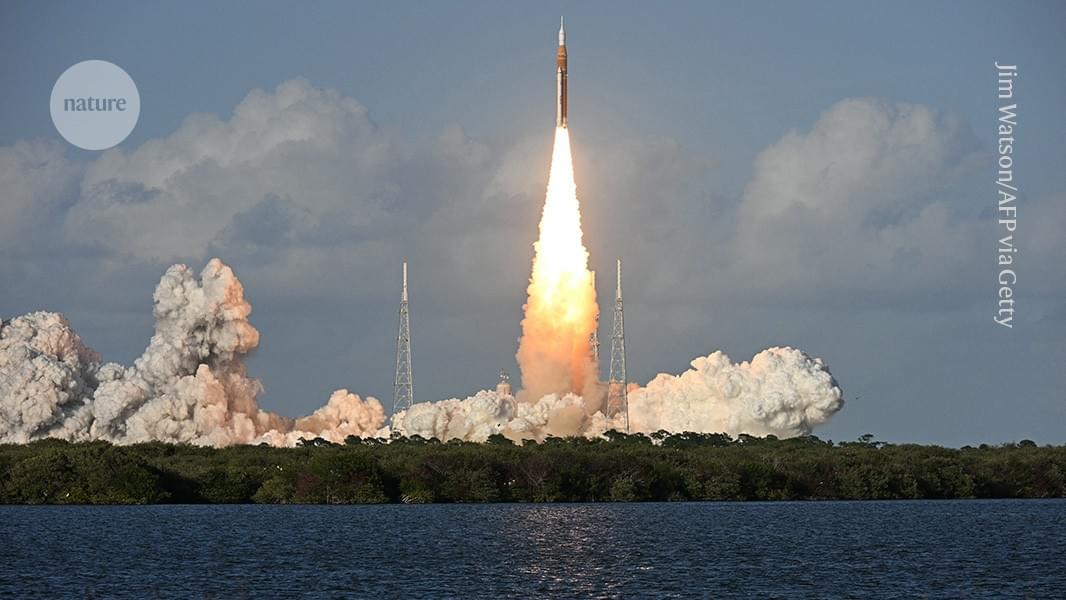
Hope, inspiration, and wonder. Making science fiction into reality. I salute all of the brave and brilliant people who have contributed to this vital mission. 3 An article on the Artemis II launch.
Four people are on their way to the Moon — for the first time since Apollo astronauts stepped off the lunar surface more than 50 years ago. They launched successfully this evening from Cape Canaveral, Florida, on NASA’s Artemis II mission, and, if everything goes to plan, they will travel farther from Earth than any human has before.
“Humanity’s next great voyage begins,” said NASA launch commentator Derrol Nail as the rocket cleared the launch tower.
The astronauts will now orbit Earth for about 24 hours to perform checks on their spacecraft, and then fire their rocket engines to set them on course for the Moon. The voyage there will take three days, the lunar surface growing ever larger in the capsule’s windows as they approach. On arrival, they will slingshot around the Moon’s far side, glimpsing lunar regions no human has ever seen by eye, and then make the three-day journey back home (see ‘Artemis II trajectory’).
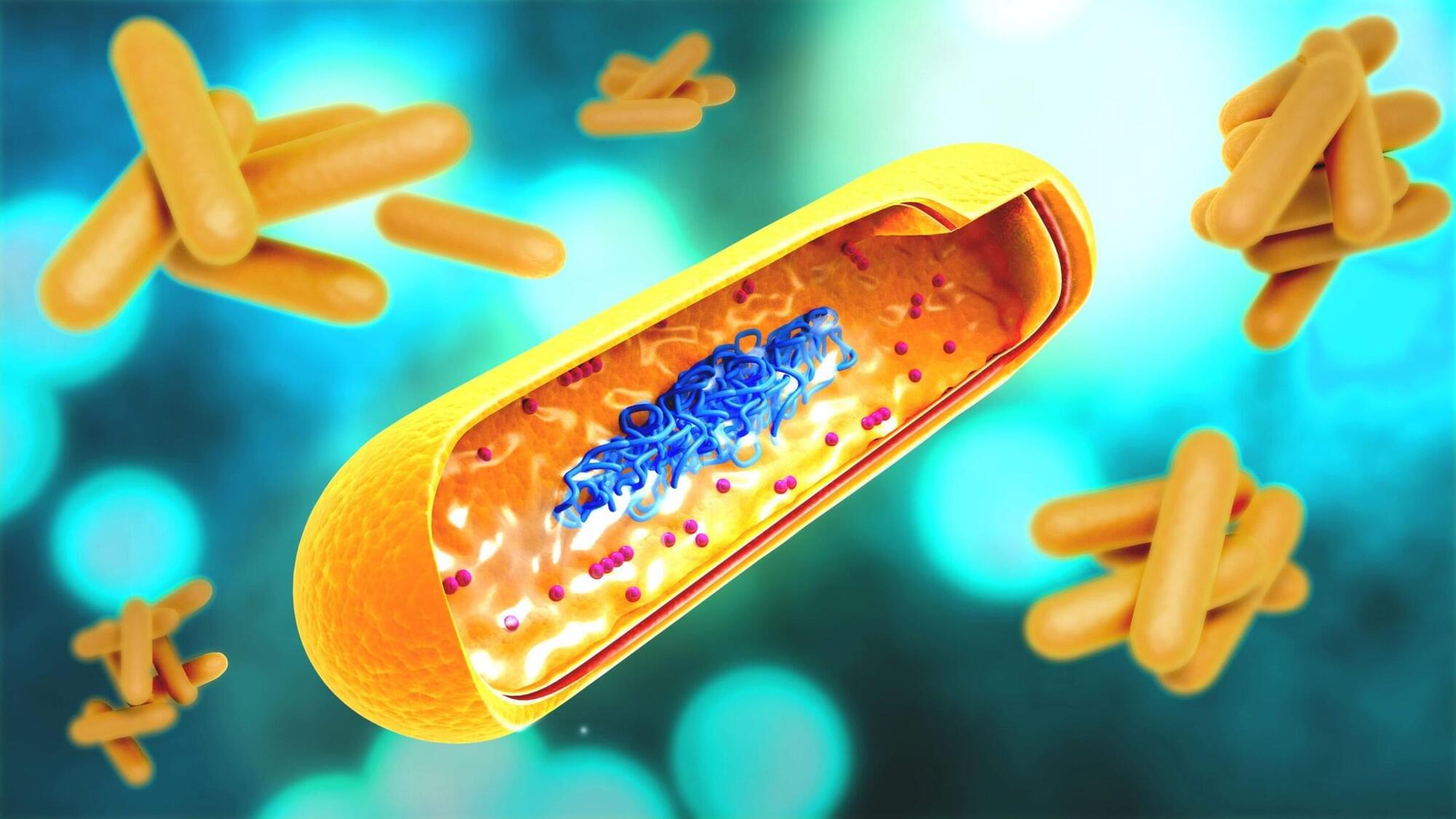
In a paper published in the Journal of Clinical Investigation, a research team at Johns Hopkins Medicine and the Johns Hopkins Bloomberg School of Public Health reports developing a therapeutic intranasal (nose-delivered) DNA vaccine against tuberculosis (TB) that fuses two genes with the goal of directing the immune system to fight drug-tolerant bacterial “persisters” that can survive prolonged antibiotic therapy and contribute to disease relapse.
A scourge for at least the past 6,000 years, TB is estimated by the World Health Organization (WHO) to be a latent, symptom-free infection in about one-quarter of the world’s population, approximately 2 billion people. In 2024 alone, WHO reported that more than 10 million people worldwide developed active TB disease, with 1.2 million deaths recorded. This makes TB the leading cause of death from a single infectious disease.
In recent years, WHO has called for therapeutic vaccines that can be used alongside drug therapies to shorten TB treatment regimens and improve outcomes, particularly because long multidrug courses are difficult to complete, and drug-resistant TB strains continue to emerge. The vaccine described in the new Johns Hopkins study shows promise for meeting that need.
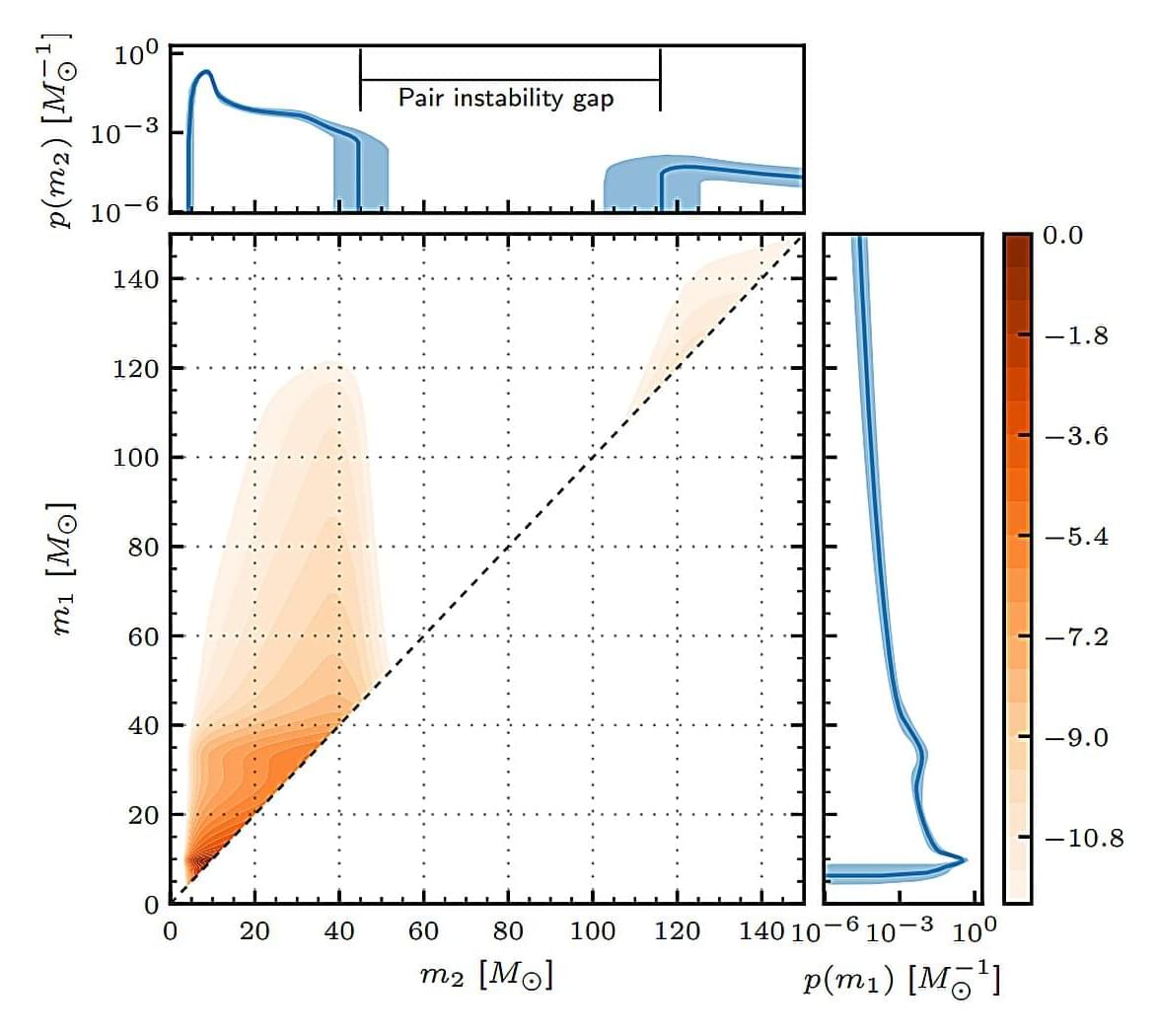
An international team led by Monash University has uncovered evidence of a rare form of exploding star, helping to shed light on one of the most cataclysmic events in the universe. At the end of their lives, most massive stars collapse into black holes—objects with gravity so strong that not even light can escape.
Some very massive stars, however, are expected to become so hot that they are blown apart in a pair-instability supernova—an explosion so intense that the star is completely disrupted, leaving behind no black hole.
First predicted in the 1960s, pair-instability supernovae are challenging to distinguish from more common stellar explosions that leave behind black holes.