Toggle light / dark theme

Get the latest international news and world events from around the world.

Log in for authorized contributors

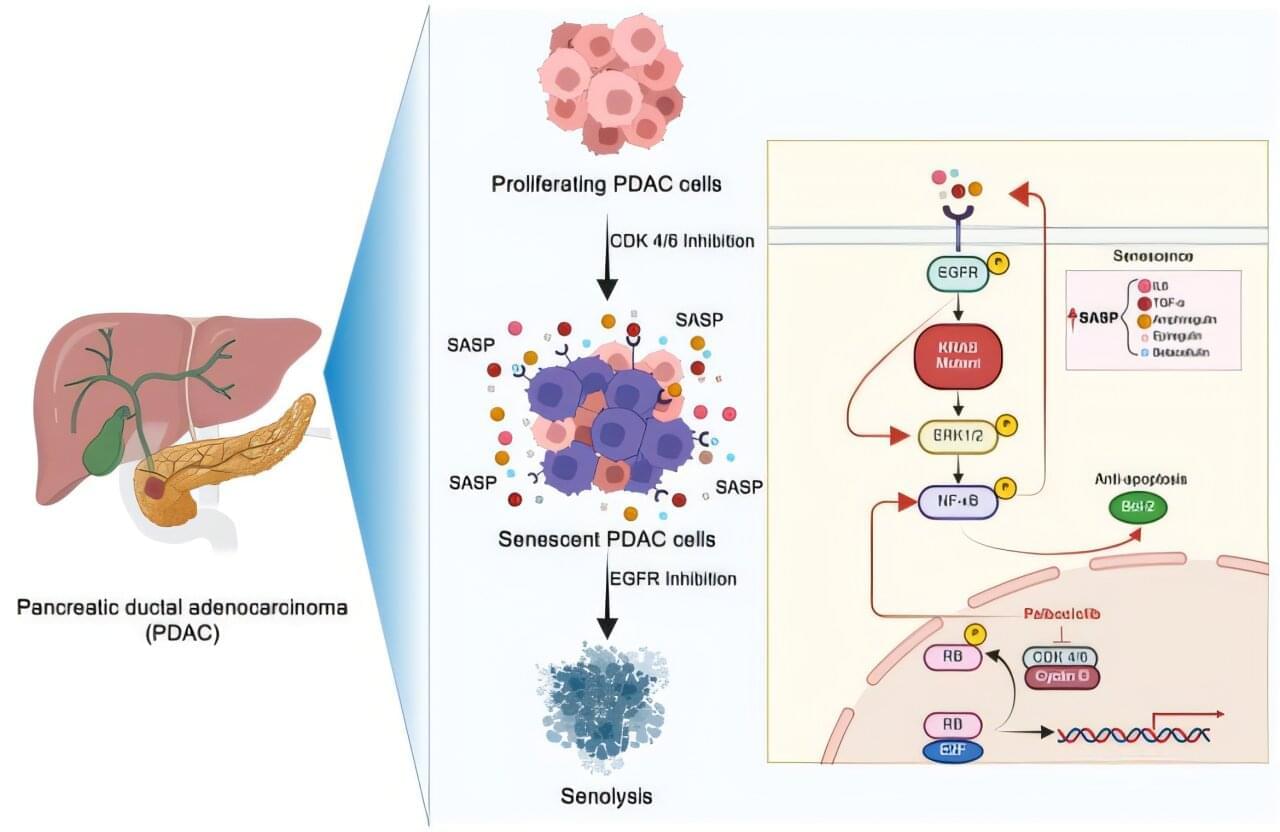
Study finds CDK4/6 plus EGFR blockade kills pancreatic cancer cells without KRAS drugs

Clinically available KRAS inhibitors mainly target G12C, which is rare in PDAC and often acquires resistance. Oncogenic KRAS inactivates RB1 via CDK4/6, while RB1 mutation is rare. Thus, CDK4/6 inhibition offers an indirect strategy to counter KRAS-driven malignancy without direct KRAS targeting.

Virtually all pancreatic ductal adenocarcinomas (PDACs) are initiated by activating mutations in the oncogene KRAS, which occur in multiple distinct allelic forms. Although considerable efforts have led to the development of inhibitors targeting specific mutant KRAS proteins, the only agents currently approved for clinical use selectively target the KRASG12C variant. However, KRASG12C mutations are exceedingly rare in pancreatic cancer.

Furthermore, in patients with KRASG12C-mutant pancreatic cancer, treatment with KRASG12C inhibitors has shown only modest clinical benefit, comparable to that of conventional chemotherapeutic regimens, and even in cases with an initial objective response, acquired resistance almost invariably emerges within a limited time frame.

Autism’s Link to Parkinson’s Risk May Finally Be Explained

People with autism may be up to six times more likely to develop Parkinson’s disease in later life. New research offers a potential explanation based on the role of transporter molecules that recycle unused dopamine in the brain.

Dopamine is a neurotransmitter crucial for managing movement and executive functions, and for reinforcing behavior. It’s well known that Parkinson’s is characterized by a drop in dopamine levels, while disruptions in the transport of the chemical have also been linked to autism.

With that context, researchers led by a team from the University of Missouri in the US took a novel approach using a technology known as a DaT SPECT scan, which is typically used to diagnose Parkinson’s in much older people.

Urinary Tract Infection in Young Febrile Children in the Emergency Department

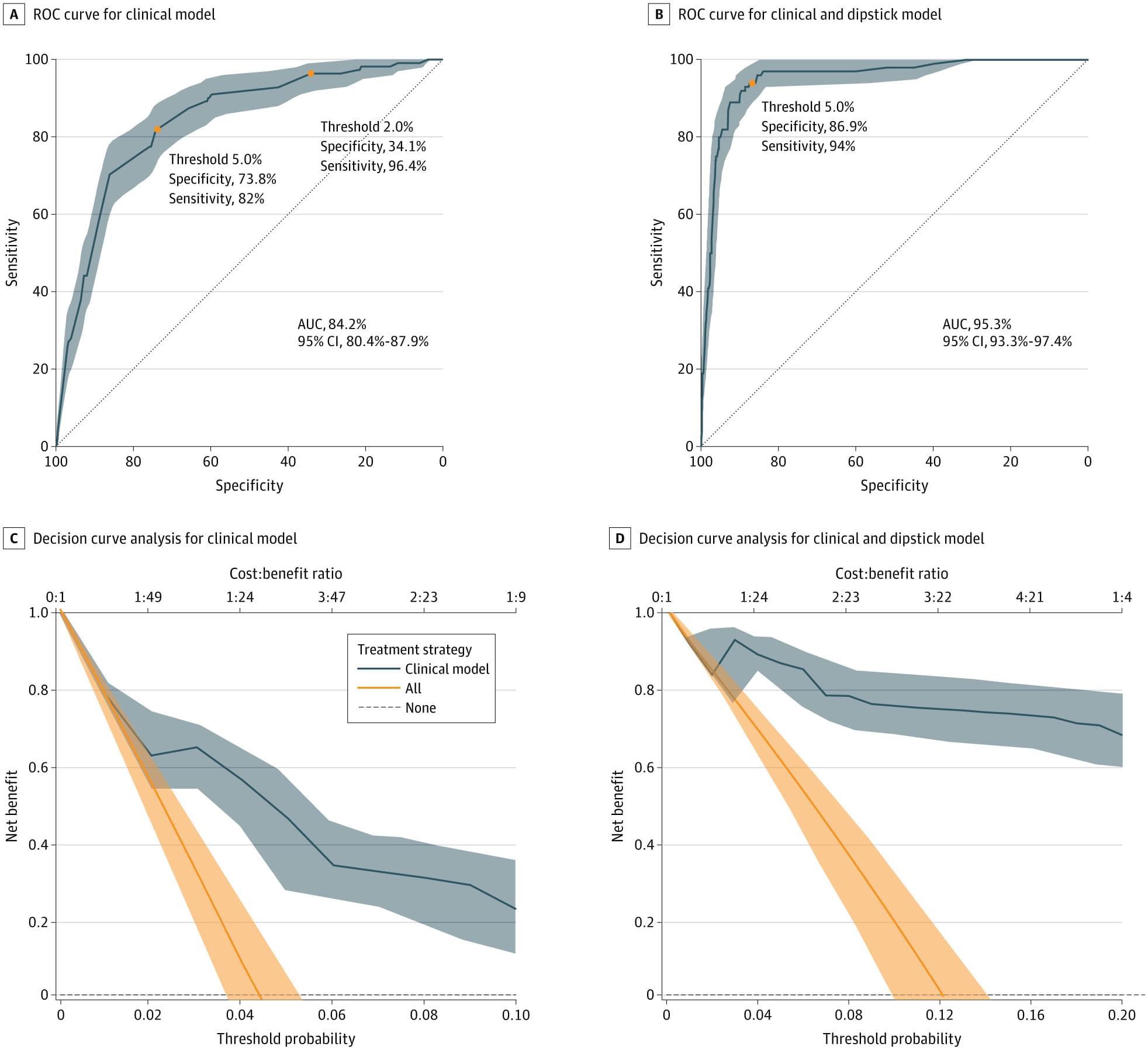
UTICalc demonstrated strong diagnostic performance for UTI in febrile children aged 2 to 24 months, supporting its use as an evidence-based adjunct in emergency department patient assessment.


This multicenter diagnostic study prospectively provides the final stage of external validation for UTICalc in young febrile children. We found strong discrimination for the model, which was improved when incorporating dipstick data. This study supports integration into clinical care as a tool for diagnostic stewardship in pediatric care.

Decision curve analysis supported the utility of both UTICalc models across relevant thresholds. However, clinician judgment demonstrated higher sensitivity in the high-volume tertiary centers where this study was conducted, reflecting pediatric emergency medicine practitioner expertise. Because most children presenting for acute care are evaluated outside tertiary centers,27 possibly with limited pediatric expertise and uncertain follow-up, using a 5% risk threshold—despite reducing testing—may not be ideal due to reduced sensitivity. UTICalc may serve as a useful adjunct for clinicians with less pediatric experience or in cases of diagnostic uncertainty, with lower risk thresholds (eg, 2%) potentially more appropriate for patients with persistent symptoms or anticipated barriers to follow-up.

The observed UTI prevalence of 4% in our cohort is consistent with previously reported risk estimates in this population, which ranges from 3% to 11%.2,28,29 Model performance in our study was comparable with the original derivation and validation study published in 2018, which reported an AUROC of 0.80 in the clinical model and 0.97 in the clinical and dipstick model. Low PPV in our sample is reflective of low disease prevalence.

China succeeds in mimicking photosynthesis and transforming CO₂ and water into fuel: the experiment that could revolutionize the production of synthetic gasoline

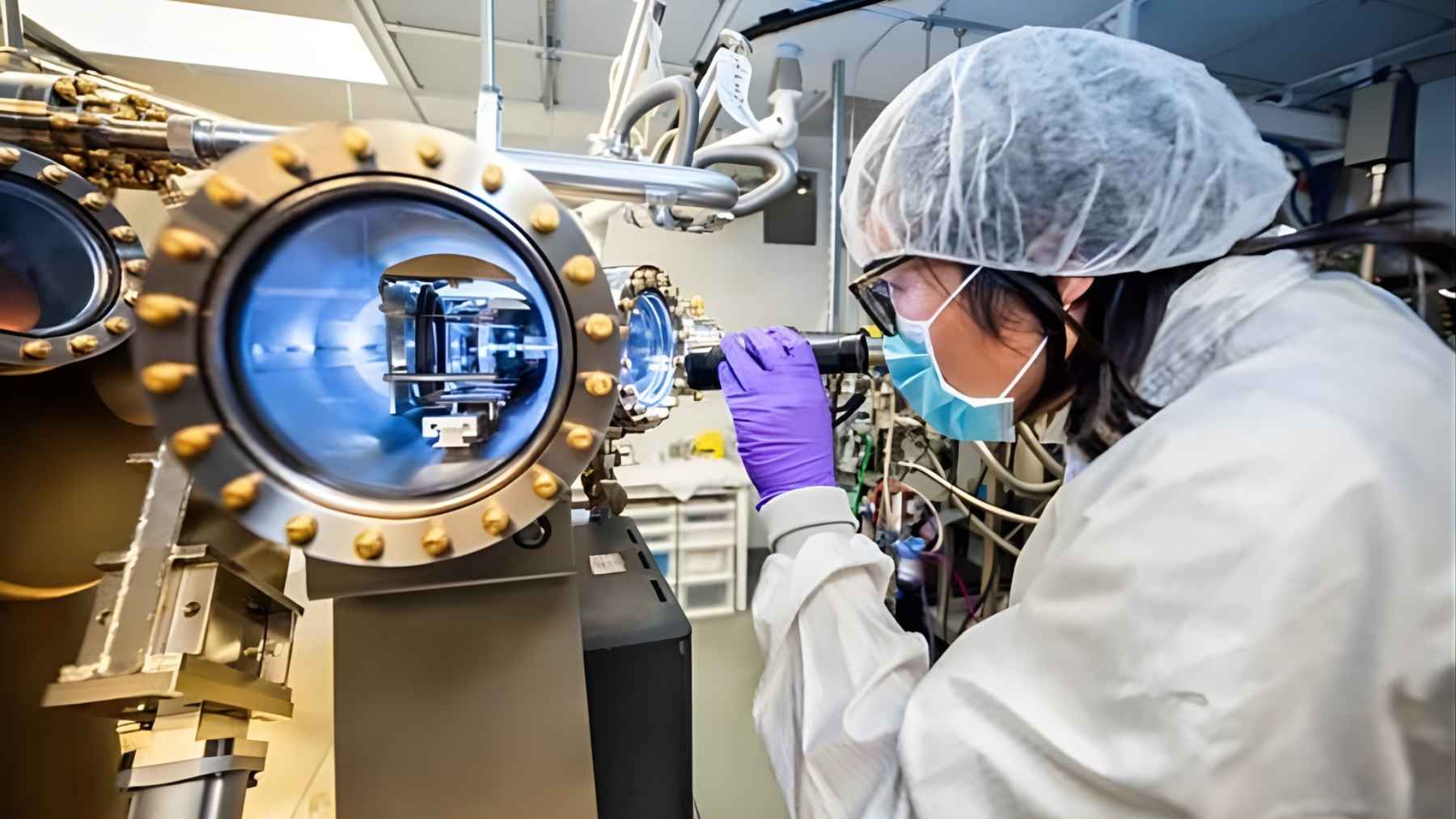
Could future gasoline come from thin air and sunlight instead of oil wells? A team of Chinese scientists has unveiled a lab system that imitates plant photosynthesis to turn carbon dioxide and water into gasoline building blocks using only sunlight. Their work hints at a way to recycle a major greenhouse gas while still using existing engines and fuel infrastructure.

In an artificial photosynthesis study, the researchers report a “charge reservoir” material that stores solar energy as electrical charge, then delivers it on demand to drive reactions. The system converts carbon dioxide into carbon monoxide, a key building block for synthetic fuels, and uses water as its only electron source instead of extra helper chemicals.

Although still a lab device, the setup works under natural sunlight and is meant to connect renewable energy to industry and transport.

The Rapid Trajectory Of Artificial Intelligence

Please see my latest Forbes article: The Rapid Trajectory of Artificial Intelligence: From Machine Learning Foundations to Generative Creativity, Agentic Autonomy, Human Augmentation, Neuromorphic Intelligence, and the Cyborg Horizon.

Thanks and have a great weekend!

#artificialintelligence #tech #ai #future @forbes


Artificial intelligence continues to evolve at an accelerating pace, transitioning from narrow, data-driven tools to systems capable of reasoning, and autonomous action.

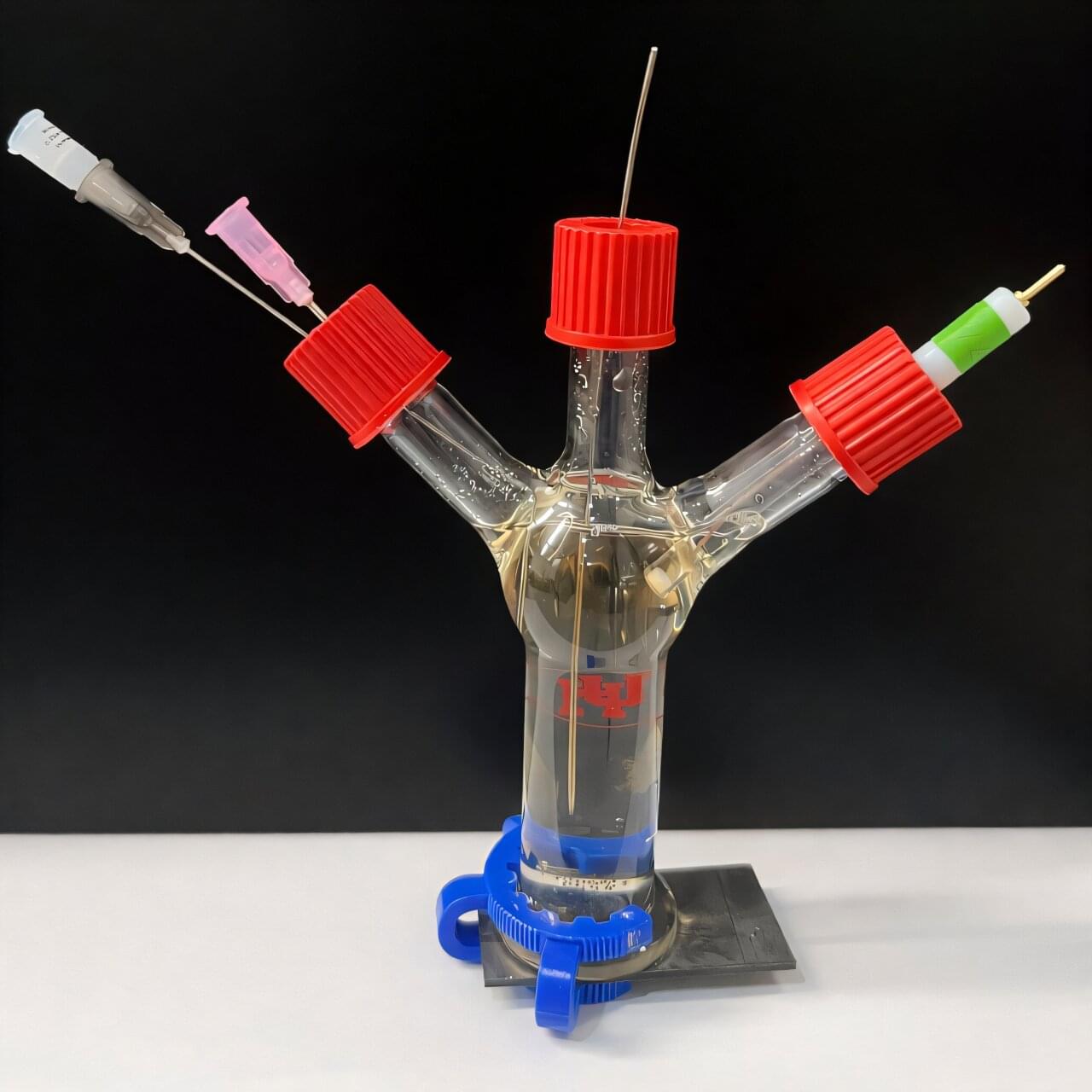
How an acid found in grapes could help recycle battery metals

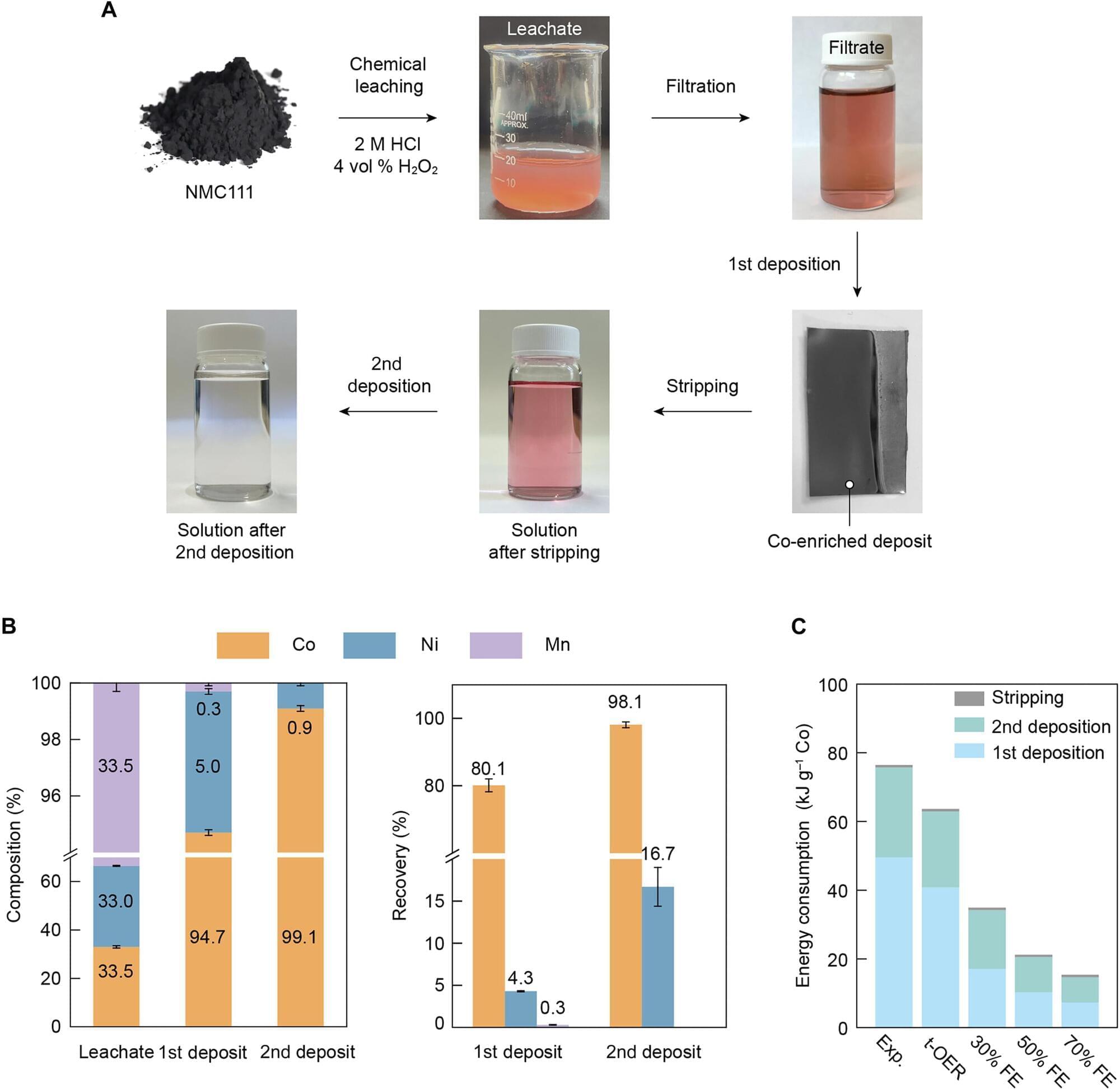
Cobalt and nickel are vital components for batteries, superalloys and catalysts, used in technologies ranging from smartphones to jet engines. But when it comes to recycling, they are notoriously difficult to separate because they are chemically nearly identical. To solve this, a team led by scientists at Johns Hopkins University in the United States has developed a cleaner and cheaper way to extract these elements. And it is thanks in part to grapes.

Bacteria that generate electricity: How a shellfish-based gel could monitor wastewater and food

Microbial bioelectronic sensors use living bacteria that can create an electrical signal in response to the presence of a target substance, or analyte. These types of sensors offer many advantages over other types of biosensors based on proteins and enzymes: The bacteria can perform multiple functions, survive in a variety of environments and even grow and regenerate for potential long-term use.

However, building devices using living bacteria poses several challenges. The mediators some bacteria use to send and receive electrons, creating the electric signal, can be swept away from the sensor by liquid environments researchers would want to monitor, like wastewater. Some mediators are toxic to humans or the environment. Rice University researcher Rafael Verduzco developed a safe bioelectronic sensor that allows for effective electronic communication even in liquid environments. The study was recently published in the journal Advanced Materials.

“This system uses a naturally occurring polymer chitosan, which is found in the hard outer shells of crustaceans. In our system, the chitosan also acts kind of like a shell to keep the bacteria from escaping. It is also modified to have anchor points the mediators can attach to, which are critical to transport electrons,” said Verduzco, corresponding author on the paper and the A.J. Hartsook Professor of Chemical and Biomolecular Engineering. “This material provides a flexible way to encapsulate the bacteria and enhance electronic signals. Since it’s based on a low-cost and renewable polymer, we think it has great potential for real-world applications.”

/* */