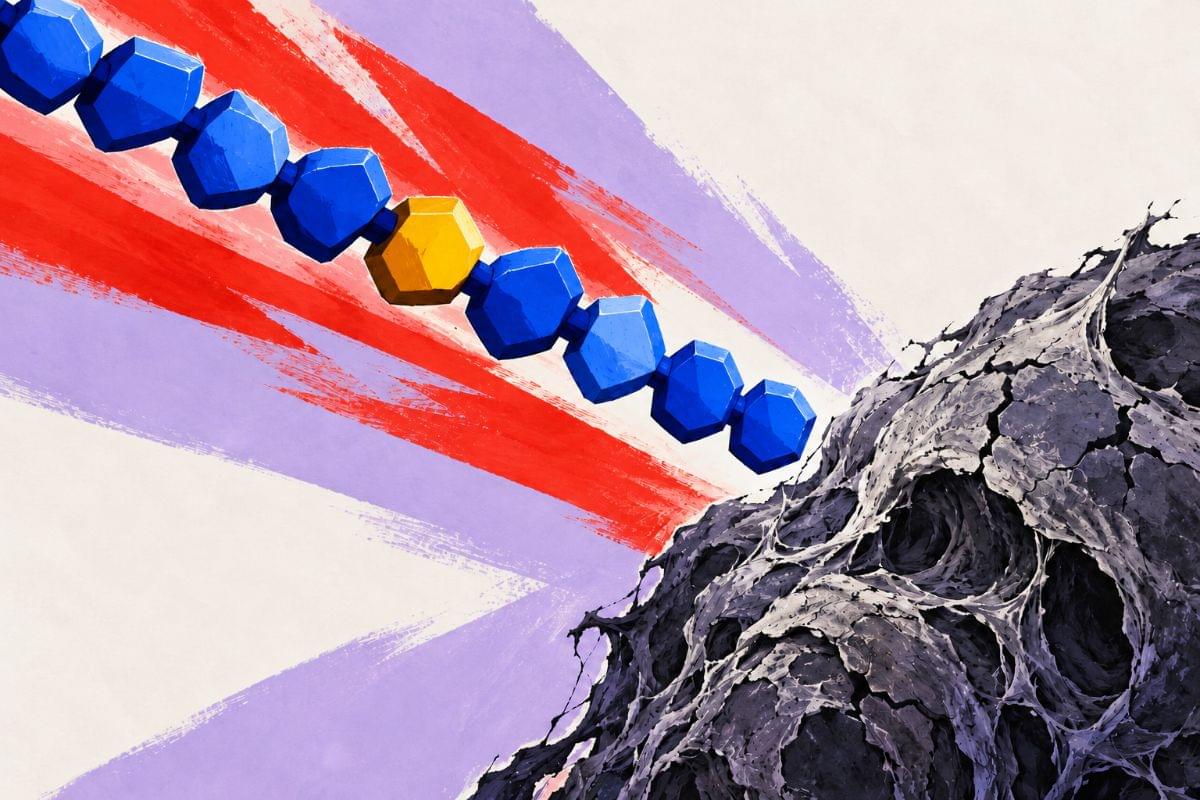
Immorta Bio says its AI-designed SenoMune-0257 prompts T cells to clear senescent cells, and plans first human evaluation before year-end.
Get the latest international news and world events from around the world.
CSF DNA testing when brain tumor diagnosis is uncertain
A Mayo Clinic study examines whether DNA in cerebrospinal fluid can provide clues when MRI is unclear or brain tumor biopsy is difficult or unsafe.
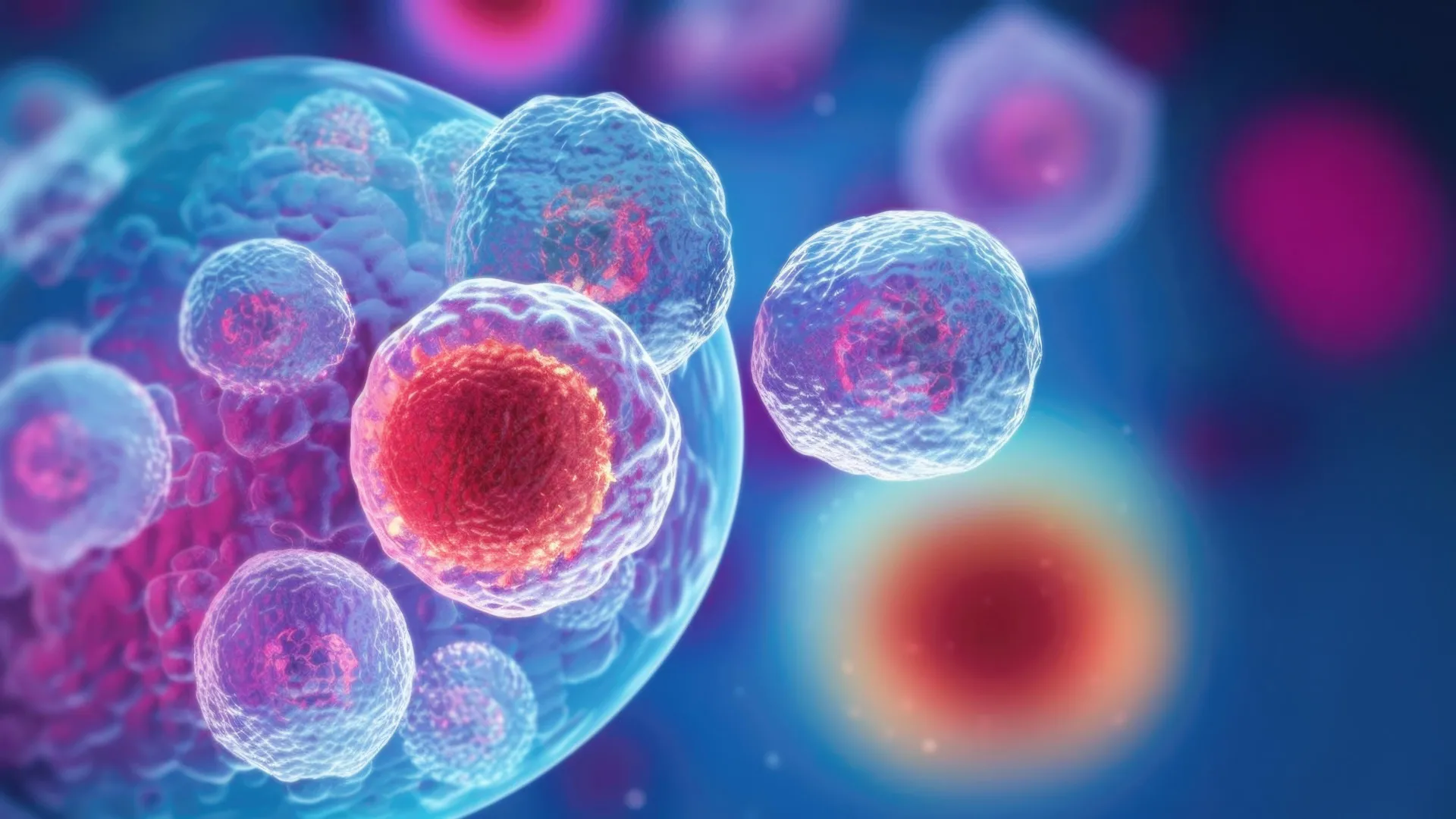
Rejuvenation breakthrough: Scientists reverse 60 years of aging in human cells
“We also know that this epigenetic rejuvenation ensures that the cells actually behave like young cells,” says the scientist.
A Slower Rejuvenation Process Reveals New Clues
Scientists have previously observed that reprogramming cells can reset their biological age. However, earlier demonstrations of this effect involved a more complicated process requiring two distinct stages.
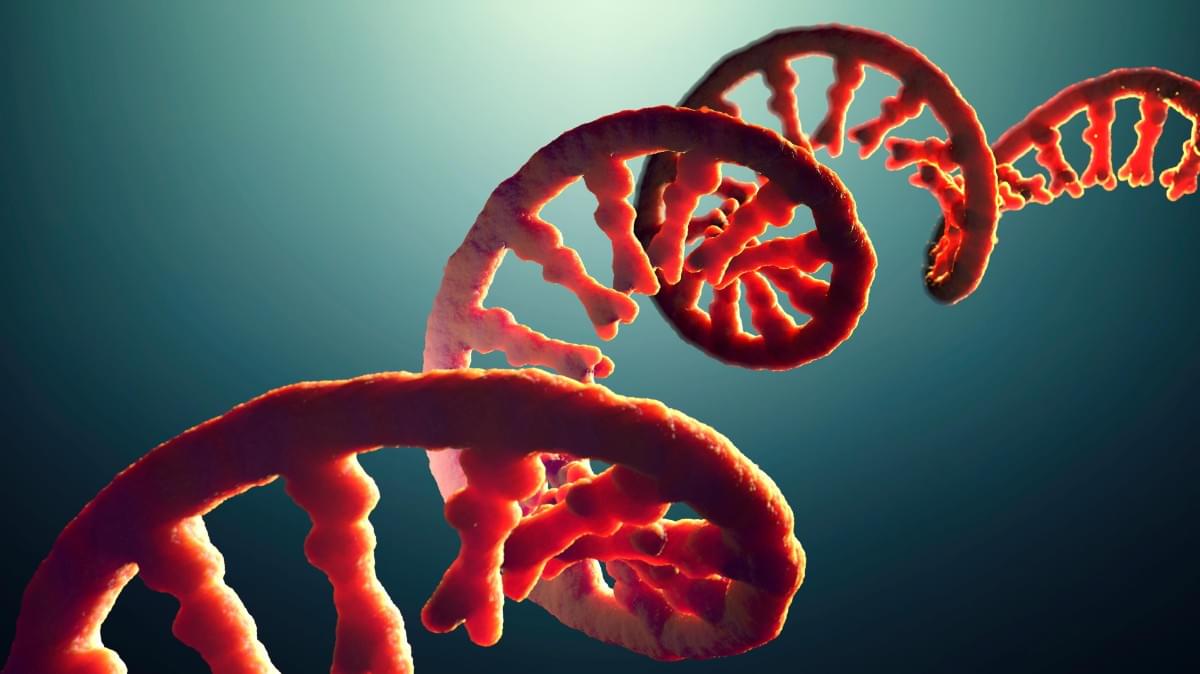
CRISPR gene editing: from one patient to a platform
A personalized CRISPR treatment for a critically ill baby shows how editing, RNA manufacturing, and delivery are converging into faster, more reproducible therapeutic workflows.

Dual targeting of transferrin receptor and CD98hc enhances brain exposure of large molecules
Very intriguing paper on antibodies equipped with binding domains for both the TfR1 and CD98hc receptors (found abundantly on the blood-brain-barrier). Brain uptake was enhanced by using binding domains for both receptors. Wells et al. also varied the TfR1/CD98hc affinities of the binding domains and explored how different combinations of affinities influenced brain uptake and localization within the brain. Interestingly, higher CD98hc affinity made the antibody brain concentration peak at 7 days post-injection whereas higher TfR1 affinity made the antibody brain concentration peak at 1 day post-injection. Additionally, stronger CD98hc binding led to more astrocyte localization while stronger TfR1 binding led to more neuronal localization.
Wells et al. developed a dual-targeting transport vehicle binding both transferrin receptor and CD98hc, two proteins highly expressed at the blood-brain barrier. Through affinity tuning, the authors demonstrated that brain concentration, kinetics, and cellular distribution can be modulated, offering a versatile platform for CNS delivery of biotherapeutics.
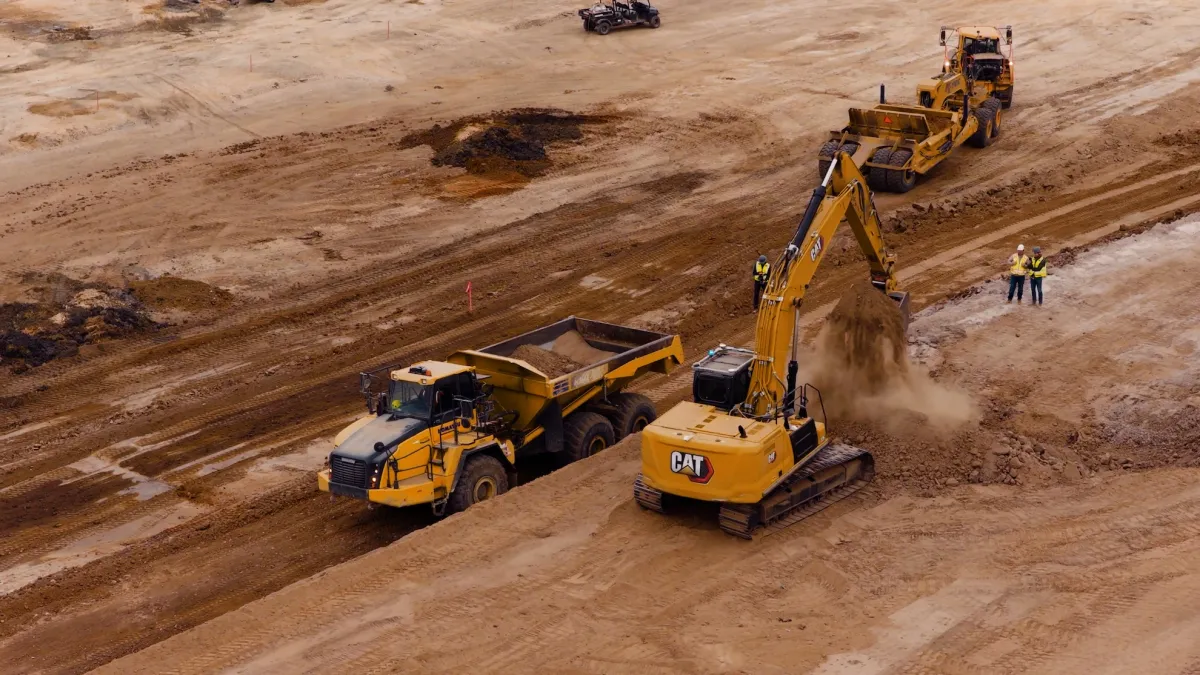
This startup’s self-driving excavators help dig up $600M in new funding
Bedrock Robotics has raised $600 million in a funding round that values the autonomous vehicle technology startup at $4.1 billion, marking a speedy ascent for the two-year-old company.
The Series C round, co-led by CapitalG and Emergence Capital, comes two months after the startup reached a key milestone: moving its autonomous excavators beyond testing and pilot programs and putting them to work on active construction sites.
Bedrock Robotics has developed a self-driving kit that can be retrofitted onto construction and other worksite vehicles. Excavators outfitted with Bedrock’s autonomous-driving tech are now commercially operating at a Nevada-based water treatment facility, an earthwork site run by Champion Site Prep in Texas, and a 1.2 million-cubic-yard civil sitework project with Zachry Construction Corporation.
This Machine Can Hijack Your Brain’s ‘Reality Engine’—And Reveal a Hidden World Inside You
Afterward, participants were led into the reflection room where staffers offered to help them process what they had experienced. At a center table, participants could draw what they’d seen. “People had very profound emotional experiences,” Crook says. “We saw a lot of grief, a lot of buried sadness or loneliness. For the first time, people were given a space in which to sit with themselves for an hour or so with their feelings and with other people around them.”
One of those people was Daniel Tudor, a young man who attended the experience 27 times in London. The Dreamachine, he says, allowed him to process unresolved trauma, including the death of his father. After the experience, he called his mother to tell her about it, and “started to cry very hard,” he told the Dreamachine team. “I have never cried in front of my mum before. It was like the experience in the Dreamachine released those emotions which I had buried since childhood.” Since then, Tudor says, he has become calmer, happier, lighter, more accepting of life as it is, more humble and tolerant, more accepting of others’ views.
So how did the Dreamachine experience facilitate that? It comes down to the way our brains experience our environment, says Reeder.
GTA Online’s loading screen fixed by a total stranger #game #story
For 7 years GTA Online kept players waiting up to 6 minutes, until a programmer with no source code found the 2 bugs behind it. He cut load times by almost 70%, and Rockstar paid him $10,000 and shipped his fix. Source (6 minutes, 70%, February 2021, Rockstar’s response): https://nee.lv/2021/02/28/How-I-cut-GTA-Online-loading-times-by-70/ Full stories on Dead Game Archive. 0:00 The paradox 0:19 It gets worse 1:38 The twist.