Toggle light / dark theme

Get the latest international news and world events from around the world.

Log in for authorized contributors

Google now allows you to change your @gmail.com address

Google is rolling out a new feature that allows users in the U.S. to change their @gmail address or create a new alias.

This feature was first spotted in October 2025 and showed up on some Google accounts by the end of the year, but it was not available in the United States.

Starting today, Google says you can customize your @gmail address in the United States.

Proton launches new “Meet” privacy-focused conferencing platform

Proton has announced a new video conferencing service named Meet and positioned it as a privacy-focused alternative to mainstream services like Google Meet, Zoom, and Microsoft Teams.

Meet provides end-to-end encrypted (E2EE) calls to protect the confidentiality of the conversations and does not require a paid plan or even a Proton account to use. It is free for one-hour meetings of up to 50 participants. For longer calls, Proton offers a “pro” plan that starts at $7.99/month.

Proton says Meet was created in response to the increasing need for privacy-first, EU-based alternatives that make it easier to comply with GDPR, or even CCPA (California Consumer Privacy Act), addressing the complexities of laws such as the US Cloud Act, and overcoming challenges posed by an increasingly unstable geopolitical environment.

GIGABYTE Control Center vulnerable to arbitrary file write flaw

The GIGABYTE Control Center is vulnerable to an arbitrary file-write flaw that could allow a remote, unauthenticated attacker to access files on vulnerable hosts.

The hardware maker says that successful exploitation could potentially lead to code execution on the underlying system, privilege escalation, and a denial-of-service condition.

The GIGABYTE Control Center (GCC), which comes pre-installed on all the company’s laptops and motherboards, is GIGABYTE’s all-in-one Windows utility that lets users manage and configure their hardware.

Cisco source code stolen in Trivy-linked dev environment breach

Cisco has suffered a cyberattack after threat actors used stolen credentials from the recent Trivy supply chain attack to breach its internal development environment and steal source code belonging to the company and its customers.

A source, who asked to remain anonymous, told BleepingComputer that Cisco’s Unified Intelligence Center, CSIRT, and EOC teams contained the breach involving a malicious “GitHub Action plugin” from the recent Trivy compromise.

The attackers used the malicious GitHub Action to steal credentials and data from the company’s build and development environment, impacting dozens of devices, including some developer and lab workstations.

A Startup Has Been Quietly Pitching Cloned Human Bodies to Transfer Your Brain Into

That hasn’t stopped some from exploring the idea as part of a secretive effort to realize an alternative to anti-aging tech that sounds like it was ripped straight out of a dystopian science fiction novel. A billionaire-backed stealth startup, called R3 Bio, recently announced that it was raising money to develop non-sentient monkey “organ sacks,” as Wired reported last week, an eyebrow-raising alternative to animal testing. Such structures would contain all typical organs excluding the brain, ultimately serving as a source for donor organs and tissues.

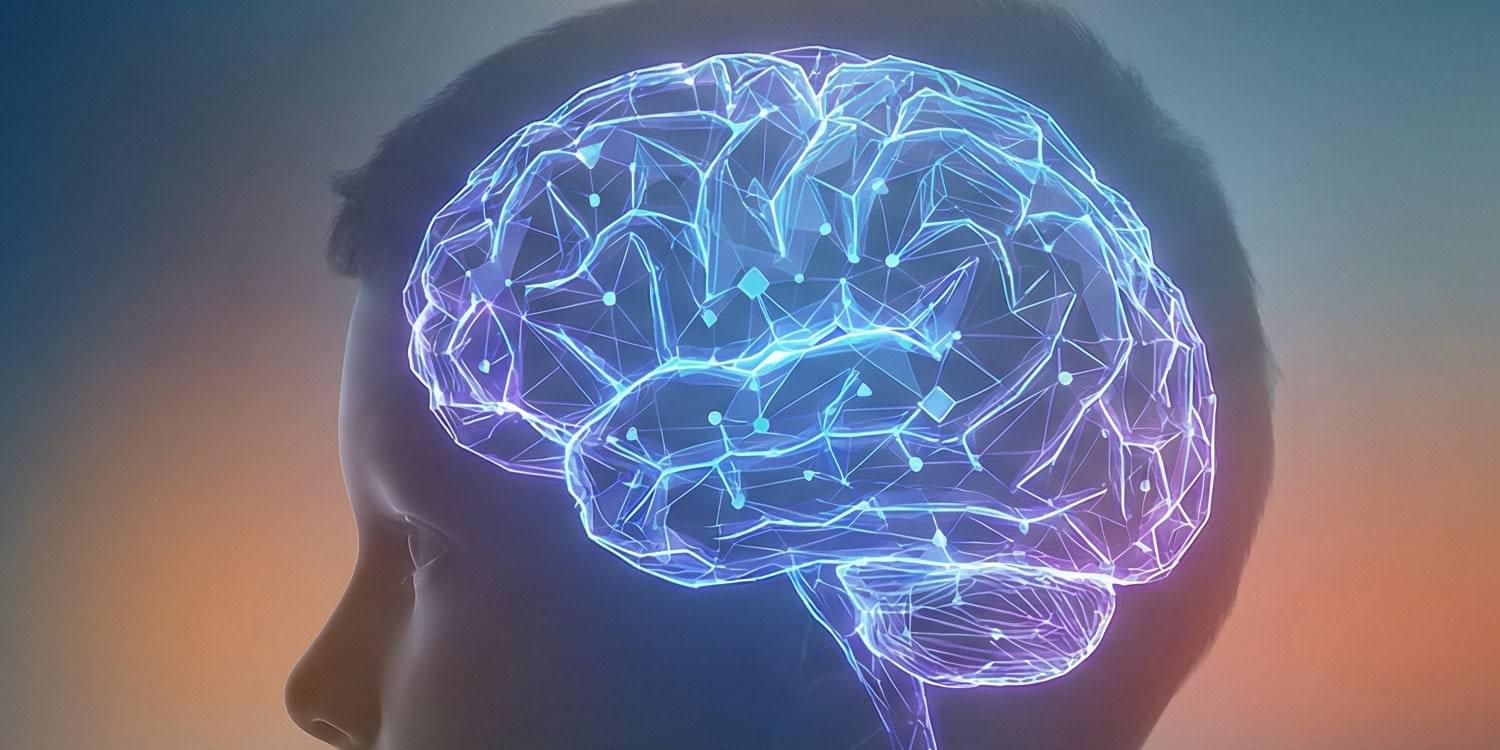
But according to a sprawling followup investigation by MIT Technology Review, R3 Bio’s founders secretly have a far more ambitious goal in mind: creating entire “brainless clones” of the human body that aging or ill individuals could one day transplant their brain into. One advantage of not developing the brain in the donor bodies, albeit a ghoulish one: such a brain-free clone would neatly circumvent certain moral conundrums over the concept.

Still, to call the idea ethically fraught would be a vast understatement. Despite an insider likening a pitch they heard from R3’s founder, John Schloendorn, to a “close encounter of the third kind” with “Dr. Strangelove” in an interview with Tech Review, the company has since distanced itself from the idea of brainless human clones.

Bile acid and steroid signatures tied to extreme longevity

Centenarians often live to 100+ due to a combination of protective genetic factors, which account for up to 50%, and healthy lifestyles, such as plant-forward diets, regular, natural movement and strong social connections. While these “agers” often possess unique immune system signatures, understanding the metabolic signs of healthy aging is not yet fully understood.

In a new study from Boston University Chobanian & Avedisian School of Medicine, researchers have discovered that centenarians have a distinct blood metabolite pattern that is not just an extension of normal aging. In particular, they show uniquely higher levels of certain primary and secondary bile acids and preserved levels of several steroids, patterns that diverge from the typical age trends seen in non-centenarians and that are linked to lower death risk. The study is published in the journal GeroScience.

“Our study points to measurable chemical fingerprints in the blood that are associated with living a very long and healthy life. If we can understand those fingerprints, we may identify biological pathways that could contribute to protecting people from age-related decline,” explains corresponding author Stefano Monti, Ph.D., professor of medicine at the school.

/* */