Toggle light / dark theme

Get the latest international news and world events from around the world.

Log in for authorized contributors

Cells use dual strategies to fine-tune inflammatory gene activation

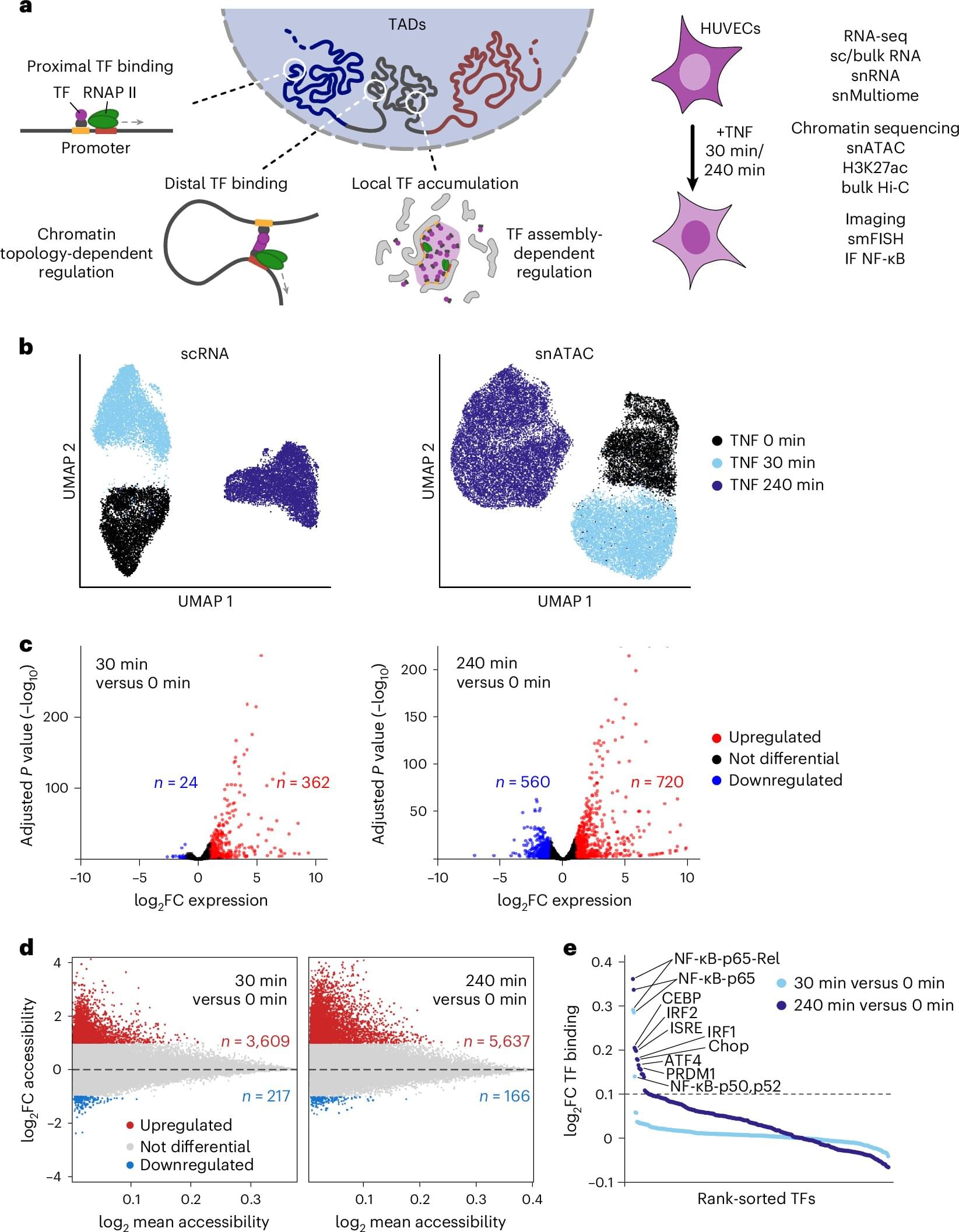
Inflammation has to fight pathogens fast—but it can’t get out of control. Researchers at the German Cancer Research Center (DKFZ) have now deciphered in more detail how the organism masters this balancing act. Their work shows that cells use two different strategies to precisely control inflammatory genes and thus precisely regulate the inflammatory response.

The work is published in the journal Nature Cell Biology.

Reversing immune suppression in pancreatic cancer could lead to novel therapies

In a unique finding, researchers at Georgetown’s Lombardi Comprehensive Cancer Center discovered that when pancreatic cancer cells send out tiny particles that are packed with certain microRNA molecules, nearby immune cells called macrophages are reprogrammed to help the tumor grow instead of engaging in their regular role of fighting the tumor. This insight from cell and mouse experiments helped the scientists outline a potential way to reverse the process and possibly improve outcomes in pancreatic cancer.

“Our approach focuses on blocking adverse outcomes of microRNA-based communication between pancreatic cancer cells and immune cells,” says Amrita Cheema, Ph.D., professor, Departments of Oncology, Biochemistry, Molecular and Cellular Biology and Radiation Medicine at Georgetown and senior author of the study. “By disrupting these channels of communication, we could reprogram the immune cells and restore their ability to fight cancer, resulting in meaningful reductions in pancreatic tumor growth.”

The study appears January 16, 2026, in the journal Signal Transduction and Targeted Therapy.

The cellular senescence–metabolism axis: emerging insights into T cell dynamics in the context of biological aging

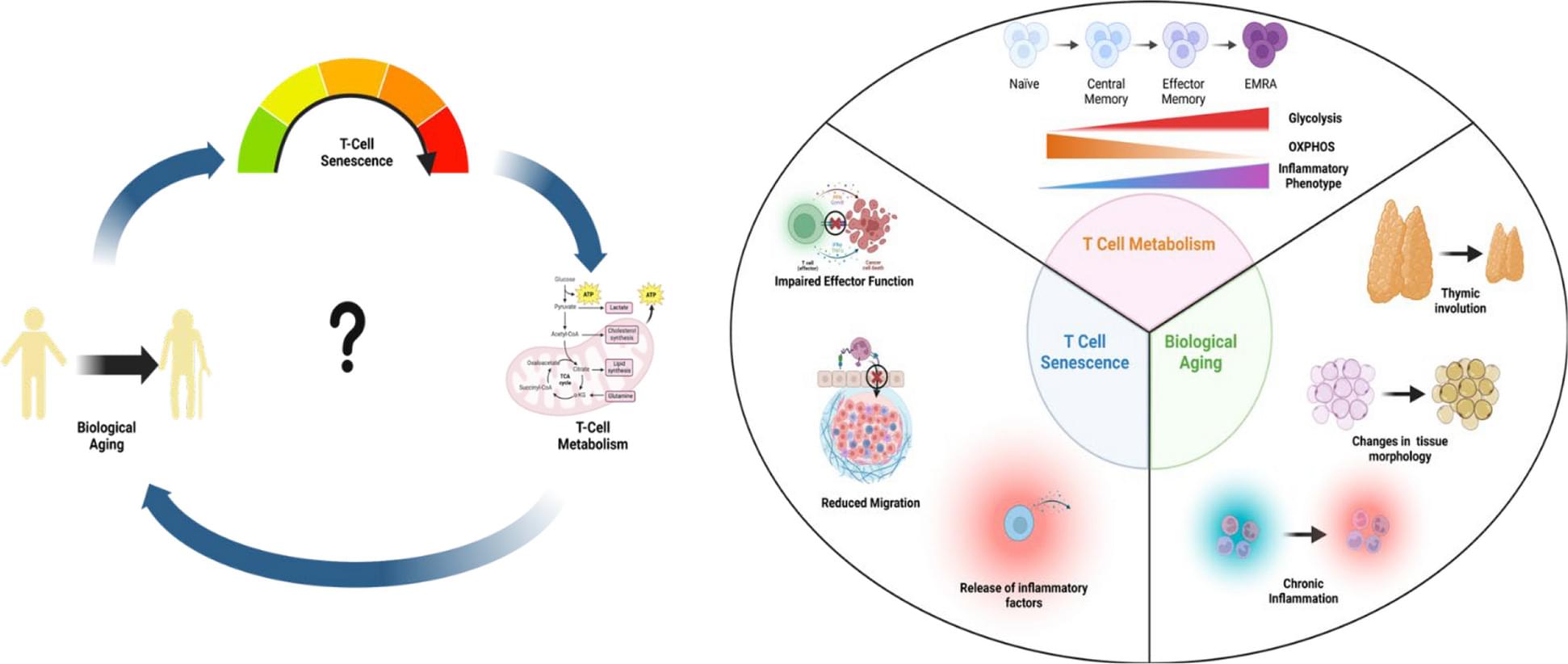
Cell Communication and Signaling — The exponential growth of immunometabolism-related studies in the last 10 years has made it very clear that metabolism is a key player in the effector functions of immune cells. Such is the case in cells with lymphoid origin, as CD4 + and CD8 + T cells undergo a series of metabolic reprogramming steps during their differentiation process, which is associated with a change in their effector characteristics. Only recently have factors such as biological aging and cellular senescence been examined in relation to memory T-cell generation and the metabolic reprogramming that accompanies their differentiation. In this review, we examine the emerging roles of cellular senescence and biological aging in shaping T-cell metabolism and immune function, and how these changes in the T-cell landscape contribute to disease onset. We then discuss recent studies on T-cell metabolic reprogramming to highlight how understanding the impact of senescence on T-cell metabolism may reveal new therapeutic opportunities.

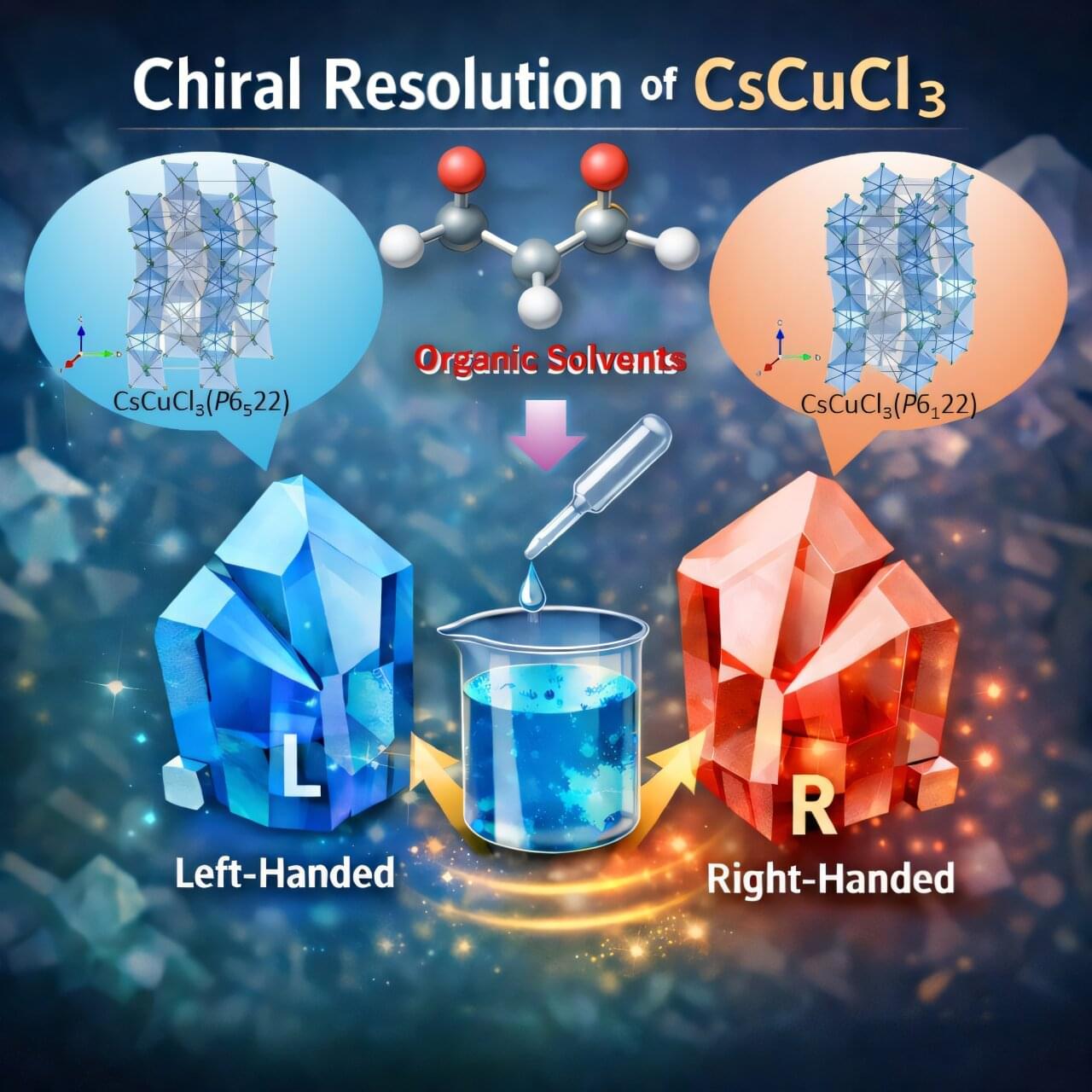
Organic solvents enable chirality control in inorganic crystals

Chirality—often described as “handedness”—is a fundamental property of nature, underlying the behavior of molecules ranging from DNA to pharmaceuticals. While chemists have long known how to separate left- and right-handed forms of organic compounds, achieving the same control in inorganic crystals has remained a major scientific challenge.

Molecular ‘switch’ that turns on inflammation in obesity points to new therapeutic targets

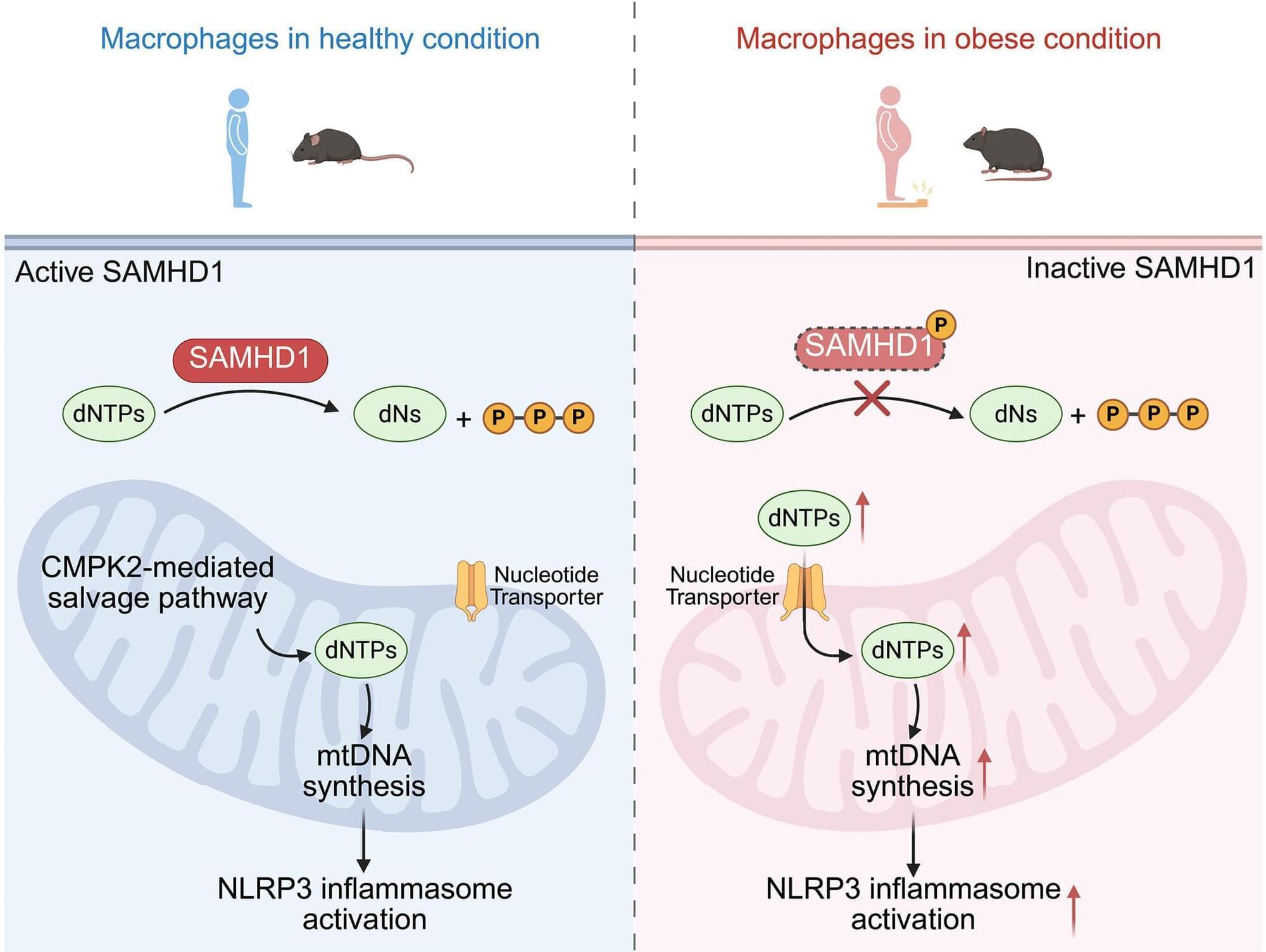
A team led by UT Southwestern Medical Center researchers has uncovered a molecular pathway that links obesity to widespread inflammation, providing long-sought insight into why obesity increases the risk of type 2 diabetes, cardiovascular disease, fatty liver disease, and certain cancers.

The findings, published in Science, identify a molecular “switch” that triggers this inflammation and point to potential new therapeutic targets.

“It’s been known for a long time that obesity causes uncontrolled inflammation, but no one knew the mechanism behind it. Our study provides novel insights about why this inflammation occurs and how we might be able to stop it,” said Zhenyu Zhong, Ph.D., Assistant Professor of Immunology and member of the Harold C. Simmons Comprehensive Cancer Center at UT Southwestern. Dr. Zhong co-led the study with Danhui Liu, Ph.D., a former postdoctoral researcher in the Zhong Lab.

Three-parent babies: Mitochondrial replacement therapies

The mitochondria are membrane-bound intracellular organelles present in almost all eukaryotic cells (). They generate energy through oxidative phosphorylation, and are responsible for 90% of cellular ATP (). In mammals, the mitochondria are present in all cells, except the enucleated red blood cells, being more present in tissues that need energy metabolism, with several units of the organelle. They have a round or oval shape and are about 0.5 to 1 µm in diameter, and up to 7 µm in length (). Together with the cell nucleus, they are the only cell organelle having their own genome, an extremely compact molecule, with 16.500 base pairs and 37 genes: 13 messenger RNAs, 22 RNAs, and 2 ribosomal RNAs. The D-loop is the only non-coding region in mtDNA, since introns and intergenic regions are non-existent or restricted to a few nucleotides ().

In addition to the production of reactive oxygen species due to the release of free electrons generated from the respiratory chain, mitochondria have few repair systems and therefore are subject to genetic mutations, causing diseases that affect approximately 1 in 5,000 people (). Mitochondrial diseases can affect organs that depend on energy metabolism, such as skeletal muscle, cardiac, central nervous system, endocrine, retina and liver (; ), giving rise to several incurable diseases, such as: deafness, diabetes mellitus, myopathies, glaucoma and others (). These metabolic disorders, lead to inefficient oxidative phosphorylation, impairing cell energy production (). They are difficult to diagnose and most of the time untreated, affecting adults and children ().

Mitochondria are inherited only from the female gamete; therefore, the mitochondrial DNA is of exclusive maternal inheritance (). The genetic mutations present in this material can be avoided using mitochondrial substitution techniques (), where the nuclear genome is withdrawn from an oocyte, which carries mitochondrial mutations, and is implanted in a normal enucleated donor ().

Altered microbiome: Oral bacteria play a role in chronic liver disease, study reveals

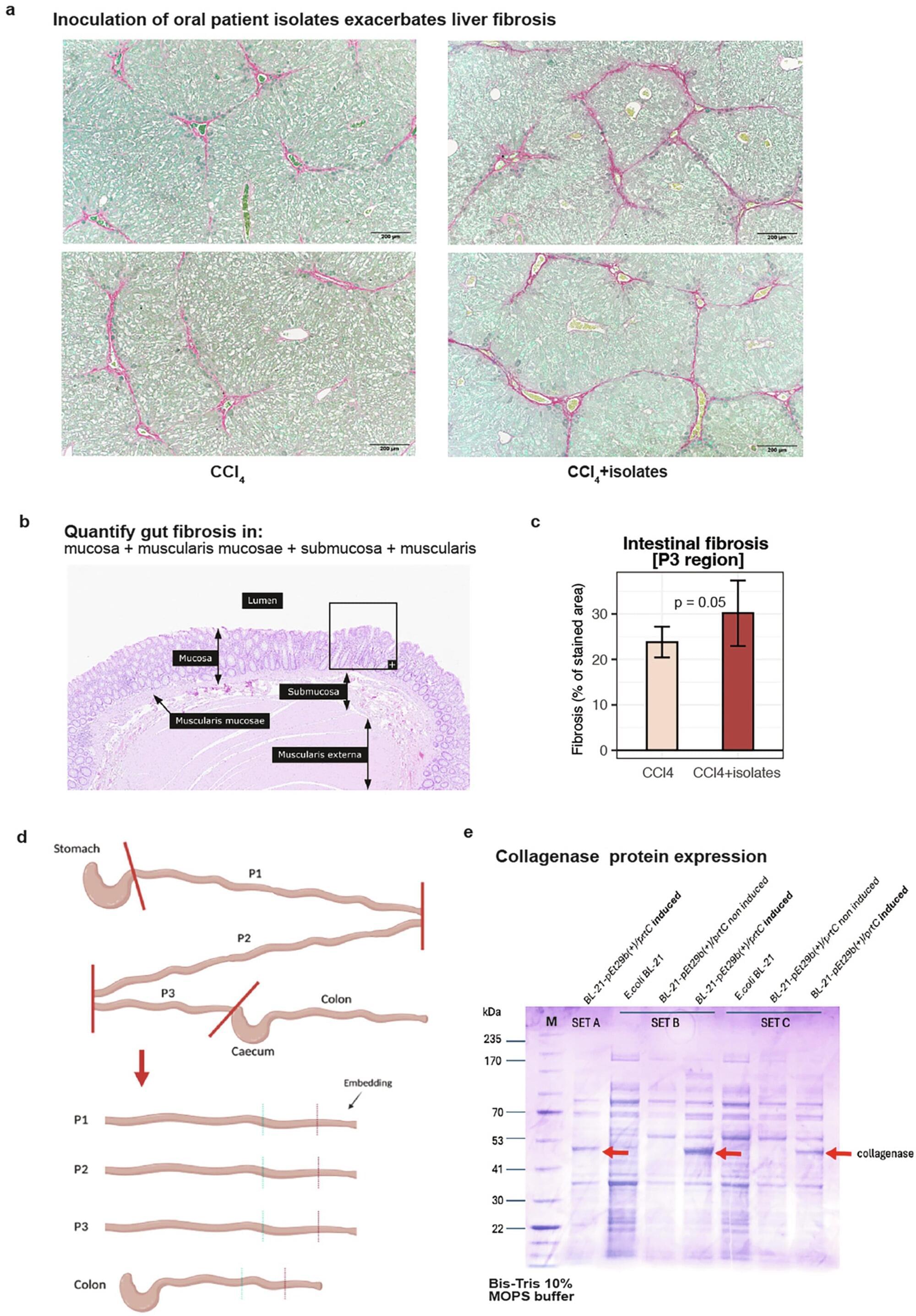
Each year, more than two million people die from advanced chronic liver disease (ACLD). Previous research has linked gut microbiome disruptions to this condition and suggested that bacteria typically found in the mouth may colonize the gut.

A new study published in Nature Microbiology now shows that identical bacterial strains occur in both the mouth and gut of patients with advanced chronic liver disease and also reveals a mechanism by which oral bacteria affect gut health. The researchers also found that this process coincides with worsening liver health.

Simulations predict antibody drug viscosity, paving way for easier self-injection

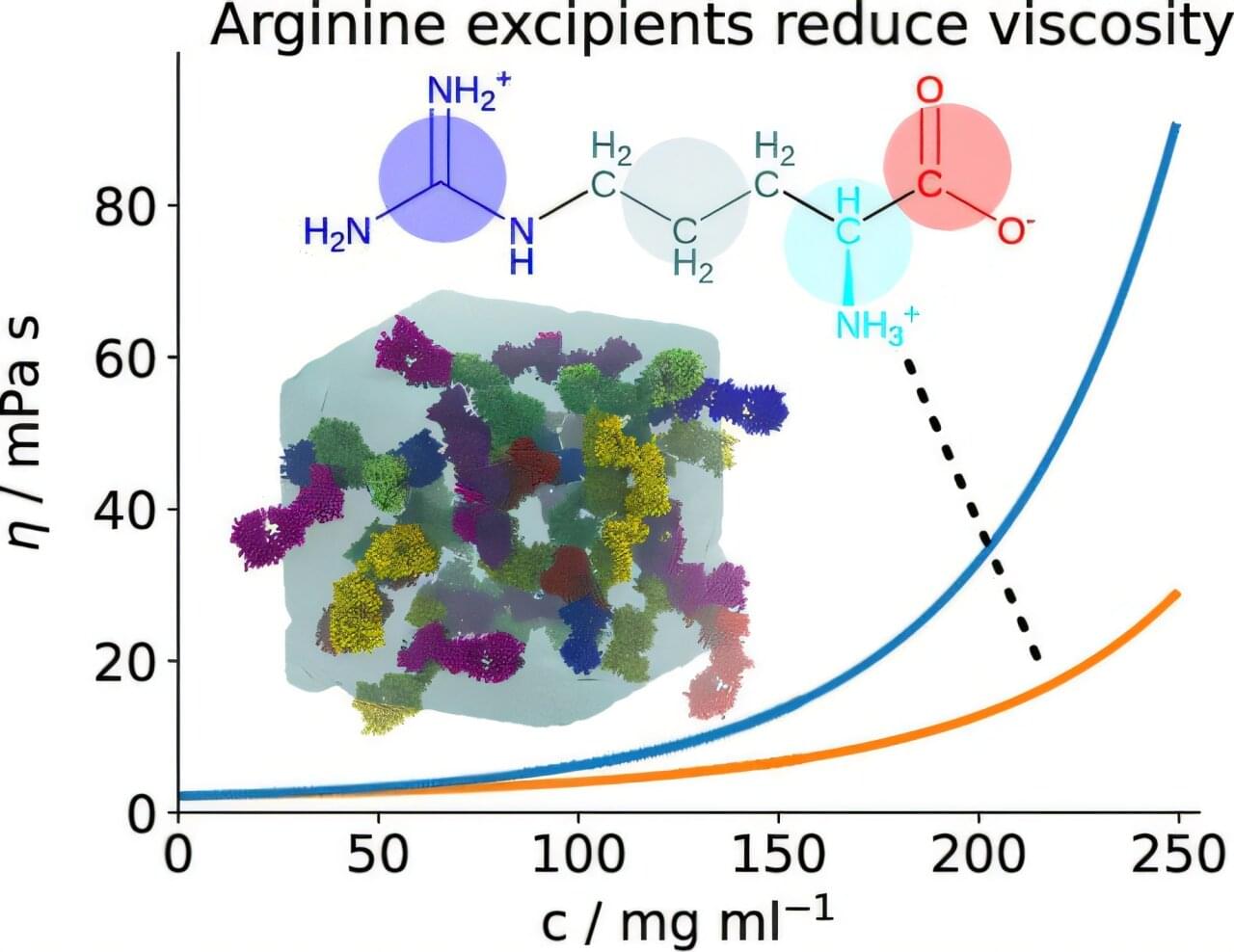
Monoclonal antibodies (mAbs) aid the body against autoimmune diseases and cancer, among other things. Patients have to pick up the medicine every few weeks. It would be easier for them to be able to inject the medicine themselves at home, but this would only be possible if the medications were highly concentrated but not too viscous.

A team at Ruhr University Bochum, Germany, led by Professor Lars Schäfer from the Center for Theoretical Chemistry and the company Boehringer Ingelheim Pharma have developed a quick and realistic simulation method to make this possible. This method can predict how formulations will behave.

The team reports its findings in the Journal of Physical Chemistry.

How Claude Reset the AI Race

Over the holidays, some strange signals started emanating from the pulsating, energetic blob of X users who set the agenda in AI. OpenAI co-founder Andrej Karpathy, who coined the term “vibe coding” but had recently minimized AI programming as helpful but unremarkable “slop,” was suddenly talking about how he’d “never felt this much behind as a programmer” and tweeting in wonder about feeling like he was using a “powerful alien tool.” Others users traded it’s so overs and we’re so backs, wondering aloud if software engineering had just been “solved” or was “done,” as recently anticipated by some industry leaders. An engineer at Google wrote of a competitor’s tool, “I’m not joking and this isn’t funny,” describing how it replicated a year of her team’s work “in an hour.” She was talking about Claude Code. Everyone was.

The broad adoption of AI tools has been strange and unevenly distributed. As general-purpose search, advice, and text-generation tools, they’re in wide use. Across many workplaces, managers and employees alike have struggled a bit more to figure out how to deploy them productively or to align their interests (we can reasonably speculate that in many sectors, employees are getting more productivity out of unsanctioned, gray-area AI use than they are through their workplace’s official tools). The clearest exception to this, however, is programming.

In 2023, it was already clear that LLMs had the potential to dramatically change how software gets made, and coding-assistance tools were some of the first tools companies found reason to pay for. In 2026, the AI-assisted future of programming is rapidly coming into view. The practice of writing code, as Karpathy puts it, has moved up to another “layer of abstraction,” where a great deal of old tasks can be managed in plain English and writing software with the help of AI tools amounts to mastering “agents, subagents, their prompts, contexts, memory, modes, permissions, tools, plugins, skills, hooks, MCP, LSP, slash commands, workflows, [and] IDE integrations” —which is a long way of saying that, soon, it might not involve actually writing much code at all.
First breathing ‘lung-on-chip’ developed using genetically identical cells

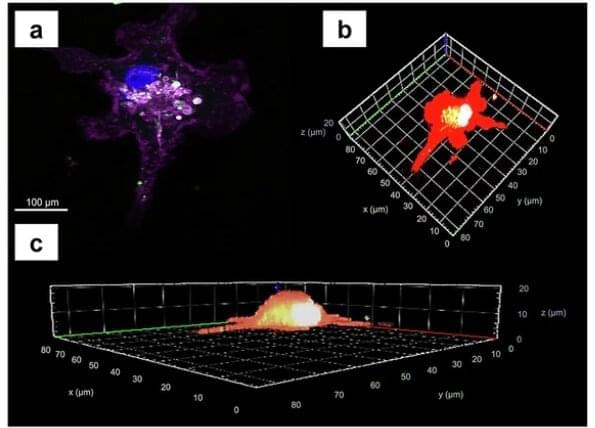
Researchers at the Francis Crick Institute and AlveoliX have developed the first human lung-on-chip model using stem cells taken from only one person. These chips simulate breathing motions and lung disease in an individual, holding promise for testing treatments for infections like tuberculosis (TB) and delivering personalized medicine.

The research is published in the journal Science Advances.

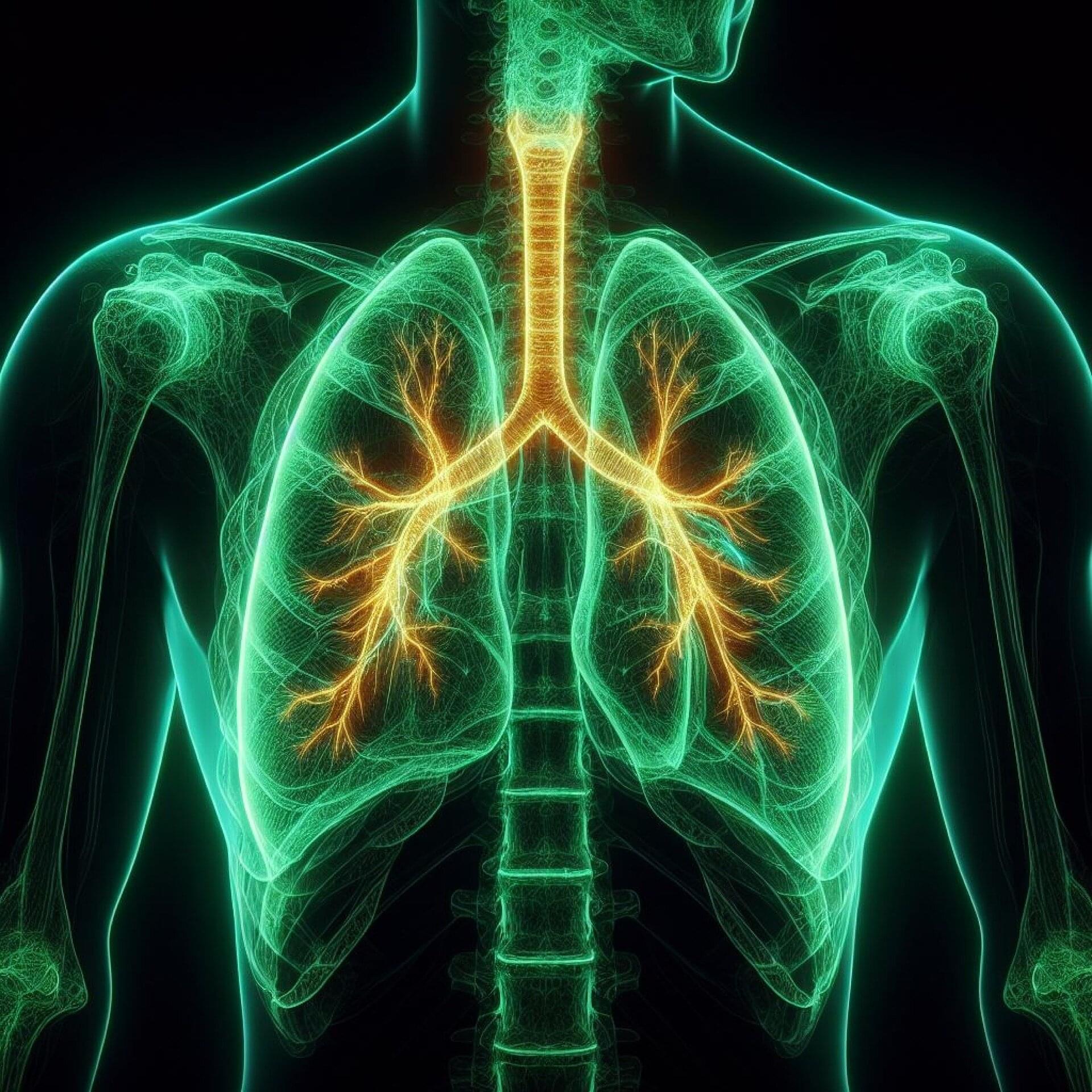
Air sacs in the lungs called alveoli are the essential site of gas exchange and also an important barrier against inhaled viruses and bacteria that cause respiratory diseases like flu or TB.

/* */