At the smallest scales, heat engines can do more than Carnot ever imagined.
Ultrafast UV-C light just took a leap forward, opening the door to lightning-fast communications and next-generation photonic technologies.
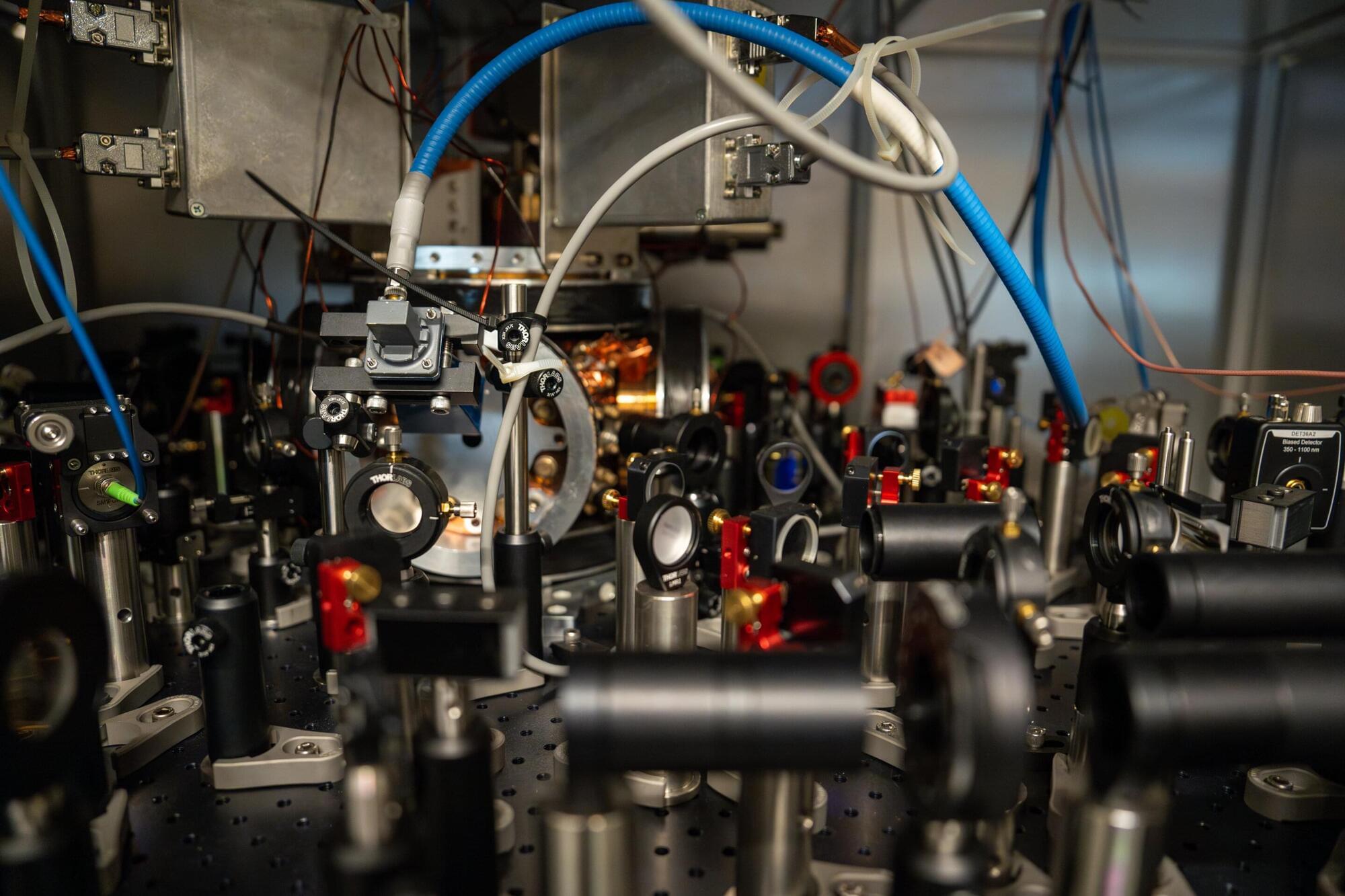
Devices that work with ultraviolet light in the UV-C range (100−280 nm) are becoming increasingly important across many fields, including super-resolution microscopy and optical communications. Scientists are especially interested in UV-C light because it scatters strongly in the atmosphere, a property that makes it useful for non-line-of-sight communication. This means data could be sent even when a clear line of sight is blocked, such as in cluttered or obstructed environments. Despite these advantages, progress has been slow because researchers have lacked practical components that can reliably generate and detect UV-C light.
A new platform for ultrafast UV-C pulses.
A threat actor known as Zestix has been offering to sell corporate data stolen from dozens of companies likely after breaching their ShareFile, Nextcloud, and OwnCloud instances.
According to cybercrime intelligence company Hudson Rock, initial access may have been obtained through credentials collected by info-stealing malware such as RedLine, Lumma, and Vidar deployed on employee devices.
The three infostealers are usually distributed through malvertising campaigns or ClickFix attacks. This type of malware commonly targets data stored by web browsers (credentials, credit cards, personal info), messaging apps, and cryptocurrency wallets.
NordVPN denied allegations that its internal Salesforce development servers were breached, saying that cybercriminals obtained “dummy data” from a trial account on a third-party automated testing platform.
The company’s statement comes after a threat actor (using the 1,011 handle) claimed on a hacking forum over the weekend that they stole more than 10 databases containing sensitive information like Salesforce API keys and Jira tokens, following a brute-force attack against a NordVPN development server.
“Today i am leaking +10 DB’s source codes from a nordvpn development server. This information was acquired by bruteforcing a misconfigured server of Nordypn, which has salesforce and jira information stored. Compromissed information: SalesForce api keys, jira tokens and more,” the threat actor said.
A new ClickFix social engineering campaign is targeting the hospitality sector in Europe, using fake Windows Blue Screen of Death (BSOD) screens to trick users into manually compiling and executing malware on their systems.
A BSOD is a Windows crash screen displayed when the operating system encounters a fatal, unrecoverable error that causes it to halt.
In a new campaign first spotted in December and tracked by researchers at Securonix as “PHALT#BLYX,” phishing emails impersonating Booking.com led to a ClickFix social engineering attack that deployed malware.
Spruce bark beetles hijack their host tree’s chemical defenses, transforming them into potent weapons against fungal threats. But a fungus has evolved a way to deactivate those defenses, tipping the balance back in the tree’s favor.
Spruce trees are packed with phenolic compounds, natural chemicals that help protect them from harmful fungi. Scientists at the Max Planck Institute for Chemical Ecology in Jena set out to understand how these defenses move through the forest food web. Their focus was the spruce bark beetle (Ips typographus), an insect that consumes these compounds while feeding on tree tissue. The researchers asked an intriguing question: could the beetles reuse the tree’s own chemical defenses to protect themselves from fungal infections?
Bark beetles strengthen tree defenses for their own use.
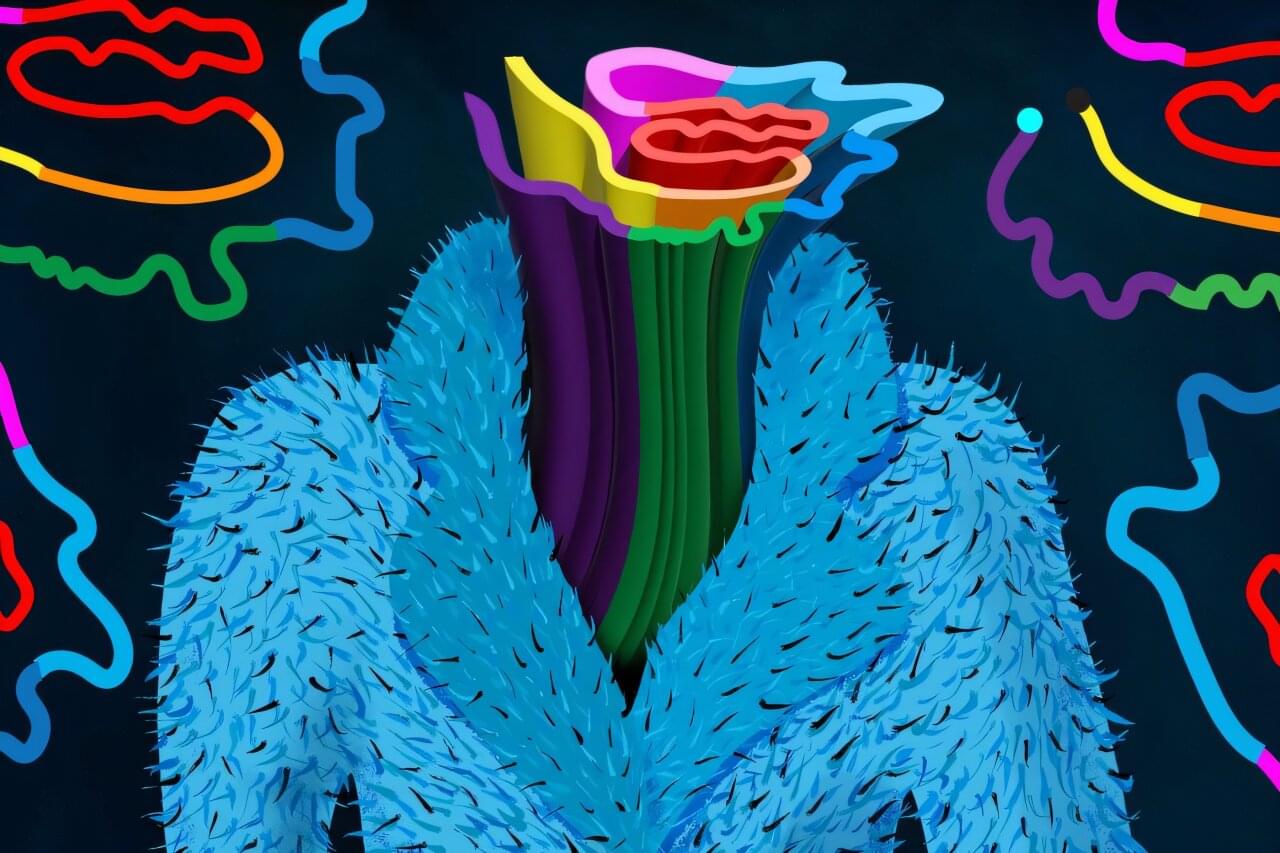
The nitrogenase-like enzyme superfamily.
Nitrogenases are the only enzymes that reduce dinitrogen to ammonia, a reaction essential for all life on Earth.
Recent work demonstrates that nitrogen fixation‐like (Nfl) enzymes have extensive functions beyond nitrogen fixation, including reducing C=C double bonds of tetrapyrroles and breaking C–S bonds to support bacterial sulfur scavenging.
All nitrogenase-like enzymes consist of a reductase component containing an [Fe4S4]-cluster, and a catalytic component containing diverse metalloclusters.
The catalytic components of the nitrogenase-like enzymes contain simpler FeSclusters than nitrogenases, including [Fe4S4]-clusters and nitrogenase cluster precursors. https://sciencemission.com/nitrogenase-like-enzym
Nitrogenases are the only enzymes capable of converting atmospheric nitrogen into bioavailable ammonia, an essential process for all life on Earth. Early ancestors of bona fide nitrogenases and their maturases gave rise to several structural homologues with diverse functions. The nitrogen fixation-like enzyme superfamily comprises ancient metalloproteins involved in elemental processes that range from the biosynthesis of bacteriochlorophyll in bacterial photosynthesis to the biosynthesis of cofactor F430 in archaeal methanogenesis. Recently, new functions of nitrogenase-like enzymes in sulfur scavenging were discovered and have spurred interest due to the simultaneous production of small hydrocarbons.