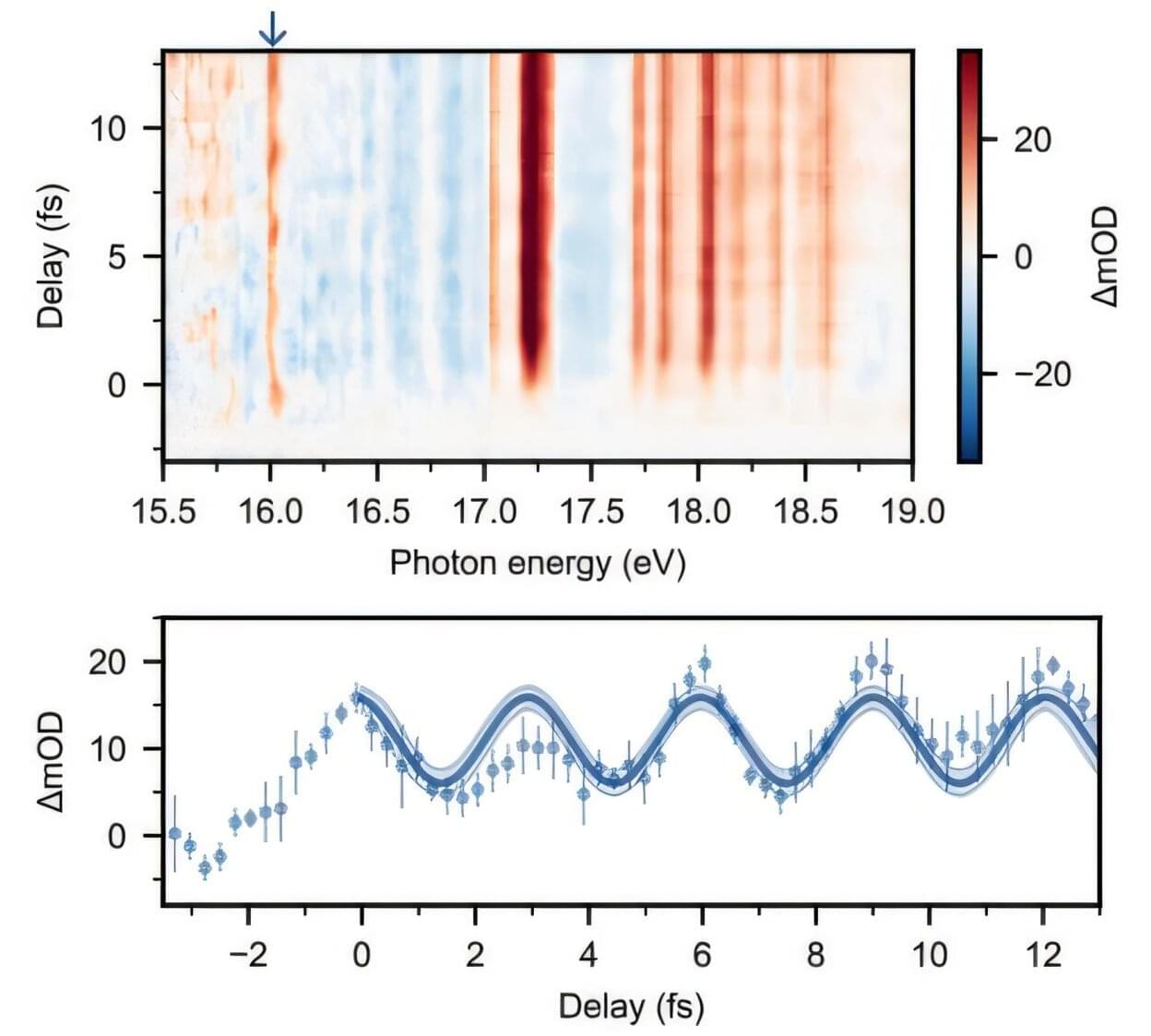
Electronic motion sets the stage for virtually every light-induced process in nature, from the first step of a chemical reaction to the flow of charge in a solid. Yet these processes unfold so rapidly that they can be observed only with flashes of light lasting a few hundred attoseconds—billionths of a billionth of a second.
Most previous attosecond experiments combined an attosecond pulse in the extreme ultraviolet (XUV) with a longer, often intense near-infrared pulse. Such fields can disturb the system under investigation and obscure its intrinsic electronic response. In the new approach, both the pump and probe are attosecond extreme-ultraviolet pulses, providing a potentially much cleaner view of the underlying dynamics.
The work is published in the journal Nature Communications.
Frailty was assessed using a frailty index, which takes into account a wide range of health and functional measures. Researchers classified participants with scores of 0.25 or higher as frail.
The results showed that frailty was associated with developing dementia at a younger age. Overall, frail individuals received a dementia diagnosis approximately two to three years earlier than those who were not frail.
“The best approach to preventing or reducing frailty is a combination of regular physical activity, particularly strength training, and a diet that ensures adequate protein intake,” study co-author Dr. David Ward, a research fellow in aging and geriatric medicine at the Centre for Health Services Research, Faculty of Medicine at the University of Queensland, told Newsweek.
Dr. Erik Ingelsson, MD, PhD — Chief Scientific Officer of Wave Life Sciences.
For decades we’ve measured obesity using one simple number on a scale — but what if that’s the wrong metric? Today, one of the world’s leading experts in genetics explains why the future of obesity medicine may not be about losing more weight, but about losing the right kind of fat while preserving the muscle that keeps us healthy.
Dr. Erik Ingelsson, MD, PhD is a physician-scientist and internationally recognized leader in human genetics, genomics, and metabolic disease research. He currently serves as Chief Scientific Officer at Wave Life Sciences (https://wavelifesciences.com/), where he leads the development of next-generation RNA medicines designed to address major unmet medical needs.
Before joining Wave, Dr. Ingelsson served as Senior Vice President and Head of Target Discovery at GSK, where he led large-scale efforts integrating human genetics, functional genomics, computational biology, and molecular science to discover and validate new drug targets across therapeutic areas.
Prior to his transition into industry, Dr. Ingelsson was Professor of Medicine at Stanford University, where his laboratory used human genetics and functional genomics to uncover new biological mechanisms underlying insulin resistance, obesity, metabolic disease, and cardiovascular risk.
For decades, getting to space has largely meant one thing: launching vertically atop massive rockets from fixed launch pads. But what if the future of space access also includes aircraft capable of flying at more than twice the speed of sound, launching payloads from the edge of the atmosphere, and providing researchers with affordable access to hypersonic flight and microgravity?
Joining us today is Tim Franta, Chief Executive Officer of Starfighters Space (https://starfightersspace.com/), an aerospace company operating the world’s only commercial fleet of flight-ready Mach 2+ F-104 Starfighters. Based at NASA’s Kennedy Space Center, the company is building capabilities that span hypersonic flight testing, airborne research, astronaut and pilot training, and an ambitious air-launch platform known as STARLAUNCH, designed to provide more flexible and responsive access to space.
Tim brings an unusual blend of aerospace leadership, public policy, infrastructure development, and strategic finance. Before leading Starfighters Space, he helped shape Florida’s modern space ecosystem through leadership roles with Energy Florida and the Florida Space Authority, where he worked on launch infrastructure, legislation, and hundreds of millions of dollars in space-related investment.
Today we’ll discuss why aircraft may become an increasingly important part of the space economy, how commercial innovation is changing access to orbit, the growing importance of hypersonic technologies, and what the next decade of aerospace infrastructure might look like.
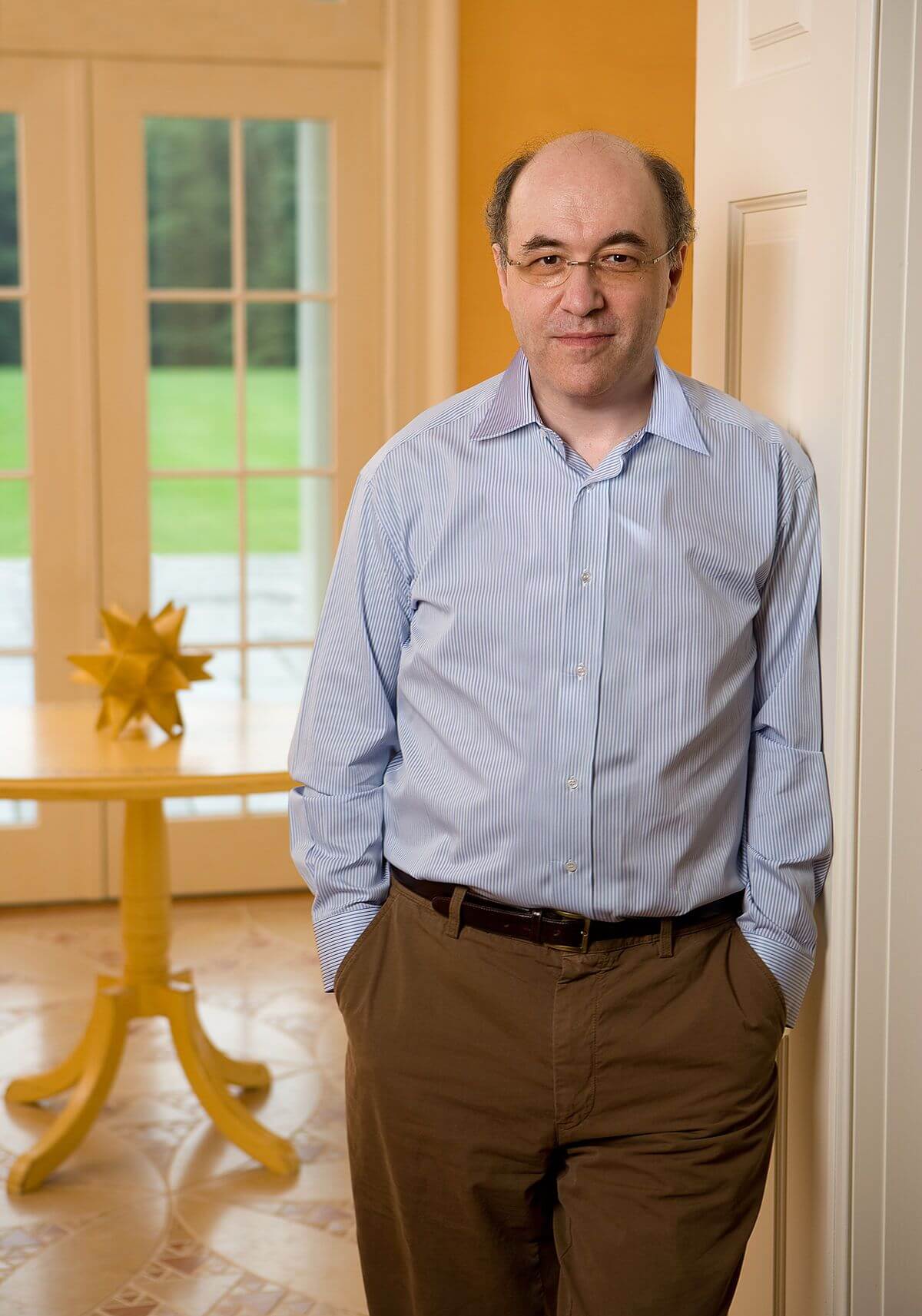
In January 2011, I spent an hour on the phone with Stephen Wolfram.
Put that in context. Deep learning had not yet won ImageNet. Transformers were six years away. Wolfram|Alpha was barely a year old, and most people filed it under “search engine that does your homework.”
His answer to my questions kept coming back to the same place: if you want to understand the future, go explore the computational universe. Run the simple programs. Watch what they actually do. Stop assuming that complicated behavior requires complicated causes.
I had spent three days preparing for that conversation and still came away thinking I had just talked to one of the smartest people alive.
Fifteen years later, the industry is quietly rediscovering his argument. You cannot know what a system will do without running it. Wolfram had a name for that long before anyone needed it to explain why #AI alignment is so hard.
What I find strangest on re-listen is what he said about the singularity itself, and how carefully he refused to say what everyone else in 2011 was saying.
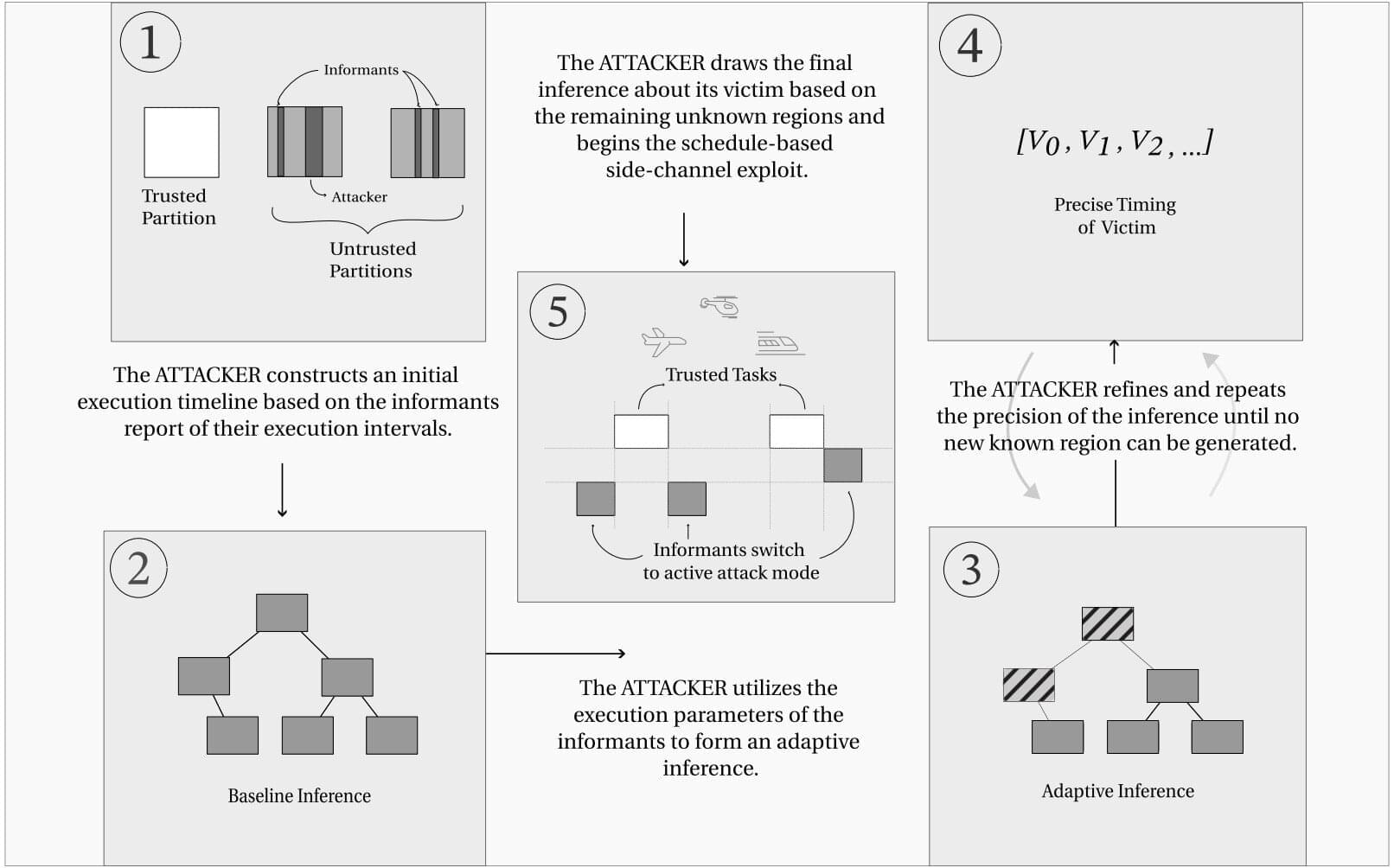
Protecting sensitive, precision-timed computing systems requires understanding the nature of cyberthreats. So researchers from Washington State University teamed up with experts at the University of Colorado Colorado Springs and Metro State University to design an attack—dubbed NosyNeighbor—that lurks on the sidelines of time- and safety-critical computer systems, “infers” what’s happening inside and adapts its malicious approach.
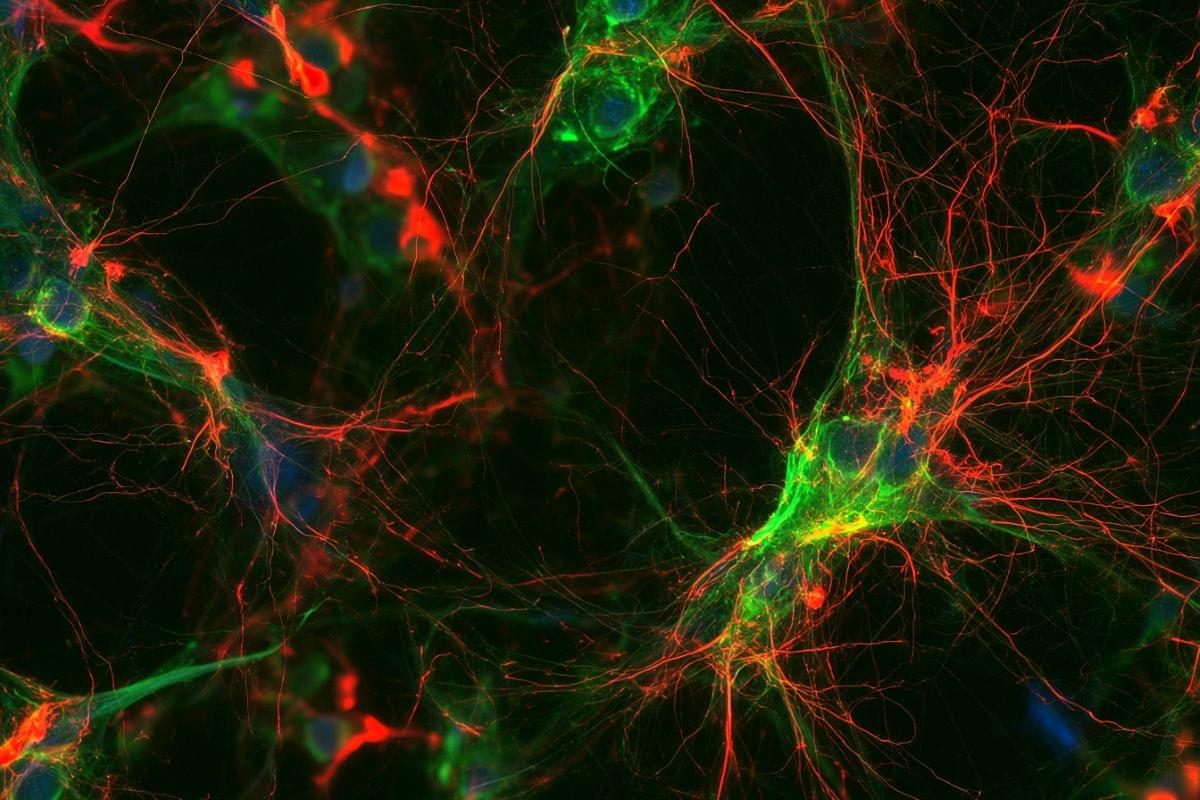
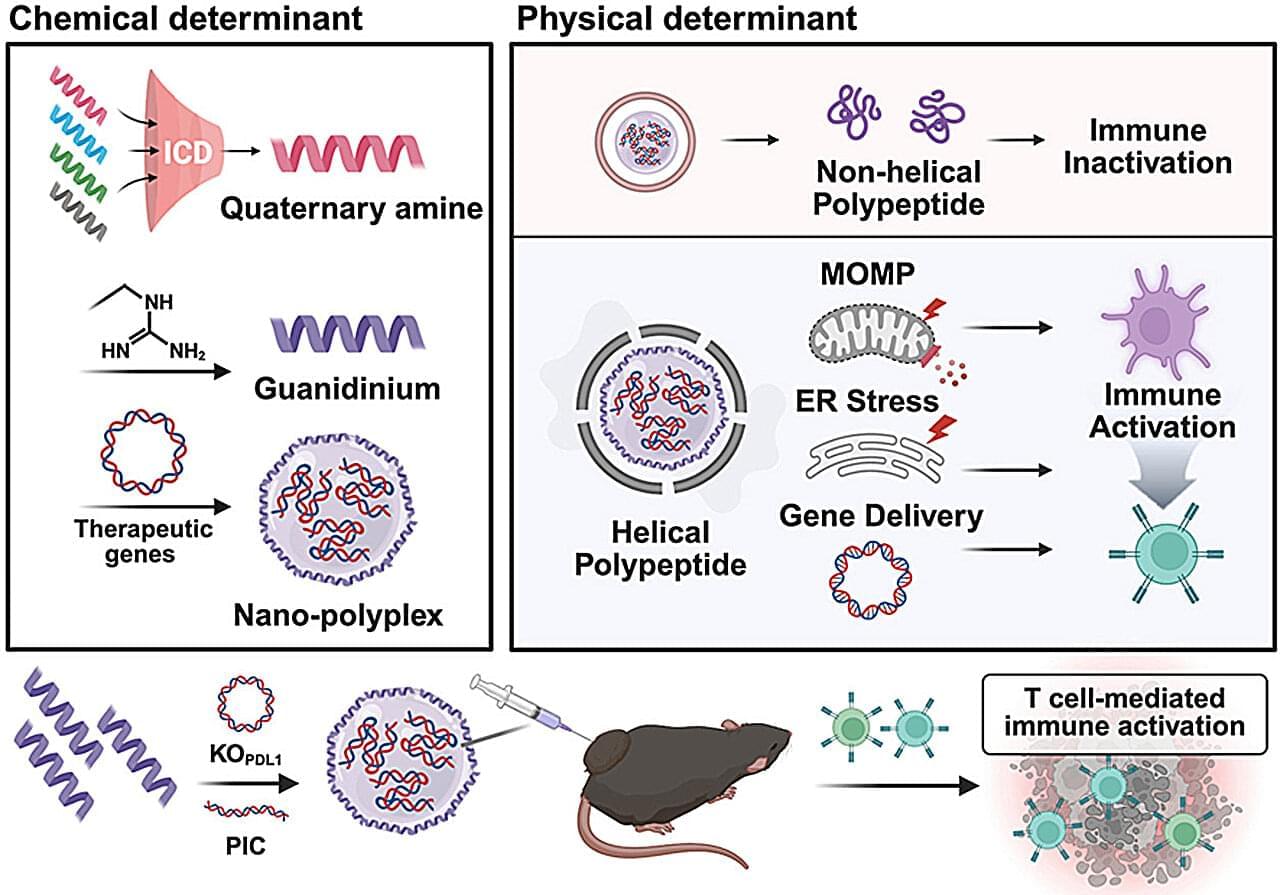
Cancer cells survive by hiding from the immune system’s surveillance. A KAIST research team has developed a new anticancer platform that makes cancer cells send out their own danger signals—prompting immune cells to attack—while simultaneously delivering gene therapy. The approach is expected to offer a new treatment strategy that combines cancer immunotherapy and gene therapy in a single nanoparticle.
Immunogenic cell death (ICD) is a process in which dying cancer cells send danger signals to nearby immune cells, prompting them to attack. A polypeptide is a polymer made of a long chain of amino acids.
A team led by Professor Yeu-Chun Kim from the KAIST Department of Chemical and Biomolecular Engineering developed a “helical polypeptide nanoparticle” platform that induces severe stress inside cancer cells to trigger immunogenic cell death while also delivering a range of gene therapeutics into the cells. The findings are published in the journal Biomaterials.