Singapore has one of the highest life expectancies in the world, yet many individuals spend almost a decade in poor health toward the end of life. Scientists from the Yong Loo Lin School of Medicine, National University of Singapore (NUS Medicine) are working to understand how aging itself can be modified to prevent age-related diseases, including Alzheimer’s disease.
A new study led by Professor Brian K Kennedy, Department of Biochemistry, Chair of the Healthy Longevity Translational Research Program (TRP), NUS Medicine, has discovered that calcium alpha-ketoglutarate (CaAKG), a safe, naturally occurring metabolite commonly studied for healthy aging, can restore key memory-related brain functions that have been disrupted in Alzheimer’s disease.
It’s not easy, figuring out the fundamental laws of physics. It’s even harder when your chosen methodology is to essentially start from scratch, positing a simple underlying system and a simple set of rules for it, and hope that everything we know about the world somehow pops out. That’s the project being undertaken by Stephen Wolfram and his collaborators, who are working with a kind of discrete system called “hypergraphs.” We talk about what the basic ideas are, why one would choose this particular angle of attack on fundamental physics, and how ideas like quantum mechanics and general relativity might emerge from this simple framework.
Stephen Wolfram received his Ph.D. in physics from Caltech. He is the founder and CEO of Wolfram Research, and the creator of Mathematica, Wolfram|Alpha, and the Wolfram Language. Among his awards are a MacArthur Fellowship. Among his books is A New Kind of Science. He recently launched the Wolfram Physics Project.
A landmark 2024 study reveals the staggering danger of our sedentary lifestyles, with a 300% higher risk of mortality for those who barely move. But there’s a simple, powerful antidote already within your reach. In this update, we dive into the data showing how just 15 minutes of daily walking can dramatically slash your risk and add healthy years to your life, ensuring you’re here to benefit from the incredible age-reversal breakthroughs on the horizon. The future is arriving faster than you think. We’re also bringing you an exclusive, first-look update on the revolutionary OSK (Yamanaka factor) research aimed at reversing biological aging. From groundbreaking success in mice to imminent primate trials, we break down the timeline and science that could make meaningful age reversal a human reality. Don’t let a sedentary present cut short your chance at a longer, younger future.
Credits To : Perpetual Life & Mr. Bill Faloon
Please note that the links below are affiliate links, so we receive a small commission when you purchase a product through the links. Thank you for your support! =*=*=*=*=*=*=*=*=*=*=*=*=*=*=*=*=*=*=*=*=*=*=*=*=*=*=*=*=*=*=*=*=*= 🆕 Discount Coupon Code : REVERSE — ProHealth, RENUE, DoNotAge, StemRegen, N1O1, NOVOS ☑
Hidden ice beneath Mars’ surface may mark the spot where humanity first sets foot on the Red Planet. A newly identified region on Mars may hold the key to future human landings. Researchers found evidence of water ice less than a meter beneath the surface, close enough to be harvested for water, oxygen, and fuel. The location strikes a rare balance between sunlight and cold, helping preserve the ice. It could also offer clues about whether Mars once supported life.
Before humans can make the long trip to another world, scientists must identify a safe and practical place to land. New research led by a University of Mississippi scientist suggests one region on Mars may meet many of the requirements for future human missions.
Erica Luzzi, a planetary geologist and postdoctoral researcher with the Mississippi Mineral Resources Institute, led a study that uncovered signs of water ice located just below the Martian surface. The research, published in the Journal of Geophysical Research: Planets, points to a possible local water supply that astronauts could rely on during extended stays on Mars.
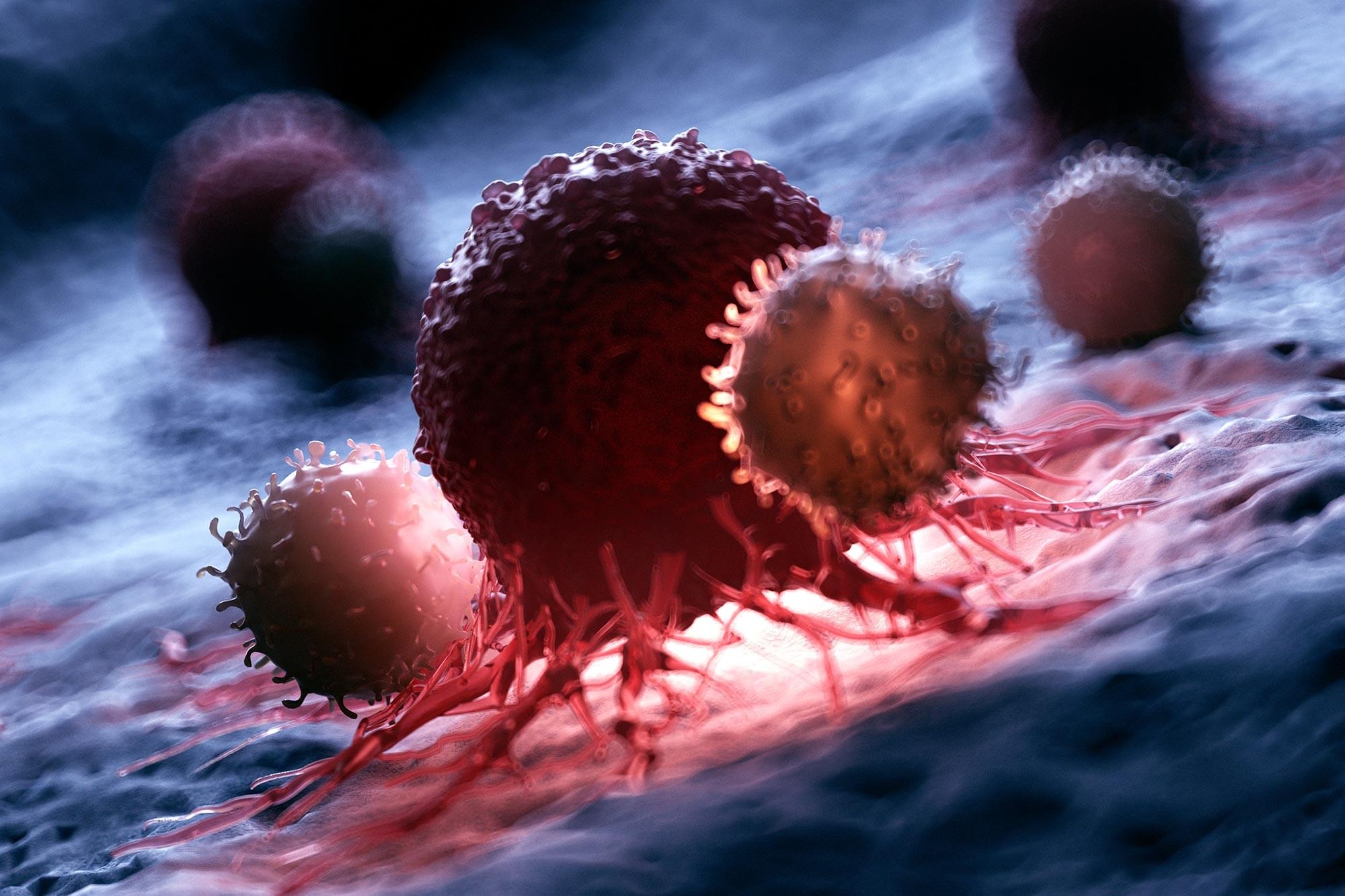
Researchers at the University of Southampton have identified a new strategy that could strengthen how the immune system responds to cancer.
Reporting their findings in Nature Communications, the scientists describe the use of specially engineered antibodies designed to more effectively switch on T cells that are capable of destroying cancer cells.
These antibodies act by ‘grabbing’ and ‘clustering’ several immune cell receptors at once, increasing the strength of the signal that instructs T cells to attack tumors.
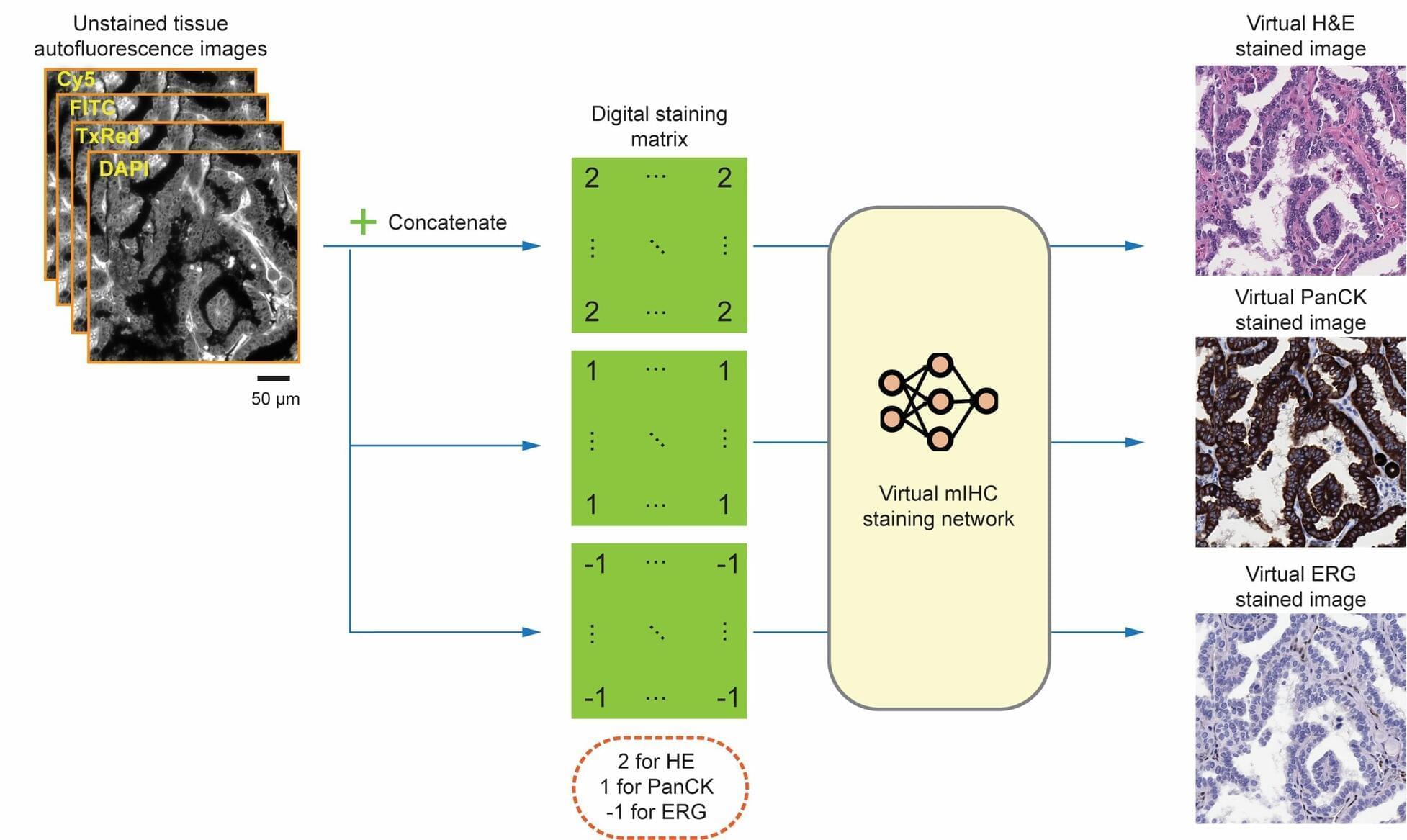
Researchers at the University of California, Los Angeles (UCLA), in collaboration with pathologists from Hadassah Hebrew University Medical Center and the University of Southern California, have developed a deep learning–based method that can digitally generate multiple immunohistochemical stains from a single, unstained tissue section.
The work is published in the journal BME Frontiers.
The approach enables accurate assessment of vascular invasion—a key indicator of cancer aggressiveness—without the need for conventional chemical staining procedures.
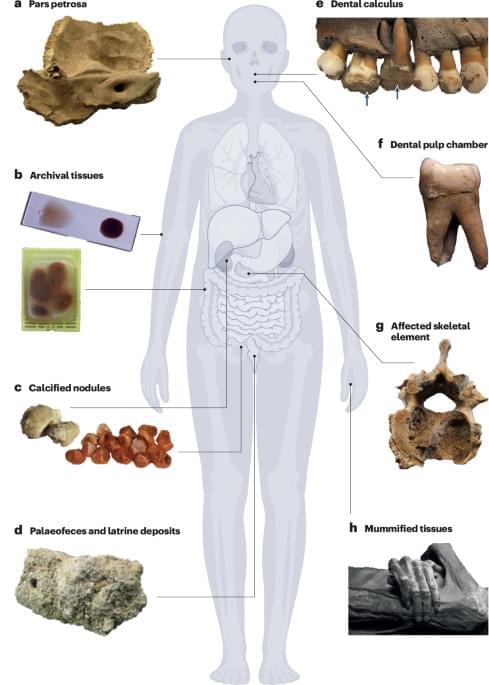
Ancient DNA techniques are being applied to study increasingly diverse pathogens of the past. The authors review the latest insights into pathogen–host coevolution, zoonotic events and the spread of pathogens, all while highlighting the importance of a One Health approach to this research.
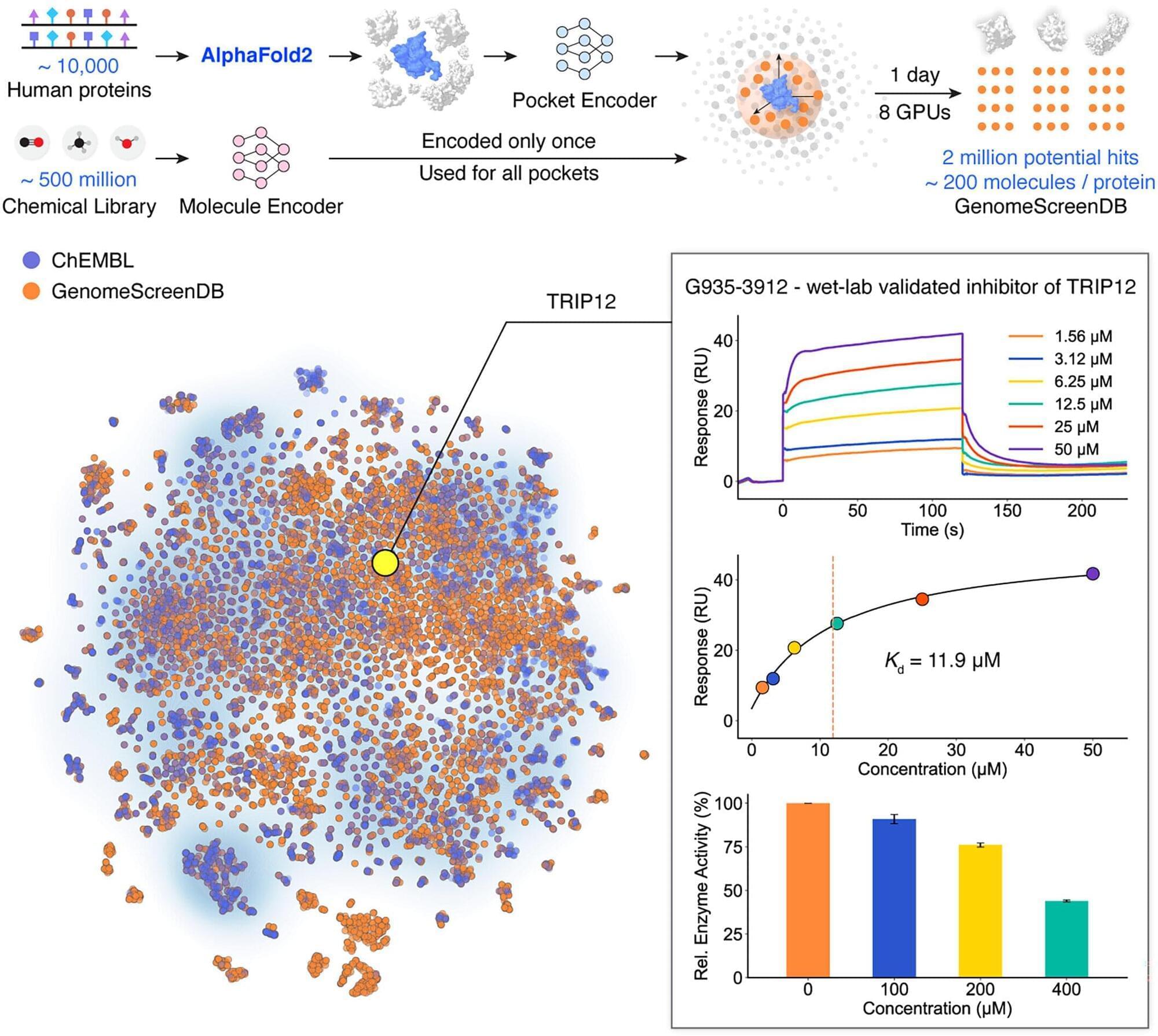
Researchers in China have unveiled a new AI framework that could accelerate the discovery of new medicines. DrugCLIP can scan millions of potential drug compounds against thousands of protein targets in just a few hours—ten million times faster than current virtual screening methods.
Typically, when scientists develop new medicines, they use complex computer simulations to fit a 3D drug molecule into a protein pocket. This indicates that it is likely to interact with the protein’s binding site and function. However, the process is incredibly time-consuming and expensive.