Toggle light / dark theme

Get the latest international news and world events from around the world.

Log in for authorized contributors

APOE4, the Alzheimer’s risk gene, silently undermines bone quality in women

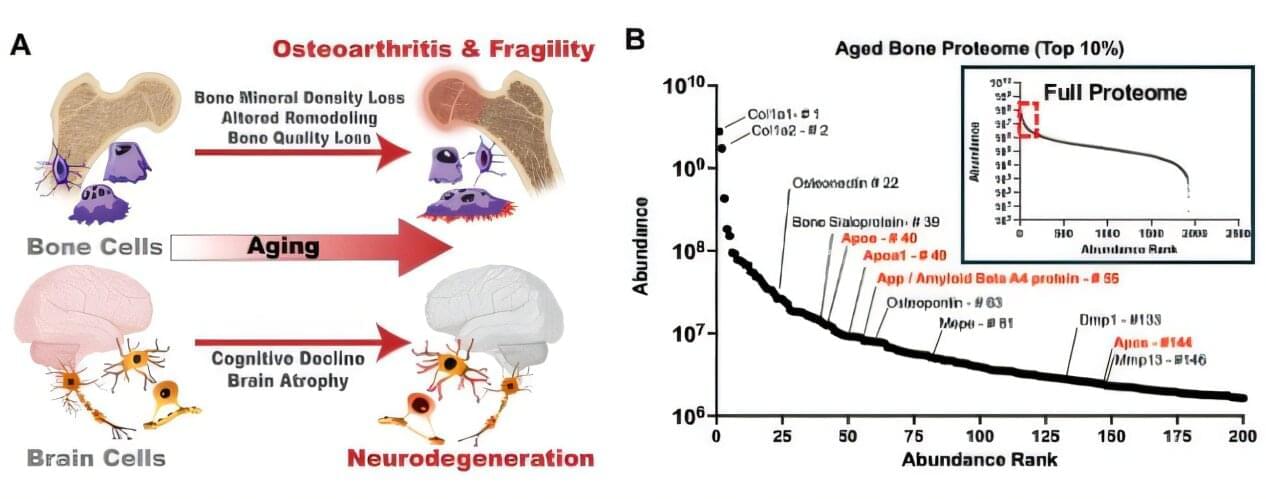
Scientists at the Buck Institute for Research on Aging, along with collaborators at UC San Francisco, have discovered that APOE4, the most common genetic risk factor for Alzheimer’s disease, causes bone quality deficits specifically in female mice, through a mechanism that is invisible to standard imaging and can emerge as early as midlife. The findings, published in Advanced Science, reveal an unexpected biological link between Alzheimer’s risk and skeletal health, and identify a new molecular pathway that could one day inform earlier diagnosis of cognitive decline or guide treatment for bone quality loss in women who carry the APOE4 gene.

“What makes this finding so striking is that bone quality is being compromised at a molecular level that a standard bone scan simply will not catch,” says Buck professor Birgit Schilling, Ph.D., a senior author of the study. “APOE4 is quietly disrupting the very cells responsible for keeping bone strong, and it is doing this specifically in females, which mirrors what we see with Alzheimer’s disease risk.”

Physicians have long observed that people with Alzheimer’s disease suffer bone fractures at higher rates, and that a diagnosis of osteoporosis in women is actually the earliest known predictor of Alzheimer’s. But the underlying mechanism connecting brain and bone health has remained elusive.
In Active Solids, Connectivity Is as Important as Activity

A robotic metamaterial shows that the odd mechanics of active solids depend on how the active constituents connect across the system.

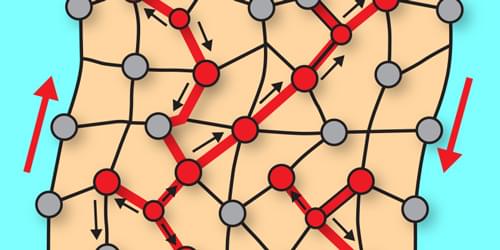
Active materials, composed of microscopic constituents that continuously inject motional energy into the system, can exhibit odd mechanical responses, such as stretching vertically when sheared horizontally. Such properties can be used to make materials that can spontaneously crawl or roll over a difficult terrain [1]. One might naively think that these desirable odd responses could be increased by making the components more active. Jack Binysh of the University of Amsterdam and his colleagues now find that this doesn’t always work [2]. The researchers show that in active solids a collective response only emerges when system-spanning connective networks are formed among the individual constituents of the system. Without such networks, the effects of microscopic activity remain confined locally and the macroscopic response disappears.

An active solid is, fundamentally, an elastic lattice made up of self-driving constituents. Examples include robotic lattices composed of motorized units [1, 2], magnetic colloidal crystals [3], and chiral living embryos [4]. The active solids that Binysh and his colleagues examined are examples of nonreciprocal active solids, meaning that the interactions between elements are directional. Interactions may become directional when individual constituents process information about their neighbors. Such nonreciprocal interactions arise in a wide range of settings. In robotic metamaterials, local control loops impose directional responses on adjacent mechanical units [1]. And in living chiral collectives, hydrodynamic flows allow rotating embryos to exchange momentum with the surrounding media [4].

New ‘molecular handle’ uses common amino acid to build complex medicines

In a new study published in Nature Communications, a team of chemists has unveiled a radically simple way to attach a highly sought-after “molecular handle,” known as the dichloromethyl group, onto complex compounds. Instead of relying on the aggressive, heavy-metal or radiation-heavy techniques of the past, the team used a common, naturally occurring amino acid called proline to gently choreograph the assembly.

“Rather than forcing these molecules into conventional reactivity modes or circumventing their electronic ambivalence, we harnessed their electronic ambivalence as a design principle,” says Prof. Dmitry Tsvelikhovsky, who led the research team at the Institute for Drug Research at the Hebrew University, alongside Elihay Kuniavsky and Dvora R. Levy.

Cracking a 16-year proton mystery as ultra-precise hydrogen measurements confirm a smaller-than-expected core

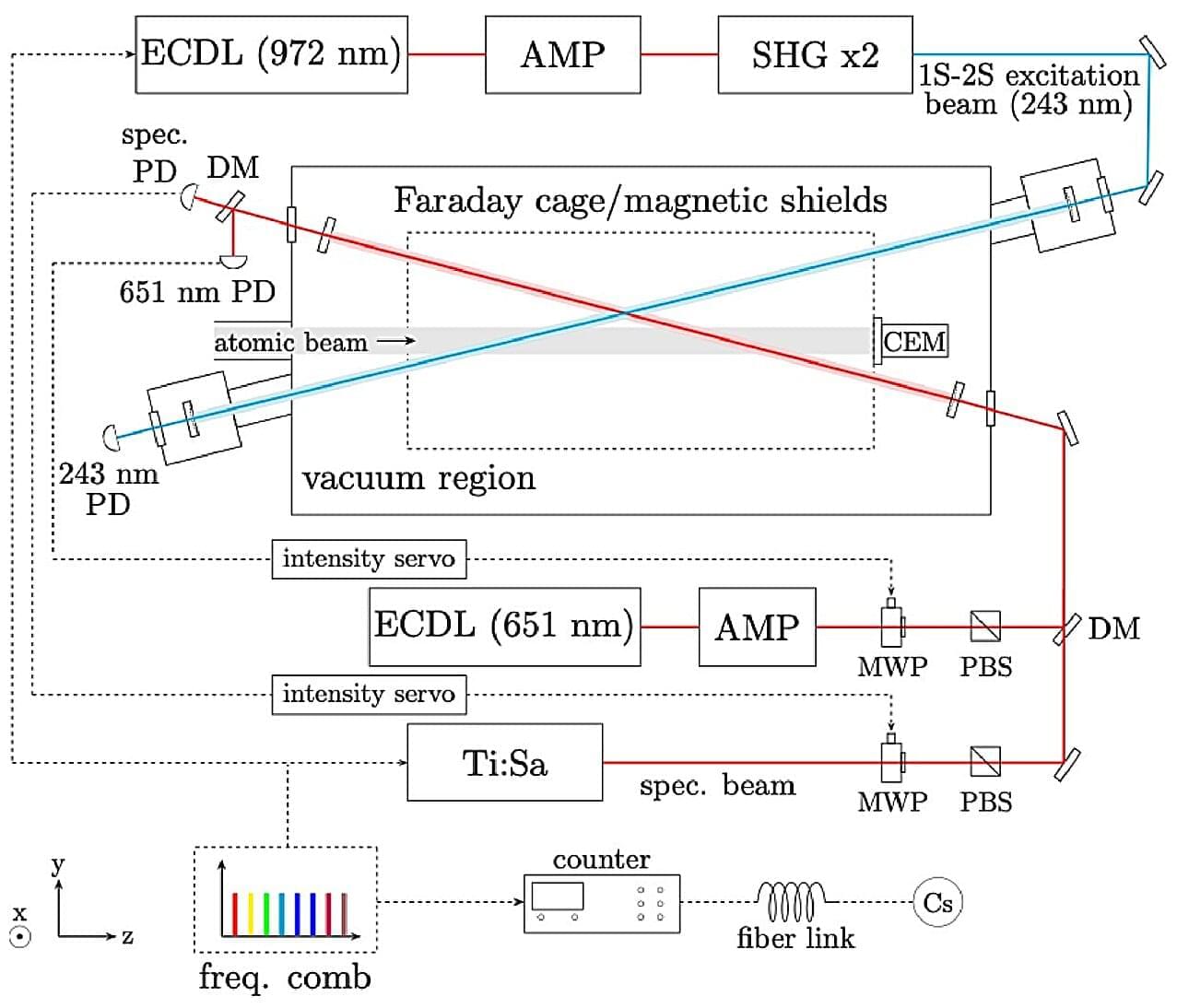
The simplicity of a hydrogen atom makes it an ideal model for studying atomic structure and interactions. Yet, despite the fact that its simplest form consists of only one proton and one electron, physicists have had a hard time pinning down the exact charge radius of the proton. But a new study, published in the journal Physical Review Letters, outlines a method of measurement that helps to resolve some past discrepancies.

In the quest to better understand one of the universe’s most important building blocks, several research teams have focused on measuring the proton’s charge radius—a measure of the spatial distribution of electric charge from a proton—using hydrogen spectroscopy. Some research teams did these experiments with normal hydrogen atoms and some with a form of hydrogen called muonic hydrogen. Muonic hydrogen is an exotic hydrogen atom consisting of a negatively charged muon bound to a proton, instead of an electron bound to a proton.

Theoretically, the protons in both regular and muonic hydrogen should have the same proton charge radius. However, some experimental results have shown disagreements regarding the rather precise measurements of muonic hydrogen’s charge radius, which gave a smaller value. This discrepancy is referred to as the “proton radius puzzle,” and it has plagued physicists since 2010, when the first results from a highly precise muonic hydrogen spectroscopy experiment came out.

Compact CRISPR system unlocks targeted in-body gene editing, with up to 90% efficiency

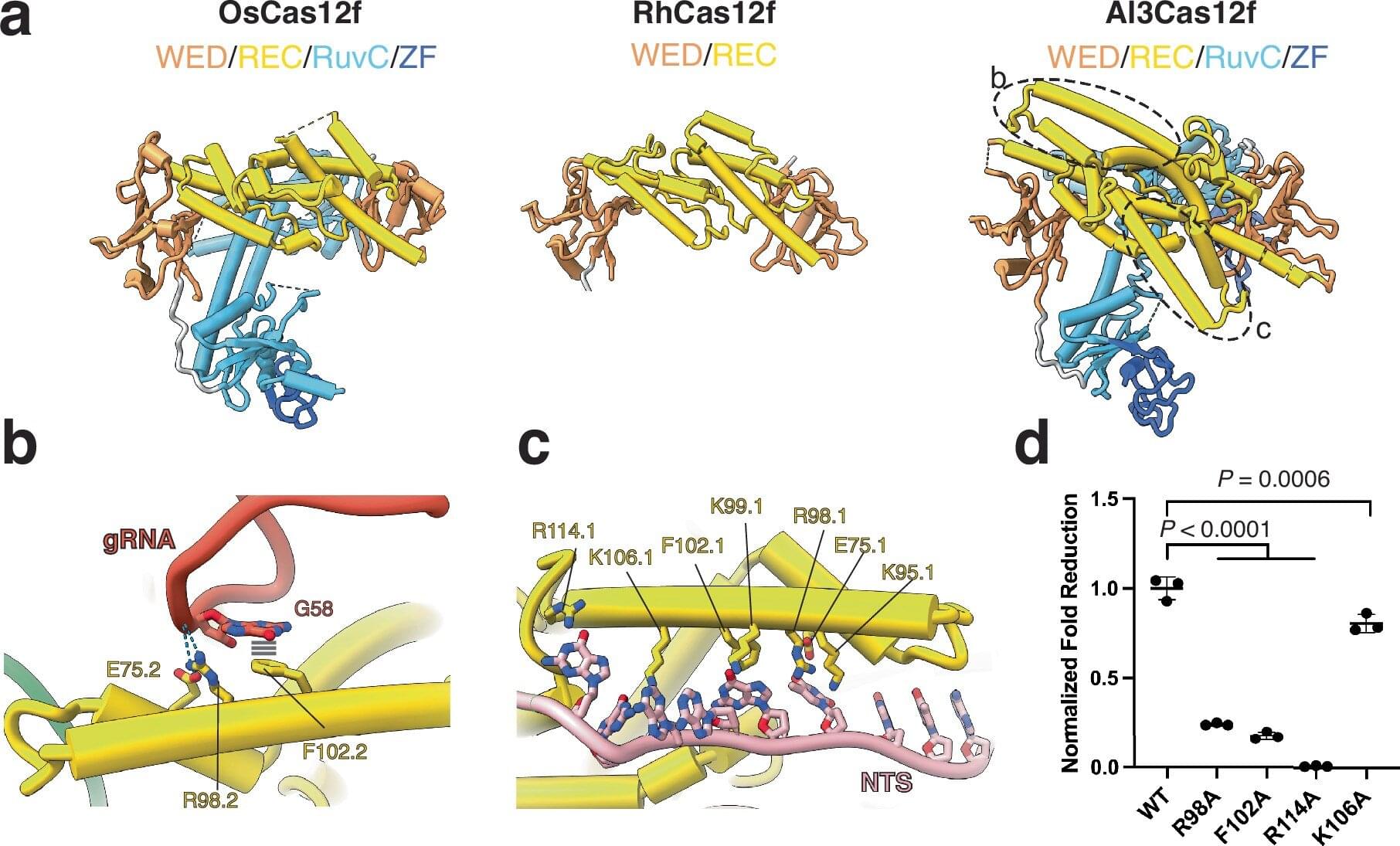
A research team has discovered an enhanced CRISPR gene-editing system that could enable targeted delivery inside the human body—a key step toward broader clinical use. Researchers identified a naturally occurring enzyme, Al3Cas12f, that is small enough to fit into adeno-associated virus vectors, a leading targeted delivery method for gene therapies. They then engineered an enhanced version that dramatically improved gene-editing performance in human cells.

The advance addresses a major limitation in CRISPR technology. Commonly used gene-editing proteins are too large for targeted delivery systems, restricting clinical applications to cells modified outside the body, such as blood and bone marrow.

“Smart delivery of gene editing systems is a powerful notion with broad clinical implications, and this basic science finding takes us a significant step toward that future,” said Erica Brown, Ph.D., acting director of NIH’s National Institute of General Medical Sciences (NIGMS).

Protein clusters reshape cell movement and may help cells build amino acids faster

Cells can be thought of as cities, with factories, a transport system, and lots of building activity. An international team led by scientists at the University of Groningen studied cells growing under different conditions and measured the speed of molecule transport. They found that some conditions led to changes in the mobility inside the cells, caused by the clustering of proteins that produce the building materials for growth. It could be that clustering enables the proteins to produce those building blocks more efficiently. The research is published in the journal Molecular Cell.

The research started with a seemingly simple question. How much movement is there within a cell? “We provided bacteria with different nutrients and this resulted in different growth rates,” explains Matthias Heinemann, Professor of Molecular Systems Biology. Movement was measured by inserting tiny (40 nanometers) fluorescent particles in the cells that could be tracked under the microscope. “To our surprise, we found that particle movement under different conditions could vary by a factor of three.”

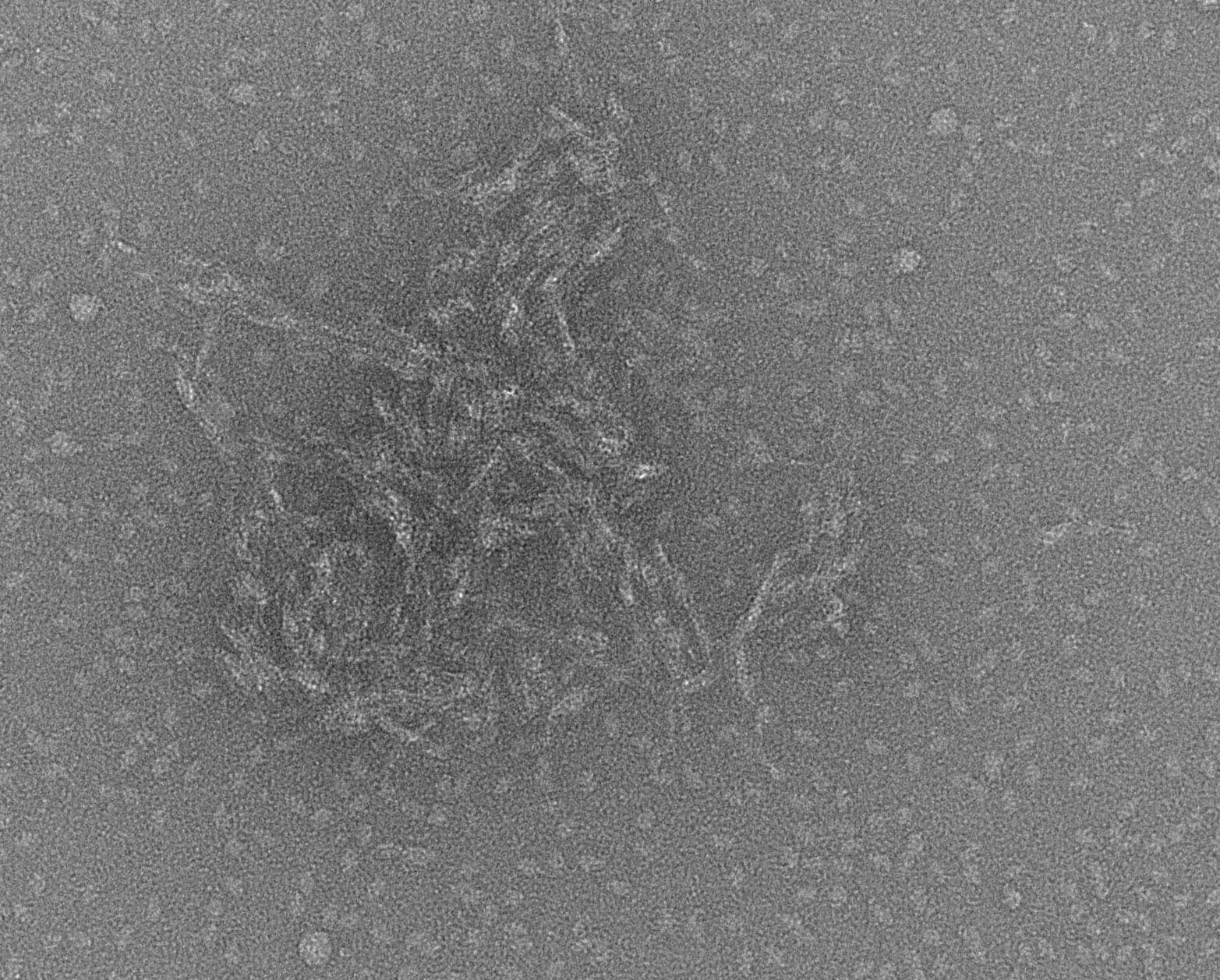
The scientific literature could not explain this observation. By analyzing the cell content, the scientists found a correlation between movement of the fluorescent particles and the number of proteins that are involved in the production of amino acids. “More of these proteins meant less movement inside the cell,” says Heinemann. “This led us to the question of why this happens. Our hypothesis was that these proteins form clusters that act as obstacles to movement inside the cells.”

A tabletop ring of atoms brings the universe’s doomsday vacuum collapse into the lab

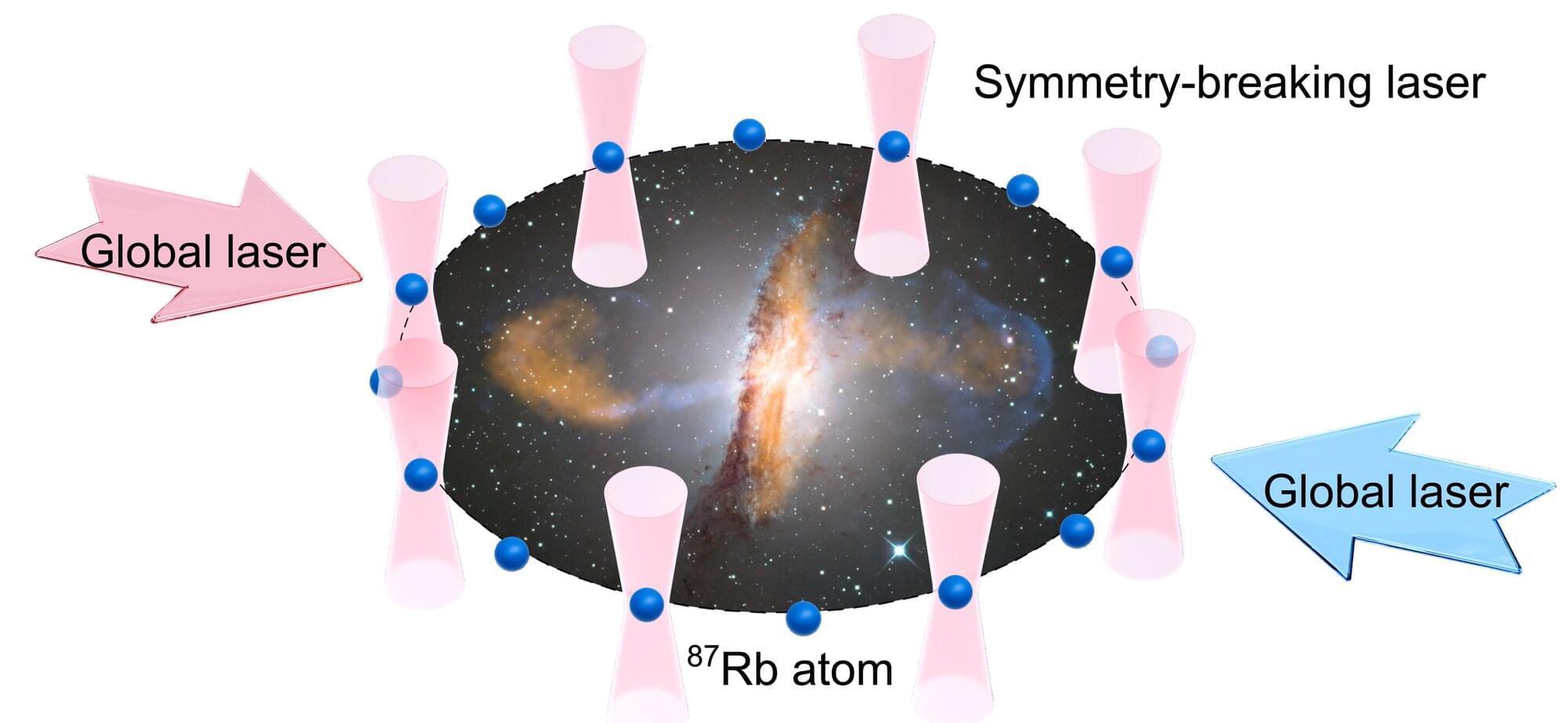
Physicists in China have simulated the effect of “false vacuum decay”: a phenomenon believed to play out constantly in the seemingly empty expanses of space, and which one theory even suggests could bring an abrupt end to the entire universe. In a paper published in Physical Review Letters, Yu-Xin Chao and colleagues at Tsinghua University, Beijing, mimicked the effect using a simple tabletop experiment.

For now, quantum field theory is our most accurate framework for fundamental physics below the scale at which gravity becomes important. It predicts that there is no such thing as a perfect vacuum: while a given space may appear entirely empty, the theory suggests that it is actually just the lowest-energy state of a continuous quantum field.

Since a quantum field can possess multiple local minima energy, this means that a seemingly stable local ground state may not be the most stable state possible for the field as a whole—it is simply separated from a lower-energy, more stable state by an energy barrier, much as a valley may be separated from a deeper valley by a high mountain ridge.

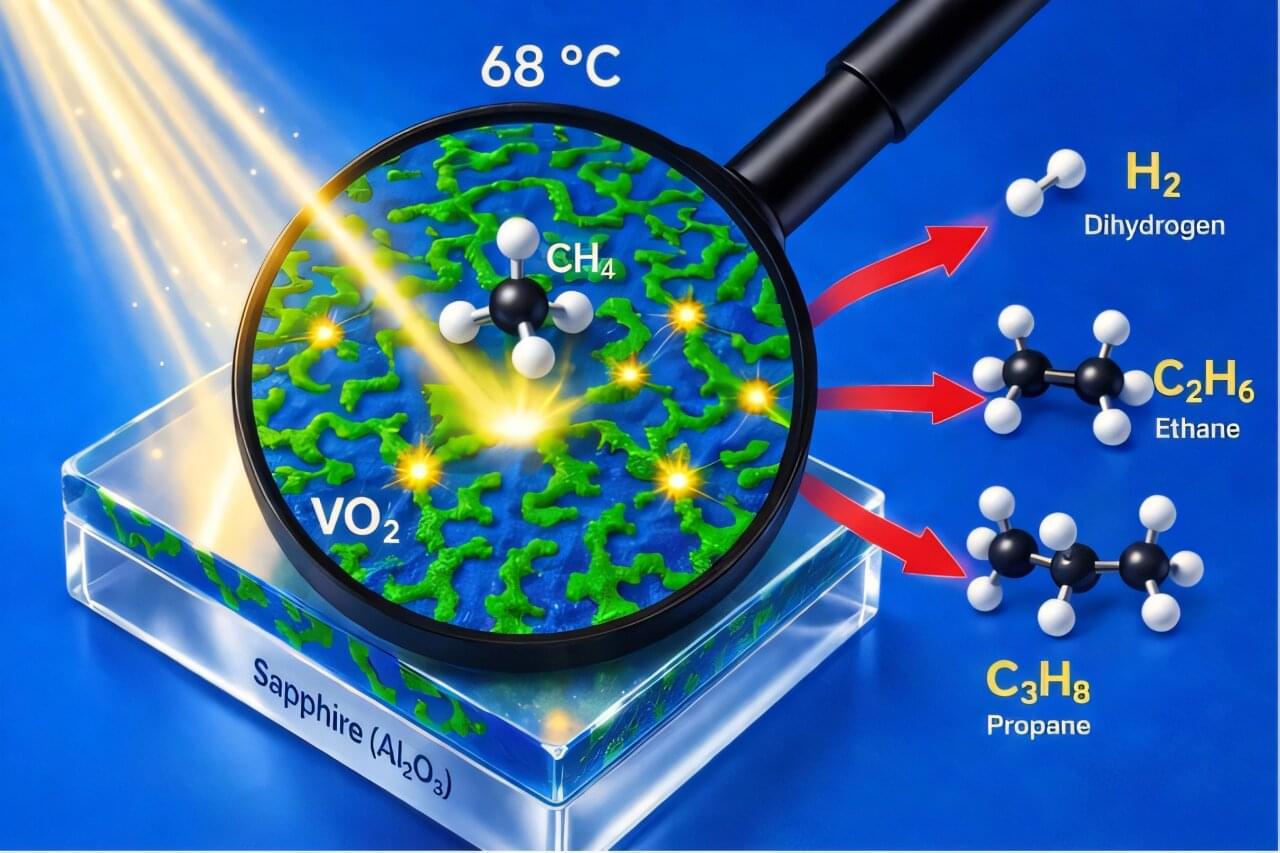
Phase-changing VO₂ turns methane into propane and hydrogen more efficiently

Converting methane, the primary component of natural gas, into higher alkanes and hydrogen, could be highly advantageous. Alkanes, such as propane and butane, are easier to transport than methane and are used in a wider range of industries. Hydrogen, on the other hand, is a promising clean fuel used to power electrochemical devices that can generate continuous power, known as fuel cells.

Over the past decades, some energy engineers have been exploring the possibility of converting methane into hydrogen or complex hydrocarbons using photocatalysts. These are materials activated by sunlight or other types of light and that can drive chemical reactions.

Researchers at Université de Lille—CNRS, Sorbonne Université and other institutes in France recently introduced a new strategy for the photocatalytic conversion of methane into propane, which is widely used for heating, cooking, and transportation.

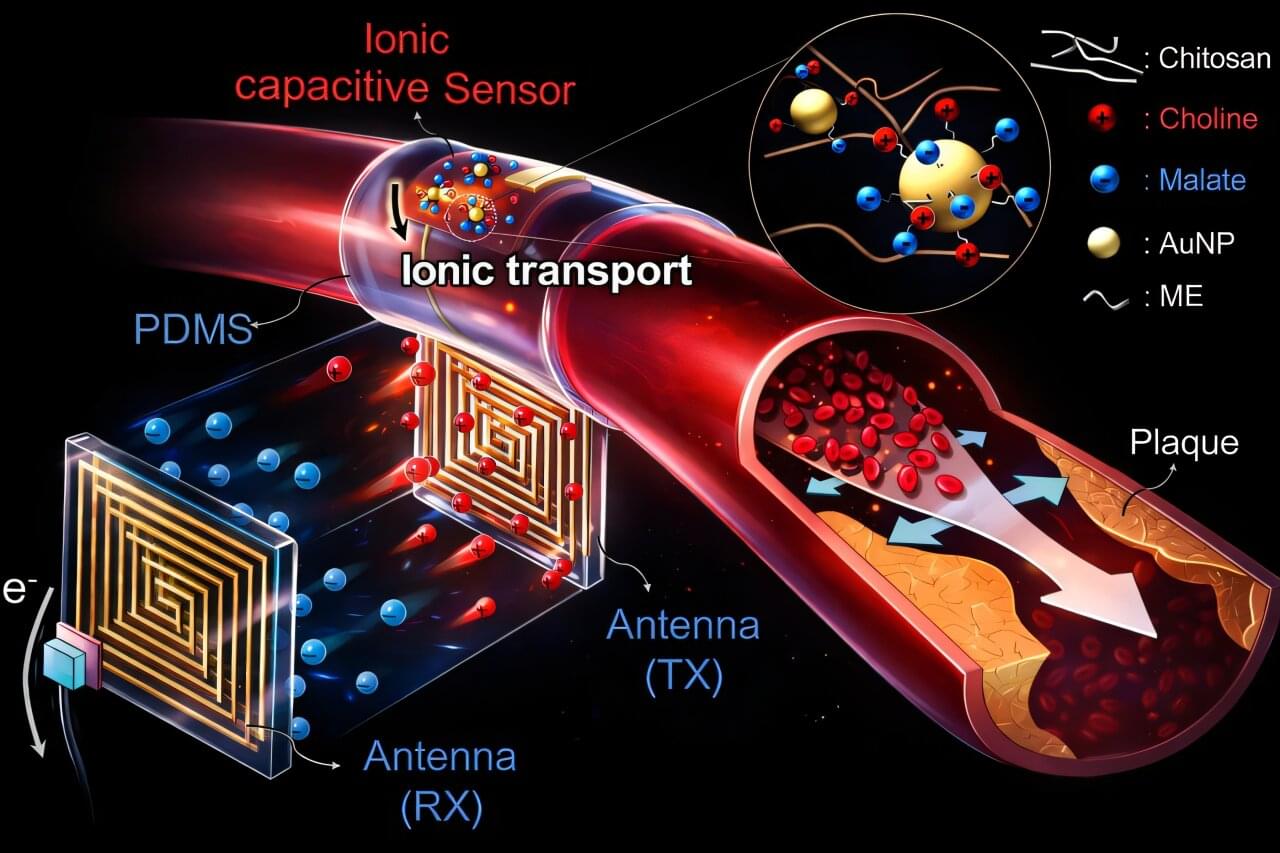
Low-frequency wireless sensor tracks artery stiffening in real time with less interference

Wireless sensors used in wearable smart devices and medical equipment must be capable of detecting minute changes while maintaining high operational stability. However, existing technologies often utilize excessively high frequencies, leading to electromagnetic interference (EMI) or potential health risks to the human body. To address these fundamental issues, a Korean research team has developed a low-frequency-based wireless sensor technology.

A joint research team, led by Professor Seungyoung Ahn from the KAIST Cho Chun Shik Graduate School of Mobility and Professor Do Hwan Kim from the Department of Chemical Engineering at Hanyang University, has developed the “WiLECS” (Wireless Ionic-Electronic Coupling System), a low-frequency wireless electrochemical sensing platform that combines ion-based materials with wireless power transfer technology. The research is published in the journal Nature Communications.

Conventional wireless sensors suffer from low capacitance (the ability to store electrical charge), requiring high frequencies in the megahertz (MHz) range to compensate. However, these high-frequency methods can cause tissue heating or signal instability, limiting their practical application in clinical medical settings.

Pain-sensing neurons mapped in unprecedented detail, pointing to new chronic pain drug targets

One in five people worldwide suffers from chronic inflammatory pain. Meanwhile, about two thirds of those affected find little relief from existing pain medications; new therapeutic approaches are urgently needed. “We first must understand precisely how sensory nerve cells trigger pain at the molecular level—in other words, which proteins are involved,” says Professor Gary Lewin, Group Leader of the Molecular Physiology of Somatosensory Perception lab at the Max Delbrück Center in Berlin.

To unravel these molecular processes, Lewin—who has been studying pain for four decades and recently discovered a previously unknown ion channel involved in pain perception—is working closely with systems biologist Dr. Fabian Coscia, Group Leader of the Spatial Proteomics lab at the same center. Coscia co-developed a method called Deep Visual Proteomics that makes it possible to determine the proteome —the complete set of proteins—of specific cells and to create maps detailing the spatial locations of individual proteins.

The researchers combined this technology with electrophysiological methods from Lewin’s group. This enabled them to first identify specific subtypes of pain neurons based on their function and then analyze their protein profiles. The result is a high-resolution molecular map of these nerve cells, which has been published in Nature Communications. The team also demonstrated how the technology can identify potential new drug targets to treat chronic pain.

/* */