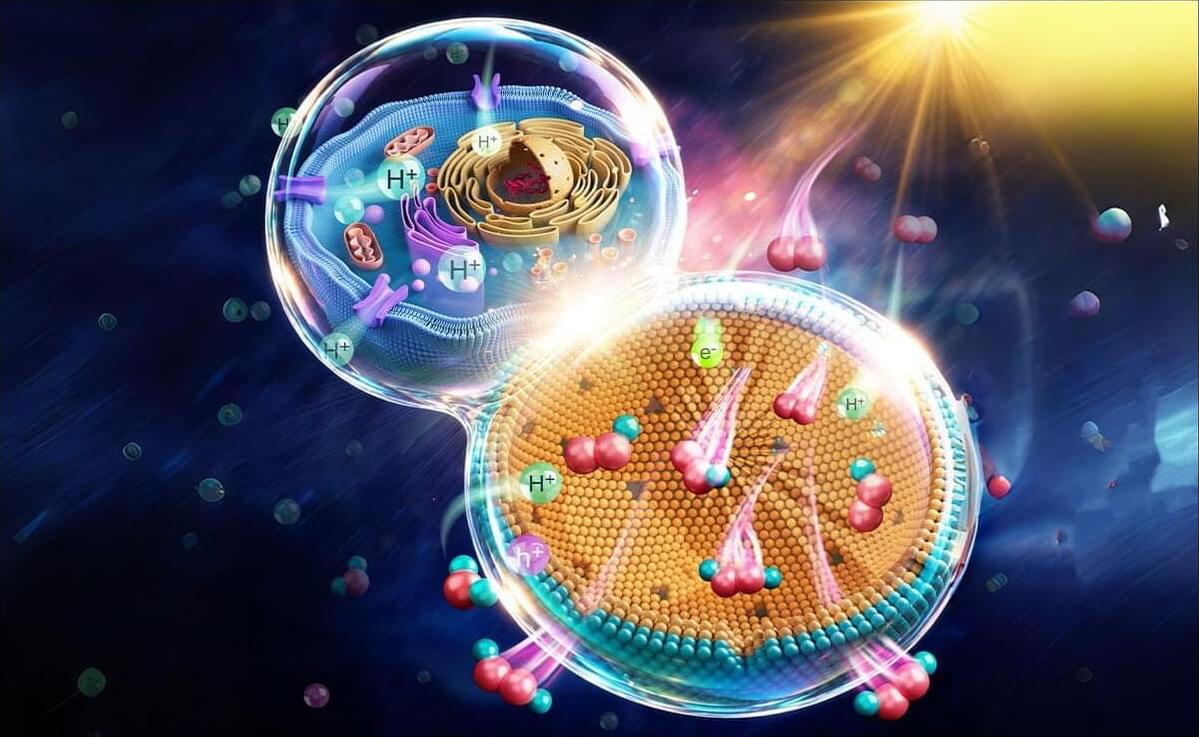
A biomimetic nanoreactor combines cellular design principles to produce hydrogen peroxide efficiently under visible light.
Inside a hollow nanoscale structure, researchers have recreated two strategies that living cells use to control chemical reactions. The resulting CdS@polydopamine nanoreactor offers a synthetic way to reproduce some of the organization and efficiency found in biological systems.
The work was published in the Journal of the American Chemical Society. Can Li of the Dalian Institute of Chemical Physics (DICP), part of the Chinese Academy of Sciences (CAS), led the research with Jian Liu’s group at Inner Mongolia University.
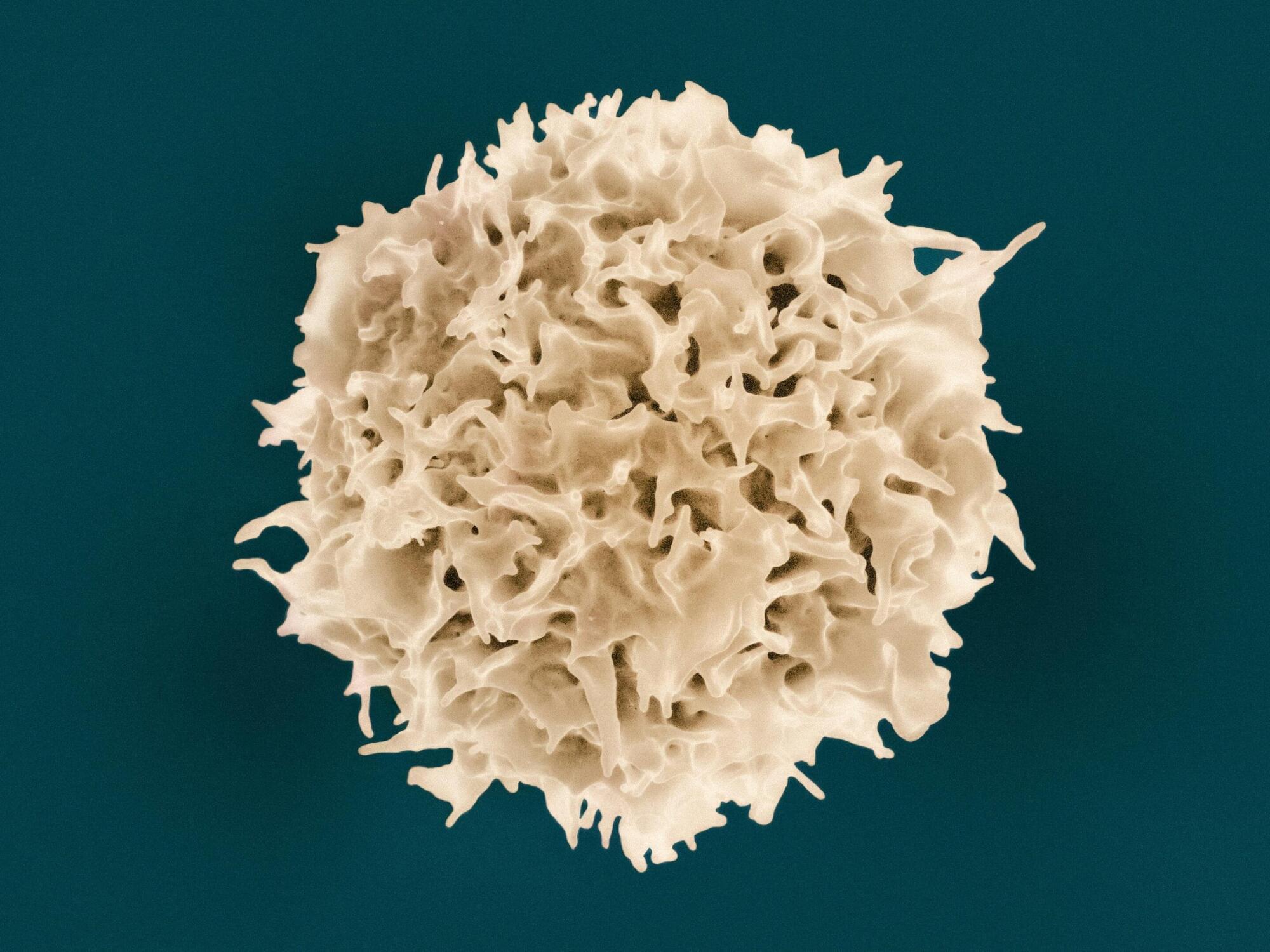
Every encounter between a T cell and a potential target—especially when that target is a developing tumor—begins with a rapid series of molecular decisions. Within seconds, the immune cell must determine whether to launch an attack or stand down. T cells are so potent, so potentially devastating, that misreading the situation can cause serious tissue injury.
But cancer cells come equipped with a bag of tricks that allows them to disarm these powerful warriors of the immune system. All of these activities, whether mediated by T cells or their targets, occur at split-second speed and unfold at the point of cell-to-cell contact.
Now, scientists have identified tiny nanoscale contact points where those decisions are made, revealing how activation and inhibitory signals are integrated at the first moments of a cell-to-cell encounter.
In February 2011, I spent an hour on Skype asking one of the most influential computer scientists alive whether we could still steer the technologies we were building.
James Martin said yes.
He had earned the right to that answer. Computerworld ranked him fourth among the 25 people who most shaped computer science. The Sunday Times called him Britain’s leading futurist. He wrote 104 textbooks, picked up a Pulitzer nomination, collected honorary doctorates from six continents, then gave away more than $100 million to found the Oxford Martin School so 30 institutes could work on the hardest problems of the century.
So when he told me accelerating technology is controllable, he was not being naive. He was being deliberate. Control, in his telling, was never a technical property of the machines. It was a civilizational choice, and he thought this century was the narrow window in which we get to make it.
We talked about exponential growth in genetics, robotics, nanotech and #AI. We talked about The Meaning of the 21st Century and the project he was working on then, the Transformation of Humankind. He was not selling optimism. He was assigning homework.
Fifteen years later, the claim in the title is a lot harder to defend than it was when he made it. Or maybe that is precisely his point, and we are the ones who failed the assignment.
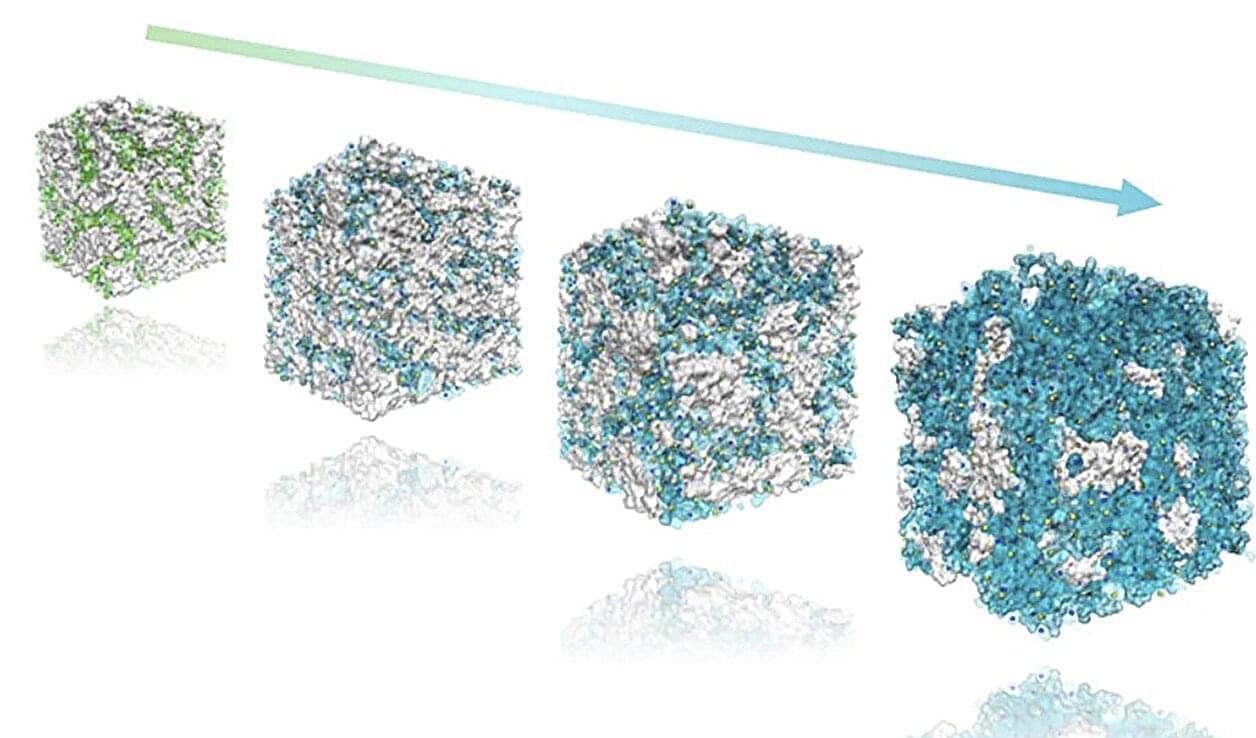
Next-generation energy devices like fuel cells and water electrolyzers depend on ion-exchange membranes that allow only water and certain ions to pass through.
The design of these membranes affects how efficient these devices can be. Understanding how the materials used in them influence their performance is key to advancing these technologies.
At the University of Chicago Pritzker School of Molecular Engineering (UChicago PME), researchers collaborated with scientists at New York University to study the backbone chemistry of different types of ion-exchange membranes to better understand how their chemical makeup governs their structure and performance.
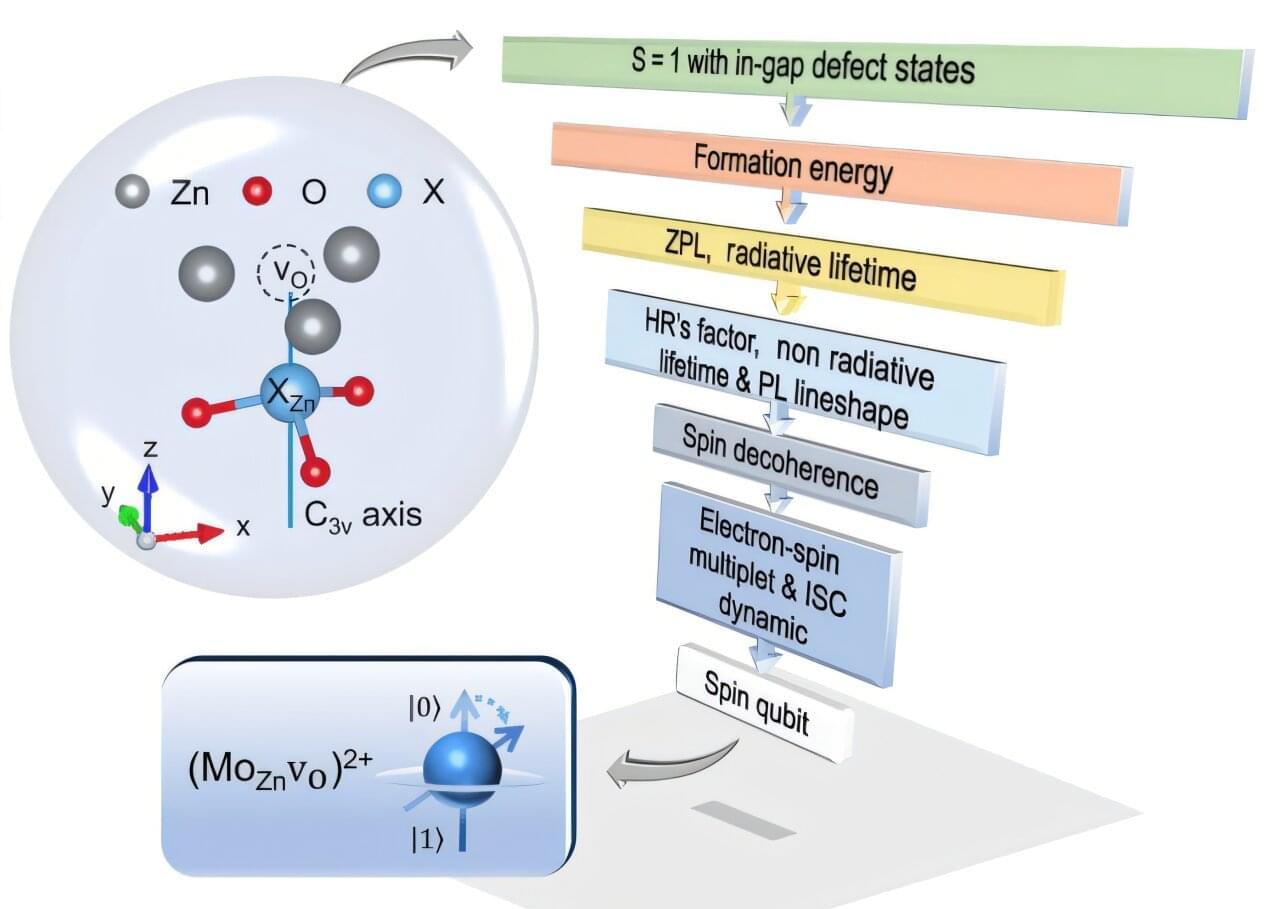
A research team led by SKKU professor Hosung Seo of the Department of Quantum Information Engineering and the SKKU Advanced Institute of Nanotechnology, working with the University of Wisconsin–Madison and the University of Washington, has identified—for the first time—an atomic defect structure in the zinc oxide (ZnO) semiconductor with outstanding properties for use as a “spin qubit,” a core building block of future quantum computers, quantum communications and quantum sensors.
Electron spins trapped at point defects in solid-state crystals can operate at room temperature and retain quantum information for long periods, making them a leading platform not only for quantum computing but also for quantum communications and ultrasensitive quantum sensing. The nitrogen-vacancy (NV) center in diamond has been the most prominent candidate, but diamond is difficult to grow into large-area, high-quality crystals and is poorly suited to standard semiconductor fabrication, posing major obstacles to the integration and mass production of quantum devices.
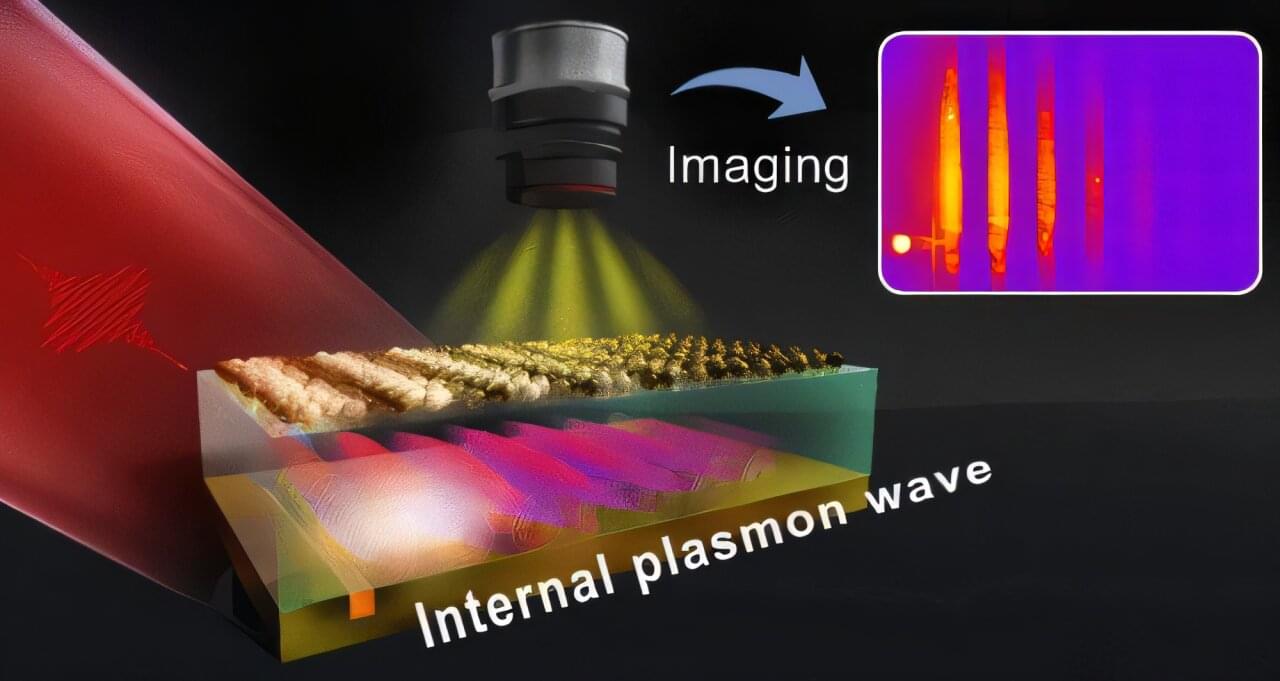
Photographs can reveal things that are otherwise impossible for the naked eye to see, be they distant galaxies or microscopic cells. Researchers at Osaka Metropolitan University have developed a practical and versatile imaging technique that makes another usually invisible phenomenon visible: surface plasmon polaritons (SPPs), light waves that travel along metal surfaces.
The new method, published in the journal Nano Letters, could boost the development of next-generation optical and plasmonic technologies.
SPPs are electromagnetic waves that travel along the boundary between a metal and a dielectric material, such as air or glass. Unlike ordinary light, which spreads freely through three-dimensional space, SPPs remain tightly confined to this interface, allowing them to be guided and manipulated at the nanoscale. This unique property makes them fundamental to emerging technologies including ultrasensitive sensors, optical circuits and quantum devices.
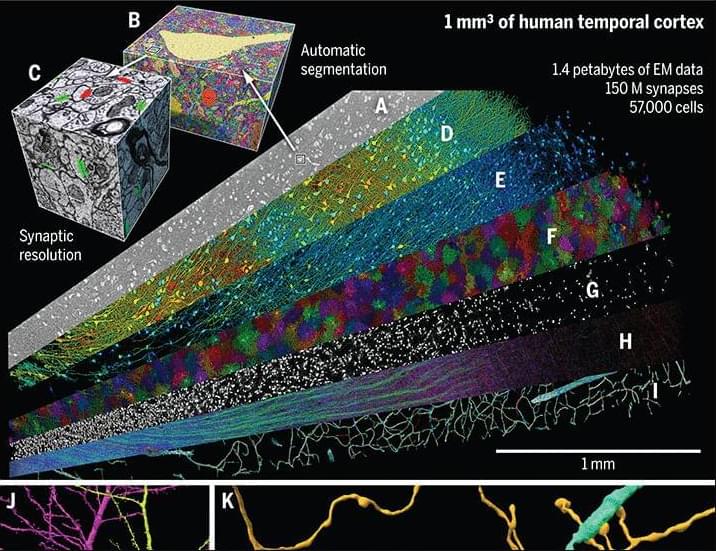
“In a 2024 Science study, researchers performed a high-resolution EM reconstruction of the ultrastructure of a cubic millimeter of human temporal cortex. According to the authors, the reconstruction contains roughly 57,000 cells, about 230 millimeters of blood vessels, and nearly 150 million synapses, comprising 1,400 terabytes of data.”
This website uses a security service to protect against malicious bots. This page is displayed while the website verifies you are not a bot.
Zahi A. Fayad, PhD, is the Lucy G. Moses Professor of Medical Imaging and Bioengineering at the Icahn School of Medicine at Mount Sinai, where he also serves as Vice Chair for Research in Radiology and holds professorships in Medicine (Cardiology) and AI & Human Health. He is the founding Director of the BioMedical Engineering and Imaging Institute (BMEII), home to one of the nation’s top NIH-funded radiology programs (#2 in 2025 per Blue Ridge rankings). Dr. Fayad also co-leads Mount Sinai’s system-wide Healthspan initiative, coordinating research, clinical, and digital infrastructure to advance precision prevention across the enterprise.
Dr. Fayad is Principal Investigator on multiple major grants, including five NIH-funded projects (3 R01s, 2 P01s) supported by the National Heart, Lung, and Blood Institute, NIAID, and NIDA. A leader in biomedical engineering, his interdisciplinary work integrates advanced imaging, AI, and nanomedicine to drive precision medicine, with research interests focused on how lifestyle stressors — chronic stress, diet, exercise, and sleep — affect long-term cardiovascular and whole-person health.
A Clarivate Highly Cited Researcher since 2018 (~190,000 citations; h-index 142), Dr. Fayad’s seminal contributions include MRI vessel wall imaging (leading to Carotid Plaque-RADS), FDG PET imaging of vascular inflammation, and defining the link between amygdala activity, systemic inflammation, and cardiovascular risk. His research on HDL-based nanoparticles for immune modulation is progressing toward clinical translation for cancer, autoimmune diseases, and transplant rejection — work he is advancing commercially as co-founder of Trained Therapeutix Discovery (TTxD), an early-stage biotech company. He is also a recipient of the Jean Paul II Award for Medicine and Research.
His current projects span cardiovascular, neuroimmune, and transplant-focused research, including stress-induced immune dysregulation; mitral valve prolapse and arrhythmia risk; cocaine use–related carotid atherosclerosis and cognitive impairment; cardiac sarcoidosis therapy monitoring; and immune tracking in organ rejection using nanobiologics — together shifting care upstream toward risk prediction and intervention before clinical events.
He also leads the Mount Sinai DigiTwin Project, an AI-driven platform designed to personalize health optimization by integrating imaging, multi-omics, and real-time physiologic data — initially focused on cardiovascular health and now expanding to whole-person healthspan modeling. Dr. Fayad and colleagues at Mount Sinai are finalists in the $80m XPRIZE Healthspan competition, where they are evaluating a multimodal strategy to meaningfully extend human healthspan.
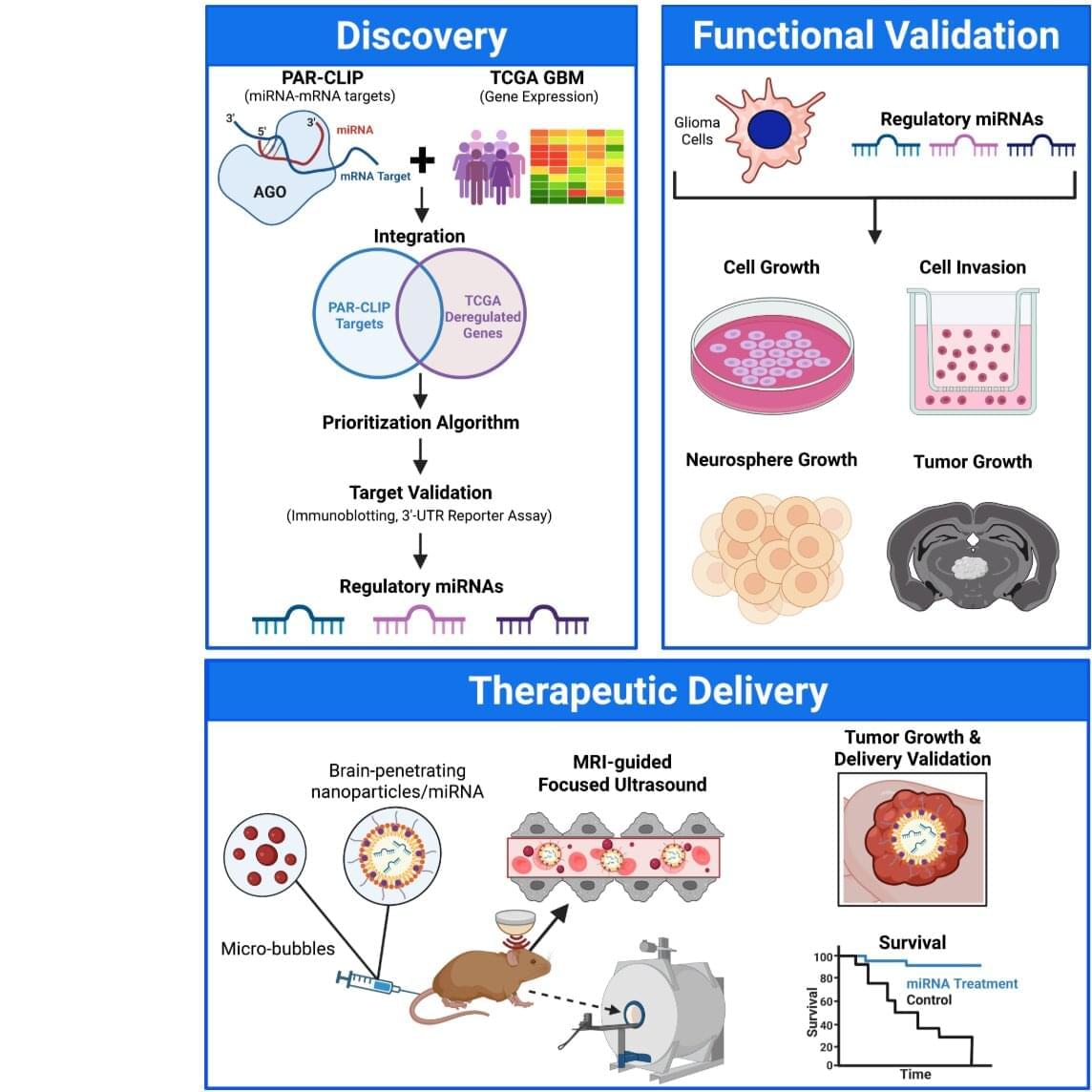
University of Virginia Comprehensive Cancer Center scientists have developed a promising new experimental approach to targeting glioblastoma, the most common and deadliest brain cancer. The approach could overcome many of the limitations of treatments using existing drugs.
UVA’s Roger Abounader, MD, Ph.D., and colleagues have identified “microRNAs” that can simultaneously suppress multiple malfunctioning genes responsible for glioblastoma’s formation and growth. The scientists use a combination of brain-penetrating nanoparticles, focused ultrasound waves and microbubbles to deliver the miRNAs through the brain’s natural protective barrier—a barrier that typically blocks treatments for tumors and neurodegenerative diseases. The study is published in the Journal of Clinical Investigation.
“This new approach could help target numerous molecules that promote cancer growth, including those for which no drugs exist, at the same time to achieve better therapies,” said Abounader, a professor at UVA’s School of Medicine, Department of Microbiology, Immunology and Cancer Biology, Comprehensive Cancer Center and Center for RNA Science and Medicine. “We are hoping to translate our findings into future clinical trials for patients with glioblastoma and other brain tumors.”