Toggle light / dark theme

Get the latest international news and world events from around the world.

Log in for authorized contributors

Lizard tail preserved in amber sheds light on a 100-million-year-old defense mechanism

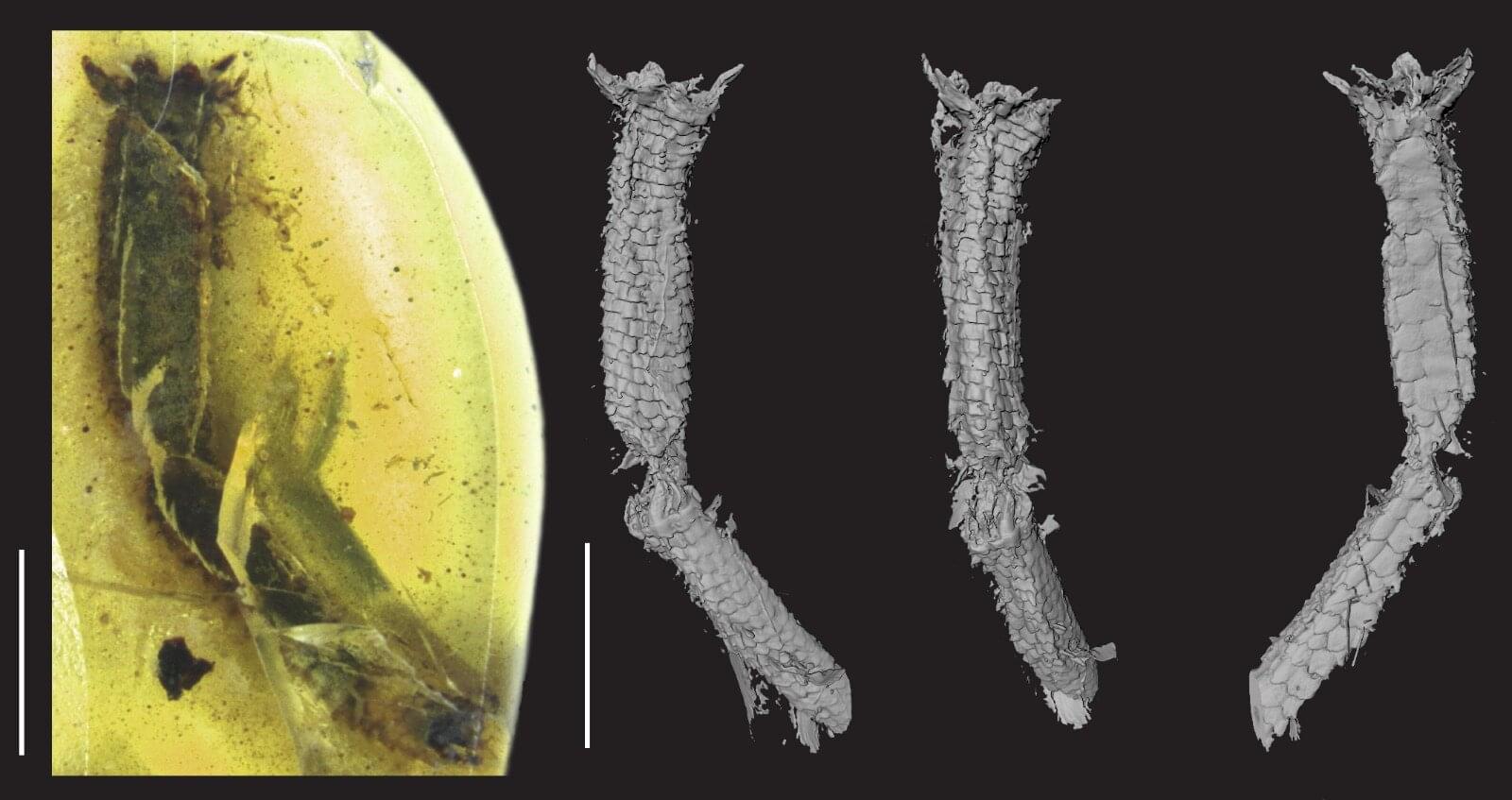
A lizard making a dramatic escape, leaving its tail wriggling behind as it darts to safety, is an image familiar to many. Tail-shedding is one of the most widespread defenses against predators among living lizards, yet tracing the origins of this extraordinary ability has proved to be surprisingly difficult—how can we tell when this escape tactic first arose in lizards?

A new Tel Aviv University study has found answers to this enigma inside a piece of amber just 18 millimeters (0.7 inches) long—the size of a fingertip—discovered in northern Myanmar. Trapped within it is a lizard’s tail that detached from its body approximately 99 million years ago. According to the researchers, it represents the best-preserved direct fossil evidence of a voluntarily dropped lizard tail through a defensive mechanism known as autotomy.

The study was led by Dolev Fabrikant, a Ph.D. candidate at Tel Aviv University’s New Environmental School, and his supervisor, Dr. Leonidas-Romanos Davranoglou of the university’s School of Zoology and Steinhardt Museum of Natural History, in collaboration with researchers from the National and Kapodistrian University of Athens and Israel’s Volcani Institute. The findings are published in Palaeontologia Electronica.
Faster, more accurate airborne radiation detection demonstrated in six-second helicopter flyovers

A new radiation detection method correctly identified single and mixed radioactive sources during six-second helicopter flyovers, according to a University of Michigan Engineering and Paul Scherrer Institute study.

The physics-based Bayesian framework pinpointed radiation sources within two meters (6.6 feet) and estimated their activities within two percentage points of their true values—an unprecedented level of detail compared to previous methods.

In a radiological emergency, such as a reactor meltdown or the detonation of a nuclear weapon, airborne measurements are sometimes the only way to access an area. The crucial, in-flight radiological information could help first responders determine where people should evacuate, shelter or receive other protection like potassium iodide pills to shield the thyroid.

AI-based computer model offers new weapon against hard-to-treat cancers

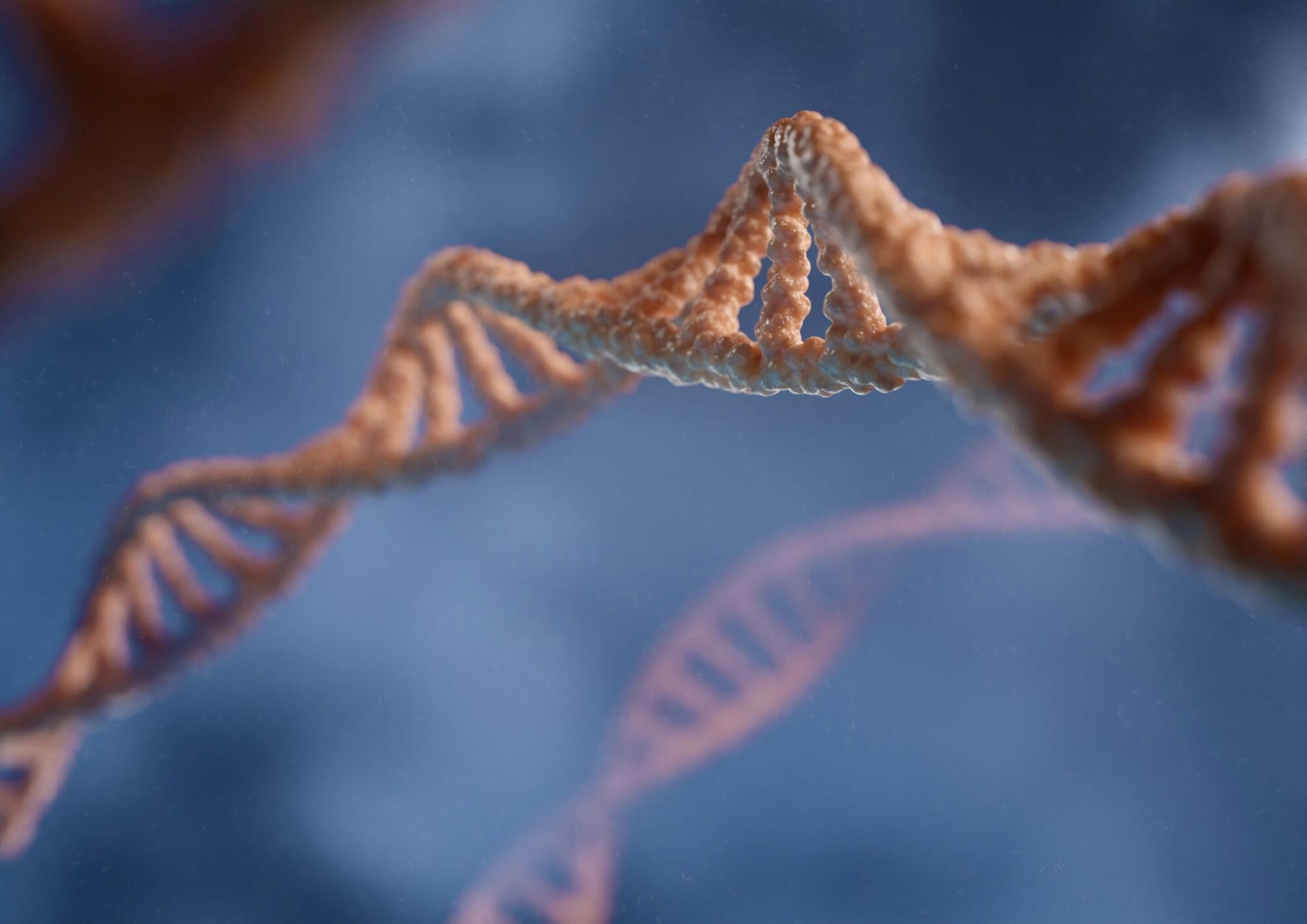
In a new paper published in Cell Reports Medicine, the UCL team outlines how they, in collaboration with a University of Cambridge team, developed a new type of treatment-predicting computer program that uses an individual’s detailed genetic fingerprint to explore which treatments, if any, may kill their cancer—especially when standard treatments have failed.

Computer models have long been used in cancer medicine, and more recently artificial intelligence has opened up a new avenue in this regard.

But the “black box” nature of “traditional” AI associated with large language models—where how they arrive at their conclusions is unclear—has prompted a degree of skepticism among the medical profession, the researchers said.

Some house cats carry a gut parasite that can infect humans, study finds

Giardia duodenalis is a microscopic, flagellated parasite that often calls the human and animal gut its home. In most cases, it coexists harmlessly with its host, and most infected pets and people show no signs of illness. However, when it becomes pathogenic, it can cause diarrhea, digestive issues or weightloss.

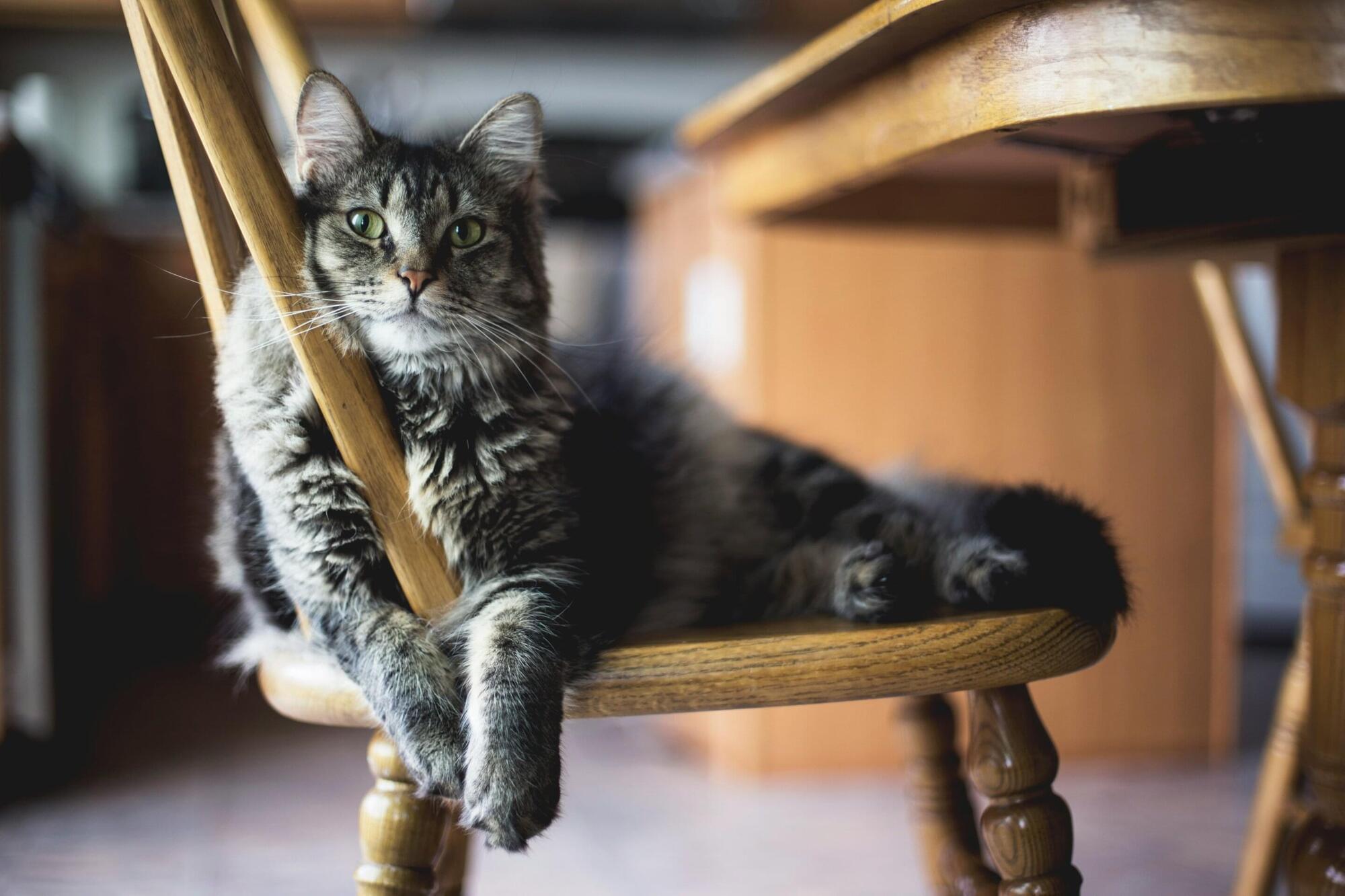
Cats can carry a pathogenic version of the gut parasite that also infects humans, but how common is it among pet cats, and how often do they harbor such strains?

A recent study investigated these questions by analyzing stool test data from 157,616 pet cats across 49 U.S. states and five Canadian provinces between March 2022 and August 2023.

Supercurrent enables the reading of quantum information without destroying it

One of the fundamental challenges of quantum computing is obtaining information from a quantum bit, or qubit. Unlike a conventional bit, which can be read repeatedly without altering its content, direct measurement of a quantum system typically causes the state to collapse before it can be determined. In other words, reading the information modifies it.

A new study proposes circumventing this problem by using a unique property of a certain type of qubit called an “Andreev qubit.” This qubit produces an oscillating electric supercurrent through its own quantum dynamics. This supercurrent would serve as a macroscopic indicator of the qubit’s state, enabling its reconstruction in a virtually nondestructive manner.

The study was published in the journal Physical Review B and was led by José Carlos Egues, a full professor at the São Carlos Institute of Physics at the University of São Paulo (IFSC-USP) in Brazil, and Yugui Yao of the School of Physics at the Beijing Institute of Technology in China. According to the authors, this method could eliminate the need for ancillas, auxiliary qubits used in current techniques for nondestructive quantum readout.