Toggle light / dark theme

Get the latest international news and world events from around the world.

Log in for authorized contributors

A universal law could explain how large trades change stock prices

Financial markets are often seen as chaotic and unpredictable. Every day, traders around the world buy shares and sell assets in a whirlwind of activity. It looks like a system of total randomness—but is it really?

Scientists have long suspected that there is a hidden order under this noise, but it has been difficult to prove. Now, Yuki Sato and Kiyoshi Kanazawa of Kyoto University have provided some of the strongest evidence yet. By studying eight years of data from the Tokyo Stock Exchange (TSE), they have confirmed a long-standing hypothesis known as the square-root law (SRL) of price impact.

30,000 Brain Scans Reveal a Hidden Danger in Ultra-Processed Foods

Brain imaging of 30,000 people revealed that ultra-processed foods are associated with structural differences in the brain that could fuel overeating.

The study suggests that additives like emulsifiers may influence these effects. While some processed foods are beneficial, ultra-processed products pose a clear risk.

Brain imaging study reveals concerning links to ultra-processed foods.

New Microscope Makes an Invisible 2D Material Visible

A new microscopy technique allows scientists to see single-atom-thick boron nitride by making it glow under infrared light. Researchers from the Physical Chemistry and Theory departments at the Fritz Haber Institute have developed a new way to visualize boron nitride layers that are just one atom

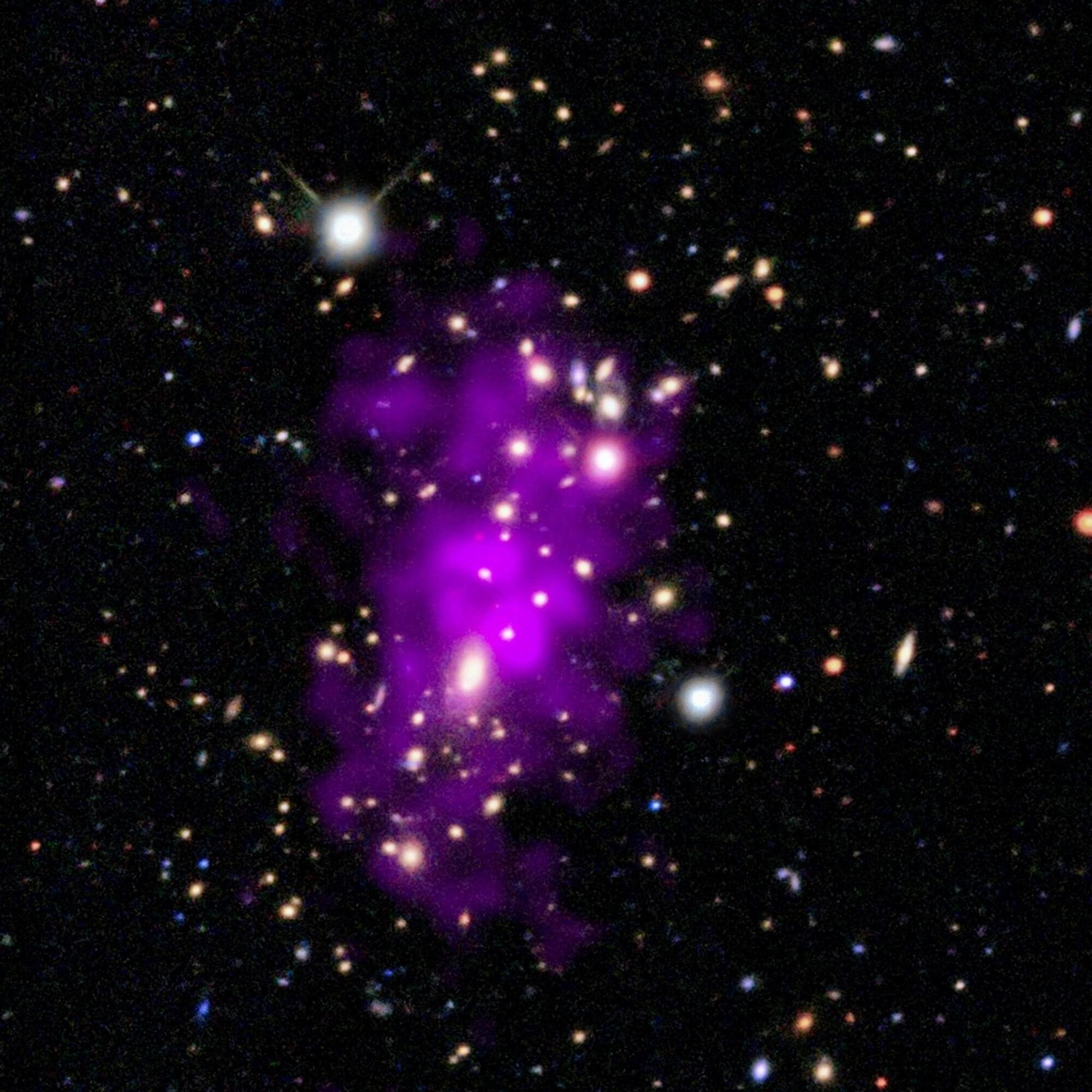
Strange, Record-Breaking Gamma-Ray Explosion Lasted 7 Hours and Defies Explanation

Data collected using multiple NSF NOIRLab facilities reveal a gamma-ray burst that lasted more than seven hours and originated in a massive, extremely dust-rich galaxy. Gamma-ray bursts (GRBs) rank among the most extreme explosions known in the Universe, surpassed only by the Big Bang itself. Mos

New AI Model Is Shockingly Good at “Reading” Human Minds

A new AI model is demonstrating an unprecedented ability to anticipate human actions by interpreting visual and contextual cues in real time. Rather than simply reacting to movement, the system reasons about what people are likely to do next. Researchers from the Texas A&M University College

Scientists Discover Why Losing a Tiny Patch of Brain Insulation Can Disrupt Thought

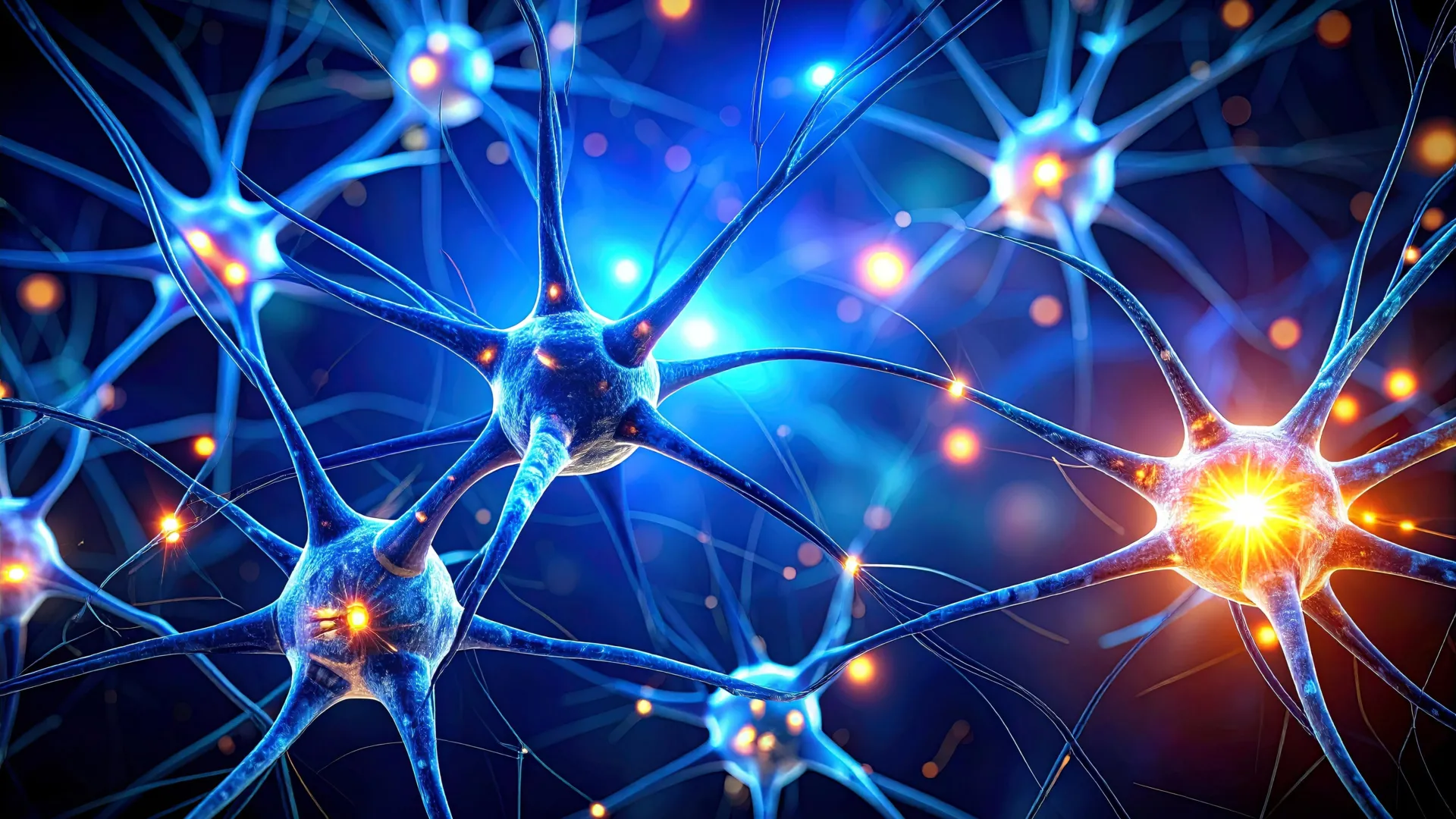
A mouse study reveals that losing a small but critical segment of myelin can disrupt how the brain encodes and transmits information. Nerve cells are wrapped in a protective coating called (myelin), which enables electrical signals to travel rapidly through the brain. Scientists have long known t

Hidden Patterns in Hot Jupiter Orbits Expose Their Secret Past

The first planet ever found orbiting another star was detected in 1995, and it belonged to a class now known as a “hot Jupiter.” These exoplanets are comparable in mass to Jupiter but circle their stars in just a few days. Scientists now believe that hot Jupiters originally formed far from their stars, similar to Jupiter in our Solar System, and later moved inward.

Two main processes have been proposed to explain this journey: high-eccentricity migration, where gravitational interactions with other objects distort a planet’s orbit before tidal forces near the star gradually make it circular; and disk migration, in which a planet slowly spirals inward while embedded in the protoplanetary disk of gas and dust.

Astronomers Capture Rare Image of a Real-Life “Tatooine” Orbiting Two Suns

In a finding that echoes science fiction, astronomers at Northwestern University have captured a direct image of an exoplanet that orbits two stars, similar to the fictional world of Tatooine.

Directly imaging a planet beyond our solar system is uncommon on its own, but spotting one that revolves around a pair of suns is far more unusual. This newly identified planet stands out even among those rare cases. It travels closer to its two host stars than any other directly imaged planet found in a binary star system and sits six times nearer to its suns than comparable exoplanets discovered so far.

This observation gives scientists a valuable new way to study how planets form and move in systems with more than one star. By watching how the planet and its stars interact, researchers can better test and refine models of planetary formation under complex gravitational conditions.

/* */