Toggle light / dark theme

Get the latest international news and world events from around the world.

Log in for authorized contributors

First standalone spin-wave chip operates without external magnets for future telecom

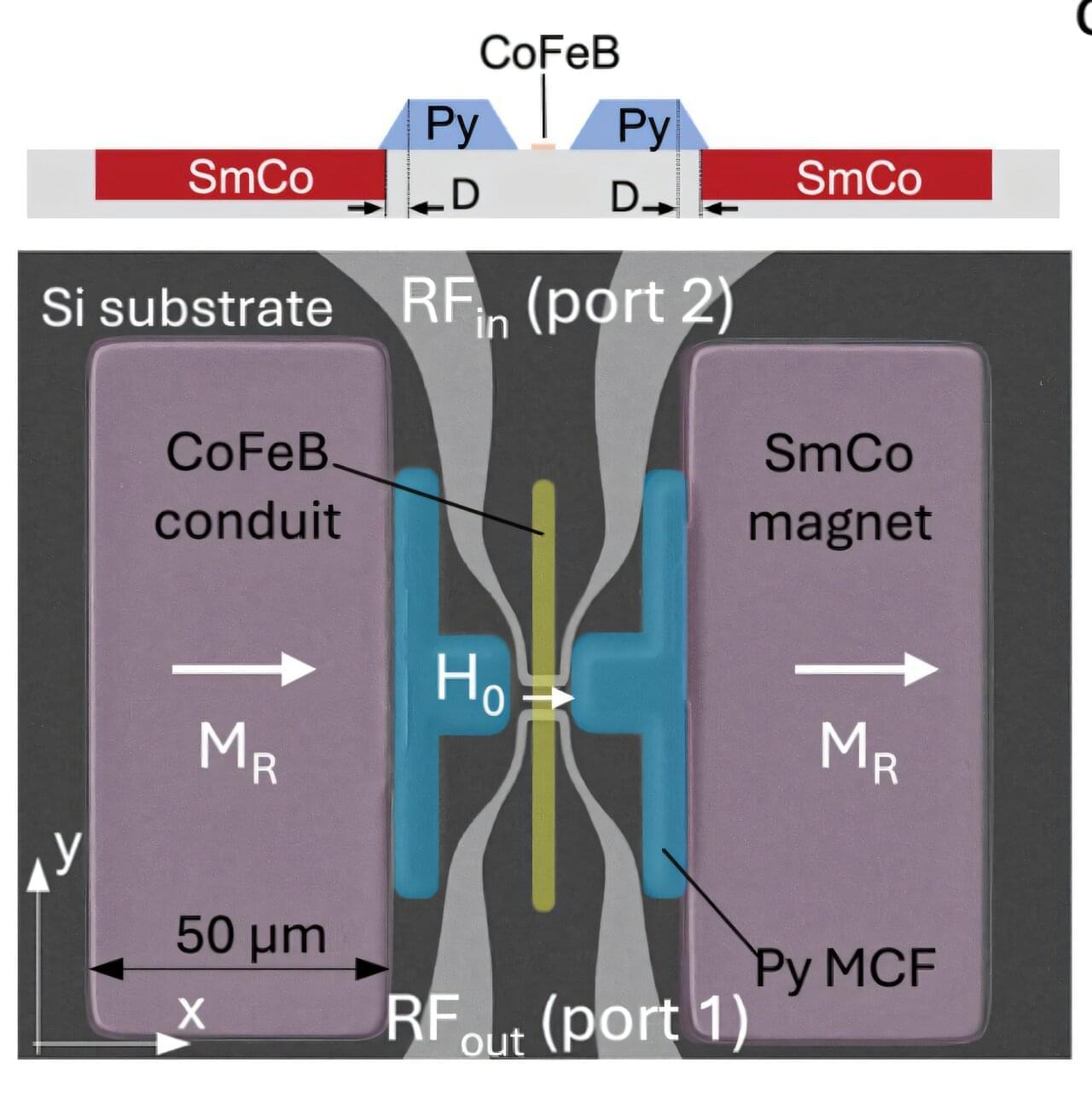
The Politecnico di Milano has created the first integrated and fully tunable device based on spin waves, opening up new possibilities for the telecommunications of the future, far beyond current 5G and 6G standards. The study, published in the journal Advanced Materials, was conducted by a research group led by Riccardo Bertacco of the Department of Physics of the Politecnico di Milano, in collaboration with Philipp Pirro of Rheinland-Pfälzische Technische Universität and Silvia Tacchi of Istituto Officina dei Materiali—CNR-IOM.

Magnonics is an emerging technology that uses spin waves —collective excitations of electronic spins in magnetic materials—as an alternative to electrical signals. The spread of this technology has been restricted until now by the need for an external magnetic field, which has prevented it being incorporated into chips.

The new device developed at the Politecnico overcomes this hurdle: it is miniaturized (100 × 150 square micrometers, so much smaller than current radiofrequency signal processing devices based on acoustic waves); it is fully integrated on silicon—and therefore compatible with existing electronic platforms, and it functions without external magnets, thanks to an innovative combination of permanent SmCo micromagnets and magnetic flux concentrators.
This crystal sings back: Study sheds light on magnetochiral instability

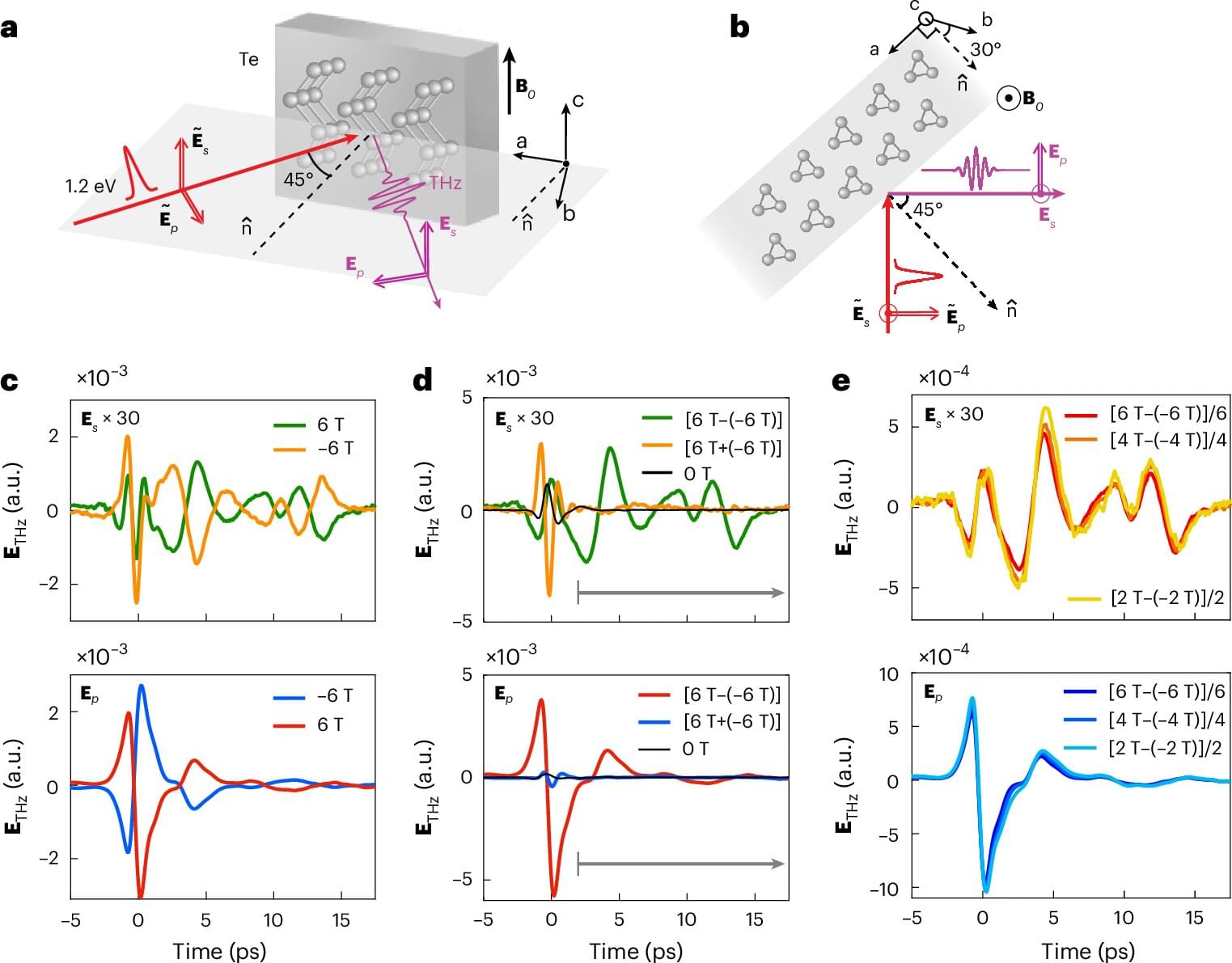
Researchers from The Grainger College of Engineering at the University of Illinois Urbana-Champaign have reported the first observation of a dynamic magnetochiral instability in a solid-state material. Their findings, published in Nature Physics, bridge ideas from nuclear and high-energy physics with materials science and condensed matter physics to explain how the interplay between symmetry and magnetism can amplify electromagnetic waves.

A material’s behavior is heavily influenced by its symmetries. One unique symmetry of interest to many physicists is chirality. Chiral materials have non-superimposable mirror images, like a right and left hand. For physicists like Fahad Mahmood, Rafael Fernandes and Jorge Noronha, the nonlinear interaction between chiral materials and light is of particular interest. How do these materials respond when light triggers effects beyond the straightforward, linear response?

“If I have a shiny crystal and I put a red laser on it, I’ll get red light back; that’s a linear response, as the frequencies—or colors—of the incoming and outgoing light are the same,” Mahmood said. “You can go a little further and try to excite some frequency so that it sends back a different color: you put red light on something, and it shines back as green, blue or yellow. That’s nonlinear response.”

Quantum-dot device can generate multiple frequency-entangled photons

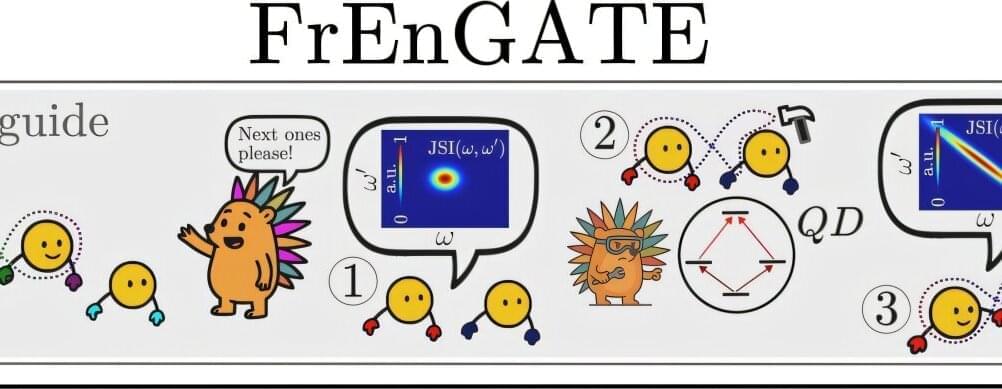
Researchers have designed a new device that can efficiently create multiple frequency-entangled photons, a feat that cannot be achieved with today’s optical devices. The new approach could open a path to more powerful quantum communication and computing technologies.

“Entangling particles efficiently is a critical capability for unlocking the full power of quantum technologies—whether to accelerate computations, surpass fundamental limits in precision measurement, or guarantee unbreakable security using the laws of quantum physics,” said Nicolas Fabre from Telecom Paris at the Institut Polytechnique de Paris.

“Photons are ideal because they can travel long distances through optical fibers or free space; however, there hasn’t been a way to efficiently generate frequency entanglement between more than two photons.”

Massive impact could be the cause of our lopsided moon

Our nearest neighbor, the moon, is still something of a mystery to us. For decades, scientists have wondered why it appears so lopsided, with dark volcanic plains on the near side (the side we see) and rugged, cratered mountains and a thicker crust on the far side. Now we might be closer to knowing why.

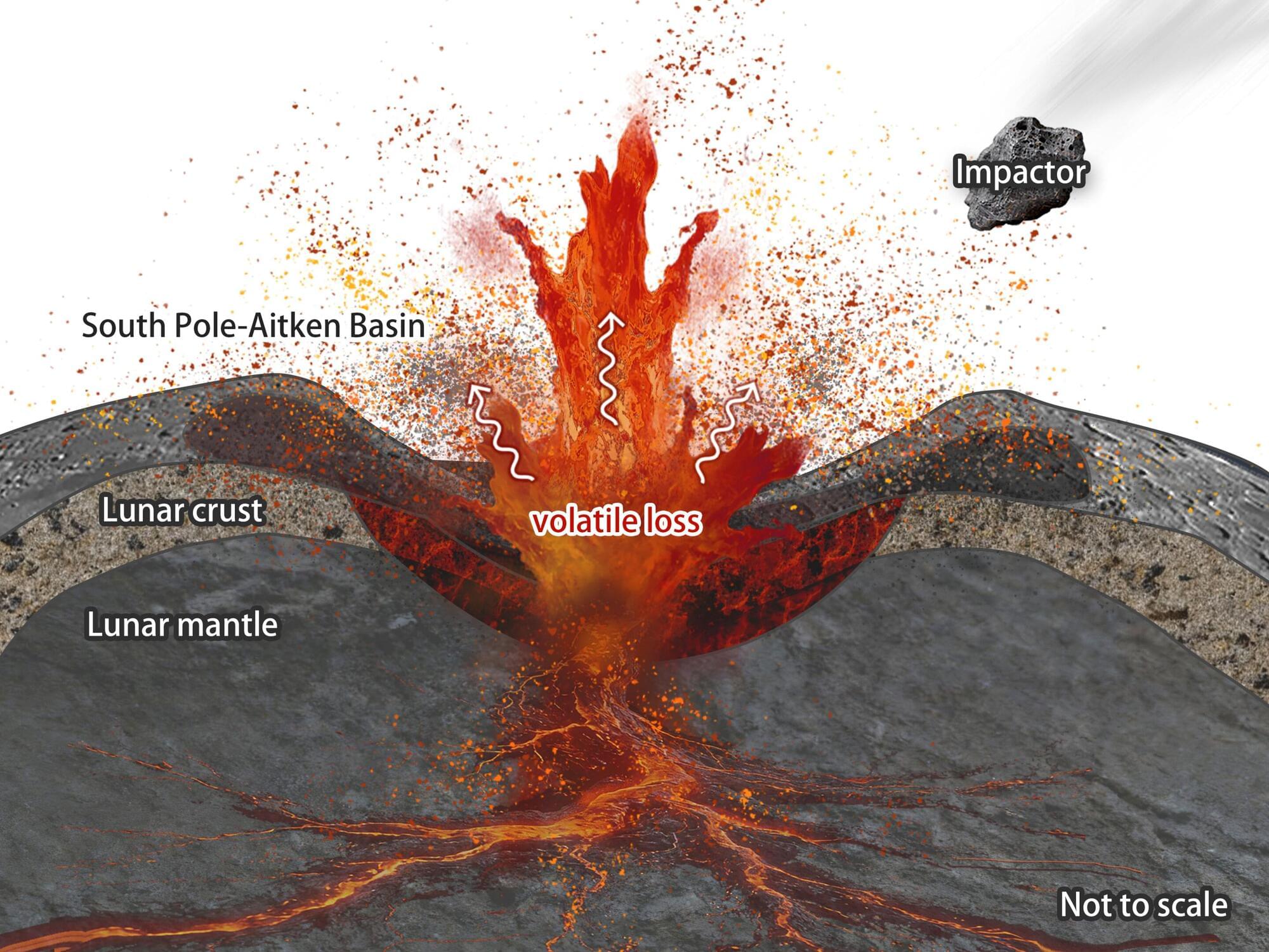
Analysis of lunar soil and rock brought back from the far side by China’s Chang’e-6 mission suggests that a massive impact long ago changed the moon’s interior.

The samples were collected from the South Pole-Aitken basin, a massive impact crater covering nearly one-quarter of the moon’s surface. Because it is so deep, researchers from the Chinese Academy of Sciences wanted to see whether the impact had reached the moon’s mantle and changed its chemistry.

Fluid gears rotate without teeth, offering new mechanical flexibility

A team of New York University scientists has created a gear mechanism that relies on fluids to generate rotation. The invention holds potential for a new generation of mechanical devices that offer greater flexibility and durability than do existing gears—whose origins date back to ancient China.

The breakthrough is reported in the journal Physical Review Letters.

“We invented new types of gears that engage by spinning up fluid rather than interlocking teeth—and we discovered new capabilities for controlling the rotation speed and even direction,” says Jun Zhang, a professor of mathematics and physics at NYU and NYU Shanghai and the senior author of the paper.

Cyanobacteria can utilize toxic guanidine as a nitrogen source

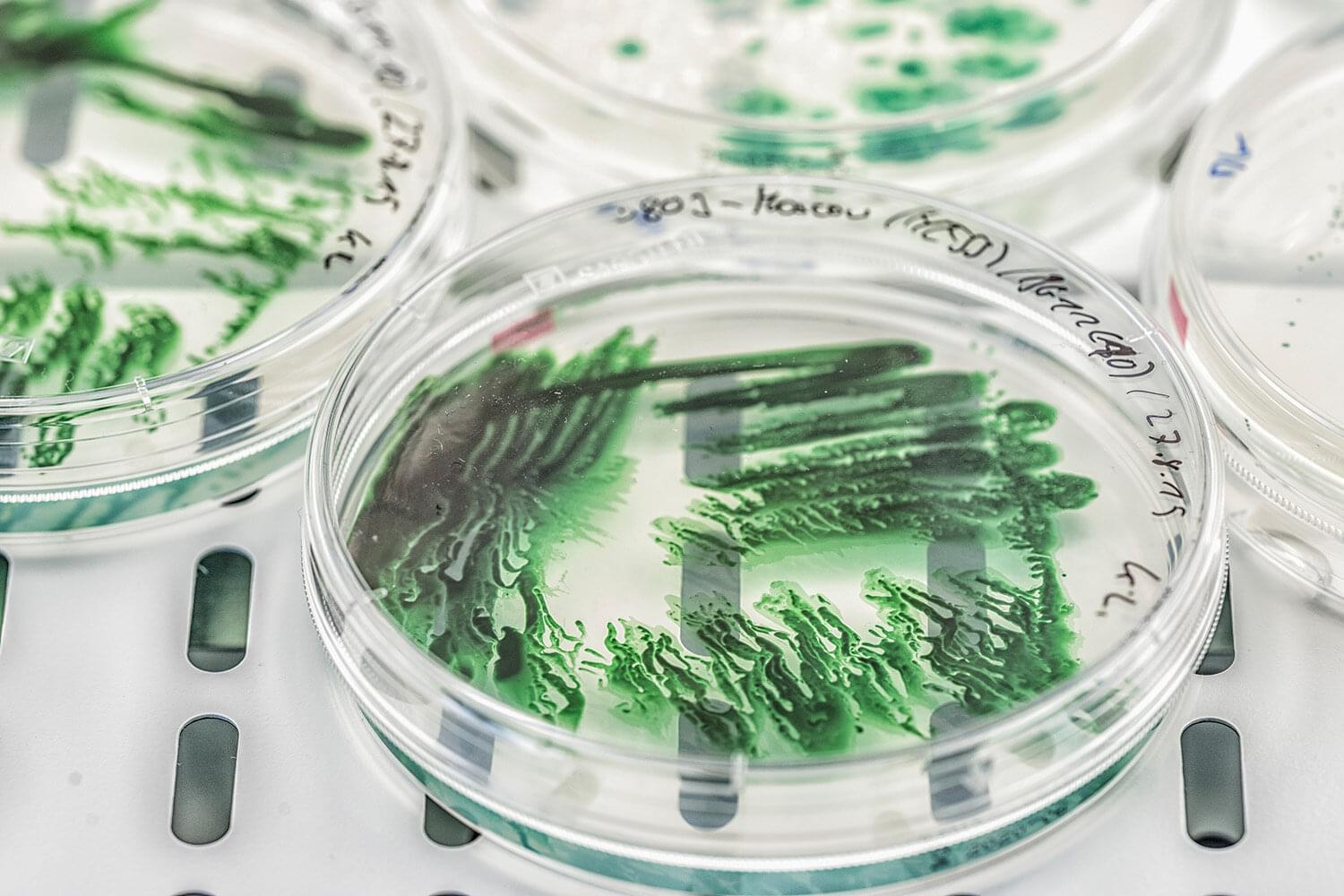
Guanidine is an organic compound primarily used as a denaturing reagent to disrupt the structures of proteins and nucleic acids. Together with partner institutions, scientists at the Helmholtz Centre for Environmental Research (UFZ) have demonstrated that cyanobacteria, which play a central role in global biogeochemical cycles, use guanidine as a nitrogen source.

The results were recently published in the Proceedings of the National Academy of Sciences. The researchers shed light on the underlying mechanisms and the potential for a new tool for sustainable biotechnological applications.

Deformable lens enables real-time correction of image aberrations in single-pixel microscopy

Researchers from the Optics Group at the Universitat Jaume I in Castellón have managed to correct in real time problems related to image aberrations in single-pixel microscopy using a recent technology: programmable deformable lenses. The new method was described by the research team in an open-access article recently published in Nature Communications and is part of the development of the European CONcISE project.

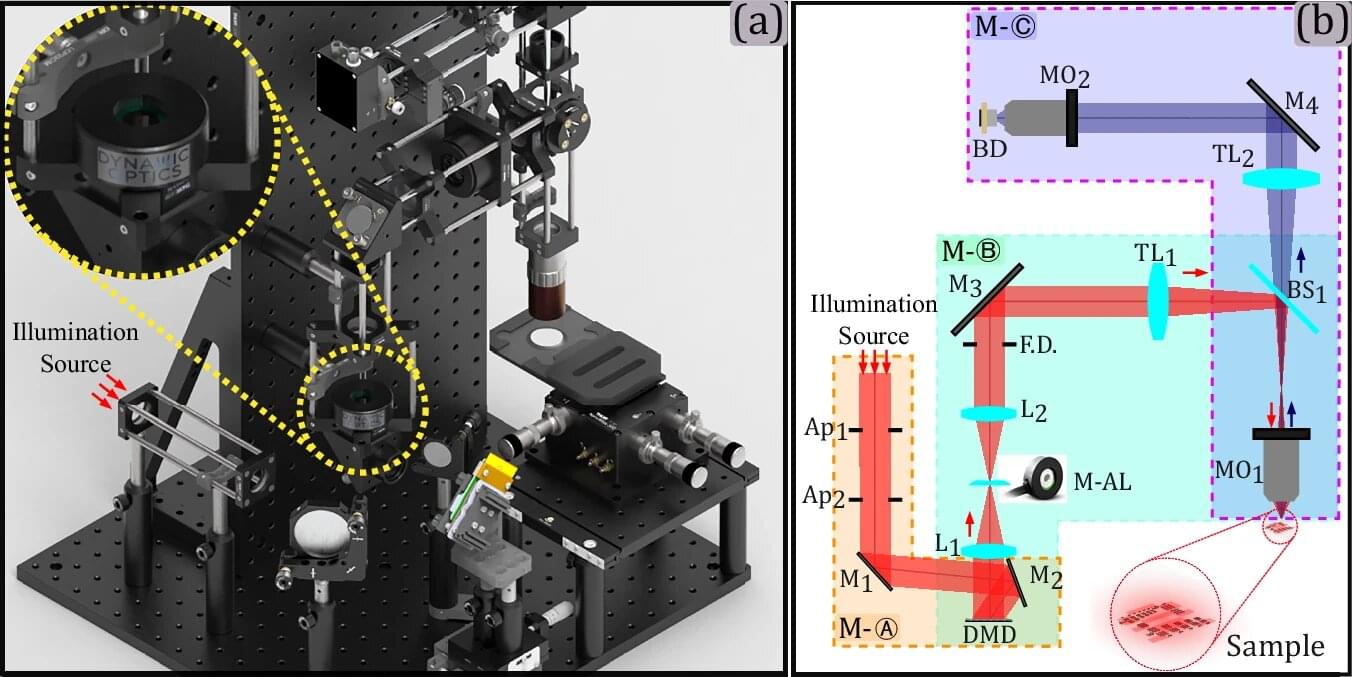
The solution proposed by this team combines an adaptive lens (which “shapes” the light wavefront in real time) with a sensorless method that evaluates image sharpness directly from the data, without complex algorithms. This approach corrects distortions caused both by the system and by the sample itself, producing sharper images, close to the physical resolution limit, without adding complexity to the microscope.

This adaptive lens is known as a “multi-actuator adaptive lens” (M-AL), which can be easily integrated into the system without significantly modifying the traditional configuration of a single-pixel microscope based on structured illumination. These types of lenses consist of an optically transparent and deformable membrane (similar to a thin sheet of glass or polymer) that can change shape via actuators distributed around or behind it.

New tool lets anyone audit a country’s methane claims

For years, countries have told the United Nations how much methane they emit using a kind of bottom-up bookkeeping: Count the cows and oil barrels, estimate the volume of trash, and multiply by standard emission factors.

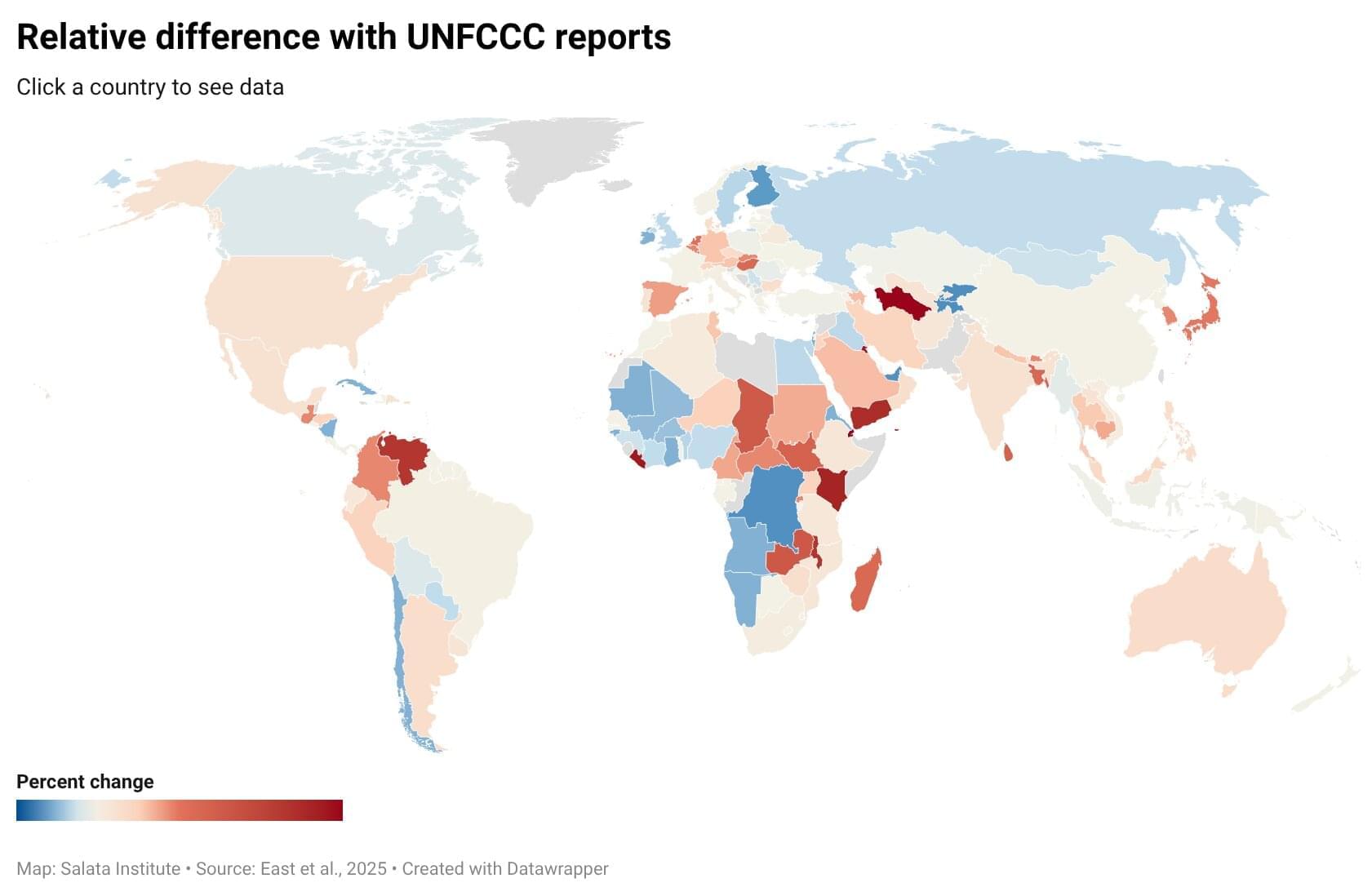
Those ledgers can miss the mark, suggest measurements from aircraft and satellites. But the tools to translate that data into national emissions estimates have largely remained the domain of specialists.

A team at Harvard is changing that. In a recent Nature Communications paper, the researchers describe Integrated Methane Inversion (IMI), an open-access system designed to let governments, researchers and civil society independently evaluate national methane claims against what satellites detect in the atmosphere, year after year.

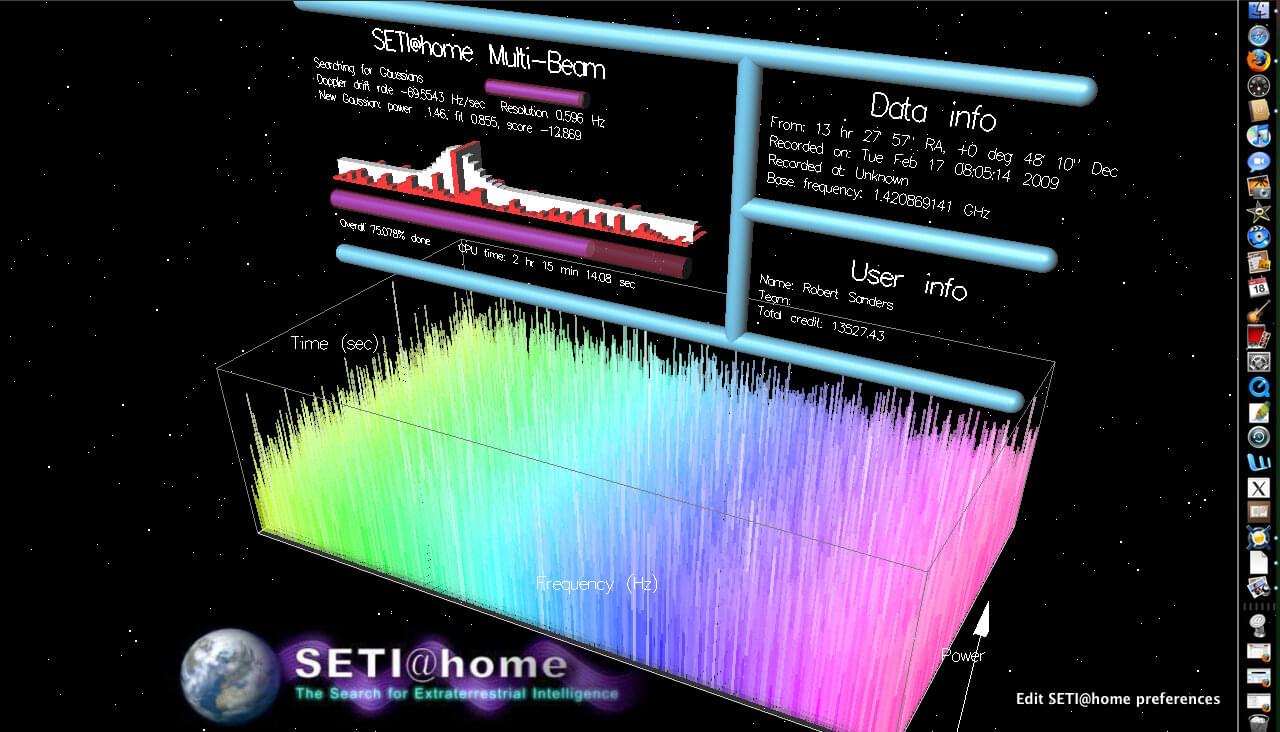
Enthusiasts used their home computers to search for ET—scientists are homing in on 100 signals they found

For 21 years, between 1999 and 2020, millions of people worldwide loaned UC Berkeley scientists their computers to search for signs of advanced civilizations in our galaxy.

The project—called SETI@home, after the Search for Extraterrestrial Intelligence (SETI)—generated a loyal following eager to participate in one of the most popular crowd-sourced projects in the early days of the internet. They downloaded the SETI@home software to their home computers and allowed it to analyze data recorded at the now-defunct Arecibo Observatory in Puerto Rico to find unusual radio signals from space.

All told, these computations produced 12 billion detections— momentary blips of energy at a particular frequency coming from a particular point in the sky, according to computer scientist and project co-founder David Anderson.

New global standard set for testing graphene’s single-atom thickness

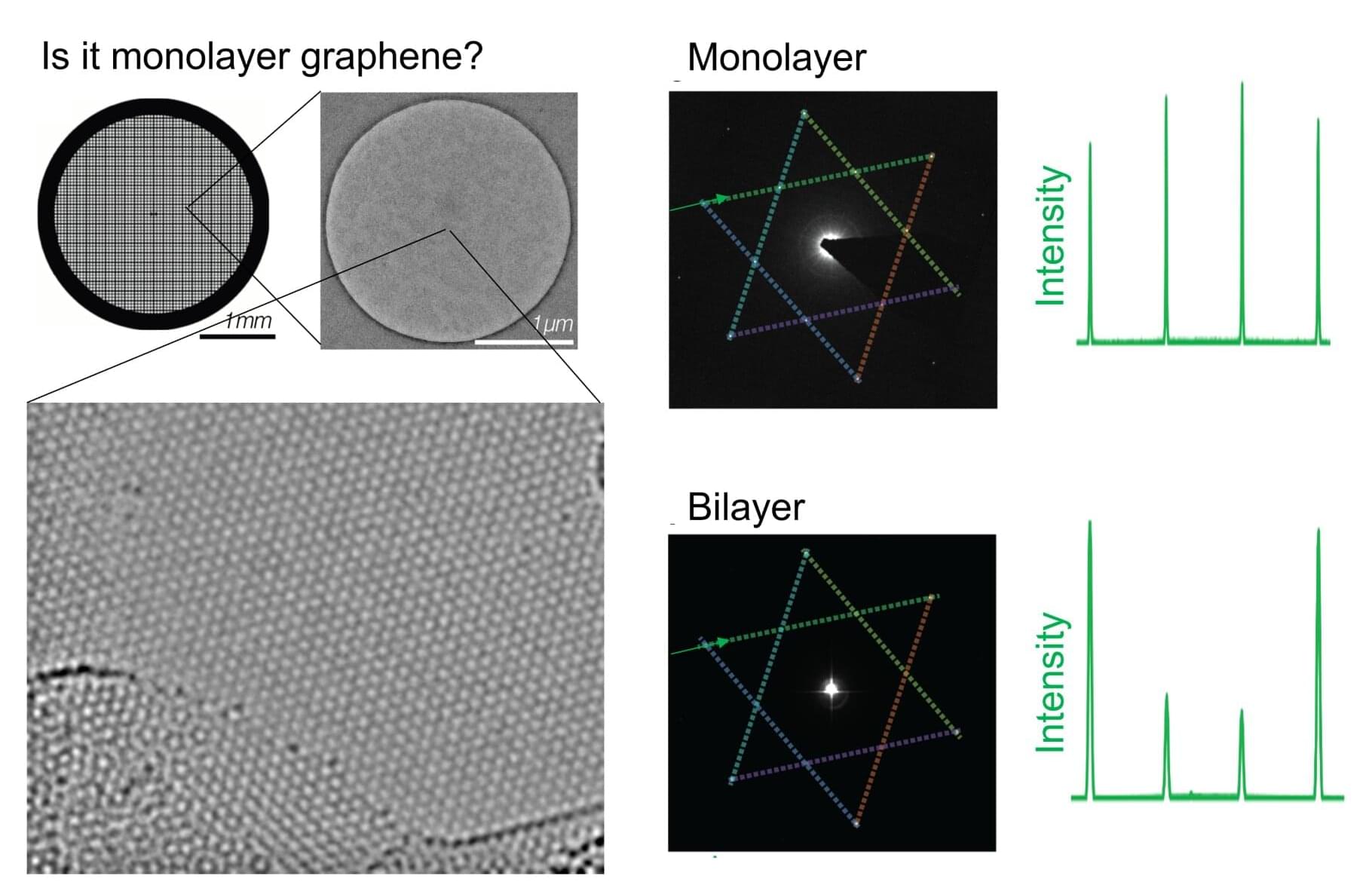
Graphene could transform everything from electric cars to smartphones, but only if we can guarantee its quality. The University of Manchester has led the world’s largest study to set a new global benchmark for testing graphene’s single-atom thickness. Working with the UK’s National Physical Laboratory (NPL) and 15 leading research institutes worldwide, the team has developed a reliable method using transmission electron microscopy (TEM) that will underpin future industrial standards.

Researchers at the University of Manchester, working with the UK’s National Physical Laboratory and 15 international partners, have developed a robust protocol using transmission electron microscopy (TEM). The results, published in 2D Materials, will underpin a new ISO technical specification for graphene.

“To incorporate graphene and other 2D materials into industrial applications, from light-weight vehicles to sports equipment, touch screens, sensors and electronics, you need to know you’re working with the right material. This study sets a global benchmark that industry can trust,” said Dr. William Thornley, who worked on the research during his Ph.D.

/* */