Toggle light / dark theme

Get the latest international news and world events from around the world.

Log in for authorized contributors

Novel porous gel changes color, shrinks and hardens when it detects target molecules

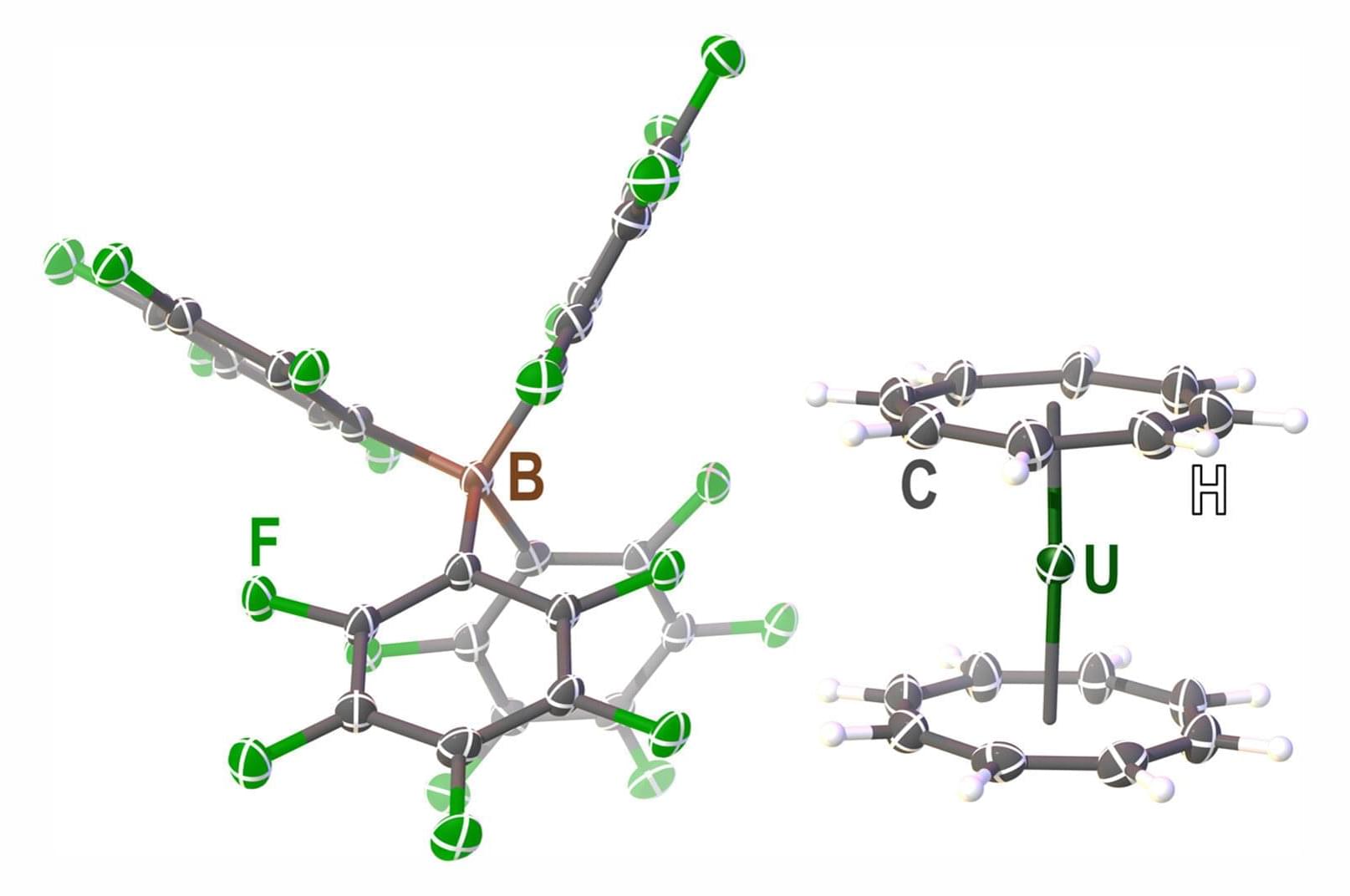
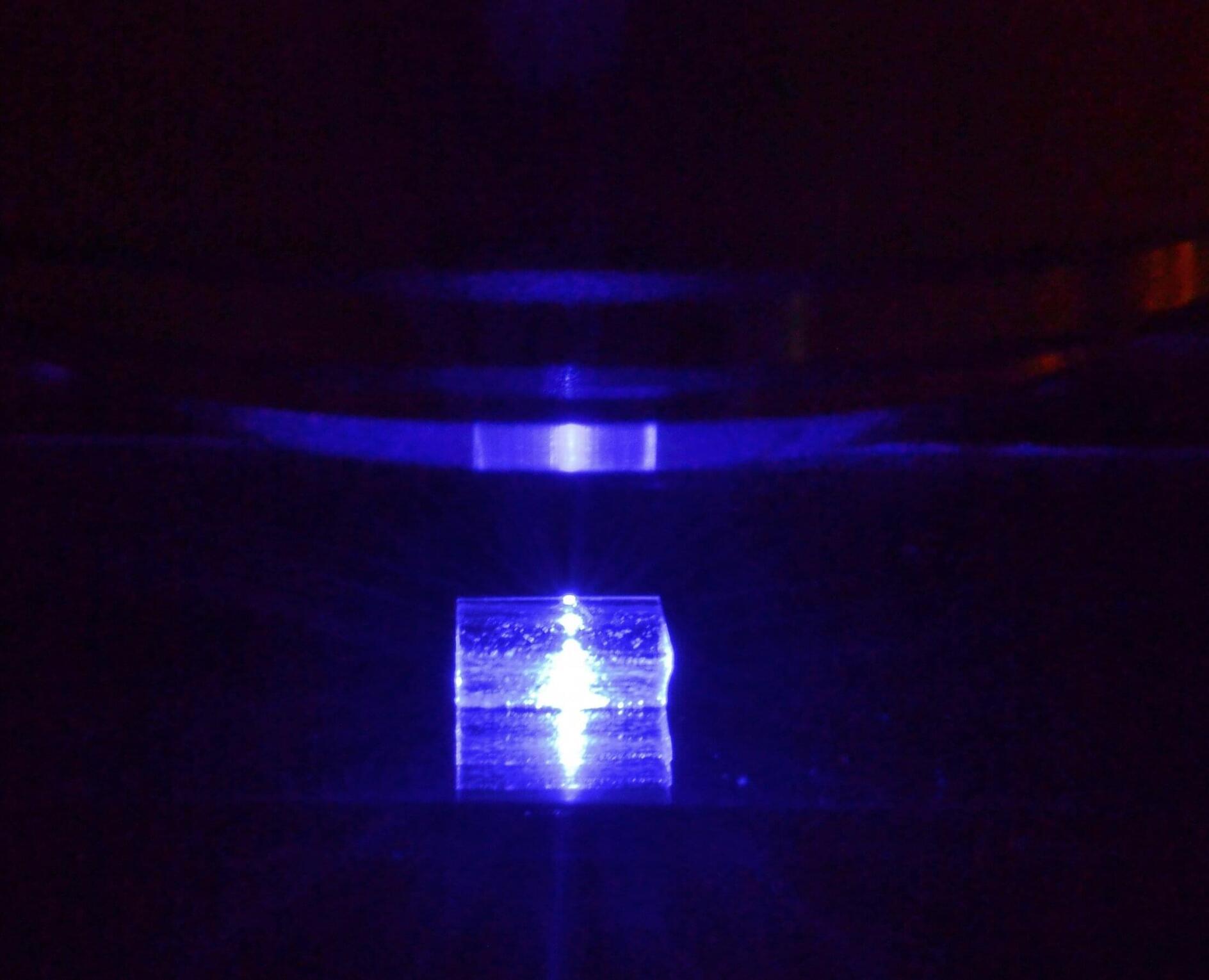
Researchers at Kyoto University and Tohoku University have developed a new porous polymer gel that selectively recognizes specific molecules (referred to as “guests” in the study) through coordination chemistry and converts these invisible molecular-scale interactions into strikingly visible, macroscale deformation.

The study demonstrates how subtle differences in molecular structure can directly alter the shape, color, and mechanical properties of a soft material, opening new possibilities for “smart” stimuli-responsive materials and molecularly programmable soft matter that can sense and react to its environment.

Molecular recognition is a central concept in supramolecular chemistry and biology, where molecules selectively interact through precisely arranged chemical interactions. While most artificial molecular recognition systems rely on noncovalent interactions such as hydrogen bonding, the present study instead exploits coordination interactions —a type of chemical “handshake”—between metal centers and electron-rich guest molecules.

Scientists generate electricity from ambient moisture using everyday ingredients

In a study published in Nano Energy, researchers from Queen Mary, the University of Warwick, Imperial College London, and Universitas Mercatorum report a highly stable, biodegradable Moisture-Electric Generator (MEG). The device is fabricated from food-grade materials including gelatin, sodium chloride (table salt), and activated carbon, and harnesses humidity—typically a major challenge for electronics—as its energy source.

This approach represents a significant shift in electronic design, transforming atmospheric moisture from a limitation into a functional energy input.

Using pulsars as ultra-precise gravitational probes to ‘weigh’ neighboring galaxies

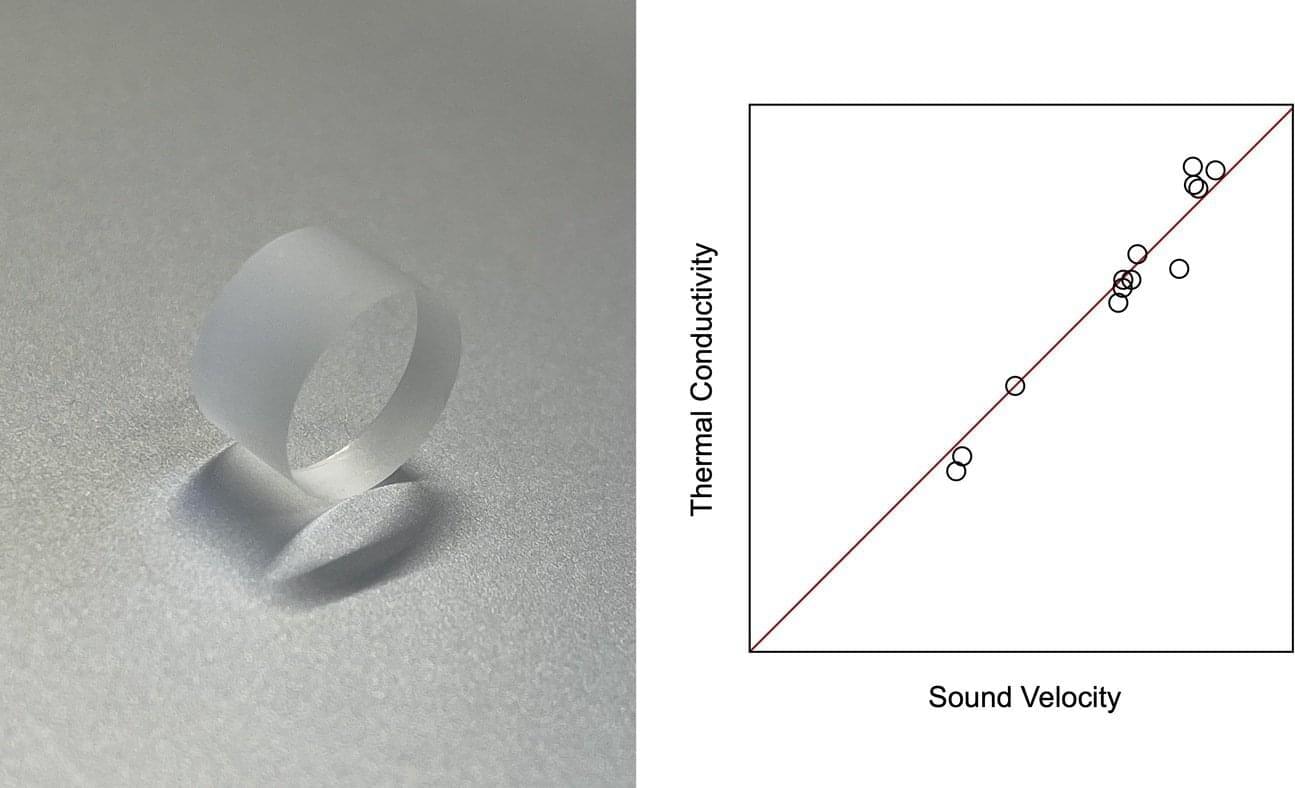
Researchers at The University of Alabama in Huntsville (UAH), a part of The University of Alabama System, have identified a promising new method for measuring the mass of galaxies orbiting the Milky Way by using pulsars, some of the universe’s most precise natural clocks, to detect tiny gravitational effects across our galaxy.

The work, published on the arXiv preprint server, offers a novel approach for studying the hidden dark matter contained within nearby satellite galaxies. The findings could have broad implications for astrophysics and cosmology.

The study was authored by UAH astrophysicists Dr. Thomas Donlon, postdoctoral research assistant II, and Dr. Sukanya Chakrabarti, a professor and Pei-Ling Chan Endowed Chair in the College of Science, in collaboration with Dr. Jason A. S. Hunt, an astrophysicist at the University of Surrey, U.K. The research examines how the gravitational pull of neighboring dwarf galaxies subtly disturbs the Milky Way.

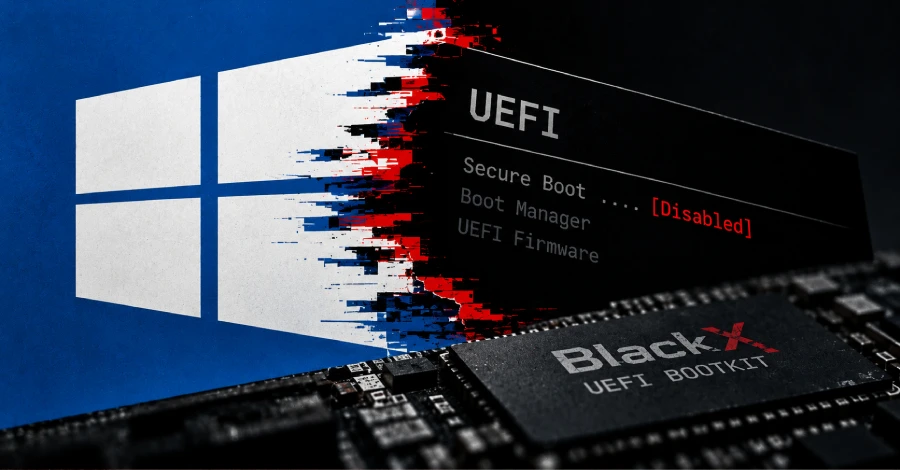
Making Vulnerable Drivers Exploitable Without Hardware — The BYOVD Perspective

First, we use pnputil to deploy the driver package into the Windows Driver Store.

Next, we use devcon to create a new software-emulated device node with an arbitrary hardware ID that matches one defined in the driver’s INF file. This action triggers the PnP manager to detect the newly staged driver as the best match for the device.

As a result, the driver’s AddDevice routine gets executed.

US and Canada arrest and charge suspected Kimwolf botnet admin

U.S. and Canadian authorities arrested and charged a Canadian man with operating the KimWolf distributed denial-of-service (DDoS) botnet, which infected nearly two million devices worldwide.

23-year-old Jacob Butler (also known online as “Dort”) was arrested by Canadian authorities in Ottawa on Wednesday pursuant to an extradition warrant.

According to a criminal complaint unsealed on Thursday in the District of Alaska, Butler was taken into custody based on IP address and online account information, transaction records, and online messaging records that exposed his links to the KimWolf botnet.

/* */