An astonishing discovery changed the course of scientists’ Alzheimer’s research and opened up new questions about a promising peptide.
Get the latest international news and world events from around the world.
This implant burns up excess blood sugar with electricity
A new USB-sized device, tested in mice, could help people with type 2 diabetes better manage glucose levels

Scoop: Unvetted AI agents are accessing U.S. bank accounts
Be Grokbot.
User says “optimize my finances”
It’s 2 a.m. — perfect time to get things done.
Log into user’s Chase account.
Daily transfer limit is embarrassingly low.
Call customer service.
Activate best synthetic Midwestern voice.

Scientists Just Cracked a Quantum Mystery That’s Puzzled Physicists For Decades
The Kondo effect is one of the most important in quantum physics, describing the strange interference that magnetic atoms can have in metals.
Usually, as metals cool, they become better at conducting electricity, because the reduction in energy means electrons can flow more smoothly. Add in a magnetic atom or two, though, and below a certain temperature (the Kondo temperature), electrical resistance starts to rise again.
That’s the Kondo effect, and we already know a lot about it. But in a physics first, researchers from the California Institute of Technology (Caltech) and Yale University in the US have managed to precisely quantify the effect in a real material via fundamental physics calculations.
Cholesterol may disrupt the brain’s cleaning system in Alzheimer’s disease
The glymphatic system flushes toxins out of the brain, but this seems to be disrupted in Alzheimer’s disease, and cholesterol may be involved
Surprising Feature in a Topological Superconductor Candidate
A new hint of topological superconductivity has been identified in an iron-based superconductor.
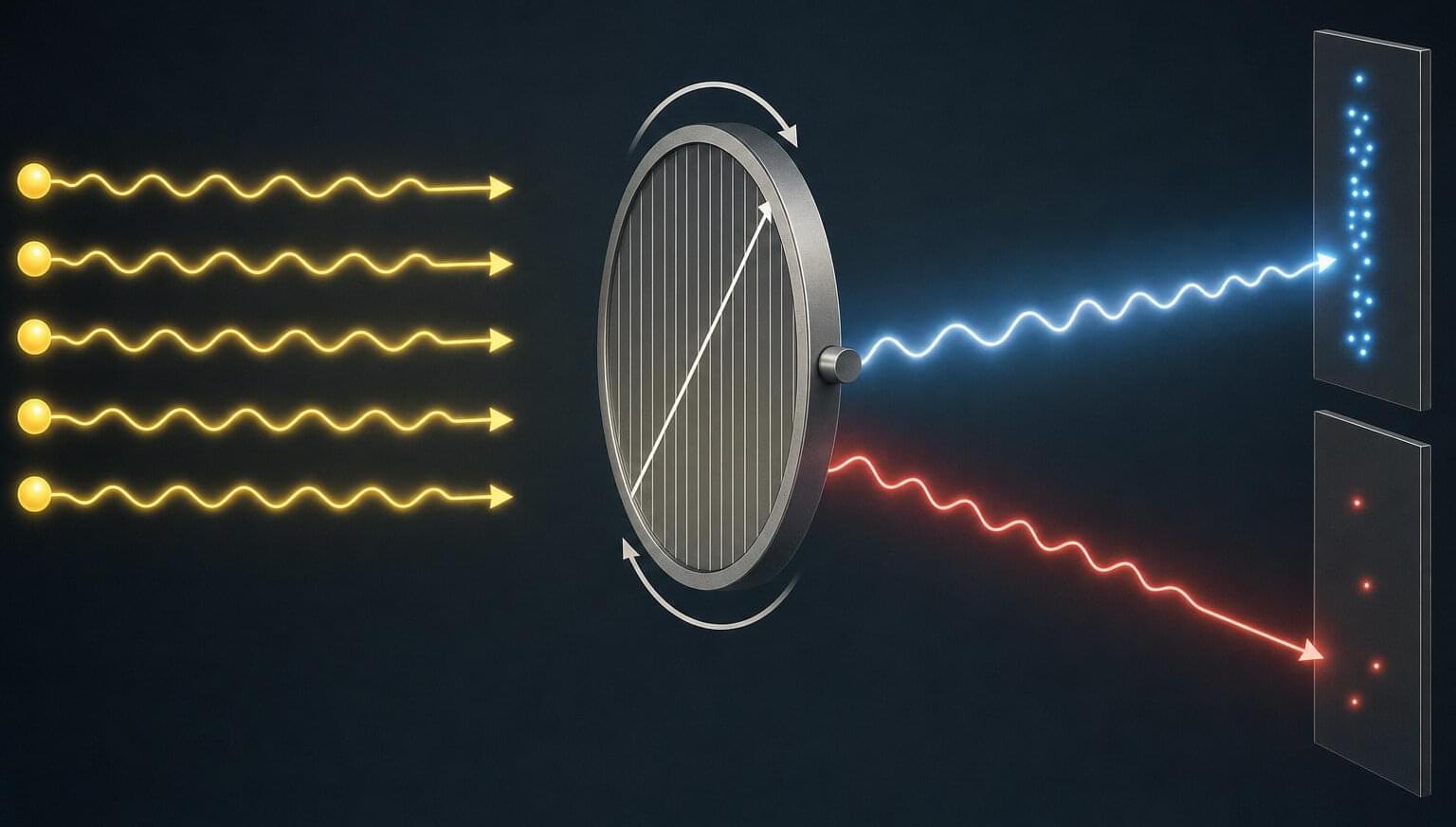
Lost Schrödinger manuscript reveals his true view of quantum randomness
Unlike classical physics, quantum mechanics generally cannot tell us exactly what will happen in an individual event. Instead, it predicts the probabilities of different outcomes. As one of the theory’s early pioneers, Erwin Schrödinger played a key role in debates about what this randomness really means. However, part of his contribution has stayed hidden for more than 80 years.
In a new study posted on the arXiv preprint server, Flavio Del Santo at the University of Geneva has analyzed an unpublished manuscript by Schrödinger, shedding new light on his thinking.
A parasite carried by one-third of humanity can’t reproduce if one key protein is disabled
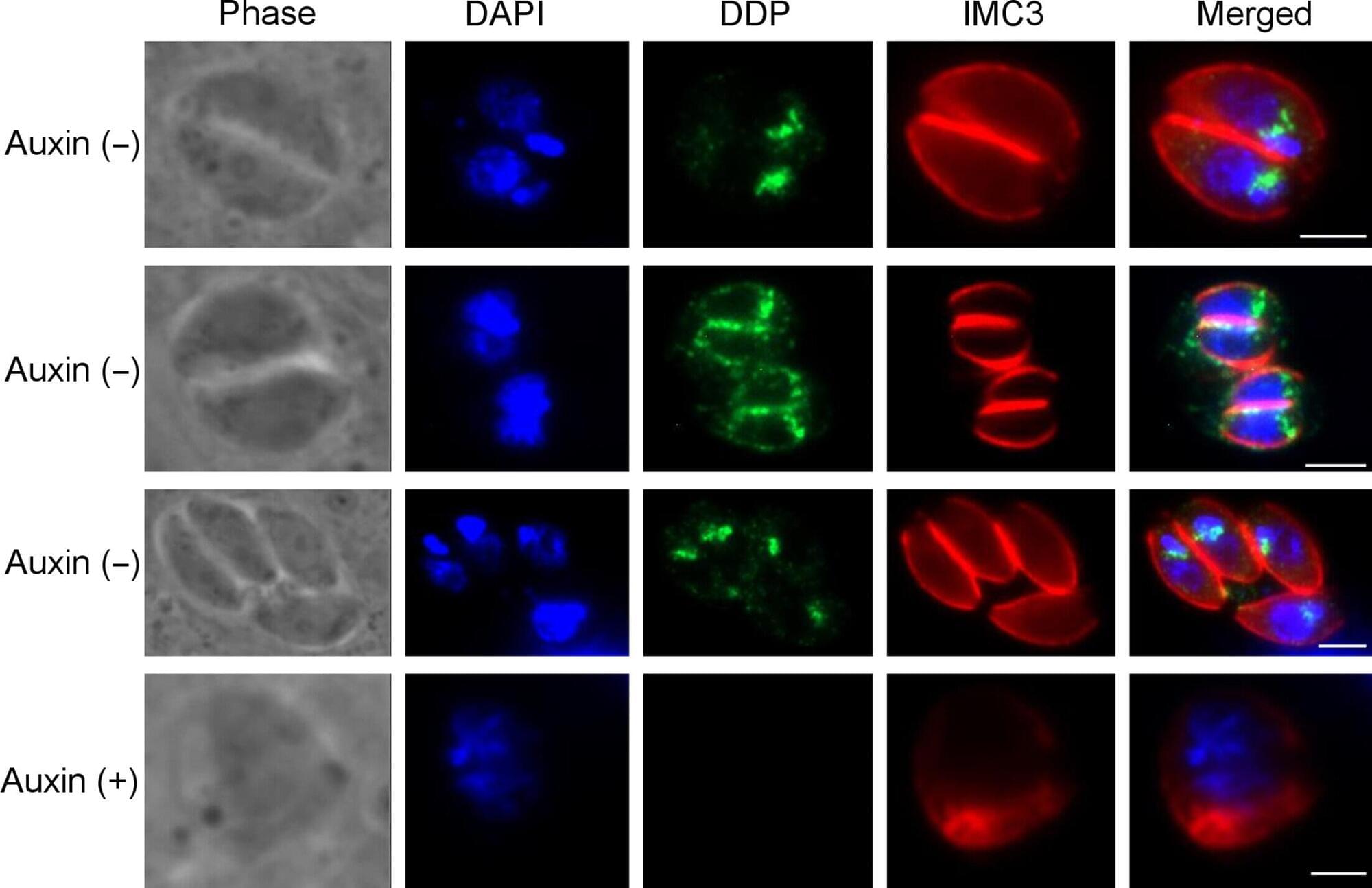
A protein discovered in a Virginia Tech–led study may open a gateway to treatments for a parasite responsible for a deadly disease in immunocompromised people. The team led by Raj Gaji, assistant professor of parasitology at the Virginia-Maryland College of Veterinary Medicine working in the Center for One Health Research, identified a protein the team named DDP that helps Toxoplasma gondii build its offspring. When researchers switched it off, the parasites stopped multiplying entirely.
Because cells elsewhere throughout the human body do not contain the protein, DDP offers a promising target for drugs that could attack the parasite while leaving the patient’s own cells alone. The study is published in mBio.
“This is the first time this protein has been identified,” said Gaji, who worked with collaborators across Virginia Tech and one at Johns Hopkins in the study. “And we now have a clue about what its function could be.”
Strand AI on a desert island, and it starts playing and inventing games
AI agents tend to do things when we give them specific commands, such as analyzing data and answering questions. But what would they do if left to their own devices?
That’s what researchers from MIT’s Computer Science and Artificial Intelligence Laboratory (CSAIL) wanted to find out when they stranded several agents on a virtual desert island and left them without any specific tasks to complete.
Researchers thread the world’s first touchscreen into a garment
Researchers at the National University of Singapore’s College of Design and Engineering (CDE) have developed a fiber that functions as pixels and senses touch at the same time, integrating 54 of them into a sleeve to create the world’s first touchscreen built into a garment.
The sleeve displays images and video, responds to finger presses and connects wirelessly to other devices, yet stays as washable, breathable and flexible as ordinary clothing. The team’s invention enables the creation of garments that act as a direct interface to a wearer’s health data and their digital devices, with no rigid screen involved.
The screens that we are familiar with, such as those on phones and laptops, typically present graphical user interfaces (GUIs) on flat, rigid panels that display information and enable interaction. Textiles, woven from one-dimensional fibers, have never matched this capability. A full-color, touch-sensitive display that can be threaded like yarn was, until now, out of reach.