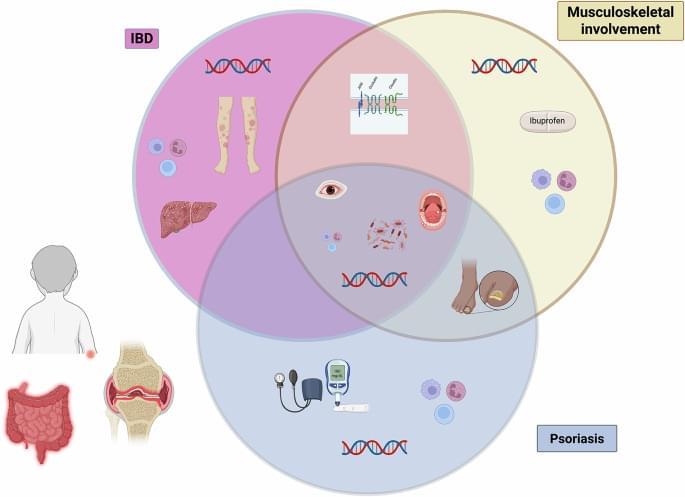
Alizadeh et al. review the shared links between inflammatory bowel disease and spondyloarthritis, with a focus on IBD-associated spondyloarthritis. There is a high degree of clinical overlap, and shared increases in gut permeability linked to altered microbiota and metabolites, suggesting those as common pathways driving disease.
Get the latest international news and world events from around the world.

Low-power neural chip reads brain signals to identify cognitive and emotional states
Deep brain stimulation (DBS) is a therapeutic technique that delivers electrical pulses to specific areas of the brain via an implant to modulate neural activity. It is already widely used for movement disorders such as Parkinson’s disease, and researchers are increasingly exploring its potential for severe psychiatric illnesses including major depression, posttraumatic stress disorder and obsessive-compulsive disorder.
However, most existing DBS systems operate in what engineers call an “open loop” manner: stimulation is delivered according to predefined settings rather than continuously adapting to the patient’s brain activity. Even among closed-loop, or adaptive, systems, many rely on signals recorded from a single brain region. This is a major limitation for psychiatric disorders, where clinically relevant information may be distributed across networks of interacting brain regions.
“Our work is based on the growing body of research suggesting that psychiatric disorders arise more from disruptions in communication between brain regions than from dysfunction of any single region,” explains Mahsa Shoaran, head of the Integrated Neurotechnologies Lab in EPFL’s School of Engineering and Neuro-X Institute.
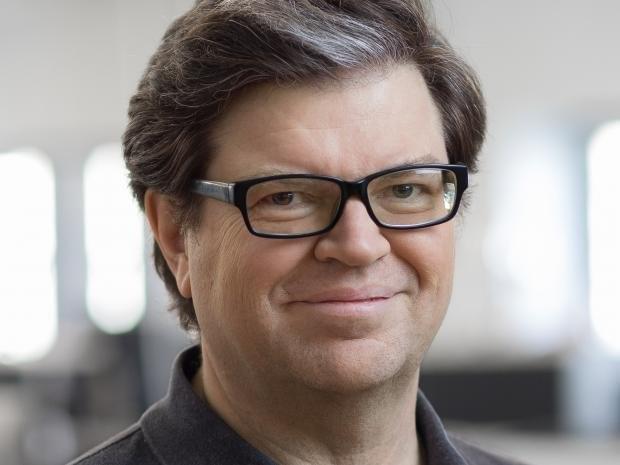
Yann LeCun, the David Hume of Our Time
Marc Rameaux, an AI specialist and regular contributor to The European Scientist, sees Yann LeCun as the David Hume of our time. Tracing the career of the pioneer of convolutional neural networks, from Bell Labs to Meta and on to Advanced Machine Intelligence Labs, he shows how LeCun’s empiricism led him to expose the limits of large language models and to champion “world models”. He also sees in it a way to teach ethics to machines, rather than relying on regulation alone.
The word “visionary” is overused, worn thin by stereotyped corporate communication. That is a pity, because when used properly it denotes something far deeper. And if any expert in today’s AI landscape deserves it, it is Yann LeCun. Being a visionary does not mean making predictions about the future, nor even making them successfully because one has good intuition. It means, above all, grasping the deeper meaning of an emerging innovation and projecting its future course, because one has understood what is radically new about it, but also when and where it reaches its limits. Great scientific discoveries are said to bring about a paradigm shift. Being a visionary means seeing the new paradigm when most people see only one more innovation.
For nearly forty years, LeCun has anticipated – often against prevailing opinion – the successive turning points of artificial intelligence: the return of neural networks when no one believed in them any more, the power of convolutional architectures, the decisive role of deep learning, the strategic advantage of open source, and more recently the structural limits of large language models. LeCun is not one of those techno-prophets who pass off their bets as vision. He has shown by example the power of empiricist observation: looking at what machines actually see, how they learn, what still sets them apart from human learning. His approach revisits the philosophical categories through which we discover the world and learn from it.
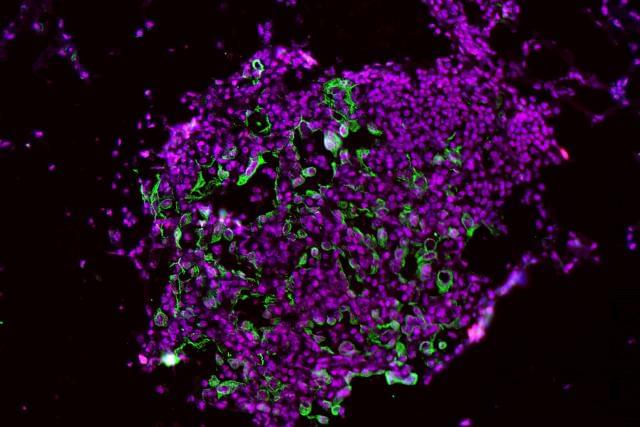
Drug that targets an inflammatory enzyme could help prevent lung cancer
A new study by MIT researchers, including at a lab affiliated with IMES, shows that inhibiting caspase-1 can reduce the risk of tumor growth.
Anne Trafton | MIT News
Every year, lung cancer kills more than 100,000 people in the United States. Smoking is the leading risk factor for lung cancer, but other environmental exposures can also contribute to the disease.
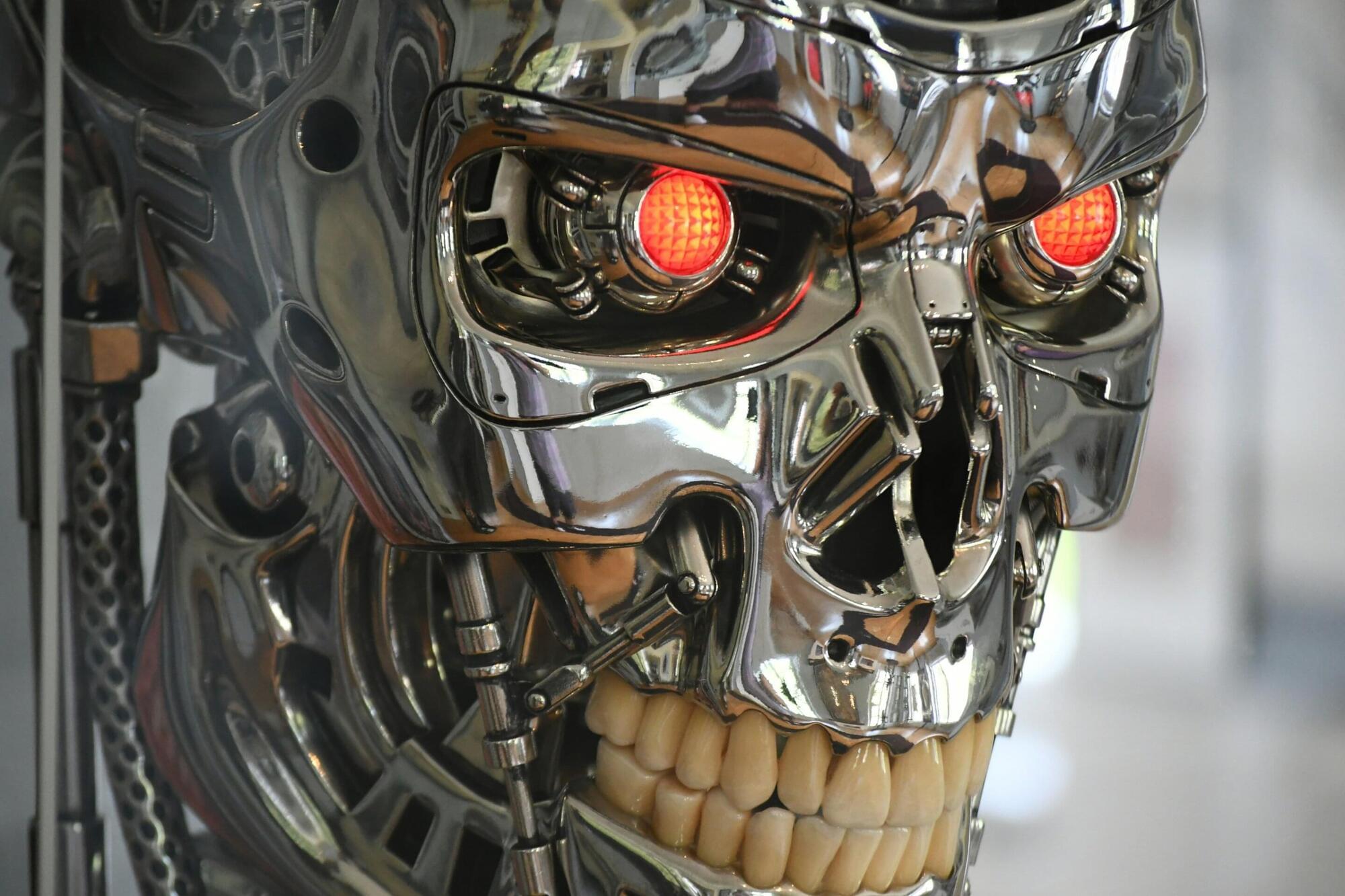
How bionic eyes are becoming a reality
If you’ve delved into the worlds of “Star Trek,” “The Terminator” or William Gibson’s cyberpunk novel “Neuromancer,” you’ll know that enhanced electronic vision is a staple of science fiction. Now, what was once futuristic fiction is becoming a reality.
Researchers have developed bionic eyes that can restore some lost vision. These devices’ capabilities are currently basic, but they have been steadily improving in recent years.
One day, they might even offer features that transcend the limits of natural human eyesight—for instance, by manipulating images in a way the human eye cannot or by seeing beyond the spectrum of visible light.

Low-dose aspirin linked to 70% lower dementia risk, but there’s a catch
A new analysis from Monash University suggests that low-dose aspirin may be linked to a dramatically lower risk of dementia in older adults with certain genetic characteristics. Researchers found that people with a specific genetic profile who took aspirin had a 70 percent lower relative risk of developing dementia, raising the possibility that genetic testing could eventually help identify people who might benefit from preventive treatments.
The findings, published in Alzheimer’s & Dementia: The Journal of the Alzheimer’s Association, were based on genetic data from more than 13,500 participants in the landmark ASPREE Trial (Aspirin in Reducing Events in the Elderly). Scientists examined whether differences in participants’ genes could help explain why aspirin might affect dementia risk differently from one person to another.
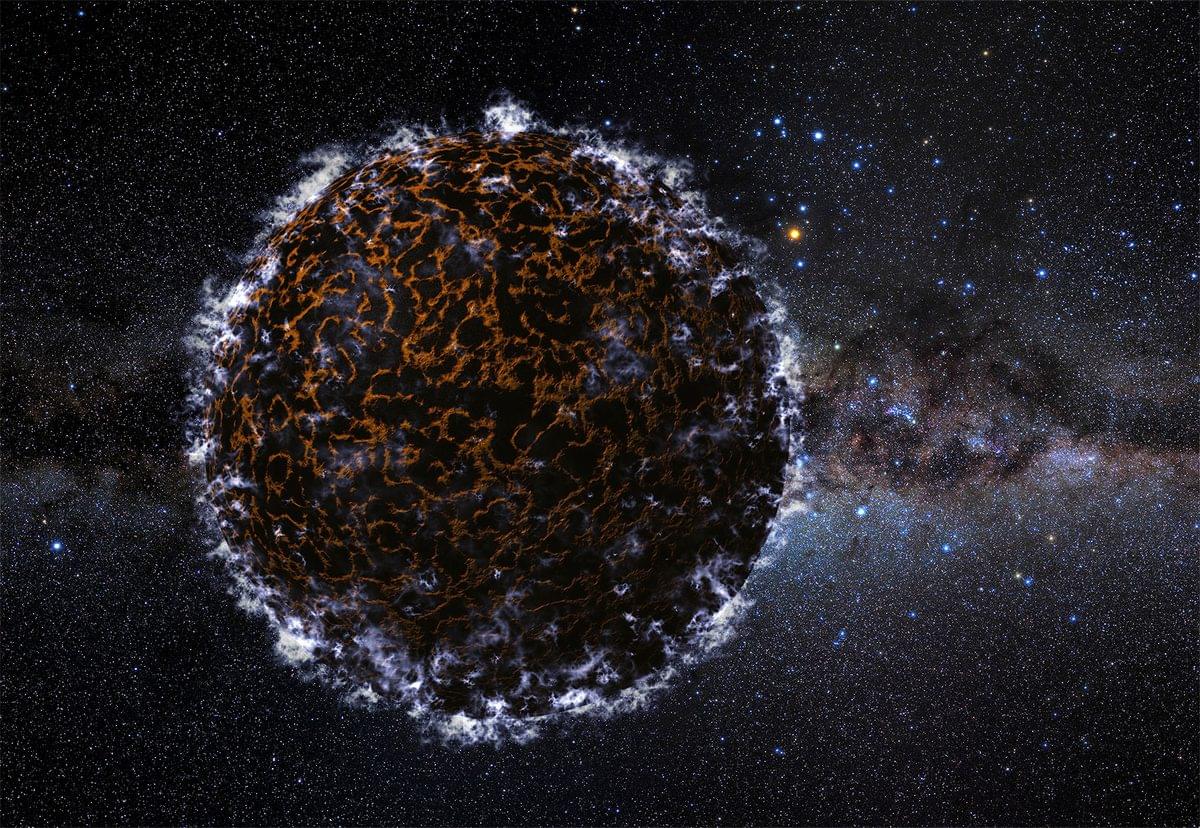
Dark stars — the weird, invisible monsters of the early Universe that could still exist today
They may be bigger than the orbit of the planet Saturn, they’re about as massive as the Sun, they’re invisible, and they’re powered by annihilating dark matter.
Meet the dark stars – the first settlers of the newborn Universe. Some of them might even still be around today.
It’s a weird idea: giant, extremely tenuous stars that don’t give off any visible light.
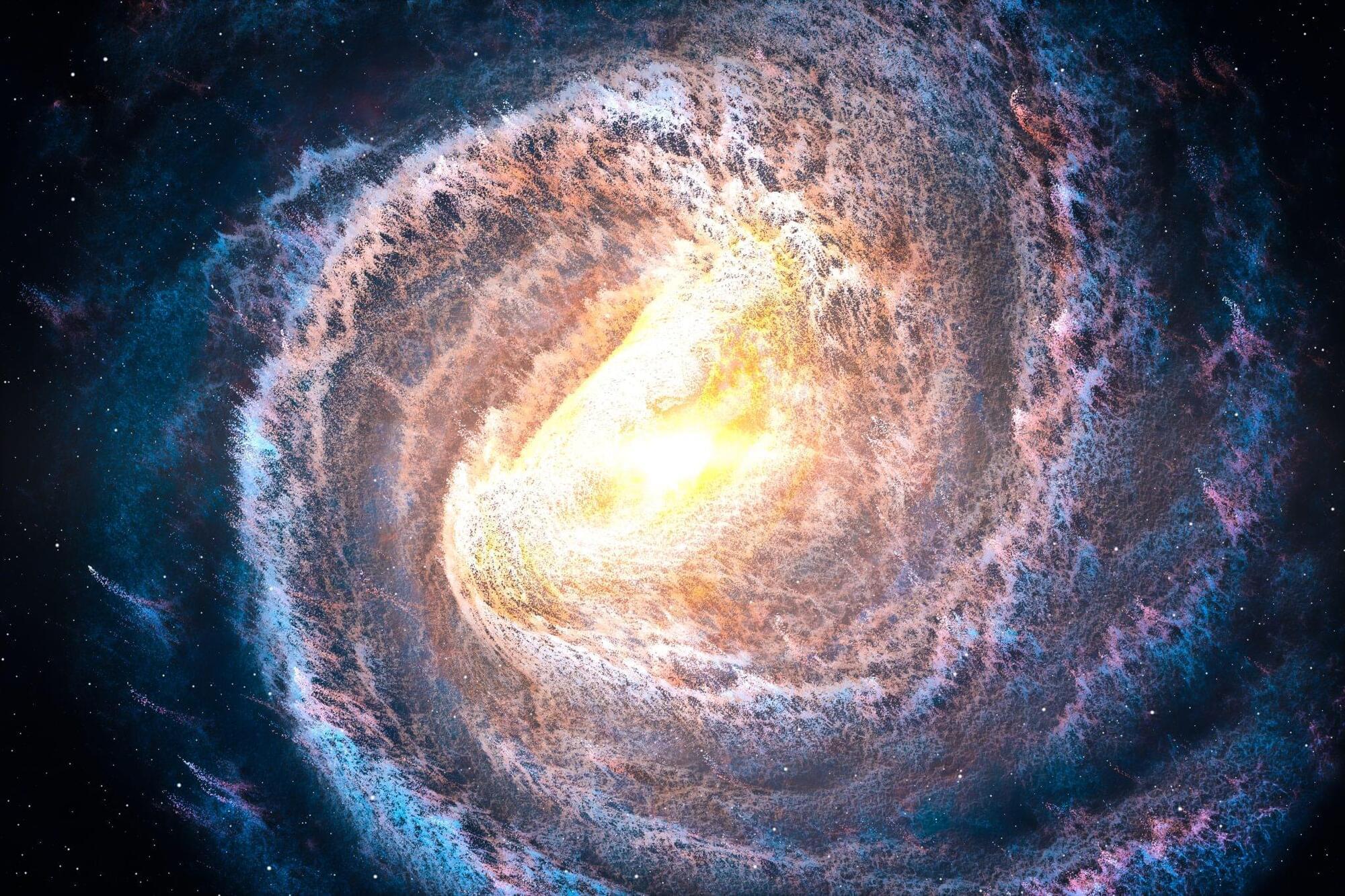
Scientists Explain: If the Universe Is Expanding, What Exactly Is It Expanding Into?
Scientists believe that the universe is expanding, but this statement has created confusion among the public. Because if the universe is really expanding, then what exactly is it expanding into? If the space encompasses all that exists, and the definition of the universe is everything, how does its expansion even work?
The simple answer is that the universe is not expanding into something external. Instead, it’s expanding within itself, and it could only be understood through the fabric of space and time rules. That really does not explain much, right? So hold on for the ride because this explanation is going to be fun.
YOU MAY LIKE
A Pill That Could Help You Live to 150? Here’s What the Science Actually Says
A grape-seed compound called PCC1 sparked claims of a longevity pill that could extend human lifespan to 150.

Nine Patients Received a Personalized Kidney Cancer Vaccine. None Had a Recurrence
How do you teach the immune system to recognize a cancer cell?
Researchers are taking clues from the tumor itself, selecting unusual protein fragments and putting them into a vaccine. The aim is to help the body recognize that particular patient’s cancer.
In a small kidney cancer trial, this approach produced encouraging results. Nine people received an experimental vaccine tailored to their own tumors.