Toggle light / dark theme

Get the latest international news and world events from around the world.

Log in for authorized contributors

Early adult drinking linked to middle-age cognitive decline—even after extended abstinence

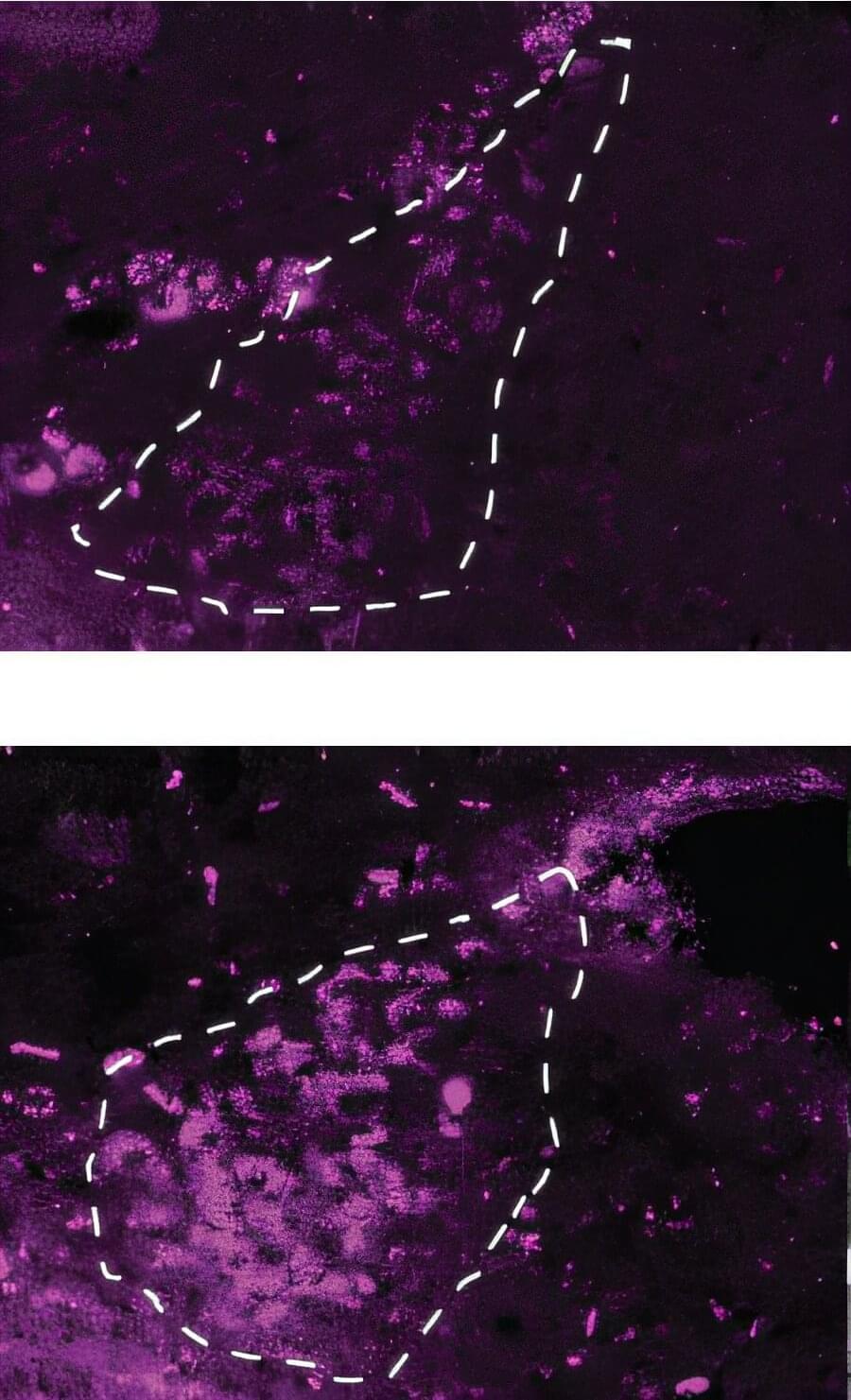
It’s well known that alcohol consumption is an age-old method for coping with stress. But recent research led by the University of Massachusetts Amherst has found that when such self-medication begins in early adulthood, negative cognitive effects start to show up in middle age—even after long periods of total abstinence. The study is published in the journal Alcohol, Clinical and Experimental Research.

These negative effects include a decreased ability to cope with changing situations, an increased likelihood to drink when stressed, and the kinds of cognitive decline associated with dementia and Alzheimer’s disease. The new research helps us understand how alcohol rewires the brain’s circuitry and can help suggest new approaches for helping people adapt to the long-term effects of alcohol use.

Researchers have long known that stress and alcohol have a mutually reinforcing relationship: Alcohol can help take the edge off stressful situations, but in so doing it can decrease the brain’s ability to manage stress on its own, meaning one has to keep drinking, and drinking more, in order to relieve stress from a bad day. At the same time, the more one drinks, the more stress can accrue from increasingly poor decision-making. It can be a vicious cycle that gets harder to break the more the brain’s circuitry changes. But what about the long-term effects of stress and alcohol?

ZZU team synthesizes bulk hexagonal diamond

Findings of ZZU team are published online in the journal Nature. [Photo/zzu.edu.cn]

A research team from Zhengzhou University (ZZU) has successfully synthesized bulk pure-phase hexagonal diamond and precisely resolved its crystal structure, revealing a novel phase transition mechanism. The findings were published online in the journal Nature on March 5, 2026, under the title “Bulk hexagonal diamond”

Diamond, renowned for its exceptional hardness, thermal conductivity, and wide bandgap, typically adopts a cubic structure. However, the existence of a hexagonal polymorph was first predicted theoretically in 1962 and later discovered in meteorites in 1967. Yet natural samples exist only as nanoscale grains embedded in meteorites, making isolation and property measurement extremely challenging. Moreover, the high formation energy barrier of hexagonal diamond under laboratory conditions has long hindered its synthesis, fueling debate over whether it can exist as a stable bulk material.

Researchers Upload Fly’s Brain to Matrix, Let It Control Virtual Body

Artificial intelligence seeks to emulate the faculties of the human mind through computational systems, a synthetic recreation of our brains’ capabilities to perceive, learn, and reason.

Now, a company claims to have taken a totally different tack by simulating the 125,000 neurons and 50 million synaptic connections of an adult fruit fly’s brain — and then letting it roam inside a Matrix-like virtual environment.

In a video shared by Eon Systems cofounder Alex Weissner-Gross, the crudely animated insect can be seen stretching its legs inside a simulated sandbox, rubbing its front feet together and using its labellum to drink from a small bowl.

/* */