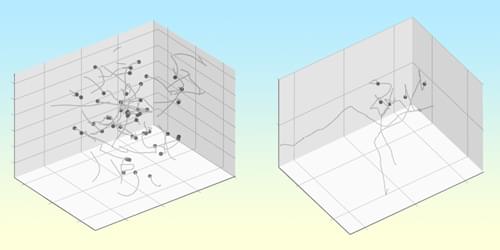
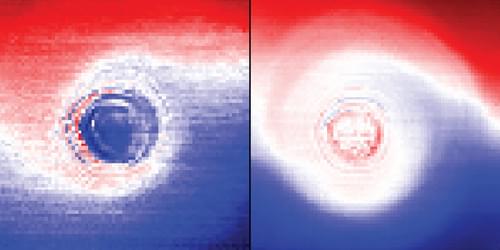
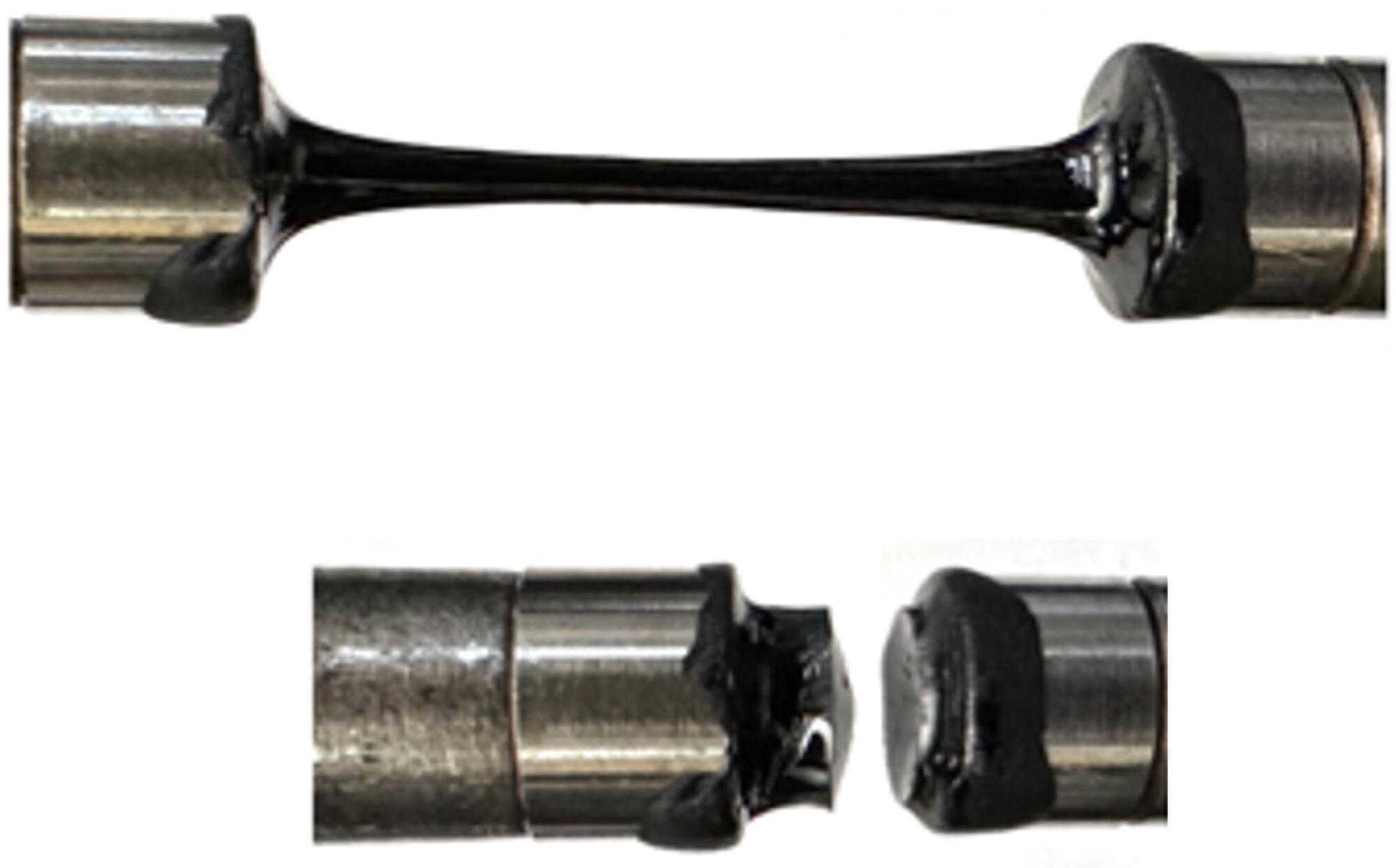
Researchers discovered that liquids can suddenly snap like solids when stretched hard enough. This unexpected behavior challenges basic physics and could lead to new technological applications.
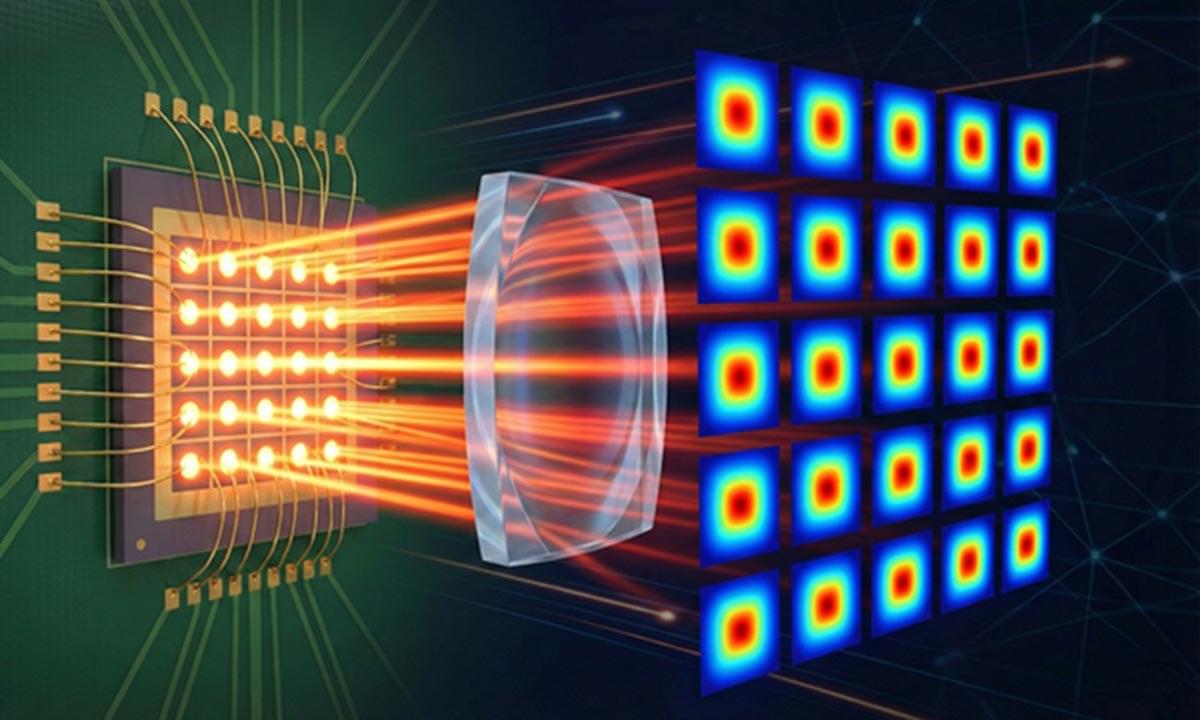
A new laser-powered wireless system uses light to deliver data at speeds exceeding 360 Gbps. It could enable faster, more efficient indoor networks while reducing interference and energy use.
Modern life runs on fast, reliable wireless connections. Video calls, streaming, virtual reality, and connected devices all depend on networks that already support billions of users. Most of this data travels over radio-based systems like Wi-Fi and cellular networks. These technologies have powered decades of growth, but they are running into limits. Radio spectrum is becoming crowded, signals can interfere with each other in busy indoor spaces, and energy use keeps rising as more devices come online.
Using light instead of radio waves.

Acoustic waves can be guided through a narrow “tunnel” that lacks walls and thus presents no obstruction to sound traveling across its path.
Researchers have devised a “ghost tunnel”—a nearly perfect waveguide for sound that allows other sound waves to pass across its path undisturbed [1]. The tunnel is essentially invisible to external waves. The researchers expect the 2D acoustic structure to find use in situations such as complex sonar devices, where multiple signal channels must cross without interacting.
The hard walls of metal pipes and other ordinary waveguides keep sound trapped inside, but they also present obstructions that scatter external sound waves. This scattering can be a major problem in environments such as integrated acoustic circuits or sonar applications, where sound waves are propagating in multiple directions outside of waveguides. These nonguided waves can potentially suffer from signal-clarity degradation.