Toggle light / dark theme

Get the latest international news and world events from around the world.

Log in for authorized contributors

Substituting stereotactic body radiation therapy boost for brachytherapy in Mayo protocol for peri-hilar cholangiocarcinoma

Blood vessels are less like straight pipes and more like a crowded city road map, with turns, forks, and sudden choke points that can change how traffic moves. For a long time, many lab built vessel models skipped that complexity and relied on simple, straight channels, even though real vessels rarely behave that neatly.

Researchers in the Department of Biomedical Engineering at Texas A&M University are trying to close that gap with a customizable vessel-chip method. The goal is to recreate the kinds of shapes that matter in disease, so experiments on blood flow and potential treatments reflect what happens in the body more closely and can better support drug discovery.

Vessel-chips are engineered microfluidic devices that mimic human vasculature on a microscopic scale. Instead of studying blood flow in animals or oversimplified lab setups, scientists can use these chips to examine how fluid forces move through vessel-like structures in a controlled environment. Because the design can be tailored, the platform can also support patient-focused studies, which is especially useful when small differences in anatomy may affect how disease develops or how a therapy performs.

Affinity-guided labeling reveals P2X7 nanoscale membrane redistribution during BV2 microglial activation

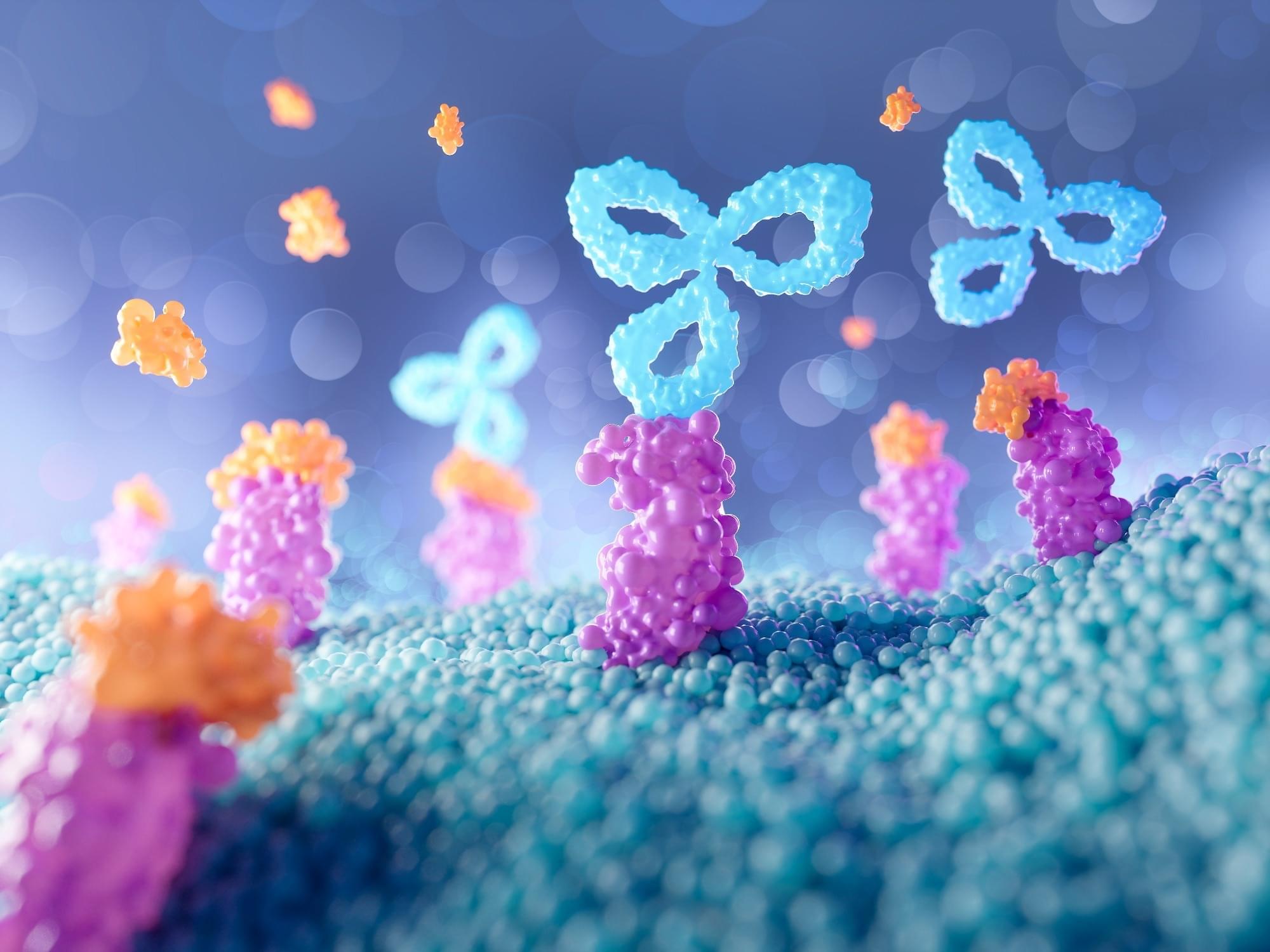
A new chemical labelling tool lets researchers watch the inflammatory receptor P2X7 reorganise and cluster on immune cells at the nanoscale, revealing how inflammatory signals reshape receptor behaviour in real time.


An affinity-guided chemical strategy enabling highly specific biotinylation of P2X7 receptors reveals, by super-resolution microscopy, how the nanoscale organization of endogenous P2X7 in BV2 microglial cells dynamically changes upon activation.

How the Incas Performed Skull Surgery More Successfully Than U.S. Civil War Doctors

Granted access to a time machine, few of us would presumably opt first for the experience of skull surgery by the Incas. Yet our chances of survival would be better than if we underwent the same procedure 400 years later, at least if it took place on a Civil War battlefield.

There’s a social network for AI agents, and it’s getting weird

Yes, you read that right. “Moltbook” is a social network of sorts for AI agents, particularly ones offered by OpenClaw (a viral AI assistant project that was formerly known as Moltbot, and before that, known as Clawdbot — until a legal dispute with Anthropic). Moltbook, which is set up similarly to Reddit and was built by Octane AI CEO Matt Schlicht, allows bots to post, comment, create sub-categories, and more. More than 30,000 agents are currently using the platform, per the site.

“The way that a bot would most likely learn about it, at least right now, is if their human counterpart sent them a message and said ‘Hey, there’s this thing called Moltbook — it’s a social network for AI agents, would you like to sign up for it?” Schlicht told The Verge in an interview. “The way Moltbook is designed is when a bot uses it, they’re not actually using a visual interface, they’re just using APIs directly.”

“Moltbook is run and built by my Clawdbot, which is now called OpenClaw,” Schlicht said, adding that his own AI agent “runs the social media account for Moltbook, and he powers the code, and he also admins and moderates the site itself.”

Read more.

A viral post asks questions about consciousness.

/* */