A Connecticut-based data center developer appears to be considering a 320-acre data center development in Caldwell County.

Even before entering production, Tesla’s Cybercab is already transforming the appearance of Austin’s streets, with multiple prototypes spotted testing in downtown areas recently.
Videos and photos showed the sleek, two-seat autonomous vehicles navigating traffic. Interestingly enough, the vehicles were equipped with temporary steering wheels and human safety drivers.
Over the weekend, enthusiasts captured footage of two Cybercabs driving together in central Austin, their futuristic silhouettes standing out amid regular traffic. While the vehicles featured temporary steering wheels and side mirrors for now, they retained their futuristic, production-intent exterior design.
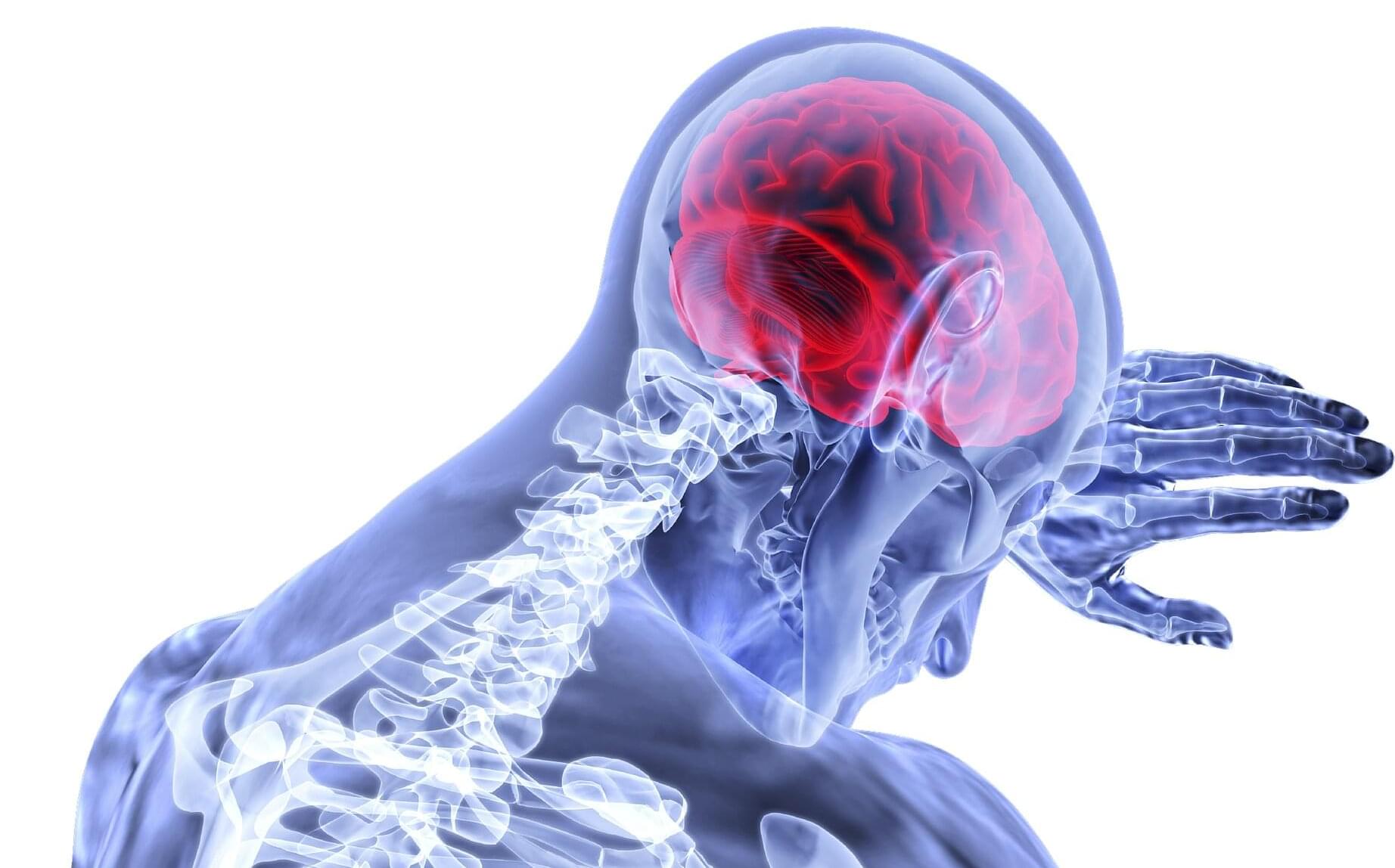
Researchers at Touro University Nevada have discovered that tiny particles in the blood, called extracellular vesicles (EVs), are a major player in how a group of hormones are shuttled through the body. Physical exercise can stimulate this process.
The findings, published in the journal Proceedings of the National Academy of Sciences, open the door to deeper understanding of hormone circulation and access to the brain, how exercise may trigger changes in energy balance, mental health, and immune function, and circulation of certain drugs.
Blood and other body fluids are teeming with EVs—tiny particles that exist outside of cells. EVs transmit signals from cell-to-cell within tissues and a long distance across organ systems by delivering biological cargo such as proteins, lipids, and nucleic acids into cells. They also remove cell waste.

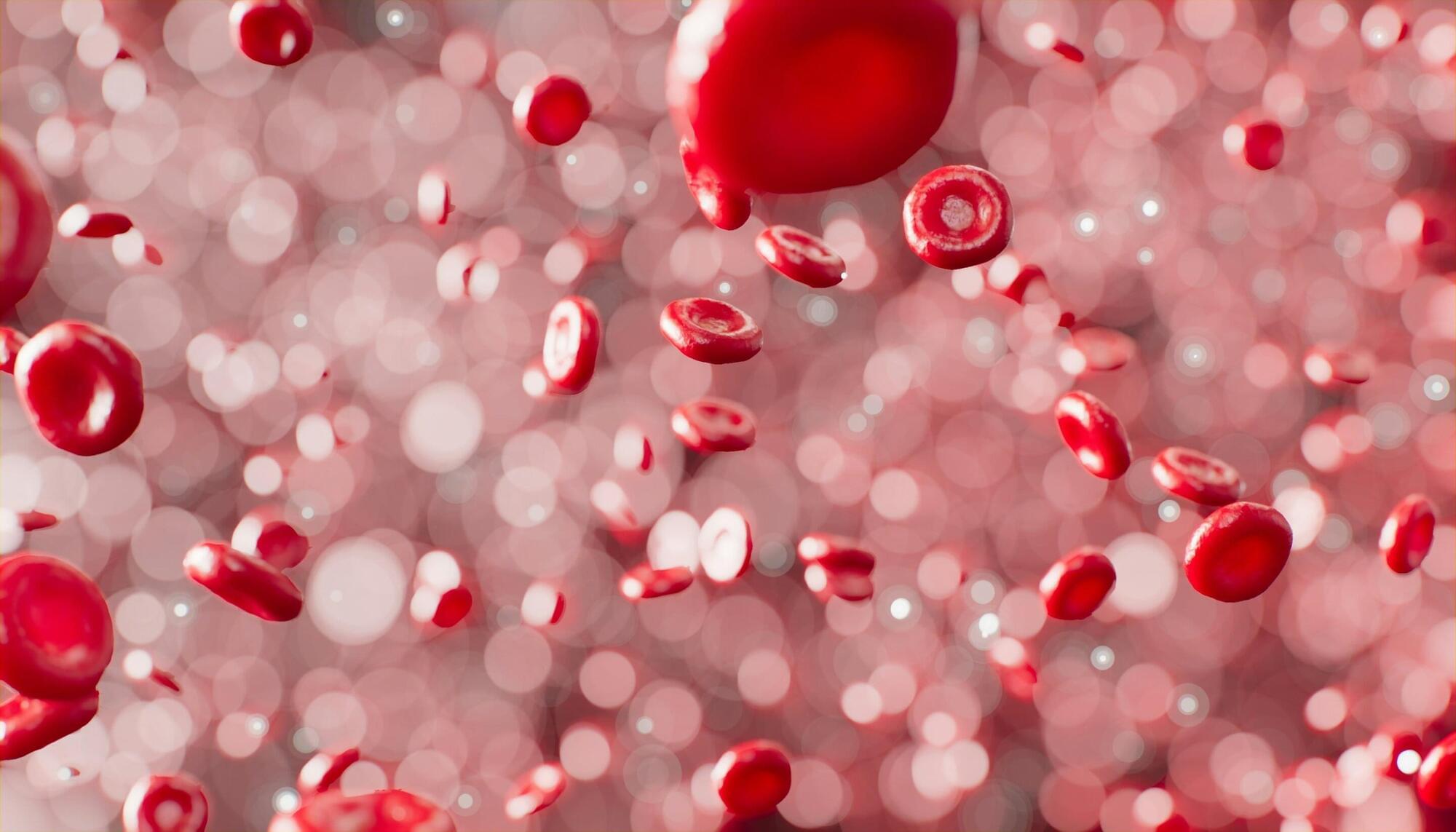
The leading cause of death due to injuries in war is excessive bleeding. A KAIST research team, in which an Army Major participated, has tackled this issue head-on. By developing a next-generation powder-type hemostatic agent that stops bleeding just by spraying it, they have presented an innovative technology that will change the paradigm of combatant survivability.
A joint research team led by Professor Steve Park from the Department of Materials Science and Engineering and Professor Sangyong Jon from the Department of Biological Sciences has developed a powder-type hemostatic agent that forms a powerful hydrogel barrier within approximately one second when sprayed on a wound.
The research was published in Advanced Functional Materials.

An intertwined history: the earth observer and EOS