Toggle light / dark theme

Get the latest international news and world events from around the world.

Log in for authorized contributors

Scientists crack a 20-year nuclear mystery behind the creation of gold

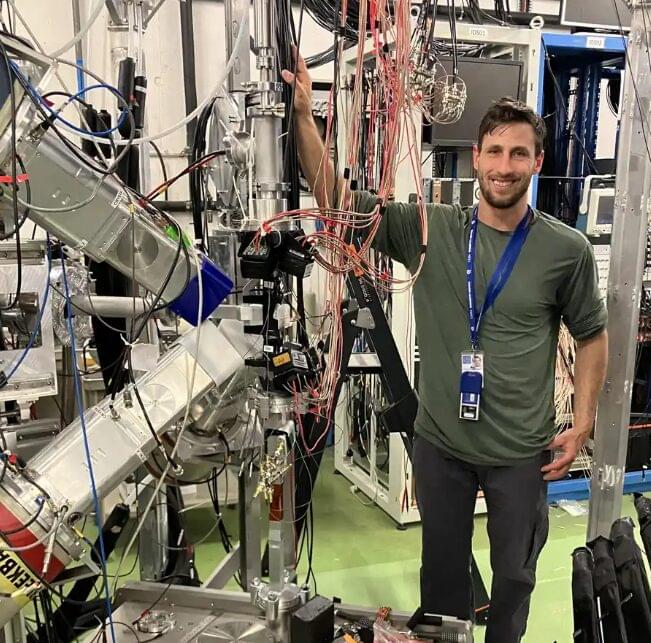
Gold cannot form until certain unstable atomic nuclei break apart. Exactly how those nuclear transformations unfold has long been difficult to determine. Now, nuclear physicists at the University of Tennessee (UT) report three discoveries in a single study that clarify important parts of this process. Their findings could help researchers build improved models of the stellar events that create heavy elements and better predict the behavior of exotic atomic nuclei.

Heavy elements such as gold and platinum are forged under extraordinary conditions, including when stars collapse, explode, or collide. These events trigger the rapid neutron capture process (or r-process for short). During this process, an atomic nucleus absorbs neutrons in rapid succession. As the nucleus grows heavier and more unstable, it eventually breaks down into lighter and more stable forms.

Along this pathway across the nuclide chart, a common sequence involves beta decay of the parent nucleus followed by the release of two neutrons. The atomic nuclei involved in these reactions are extremely rare and unstable, making them difficult or even impossible to study directly in experiments. Because of this, scientists rely heavily on theoretical models, which must be tested and refined using laboratory data.

Ending the Sun’s Monopoly: The Future of Stellarator Fusion — Brian Berzin, CEO, Thea Energy

“with Brian Berzin — Co-Founder & CEO of Thea Energy.


What if we could build a fusion reactor that runs continuously—without the instability issues that have plagued the field for years?

Brian Berzin is the Co-Founder and CEO of Thea Energy (https://thea.energy/), a next-generation fusion company focused on advancing stellarator technology—one of the most promising but historically underexplored approaches to magnetic confinement fusion.

Brian brings a unique combination of deep technical and financial expertise, with a background spanning electrical engineering, venture capital, private equity, and investment banking.

Prior to founding Thea Energy, Brian served as Vice President of Strategy at General Fusion, where he helped shape commercialization strategy and led engagement with global capital markets during a pivotal period for privately funded fusion.

Building the Future of Regenerative Medicine

Imagine treating back pain not with surgery, not with opioids—but by using your own stem cells to repair the damage at its source.

Lance Alstodt is President, CEO, and Chairman of BioRestorative Therapies, Inc. (https://biorestorative.com/), a publicly traded regenerative medicine company focused on developing stem cell-based therapies to treat highly prevalent conditions, including chronic lower back pain and metabolic disorders.

With more than 25 years of experience across healthcare investment banking, medical technology, and company building, Lance brings a unique perspective at the intersection of science and capital markets. Prior to joining BioRestorative, he was the founder and CEO of MedVest Consulting, advising healthcare companies on growth strategy, M&A, and capital formation.

Earlier in his career, Lance held senior leadership roles at firms including Leerink Partners, Oppenheimer & Co., Bank of America Merrill Lynch, and JPMorgan Chase & Co., where he specialized in healthcare and medical technology transactions.

At BioRestorative, Lance is leading the development of innovative cell therapies such as BRTX-100, an autologous mesenchymal stem cell therapy currently in Phase 2 trials for chronic lumbar disc disease, aiming to offer a non-opioid, non-surgical solution to one of the most widespread causes of disability worldwide.

#StemCells #RegenerativeMedicine #BackPainRelief #Biotech #HealthcareInnovation #MedicalBreakthrough #ChronicPain #BioTech #FutureOfMedicine #StemCellTherapy #DegenerativeDiscDisease #PainManagement #HealthTech #BiotechStocks #Longevity #MedicalInnovation #CellTherapy #NonSurgicalTreatment #OpioidCrisis #SciencePodcast #HealthcareRevolution

GLP-1 Receptor Agonists

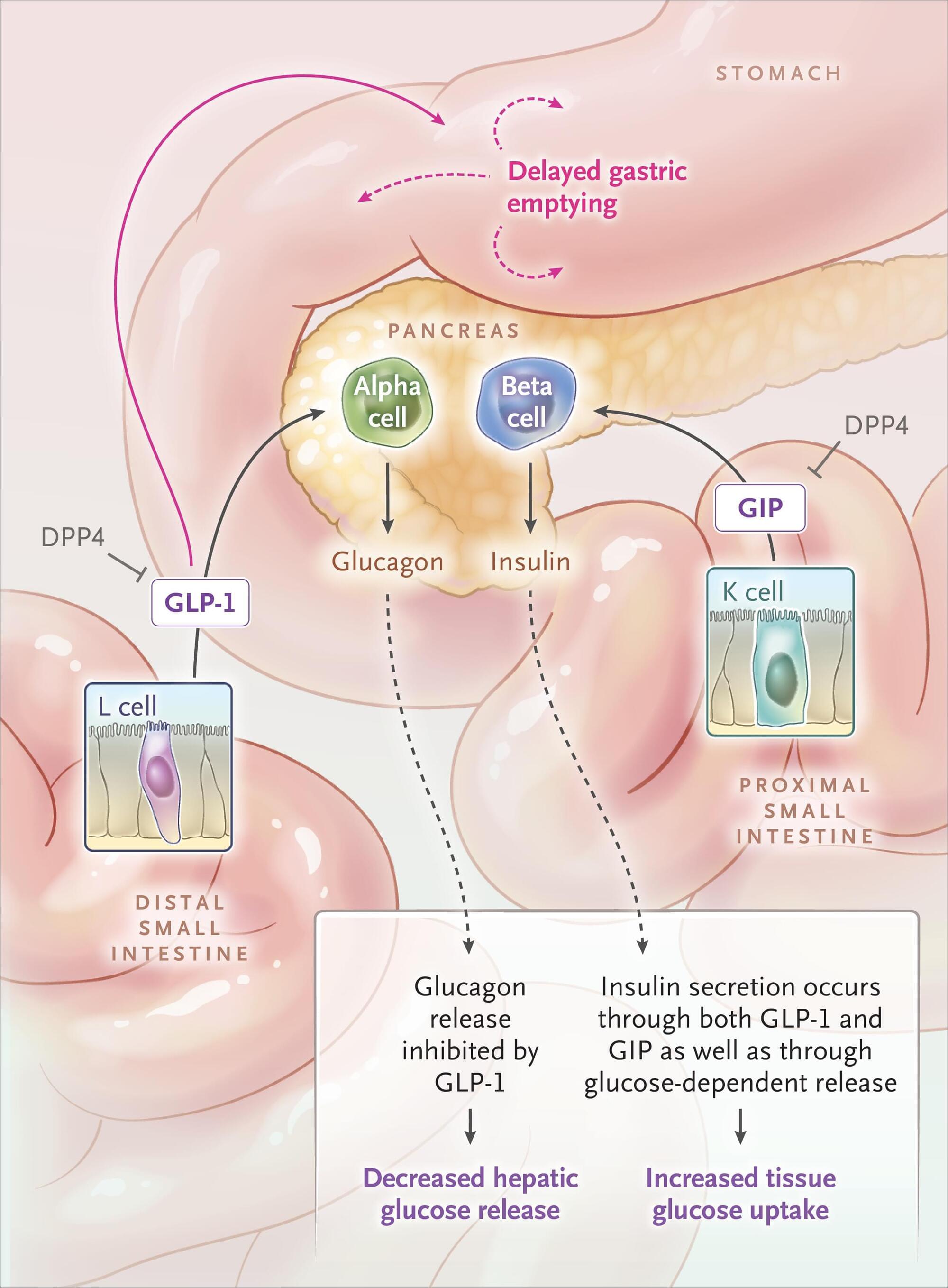
Glucagon-like peptide-1 (GLP-1) receptor agonists are incretin analogues that promote glucose-mediated insulin release and are used to treat type 2 diabetes mellitus and obesity. GLP-1 receptor agonists and GLP-1 and glucose-dependent insulinotropic peptide agonists have several mechanisms of action, including reduction of gastric emptying, inhibition of glucagon secretion, beneficial changes in the intestinal microbiome, and direct effects on hypothalamic nuclei to enhance satiety (which promotes weight loss). Beyond the impressive effects of GLP-1 receptor agonists on blood glucose levels and body weight, large-scale randomized, controlled trials have shown that GLP-1 receptor agonists reduce cardiovascular risk and slow progression to renal failure in persons at high risk and those with type 2 diabetes.

‘What’s your salary? I told him, and he said no problem, we’ll double. And those days are gone:’ Listening to game dev legends reminiscing in 1989 about the ‘golden days of computer games’ already being over is a trip

This would be like us saying ‘Remember the good old days of, uh, 2016?’

World’s largest quantum circuit simulation for quantum chemistry achieved on 1,024 GPUs

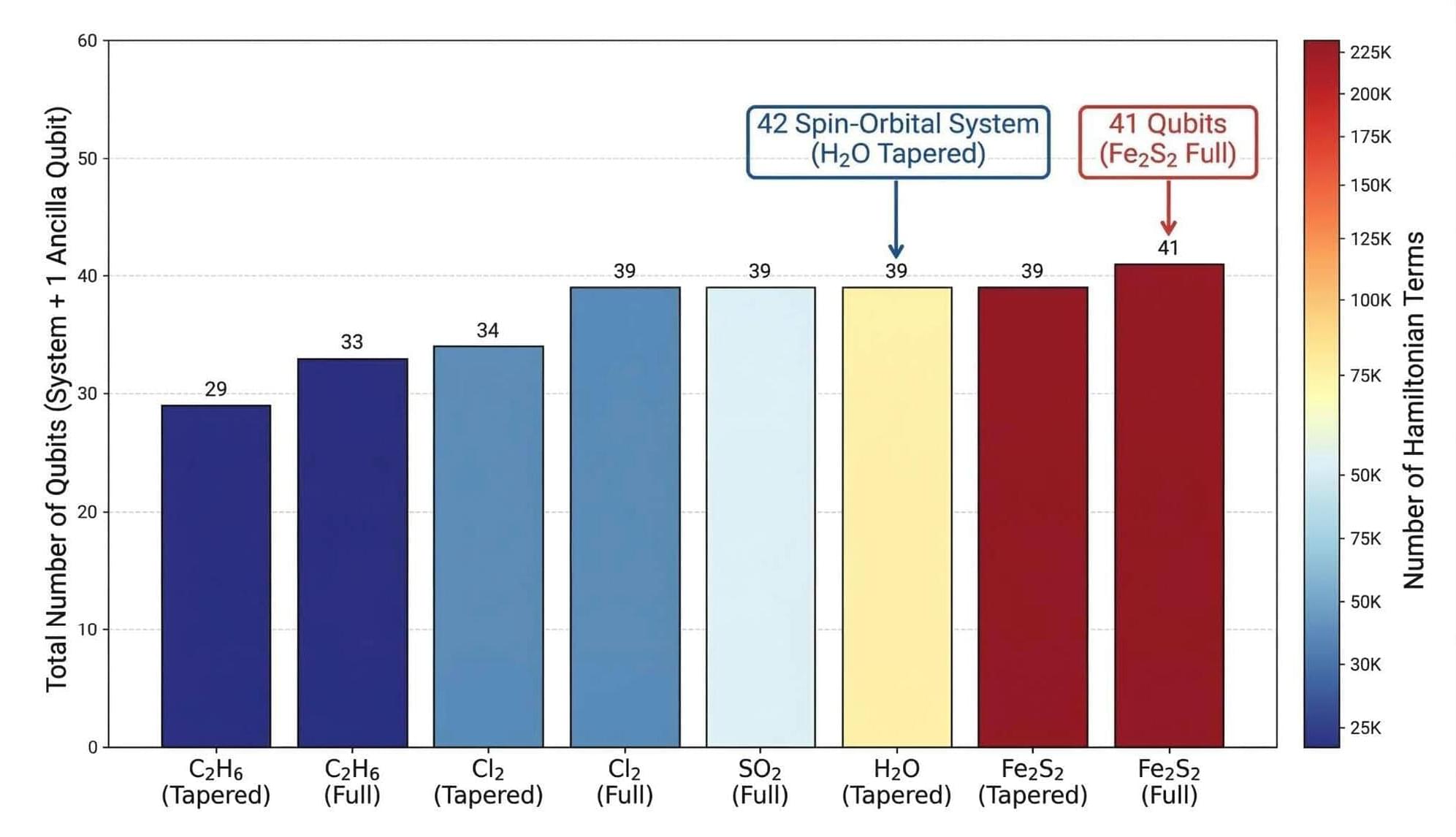
A joint research team between the Center for Quantum Information and Quantum Biology (QIQB) at The University of Osaka and Fixstars Corporation has demonstrated one of the world’s largest classical simulations of iterative quantum phase estimation (IQPE) circuits for quantum chemistry on up to 1,024 GPUs, surpassing the previous 40-qubit limit. The result expands the scale of molecular systems available for the development and validation of quantum algorithms for future fault-tolerant quantum computers, supporting progress toward industrial applications in drug discovery and materials development.

The paper was presented at NVIDIA GTC 2026, held in San Jose, California, March 16–19, 2026.

Overcoming unresolved challenges in drug discovery and developing new materials to address climate change will require advanced quantum chemical calculations beyond the reach of current technology. Against this backdrop, fault-tolerant quantum computers (FTQC) are widely anticipated as a key enabling technology, making it increasingly important to develop and validate, ahead of their deployment, the quantum algorithms that will eventually run on such systems.

High nickel concentrations in Martian bedrock point to potential biosignatures

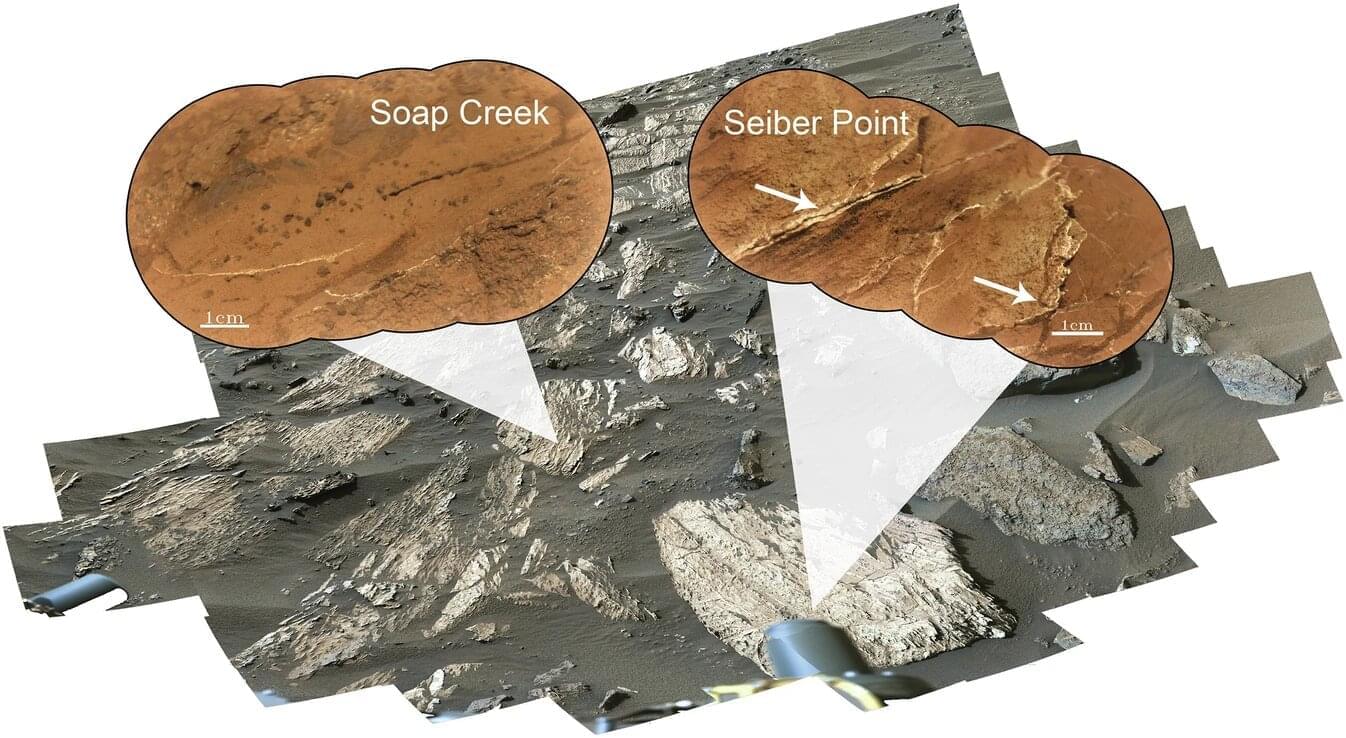
In 2024, NASA’s Perseverance rover found surprising levels of Nickel in the Martian bedrock of an ancient river channel, called Neretva Vallis, which flowed into the Jezero crater. A new study, published in Nature Communications, has taken a closer look at the data collected from the region and researchers are seeing what could be remnants of ancient Martian life.

Although nickel is not typically thought of as a major component of human life, it is important in many microbial metabolism functions. For example, nickel is a requirement for the Wood-Ljungdahl (W-L) pathway—an ancient, energy-efficient anaerobic process utilized by bacteria and archaea to fix carbon dioxide. The reverse of this process also requires nickel and has been observed in some species of sulfate-reducing bacteria, for the decomposition of organic matter.

“In particular, Ni is an essential component of enzymes used by methanogenic archaea and many bacterial species. Ni is vital to the metabolism of methanogenic organisms, such that a decrease in the Ni content of Earth’s oceans in the Archean is hypothesized to have caused a collapse in atmospheric methane preceding the Great Oxidation Event,” explain the study authors.

Stretching metals can tune catalysis: A new method predicts energy shifts

Heterogeneous catalysis—in which catalysts and reactants are of different phases, e.g., solid and gas—is important to many industrial processes and often involves solid metal as the catalyst. Ammonia synthesis, catalytic converters for automobile exhaust, methanol synthesis, carbon dioxide reduction, and hydrogen production are examples of such metal-catalyzed heterogeneous catalysis.

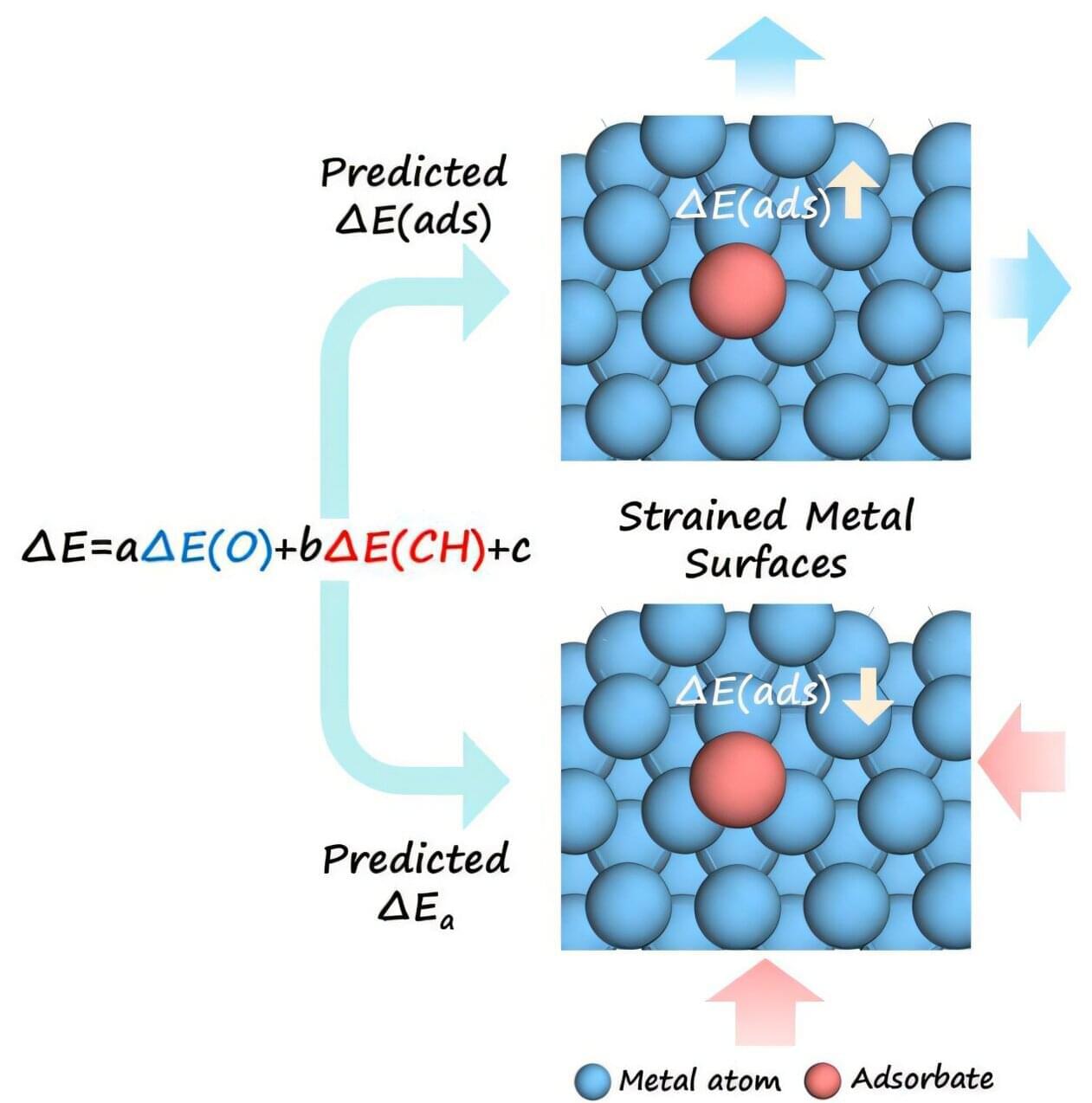
The electronic structure of metal surfaces governs the adsorption of reactants and intermediates, and thus the catalytic activity. For this reason, strain engineering —which tunes the electronic structure of a metal catalyst by stretching or compressing its crystal lattice—has emerged as an important strategy for enhancing catalytic performance. Unfortunately, scientists have not been able to quantify how metal strain influences adsorption energies and reaction barriers across different metal catalysts, thereby limiting the rational design of catalysts with desired properties.

To address this challenge, a research team from the Lanzhou Institute of Chemical Physics (LICP) of the Chinese Academy of Sciences has developed a method to predict how strain modifies adsorption energies and reaction barriers across diverse metal systems. The study is published in the journal Cell Reports Physical Science.

/* */