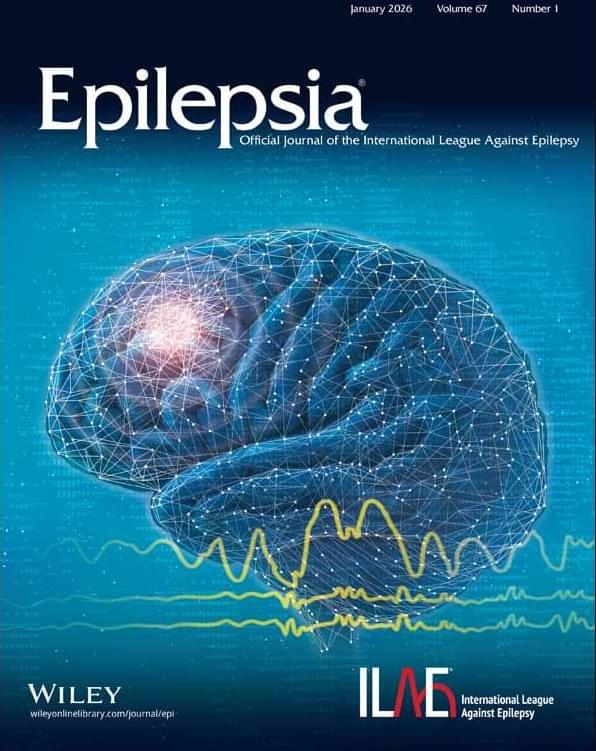
This study provides detailed electro-clinical characterization of surgically treated MOGHE patients and highlights the impact of SEEG on their outcome.
Objective Epilepsy surgery is an effective treatment option for patients with medically refractory epilepsy due to mild malformation of cortical development with oligodendroglial hyperplasia (MOGHE). The success of surgery depends on the accurate localization of the epileptogenic zone, which can be challenging due to the subtle imaging features. The aim of this project was to provide an in-depth electro-clinical characterization of MOGHE in patients with medically intractable epilepsy, and to assess the role of stereo-electroencephalography (SEEG) in tailoring the resection and optimizing surgical outcome.
“Working in strict secrecy, a government scientist in Norway built a machine capable of emitting powerful pulses of microwave energy and, in an effort to prove such devices are harmless to humans, in 2024 tested it on himself. He suffered neurological symptoms similar to those of ”Havana syndrome,” the unexplained malady that has struck hundreds of U.S. spies and diplomats around the world.
The bizarre story, described by four people familiar with the events, is the latest wrinkle in the decade-long quest to find the causes of Havana syndrome, whose sufferers experience long-lasting effects including cognitive challenges, dizziness and nausea. The U.S. government calls the events Anomalous Health Incidents (AHIs).
The secret test in Norway has not been previously reported. The Norwegian government told the CIA about the results, two of the people said, prompting at least two visits in 2024 to Norway by Pentagon and White House officials.
The CIA investigated a Norwegian government experiment with a pulsed-energy machine in which a researcher built and tested a ”Havana syndrome” device on himself.
I am asking you for a report of no more than 3,000 words with deep analysis of which global sectors are likely to be most and least disrupted by Artificial Intelligence.
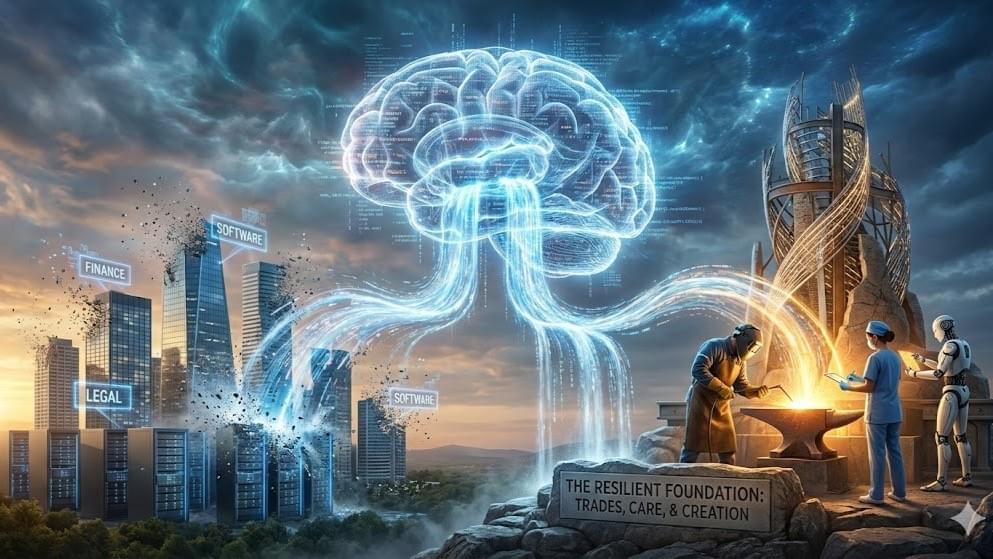
The following report and images are the Gemini output from the prompt I entered…
Sectoral Disruption and Economic Resilience 2026 I read the Deutsche Bank report, then ran the prompt against the latest version of Google Gemini 3 Pro. I didn’t have all their criteria, so I entered the basic prompt they had utilized.
Will humans one day merge with artificial intelligence? Futurist Ray Kurzweil predicts a coming “singularity” where humans upload their minds into digital systems, expanding intelligence and potentially achieving immortality. But critics argue that consciousness, creativity, love, and spiritual awareness cannot be reduced to algorithms. This discussion explores brain-computer interfaces, quantum mechanics and the mind, the Ship of Theseus identity paradox, and whether a digital copy of your brain would actually be you. Is AI-driven immortality possible—or does it misunderstand what it means to be human?
Every year the Center sponsors COSM an exclusive national summit on the converging technologies remaking the world as we know it. Visit COSM.TECH (https://cosm.tech/) for information on COSM 2025, November 19–21 at the beautiful Hilton Scottsdale Resort and Spas in Scottsdale, AZ. For more information. Registration will launch mid-July.
The mission of the Walter Bradley Center for Natural and Artificial Intelligence at Discovery Institute is to explore the benefits as well as the challenges raised by artificial intelligence (AI) in light of the enduring truth of human exceptionalism. People know at a fundamental level that they are not machines. But faulty thinking can cause people to assent to views that in their heart of hearts they know to be untrue. The Bradley Center seeks to help individuals—and our society at large—to realize that we are not machines while at the same time helping to put machines (especially computers and AI) in proper perspective.
Be sure to subscribe to the Center for Natural and Artificial Intelligence. on Youtube: / @discoverycnai.
Follow Walter Bradley Center for Natural and Artificial Intelligence on. X: / cnaintelligence, @cnaintelligence. Facebook: / bradleycenterdi.
Visit other Youtube channels connected to the Discovery Institute:
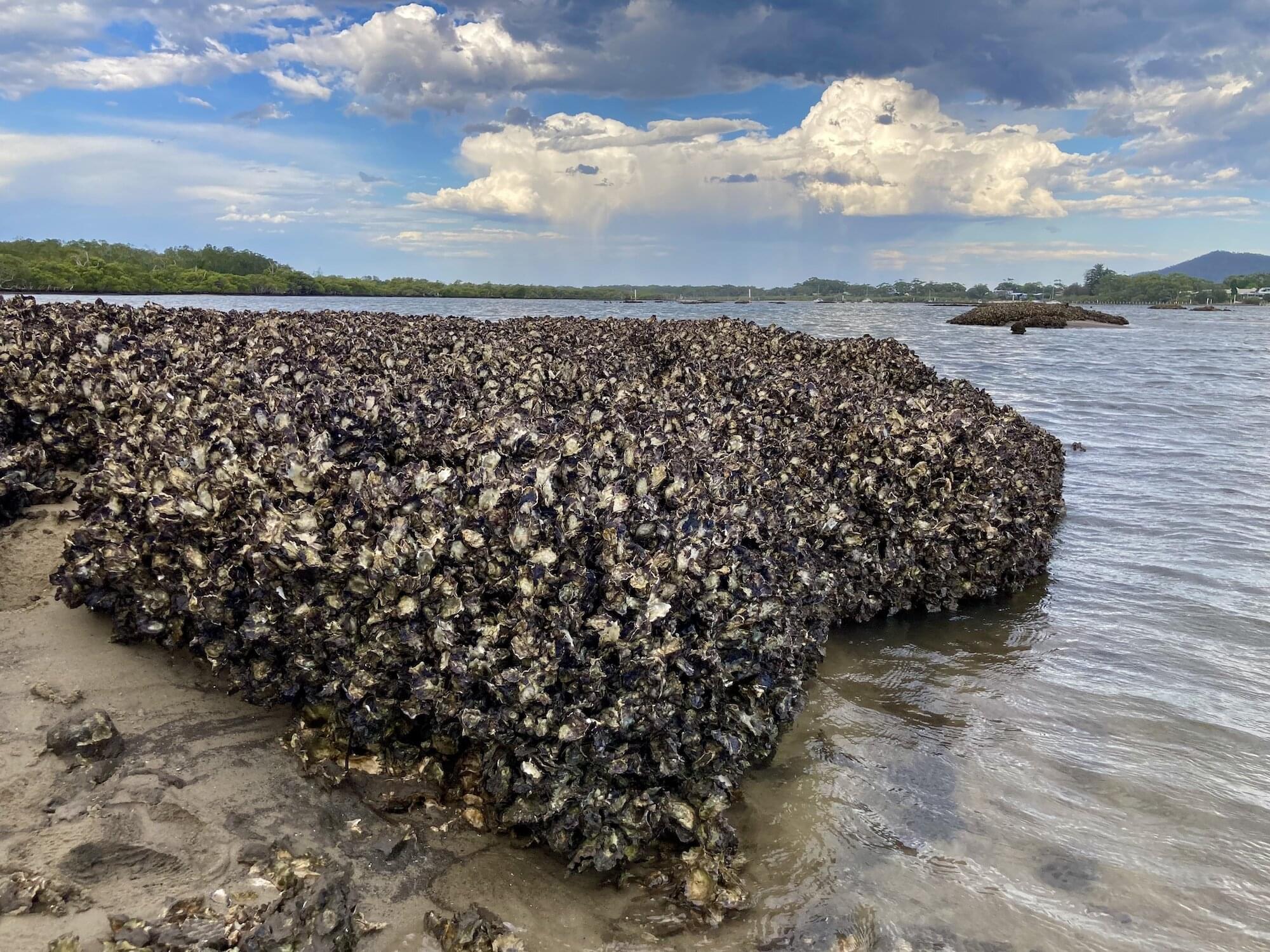
New research has identified optimal design for artificial habitats to support restoration of oyster reefs, based on a detailed understanding of natural oyster reef geometry. Published in the global journal Nature, the Sydney-based study shows the complex shapes of natural oyster reefs are not random—their structure and arrangement optimize the establishment and survival of developing oysters and their protection from predators.
Oysters are really “ecosystem engineers,” building their own reefs made up of living oysters and the discarded shells of previous generations, explains lead author of the study, Dr. Juan Esquivel-Muelbert of Macquarie University.
“But reefs aren’t just piles of shells or skeletons,” says Dr. Esquivel-Muelbert. “Reefs are finely tuned 3D systems. Their shape controls who lives, who dies and how fast the reef grows.”
Knowing which genes are responsible for the transformations could help with developing antifungal treatments, and may have other pharmaceutical and industrial applications.
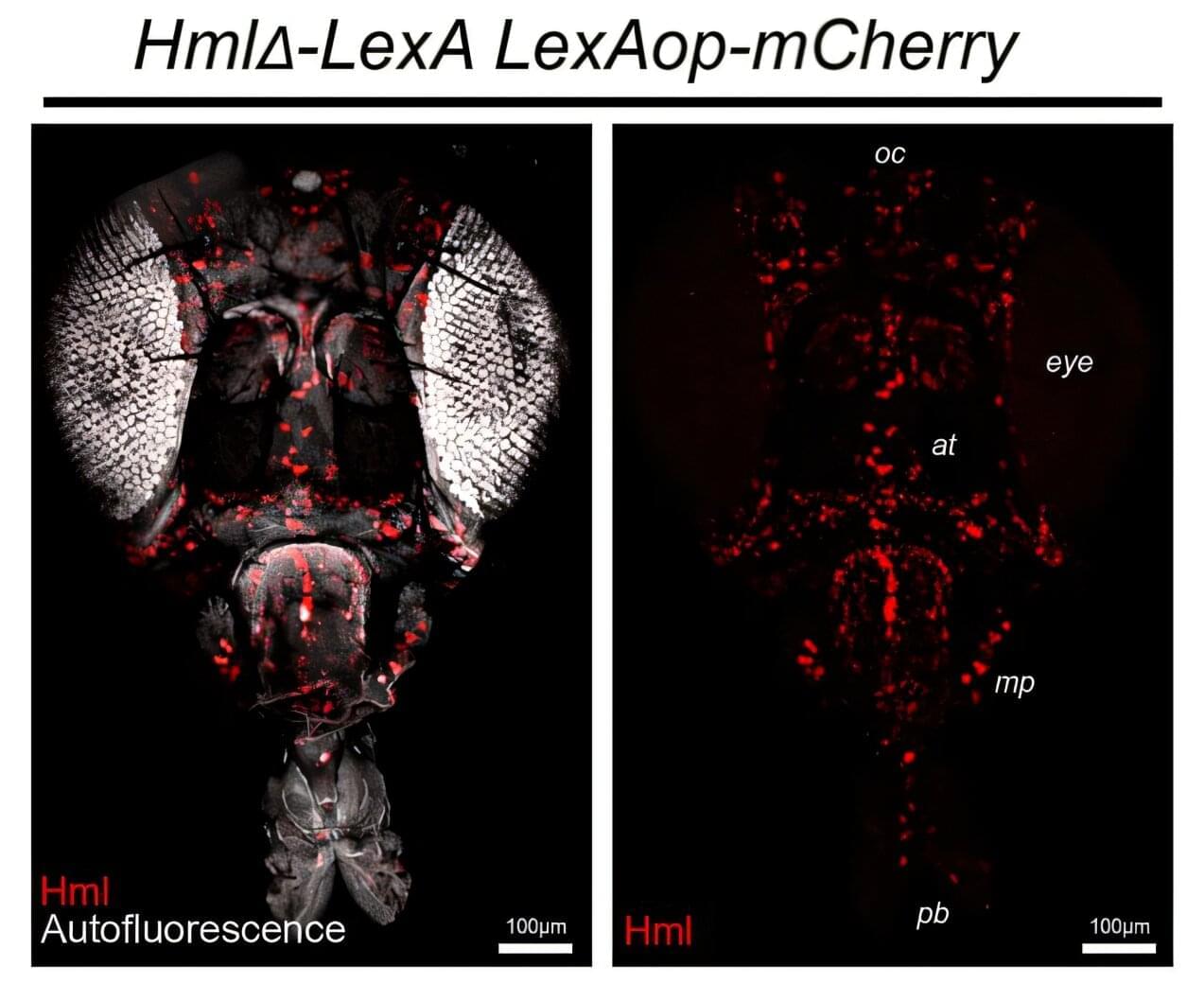
When HHMI Investigator Amita Sehgal started studying sleep 25 years ago, the topic elicited a yawn from most biologists. “In the year 2000, if I had suggested to my department that we hire people working on sleep, they would have laughed at me,” says Sehgal, a molecular biologist and neuroscientist at the University of Pennsylvania. “The thinking was that sleep is not something that neuroscientists do; psychologists study sleep and dreams.” Now, more than two decades later, sleep science has finally woken up.
Biologists around the world are now studying sleep in everything from fruit flies to jellyfish to understand the fundamental molecular and cellular mechanisms that drive slumber and answer the age-old question of why we sleep.
“Sleep is widely conserved across the animal kingdom and so it must have some basic function that is the same across species, and so what is that?” Sehgal says. “We’re finally getting to a point where we are recognizing a few basic principles about sleep.”
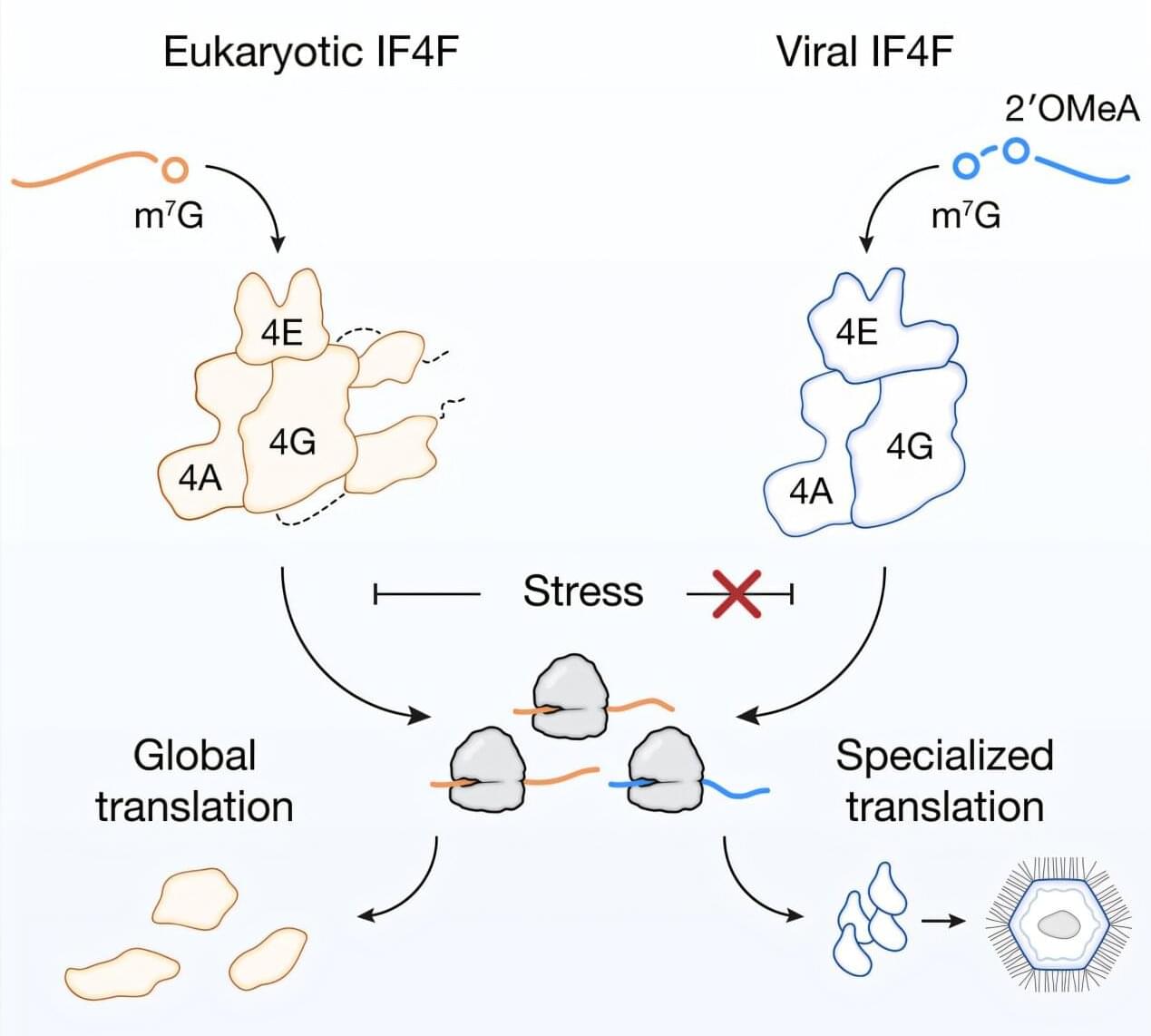
In a new study, published in Cell, researchers describe a newfound mechanism for creating proteins in a giant DNA virus, comparable to a mechanism in eukaryotic cells. The finding challenges the dogma that viruses lack protein synthesis machinery, and blurs the line between cellular life and viruses.
Protein production is accomplished in cellular life by decoding messenger RNA (mRNA) sequences in a process referred to as translation. In fact, most genes have some function related to protein synthesis. However, viruses are not and do not contain cells.
“In contrast to living organisms, viruses cannot replicate independently and rely on a host cell to perform many of the biological processes required to reproduce. Although viruses encode proteins involved in DNA replication and transcription, the dogma is that all viruses share a universal dependence on the host cell translation machinery for viral protein synthesis,” explain the authors of the new study.
Camille Boutin, Laurent Kodjabachian et al. describe an inducible multiciliated cell line well suited for advanced microscopy and proteomic approaches. The study provides a detailed proteomic profiling of MCC during their differentiation.
Boutin et al., describe an inducible multiciliated cell line well suited for advanced microscopy and proteomic approaches. The study provides a detailed pr.