The nanozymes hypothesis proposes that mineral nanoparticles drove chemical evolution on early Earth, helping transform inert matter into life through catalytic and environmental processes.

Scientists confirmed that an exoplanet mirrors its star’s chemical makeup, validating a core assumption about how planets form and evolve.



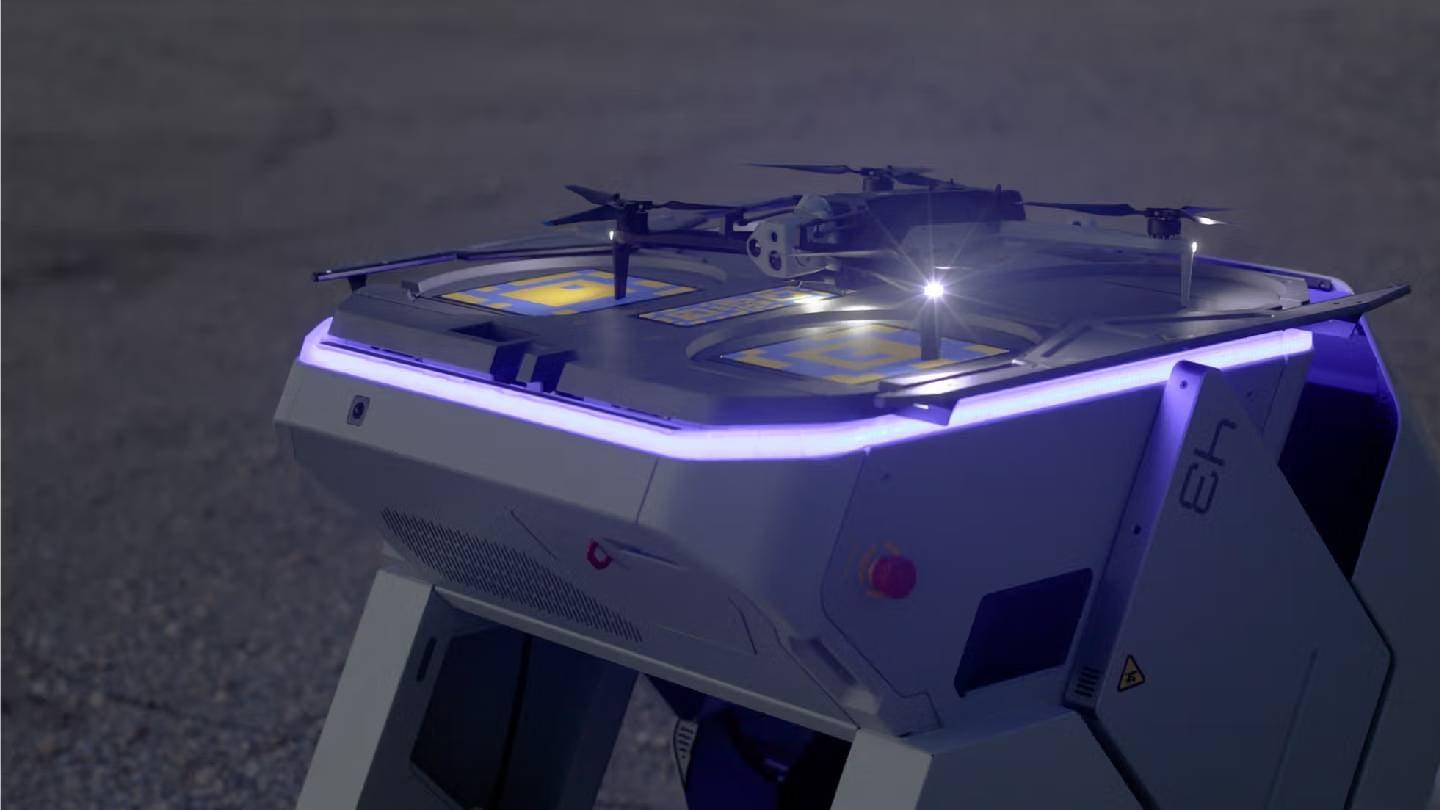
The US Air Forces Central (USAFCENT), a component of US Central Command (CENTCOM), has placed an order worth over $9m with US-based drone manufacturer Skydio for the supply of Skydio Dock and X10 systems.
The drones and infrastructure will be used to secure US airbases in the Middle East as part of one of the largest deployments of autonomous drone security systems by the US Air Force (USAF) for international base protection.




The attack surface targeted by Iranian-linked hackers in cyberattacks against U.S. critical infrastructure networks includes thousands of Internet-exposed programmable logic controllers (PLCs) manufactured by Rockwell Automation.
According to a joint advisory issued by multiple U.S. federal agencies on Tuesday, Iranian state-backed hacking groups have been targeting Rockwell Automation/Allen-Bradley PLC devices since March 2026, causing operational disruptions and financial losses.
“Iranian-affiliated APT targeting campaigns against U.S. organizations have recently escalated, likely in response to hostilities between Iran, and the United States and Israel,” the authoring agencies warned.