Toggle light / dark theme

Get the latest international news and world events from around the world.

Log in for authorized contributors

Passengers’ brain signals may help self-driving cars make safer choices

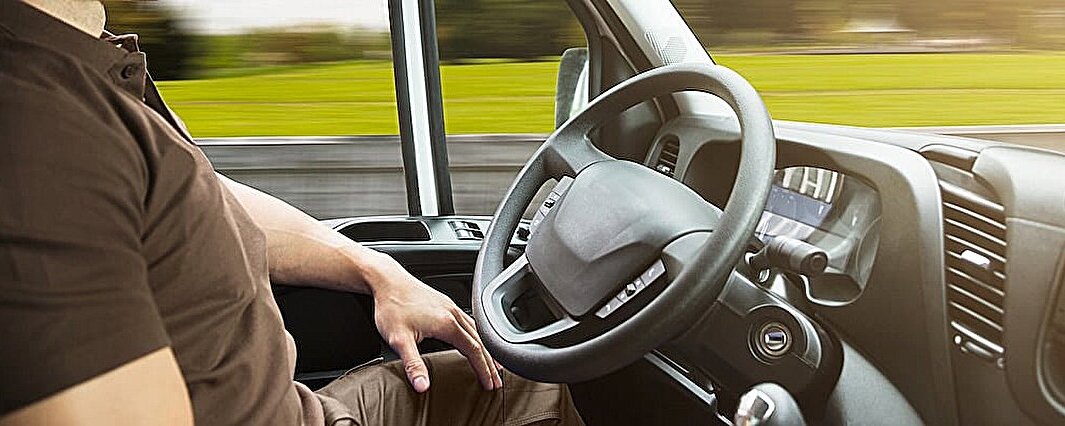
Cars from companies like Tesla already promise hands-free driving, but recent crashes show that today’s self-driving systems can still struggle in risky, fast-changing situations.

Now, researchers say the next safety upgrade may come from an unexpected source: The brains of the people riding inside those cars.

In a new study appearing in Cyborg and Bionic Systems, Chinese researchers tested whether monitoring passengers’ brain activity could help self-driving systems make safer decisions in risky situations.
New sensor measures strain, strain rate and temperature with single material layer

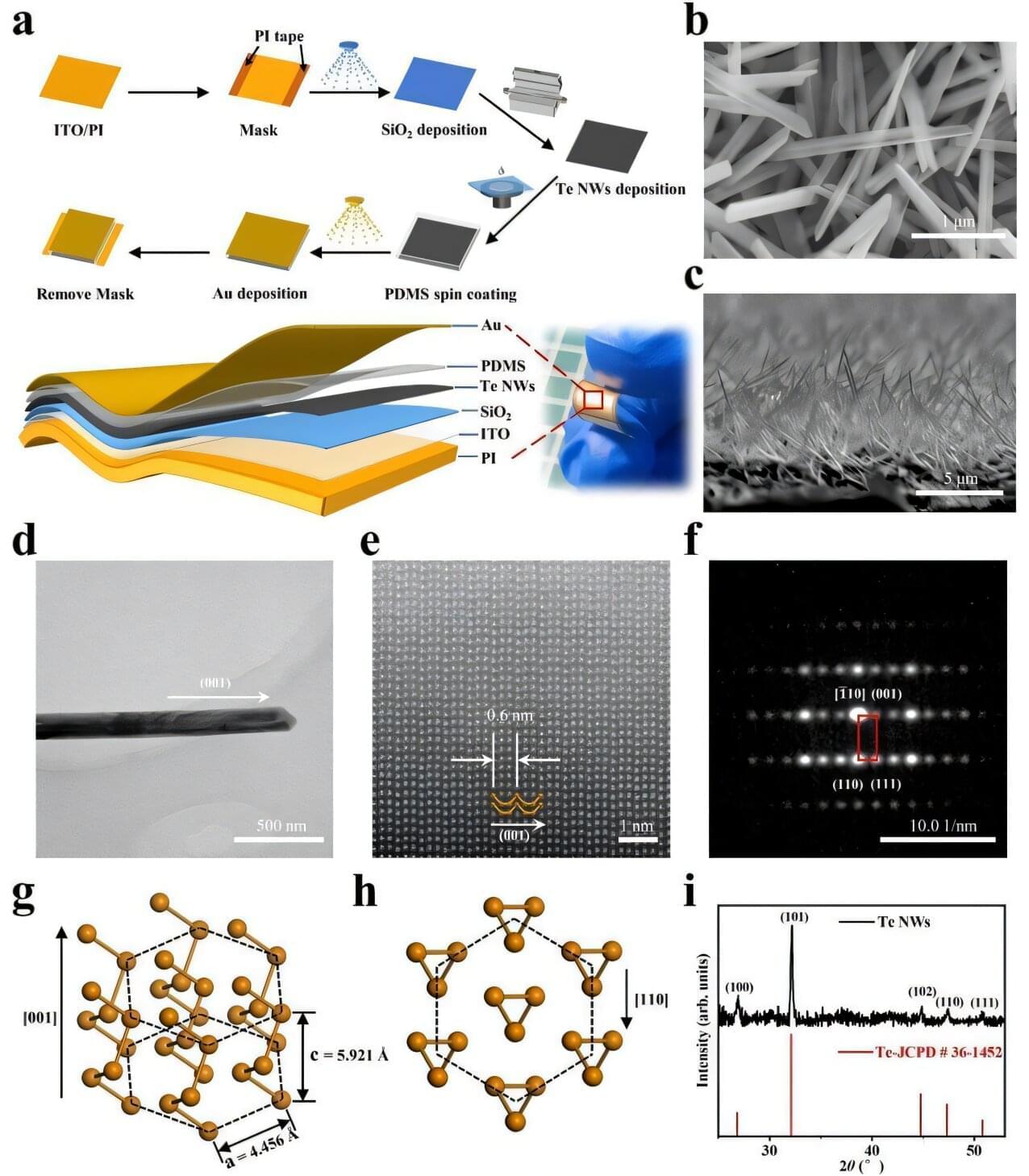
Researchers from the Institute of Metal Research (IMR) of the Chinese Academy of Sciences have developed an innovative flexible sensor that can simultaneously detect strain, strain rate, and temperature using a single active material layer, representing a significant advance in multimodal sensing technology.

The study, published in Nature Communications, addresses the longstanding challenge of conventional sensors requiring complex multilayer designs that integrate different materials for distinct sensing functions. These traditional approaches often involve complicated signal acquisition and external power supplies, limiting their reliability in continuous monitoring applications.

Led by Prof. Tai Kaiping, the researchers designed the sensor based on a specially designed network of tilted tellurium nanowires (Te-NWs). Through material and structural engineering, they overcame a fundamental limitation where thermoelectric and piezoelectric signals could not be collected in the same direction within conventional materials. In this unique architecture, both signals are simultaneously detected and output in the out-of-plane direction.

New AI model accurately grades messy handwritten math answers and explains student errors

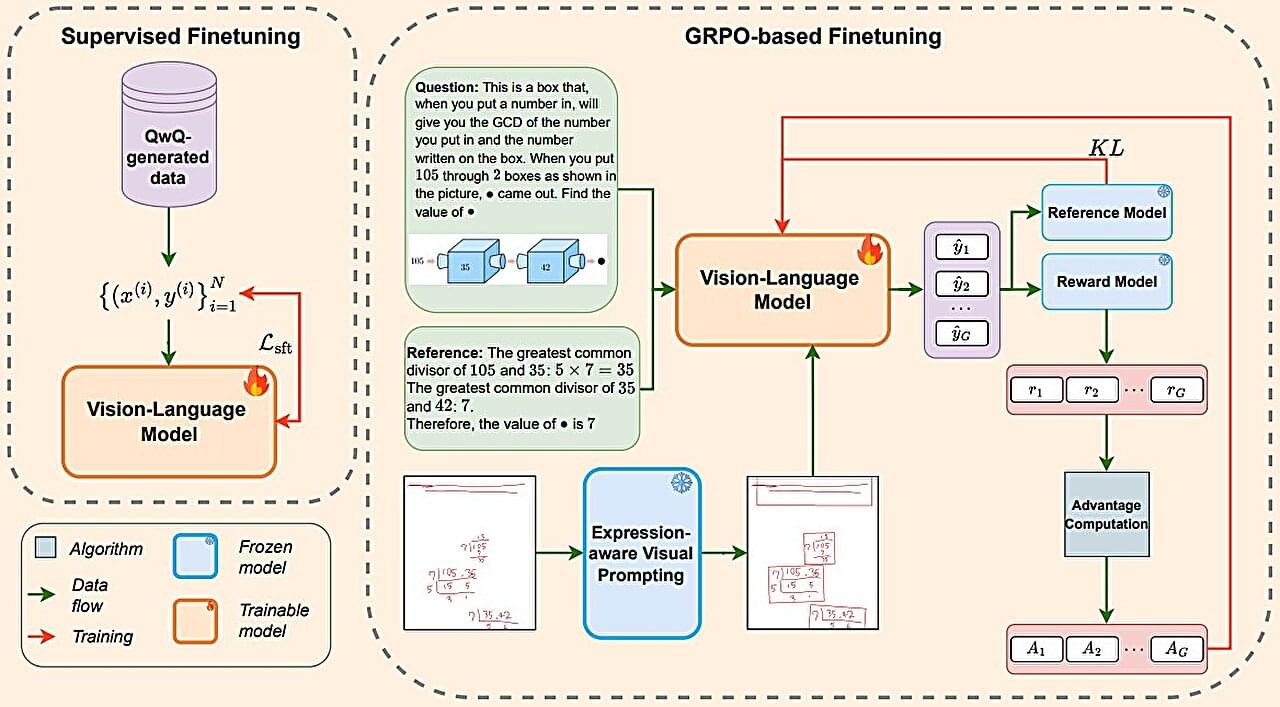
A research team affiliated with UNIST has unveiled a novel AI system capable of grading and providing detailed feedback on even the most untidy handwritten math answers—much like a human instructor.

Led by Professor Taehwan Kim of UNIST Graduate School of Artificial Intelligence and Professor Sungahn Ko of POSTECH, the team announced the development of VEHME (Vision-Language Model for Evaluating Handwritten Mathematics Expressions), an AI model designed specifically to evaluate complex handwritten mathematics expressions.

The research is published on the arXiv preprint server.

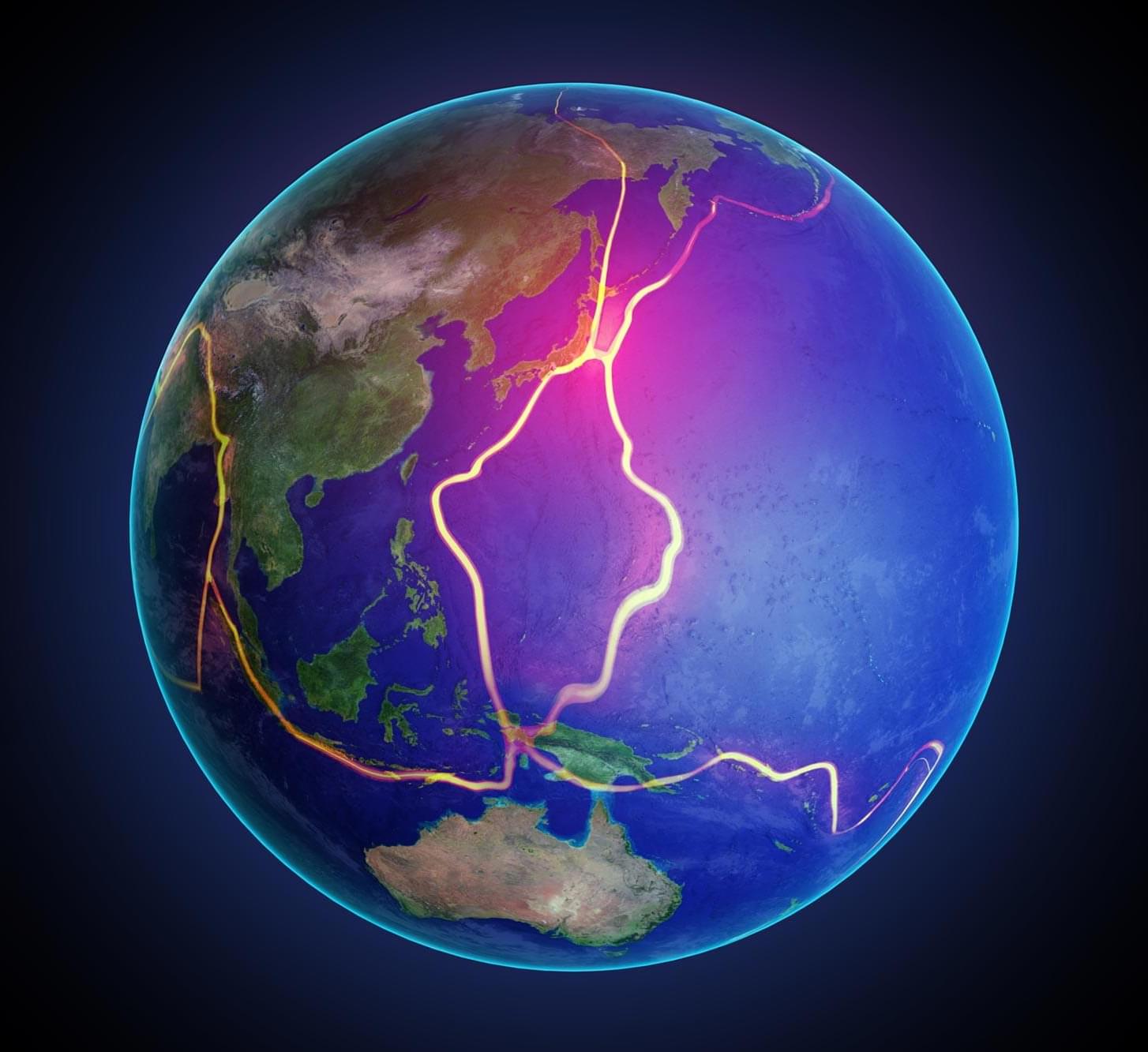
What’s inside Mexico’s Popocatépetl volcano? Scientists obtain first 3D images

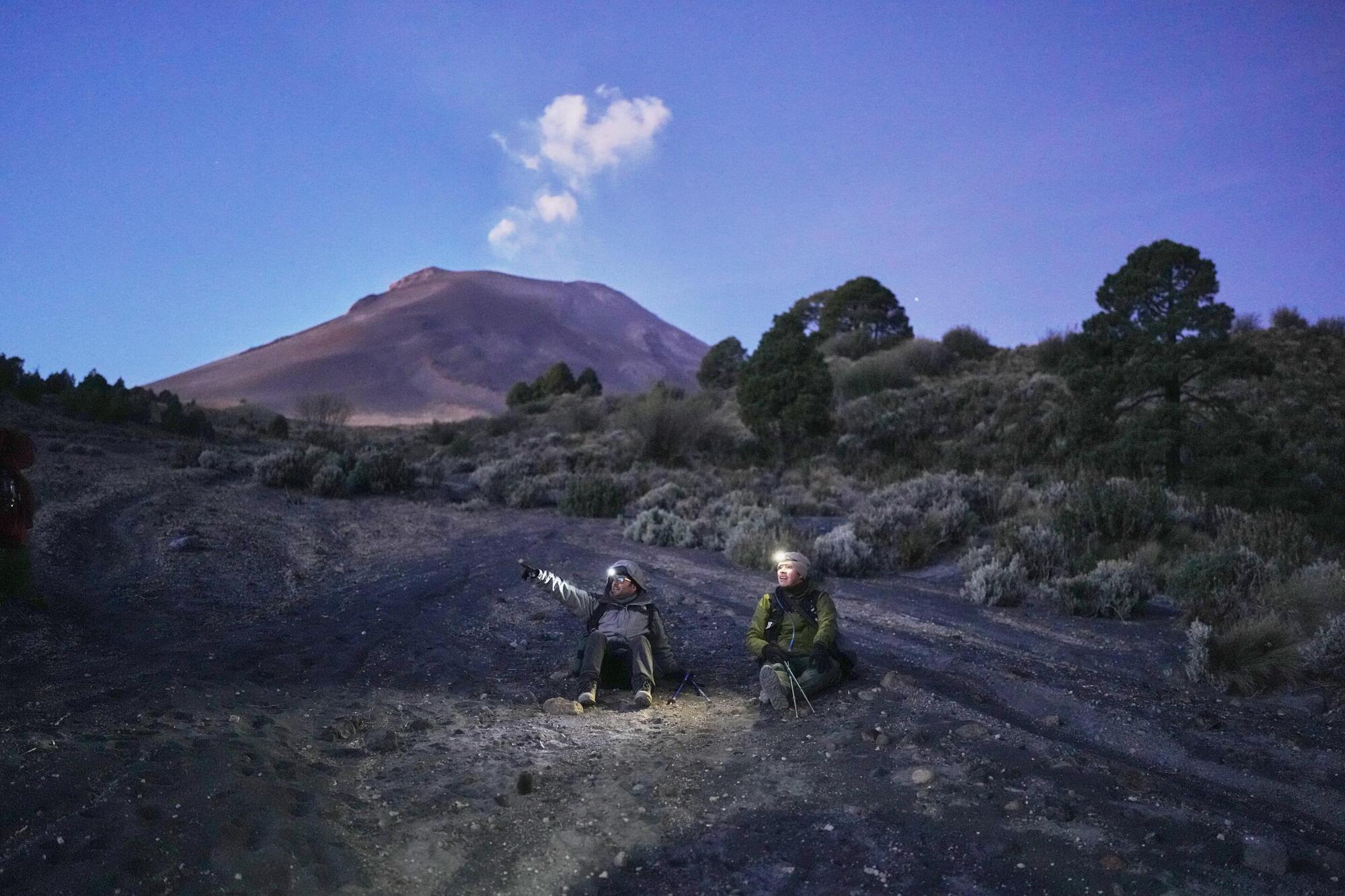
In the predawn darkness, a team of scientists climbs the slope of Mexico’s Popocatépetl volcano, one of the world’s most active and whose eruption could affect millions of people. Its mission: figure out what is happening under the crater.

For five years, the group from Mexico’s National Autonomous University has climbed the volcano with kilos of equipment, risked data loss due to bad weather or a volcanic explosion and used artificial intelligence to analyze the seismic data. Now, the team has created the first three-dimensional image of the 17,883-foot (5,452-meter) volcano’s interior, which tells them where the magma accumulates and will help them better understand its activity, and, eventually, help authorities better react to eruptions.

Marco Calò, professor in the UNAM’s Geophysics Institute’s vulcanology department and the project leader, invited The Associated Press to accompany the team on its most recent expedition, the last before its research on the volcano will be published.

Ethylene and oxygen found to drive periderm regeneration after plant injury

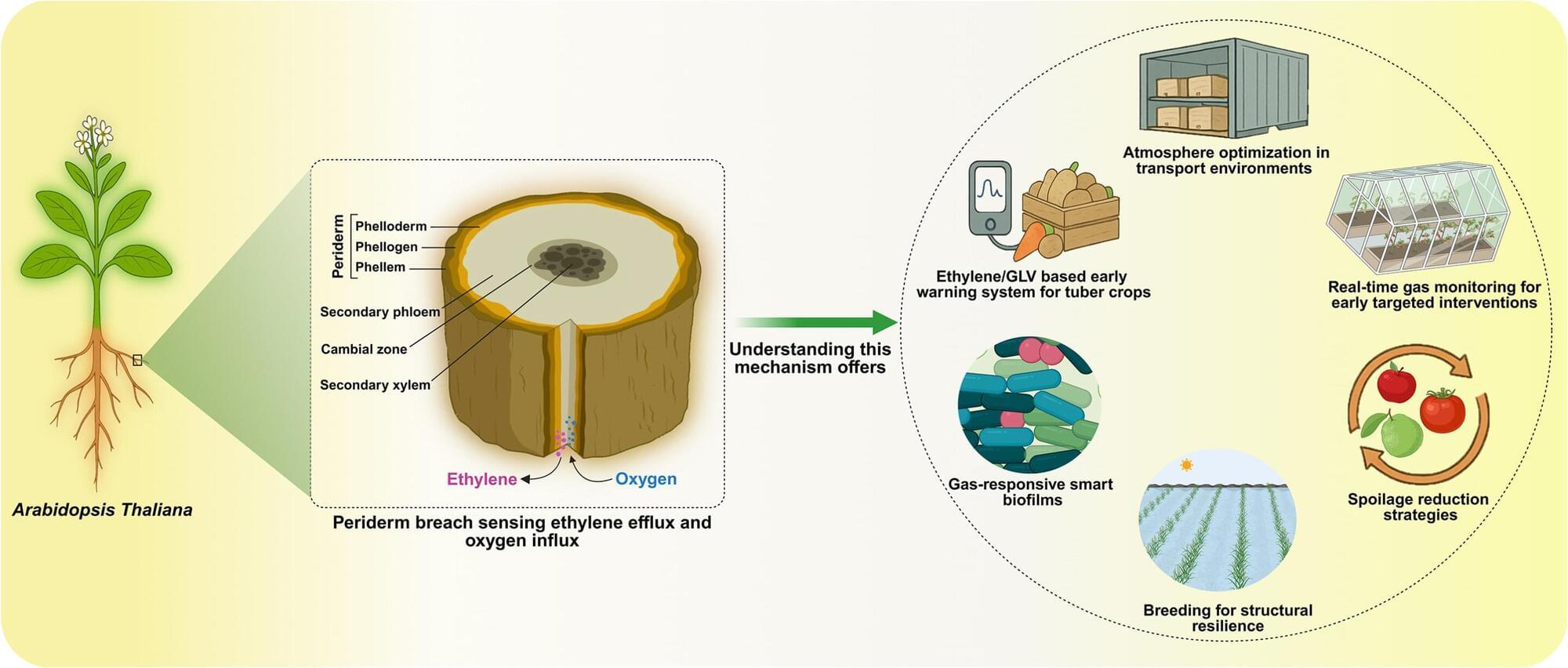
Plants have an extraordinary ability to sense tissue damage and quickly rebuild their protective outer layers, a process vital for survival amid environmental stresses. The periderm—a specialized protective tissue found in many woody plants—serves as a crucial barrier against water loss, pathogens, and mechanical injury. However, understanding how gaseous molecules enable plants to rapidly detect surface disruptions has long remained elusive.

In a new study published in Plant Communications on December 8, a research team led by Prof. Chen Yaning from the Xinjiang Institute of Ecology and Geography (XIEG) of the Chinese Academy of Sciences reported new insights into gas-regulated wound signaling in plants. By examining recent advances in the field, the researchers showed that changes in the diffusion dynamics of ethylene and oxygen within plant tissues provide an efficient and rapid means of sensing breaches in surface defenses.

“When the plant’s outer barrier is damaged, endogenous ethylene gas escapes more readily into the atmosphere (efflux), while oxygen from the environment infiltrates the tissue (influx),” said Dr. Hassan Iqbal, first author of the study.

Encoding adaptive intelligence in molecular matter by design

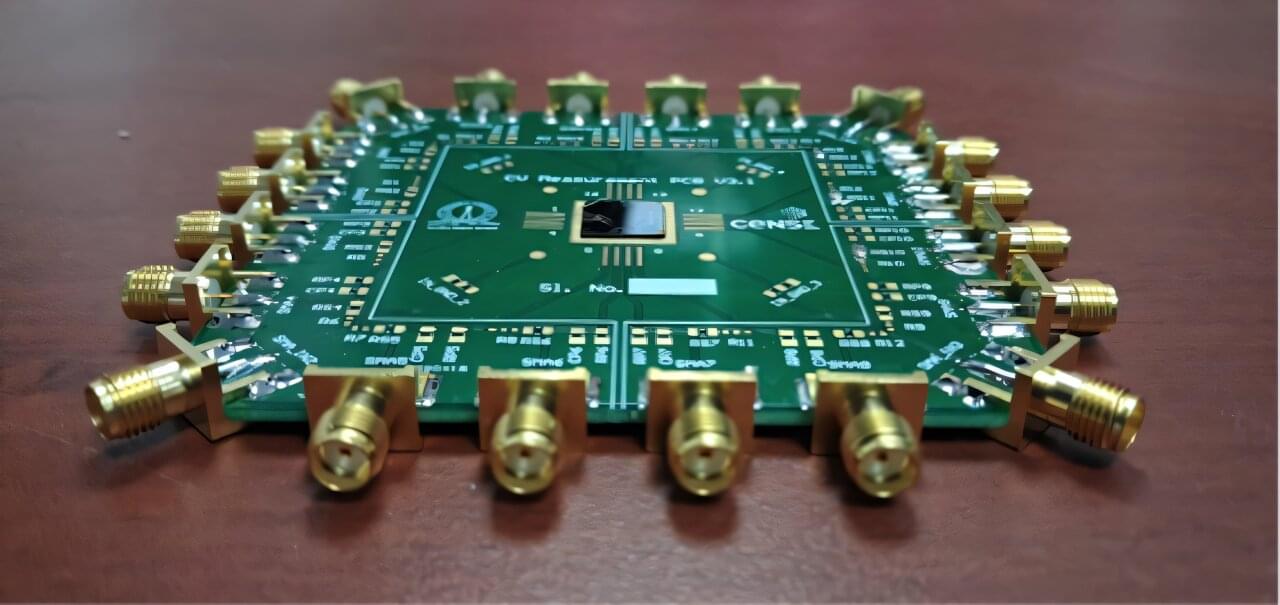
For more than 50 years, scientists have sought alternatives to silicon for building molecular electronics. The vision was elegant; the reality proved far more complex. Within a device, molecules behave not as orderly textbook entities but as densely interacting systems where electrons flow, ions redistribute, interfaces evolve, and even subtle structural variations can induce strongly nonlinear responses. The promise was compelling, yet predictive control remained elusive.

Meanwhile, neuromorphic computing—hardware inspired by the brain—has followed a parallel ambition: to discover a material that can store information, compute, and adapt within the same physical substrate and in real time. Yet today’s dominant platforms, largely based on oxide materials and filamentary switching mechanisms, continue to behave as engineered machines that emulate learning, rather than as matter that intrinsically embodies it.

A new study from the Indian Institute of Science (IISc) published in Advanced Materials suggests that these two long-standing challenges may finally converge.

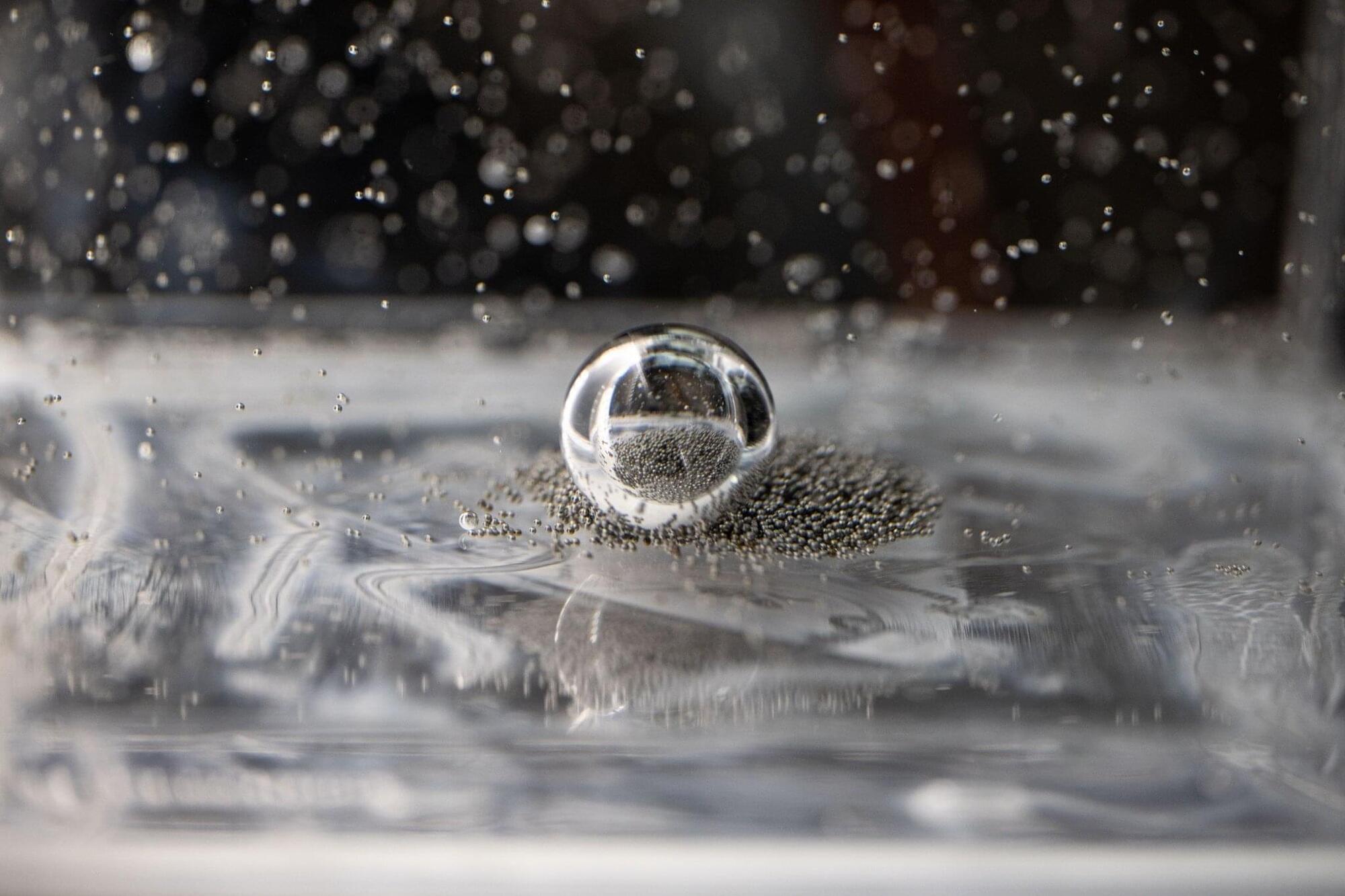
Image: Ball bearings as tools for studying physics in microgravity

In this Oct. 20, 2025, photo, tiny ball bearings surround a larger central bearing during the Fluid Particles experiment, conducted inside the Microgravity Science Glovebox (MSG) aboard the International Space Station’s Destiny laboratory module.

A bulk container installed in the MSG, filled with viscous fluid and embedded particles, is subjected to oscillating frequencies to observe how the particles cluster and form larger structures in microgravity. Insights from this research may advance fire suppression, lunar dust mitigation, and plant growth in space. On Earth, the findings could inform our understanding of pollen dispersion, algae blooms, plastic pollution, and sea salt transport during storms.

In addition to uncovering potential benefits on Earth, research done aboard the space station helps inform long-duration missions like Artemis and future human expeditions to Mars.

COVID-19 Leaves Lasting Changes in the Brain, Even After Full Recovery

Summary: Advanced imaging reveals that COVID-19 may cause lasting brain changes, even in people without ongoing symptoms, pointing to hidden neurological effects that could persist long after recovery.

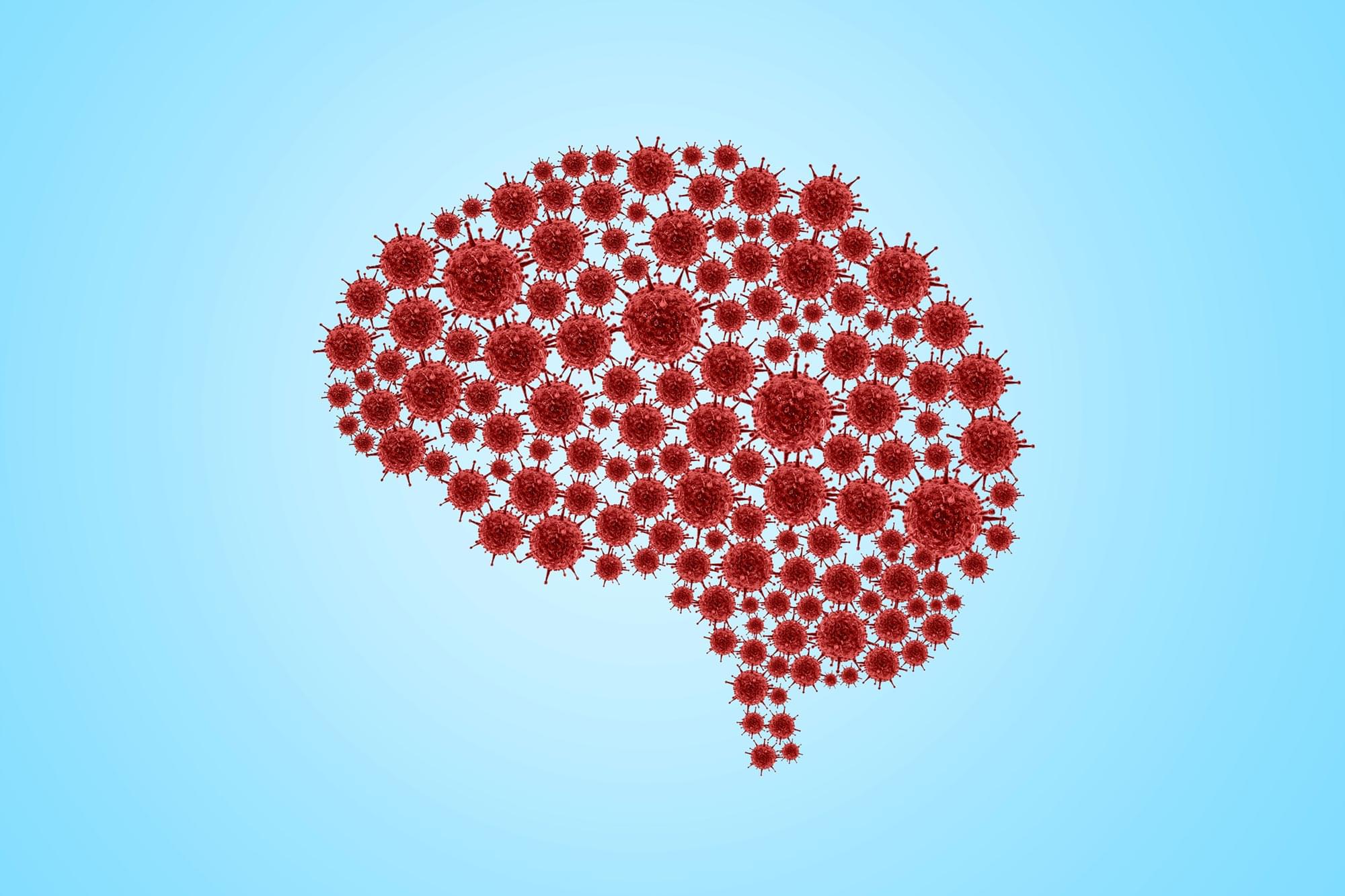
COVID-19 affects more than the lungs. Research shows that even after people have fully recovered from the infection, the virus can cause significant changes in the brain, underscoring its lasting effects on neurological health.

COVID-19 is widely recognized for its impact on the lungs, but growing evidence shows that the virus can also cause lasting changes in the brain, even in people who have fully recovered. These findings point to potential long-term neurological consequences that extend beyond the acute phase of the illness.

A Disrupted Brain Rhythm May Explain Anxiety, Insomnia, and Worse in Cancer Patients

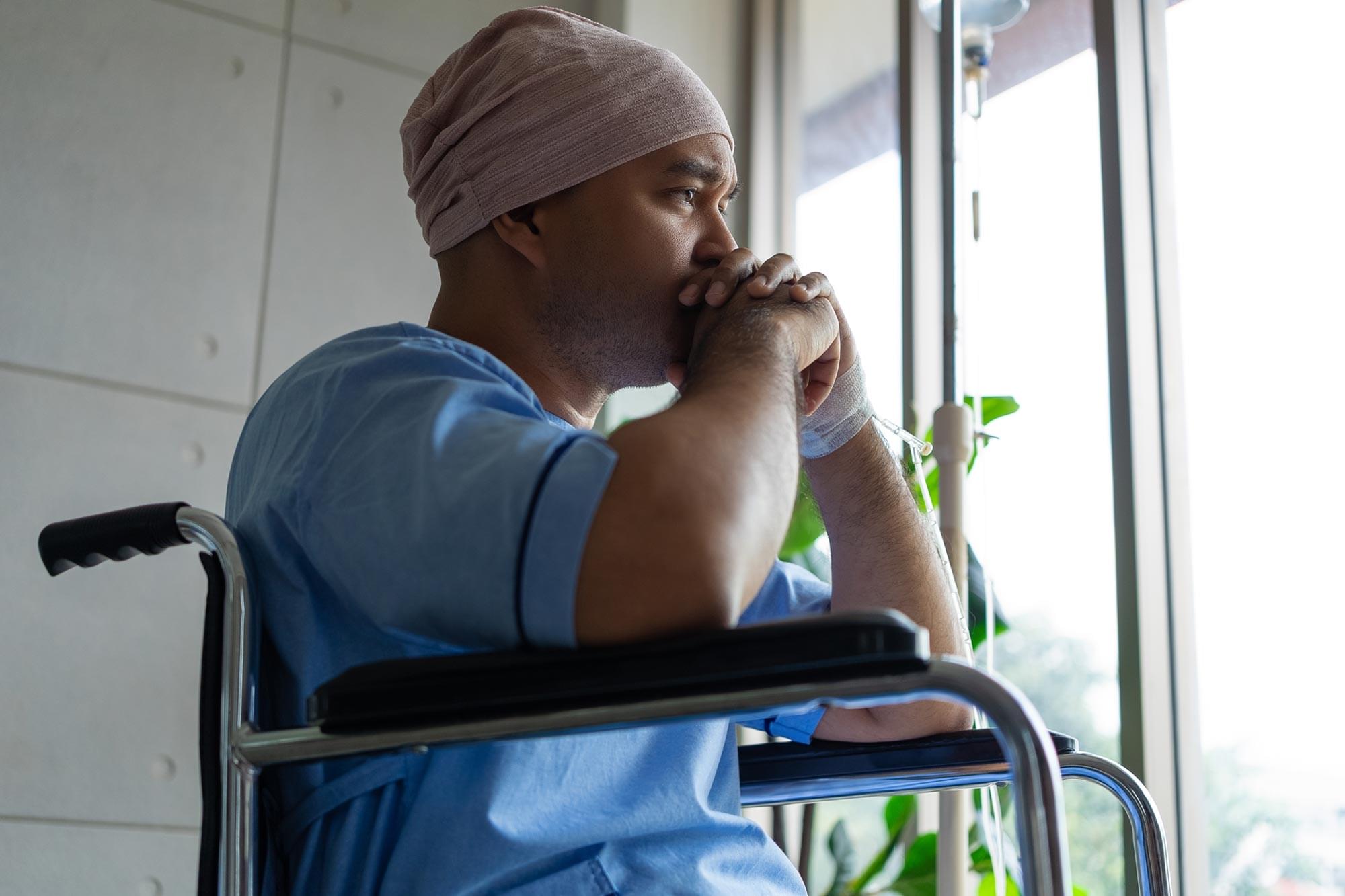
Scientists have discovered that breast cancer can disturb the brain’s daily stress hormone rhythms early in disease development. “The brain is an exquisite sensor of what’s going on in your body,” says Cold Spring Harbor Laboratory Assistant Professor Jeremy Borniger. “But it requires balance. Ne

/* */