Toggle light / dark theme

Get the latest international news and world events from around the world.

Log in for authorized contributors

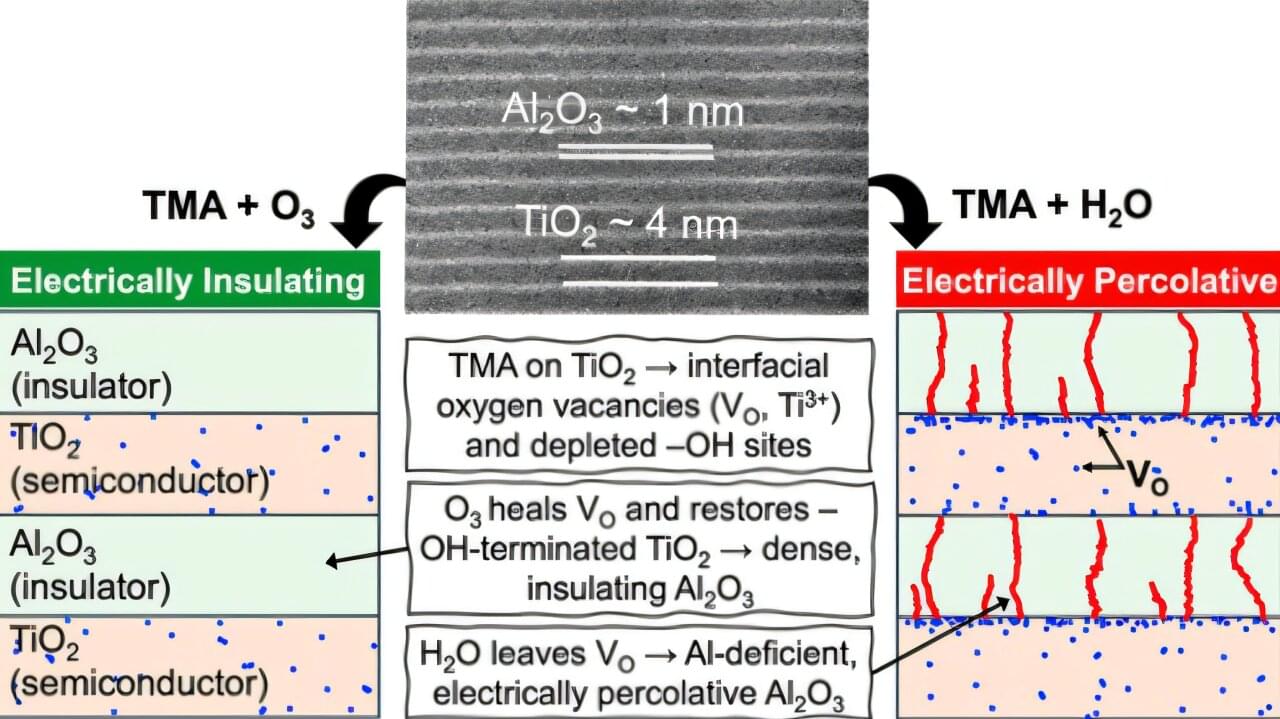
An ultrathin coating for electronics looked like a miracle insulator, but a hidden leak fooled researchers

When your winter jacket slows heat escaping your body or the cardboard sleeve on your coffee keeps heat from reaching your hand, you’re seeing insulation in action. In both cases, the idea is the same: keep heat from flowing where you don’t want it. But this physics principle isn’t limited to heat.

Electronics use it too, but with electricity. An electrical insulator stops current from flowing where it shouldn’t. That’s why power cords are wrapped in plastic. The plastic keeps electricity in the wire, not in your hand.

Inside electronics, insulators do more than keep the user safe. They also help devices store charge in a controlled way. In that role, engineers often call them dielectrics. These insulating layers sit at the heart of capacitors and transistors. A capacitor is a charge-storing component—think of it as a tiny battery, albeit one that fills up and empties much faster than a battery. A transistor is a tiny electrical switch. It can turn current on or off, or control how much current flows.
Catalyst selectivity as a balancing act: Co₃O₄ ‘trapped’ in transition shows peak activity

In a study appearing in Nature Catalysis, researchers from the Inorganic Chemistry Department of the Fritz Haber Institute reveal how structural changes on the surface and in the bulk region of the cobalt oxide catalyst Co3O4 influence its selectivity in the production of industrially relevant chemicals like acetone.

They discovered that a metastable, structurally “trapped” state exhibits the highest catalytic activity—an important finding for catalyst design.

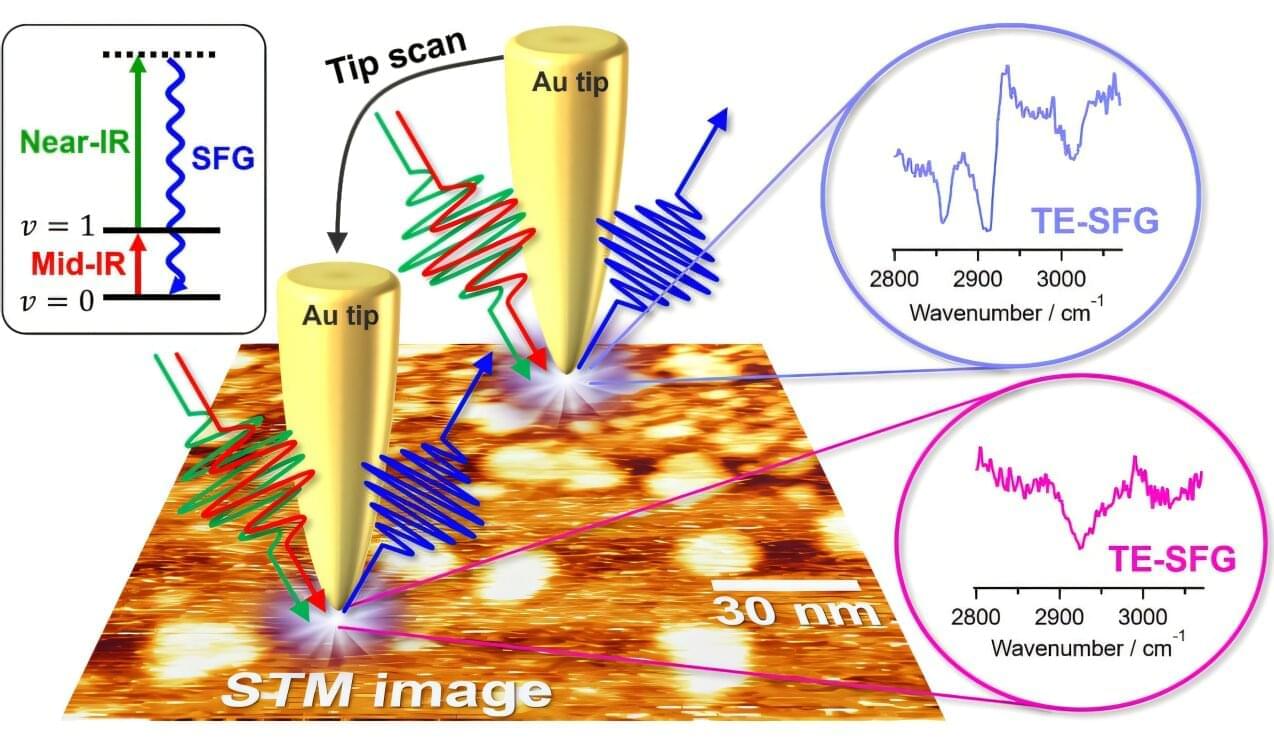
Vibrational spectroscopy technique enables nanoscale mapping of molecular orientation at surfaces

Sum-frequency generation (SFG) is a powerful vibrational spectroscopy that can selectively probe molecular structures at surfaces and interfaces, but its spatial resolution has been limited to the micrometer scale by the diffraction limit of light.

In a study published in The Journal of Physical Chemistry C, investigators overcame this limitation by utilizing a highly confined near field within a plasmonic nanogap and successfully extended the SFG spectroscopy into a nanoscopic regime with ~10-nm spatial resolution.

The team also established a comprehensive theoretical framework that accurately describes the microscopic mechanisms of this near-field SFG process. These experimental and theoretical achievements collectively represent a groundbreaking advancement in near-field second-order nonlinear nanospectroscopy, enabling direct access to correlated chemical and topographic information of interfacial molecular systems at the nanoscale.

How pointing errors impact quantum key distribution systems

Quantum key distribution (QKD) is an emerging communication technology that utilizes quantum mechanics principles to ensure highly secure communication between two parties. It enables the sender and receiver to generate a shared secret key over a channel that may be monitored by an attacker. Any attempt to eavesdrop introduces detectable errors in the quantum signals, allowing communicating parties to detect if communication is compromised via QKD protocols.

Among the various parameters that influence the performance of QKD systems, pointing error, a misalignment between the transmitter and receiver, is one of the most important. Such misalignment can arise from mechanical vibrations, atmospheric turbulence, and/or inaccuracies in the alignment mechanisms.

Despite its importance, very few studies have examined pointing error in a comprehensive manner for QKD optical wireless communication (OWC) systems.

New structural insights reveal how human respiratory chain complexes assemble

A new study shows how one of the cell’s most important energy-producing machines is built. Researchers at Karolinska Institutet have mapped late steps in the formation of the human respirasome, a large protein assembly that drives mitochondrial respiration. Their research is published in the journal Nature Communications.

The respirasome is made up of several protein complexes that work together to transfer electrons and support the production of ATP, the cell’s main energy source. Although scientists have known that these complexes can join to create larger structures, it has remained unclear whether they assemble as finished units or form step by step.

Using high-resolution cryo-electron microscopy, the research team at the Department of Medical Biochemistry and Biophysics captured previously unknown intermediates of the respirasome. Their findings suggest that the final stages of assembly occur while one of the key components, complex IV, is still maturing. This indicates that the respirasome may act as a platform that helps guide the correct order of assembly.

Nanoscopic raft dynamics on cell membranes successfully visualized for first time

A collaborative team of four professors and several graduate students from the Departments of Chemistry and Biochemical Science and Technology at National Taiwan University, together with the Department of Applied Chemistry at National Chi Nan University, has achieved a long-sought breakthrough.

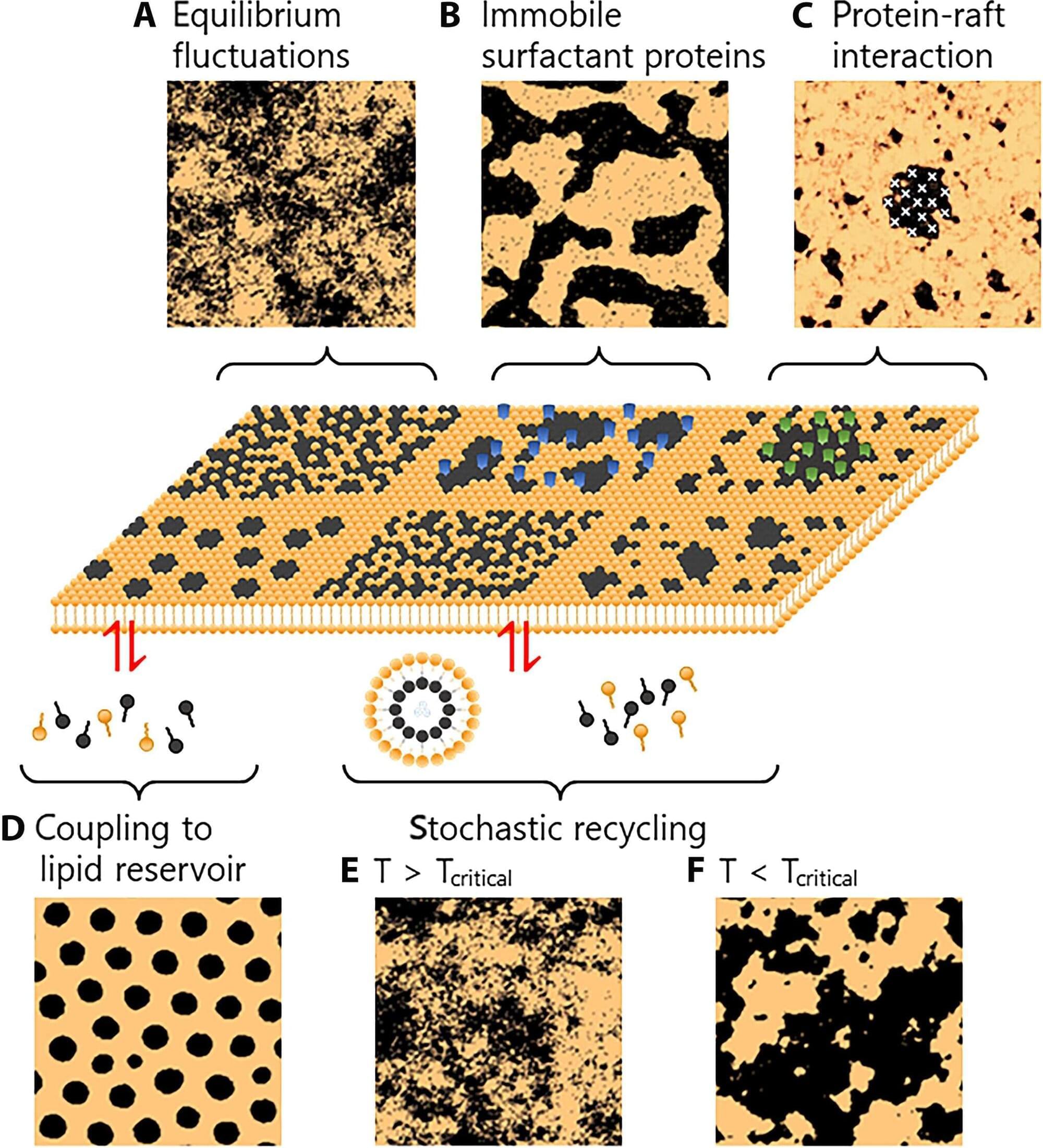
By combining atomic force microscopy (AFM) with a Hadamard product–based image reconstruction algorithm, the researchers successfully visualized, for the first time, the nanoscopic dynamics of membrane rafts in live cells—making visible what had long remained invisible on the cell membrane.

Membrane rafts are nanometer-scale structures rich in cholesterol and sphingolipids, believed to serve as vital platforms for cell signaling, viral entry, and cancer metastasis. Since the concept emerged in the 1990s, the existence and behavior of these lipid domains have been intensely debated.

The world’s first room-temperature continuous-wave UV-B laser diode on a sapphire substrate

Ultraviolet-B (UV-B) semiconductor lasers are highly sought for medical, biotechnology, and precision manufacturing applications; however, previous UV-B laser diodes were limited to pulsed operation or required cryogenic cooling, making continuous room-temperature operation unattainable.

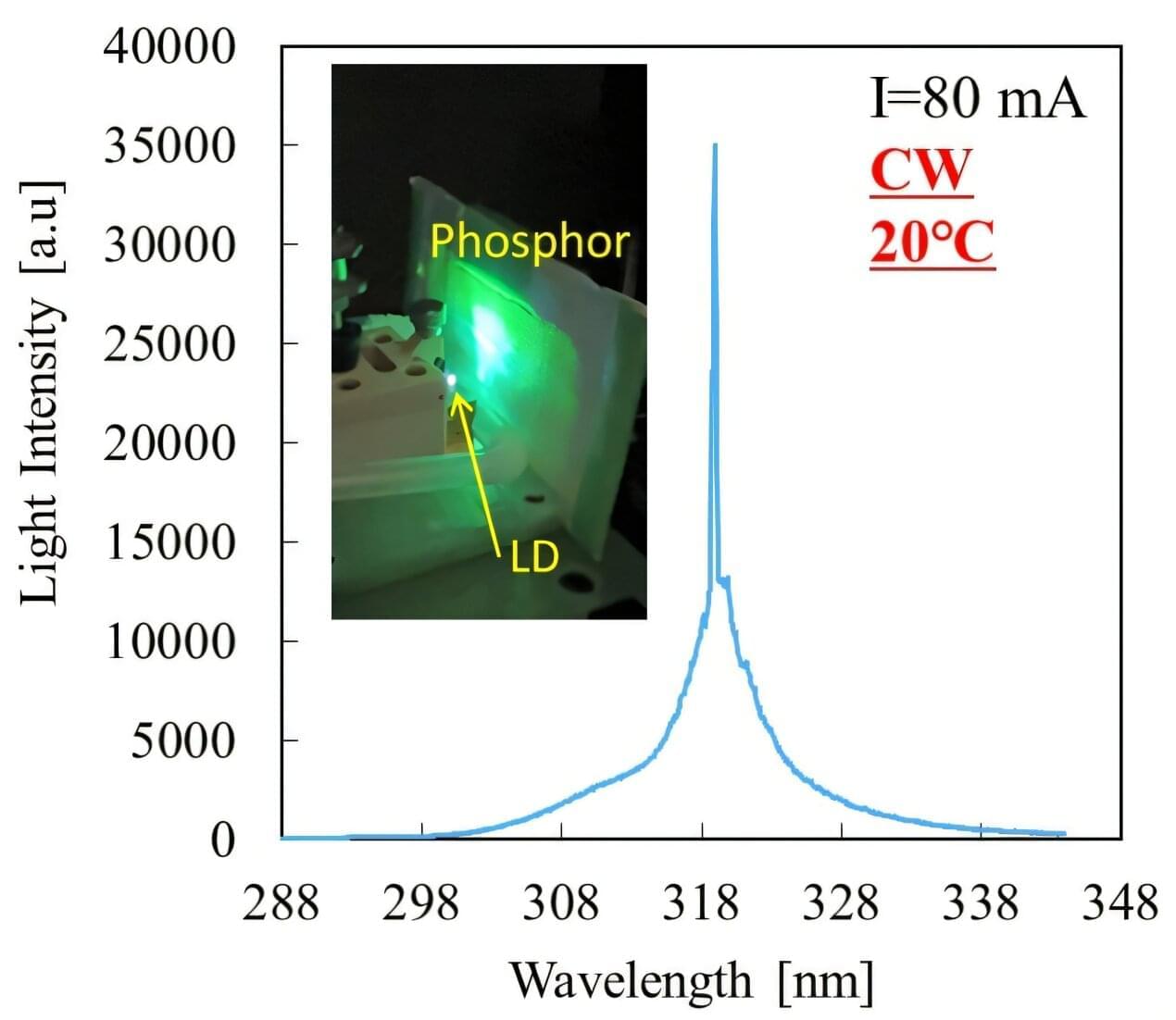
Researchers in Japan report the world’s first continuous-wave UV-B semiconductor laser diode operating at room temperature on a low-cost sapphire substrate.

This breakthrough advances compact, energy-efficient UV light sources, potentially replacing bulky gas-based lasers in health care, industrial, and scientific research applications worldwide.

Building the world’s first open-source quantum computer

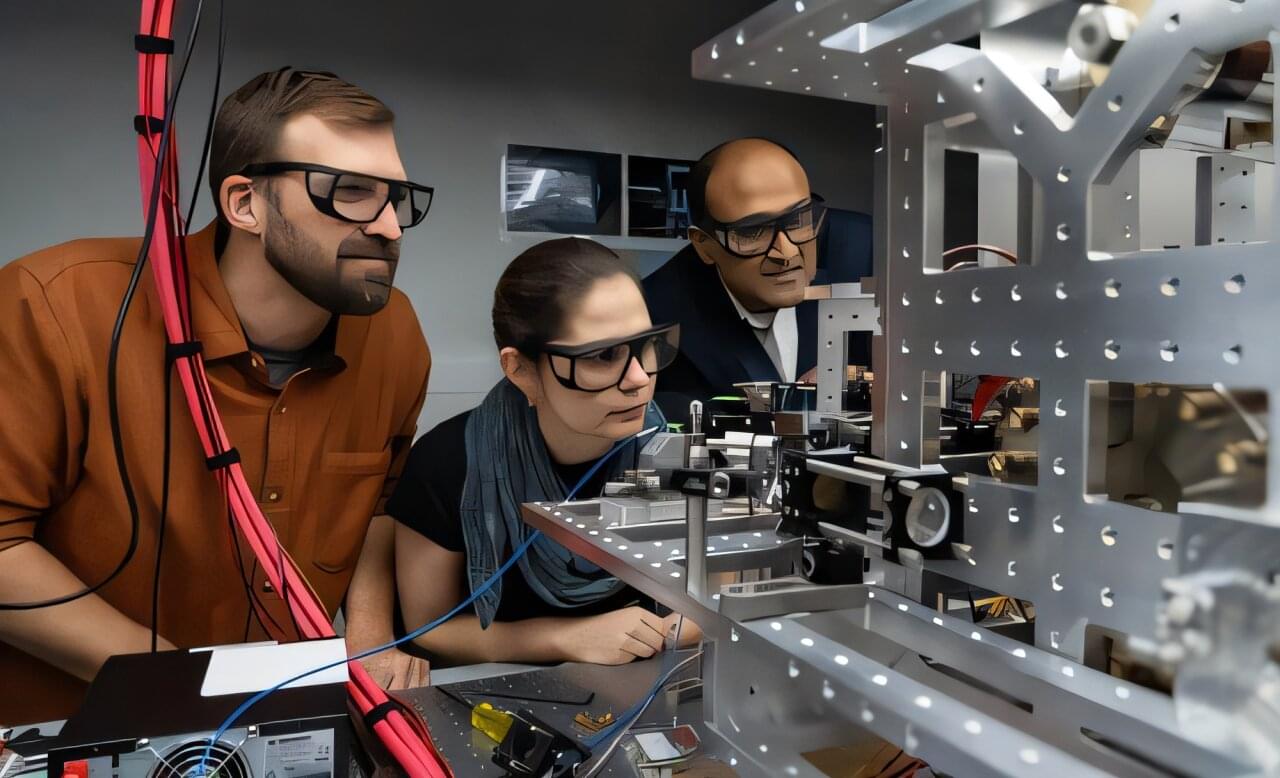
Researchers from the University of Waterloo’s Faculty of Science and the Institute for Quantum Computing (IQC) are prioritizing collaboration over competition to advance quantum computer development and the field of quantum information. They are doing this through Open Quantum Design (OQD), a non-profit organization that boasts the world’s first open-source, full stack quantum computer.

OQD was co-founded in 2024 by faculty members in the Department of Physics and Astronomy and IQC, Drs. Crystal Senko, Rajibul Islam and Roger Melko, alongside CEO Greg Dick (BSc ‘93).

The group is helping reshape how quantum research is shared, opening doors for the next generation of quantum scientists, and even seeding new quantum startups.

Ultrafast spectroscopy reveals step-by-step energy flow in germanium semiconductors

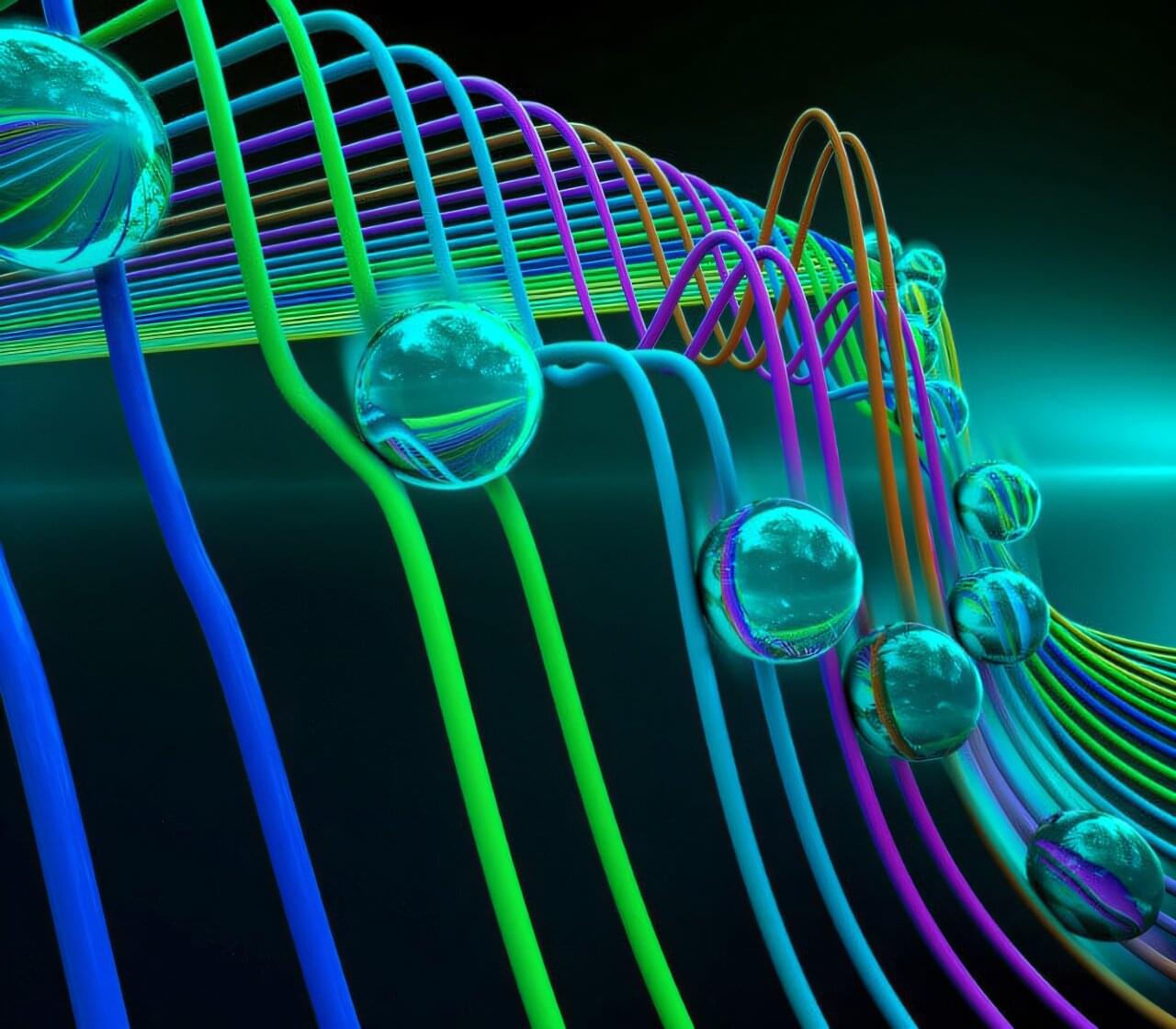
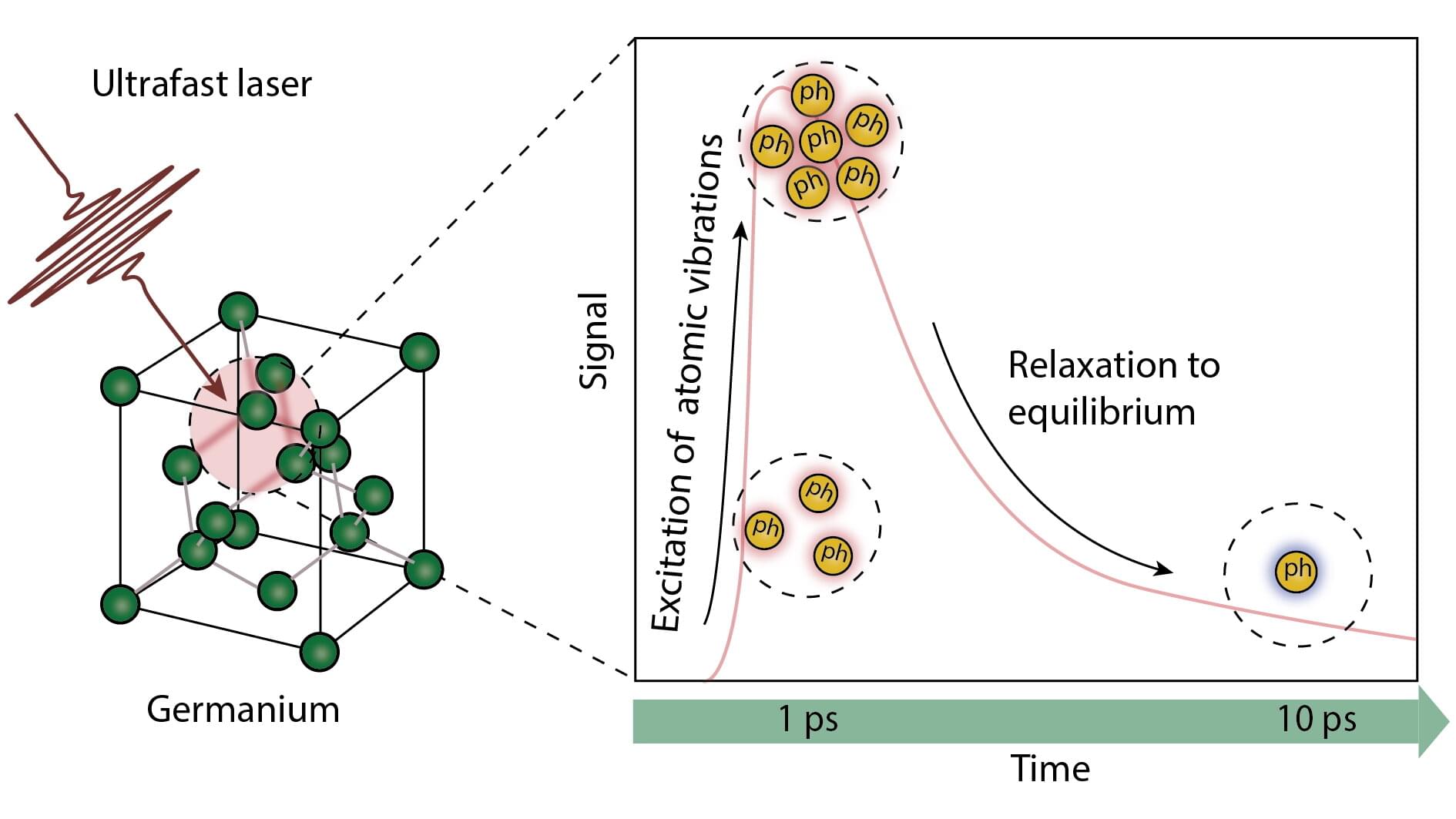
Whether in a smartphone or laptop, semiconductors form the basis of modern electronics and accompany us constantly in everyday life. The processes taking place inside these materials are the subject of ongoing research. When the electrons in a semiconductor material are activated using light or an electrical voltage, the excited electrons also set the atomic lattice in motion. This results in collective vibrations of the atoms, known as phonons or lattice vibrations, which interact with each other and with the electrons themselves.

These tiny lattice vibrations play a vital role in how energy flows and dissipates through the material—in other words, in how efficiently the energy is redistributed and how strongly the material heats up. Different approaches can be used to control and monitor the propagation of lattice vibrations—and therefore to make the semiconductor more effective and more efficient.

Detailed knowledge of the mechanisms of energy loss and potential overheating is essential in order to design new materials and devices that heat up less, recover faster or respond to external excitation more precisely. A team led by Professor Ilaria Zardo from the University of Basel reports on the unprecedented accuracy they achieved in measurements of energy flow processes within the semiconductor germanium, which is frequently used in computer technology. Their paper is published in Advanced Science.

First direct evidence of Migdal effect opens new path for dark matter search

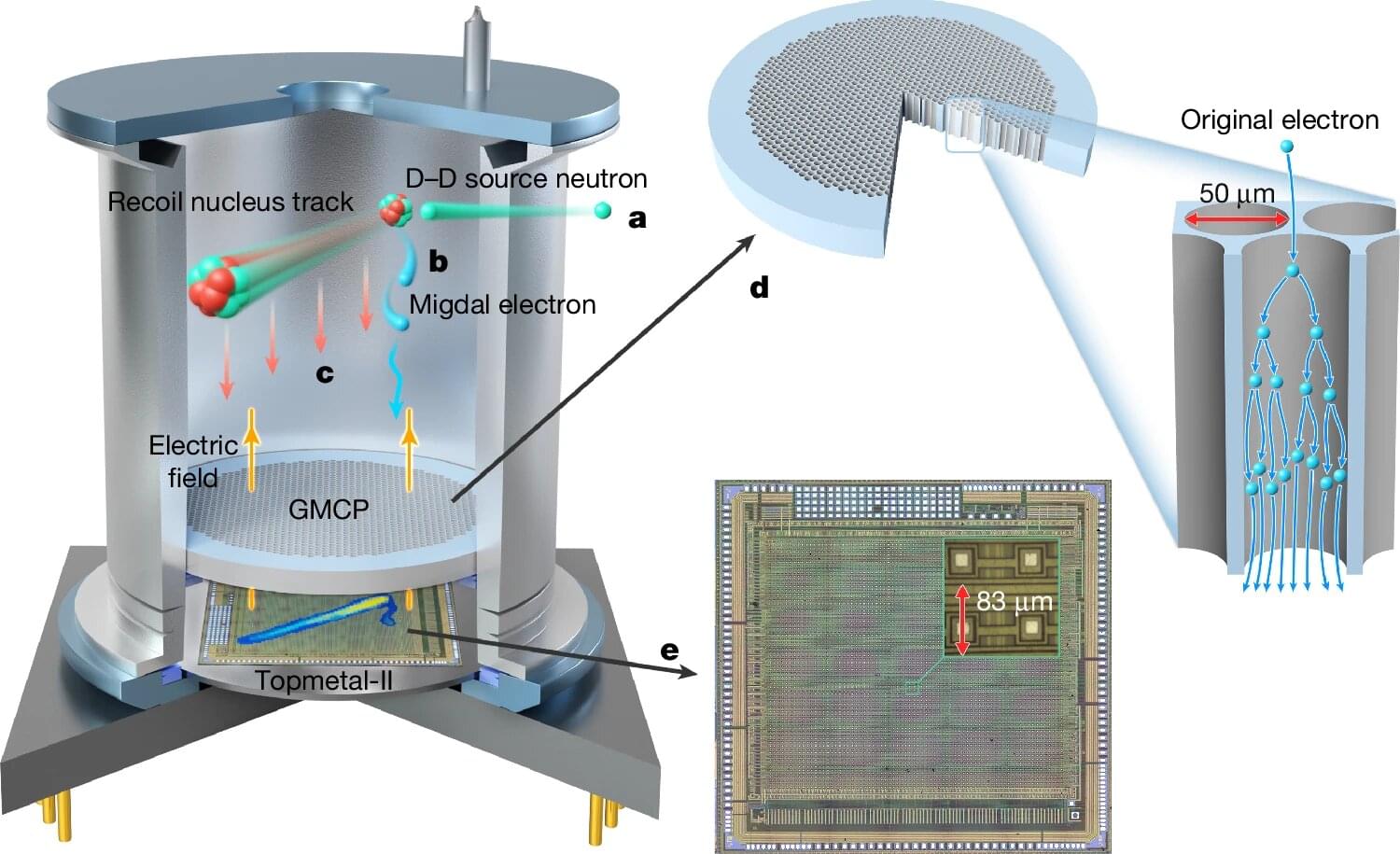
In a landmark discovery that bridges nearly a century of theoretical physics, a Chinese research team has successfully captured the first direct evidence of the Migdal effect, a breakthrough with profound implications for probing dark matter—the invisible substance thought to make up roughly 85% of the universe.

The finding, published in the journal Nature, confirms a prediction made in 1939 by Soviet physicist Arkady Migdal: When an atomic nucleus suddenly gains energy—for instance, from a collision with a neutral particle (like a neutron or a dark matter candidate)—and recoils, the rapid shift in the atom’s internal electric field can eject one of its orbiting electrons.

For nearly nine decades, this “electron ejection” process remained purely theoretical. Direct evidence proved elusive because the effect occurs on an incredibly tiny scale and is easily masked by background noise from cosmic rays and natural radiation.

/* */