Toggle light / dark theme

Get the latest international news and world events from around the world.

Log in for authorized contributors

Chinese state hackers target telcos with new malware toolkit

A China-linked advanced persistent threat actor tracked as UAT-9244 has been targeting telecommunication service providers in South America since 2024, compromising Windows, Linux, and network-edge devices.

According to Cisco Talos researchers, the adversary is closely associated with the FamousSparrow and Tropic Trooper hacker groups, but is tracked as a separate activity cluster.

This assessment has high confidence and is based on similar tooling, tactics, techniques, and procedures (TTPs), and victimology observed in attacks attributed to the threat actors.

Spyware-grade Coruna iOS exploit kit now used in crypto theft attacks

A previously undocumented set of 23 iOS exploits named “Coruna” has been deployed by multiple threat actors in targeted espionage campaigns and financially motivated attacks.

The Coruna kit contains five full iOS exploit chains, the most sophisticated leveraging non-public techniques and mitigation bypasses, for iOS versions 13.0 through 17.2.1 (released in December 2023).

Google Threat Intelligence Group (GTIG) researchers first observed activity related to the Coruna exploit kit in February 2025, in activity attributed to a surveillance vendor customer.

WordPress membership plugin bug exploited to create admin accounts

Hackers are exploiting a critical vulnerability in the User Registration & Membership plugin, which is installed on more than 60,000 WordPress sites.

Developed by WPEverest, the plugin provides membership and user registration management features, including custom forms, payment integrations with PayPal and Stripe, bank transfers, and analytics.

The security vulnerability is tracked as CVE-2026–1492 and received a critical severity rating of 9.8. Because the plugin accepts a user-supplied role during membership registration, hackers can create administrator accounts without authentication.

Ribosome organization during stress!

“Surprisingly, the two ribosomes are not held together by proteins, as is common in bacteria. Instead, the connection is made by a specific piece of ribosomal RNA called an expansion segment”, explains one of the lead authors.

Expansion segments are long, flexible RNA “tentacles” that protrude from ribosomes and have grown larger over the course of evolution. Although they are a prominent feature of animal ribosomes, their functions only just started to emerge. This study now shows that one particular expansion segment, called “31b”, is both necessary and sufficient to link ribosomes together during stress. At the molecular level, the expansion segment forms a precise RNA-RNA interaction — a so-called “kissing loop” — in which identical RNA loops bind each other through complementary sequences. Disrupting this interaction prevents disome formation, stunts cellular growth and makes cells more sensitive to stress. Science Mission sciencenewshighlights.


Ribosomes, the cell’s protein-making factories, consume large amounts of energy as they build the proteins that keep cells alive and functioning. When cells experience stress — such as lack of nutrients or sudden drops in temperature — they quickly switch into survival mode. New research now reveals an unexpected way cells manage this transition: By pairing up inactive ribosomes using a ribosomal RNA link. This RNA-based mechanism reveals a previously unknown role for ribosomal RNA in the cellular stress response.

Ribosomes are large molecular machines made of protein and RNA that build all proteins in the cell. Because protein production is extremely energy-intensive, cells rapidly reduce protein synthesis when stressed. It has long been known that bacterial cells pair their inactive ribosomes into so-called “hibernating disomes” however, such structures had not previously been identified in animal cells.

Using advanced imaging techniques, the team discovered that stressed animal cells — including neurons — assemble inactive ribosomes into tightly linked pairs, known as disomes. These ribosome pairs are not accidental collisions or artifacts, but a regulated and reversible response to stress. The new study was published in Science.

Alzheimer’s may start with inflammation in the skin, lungs or gut

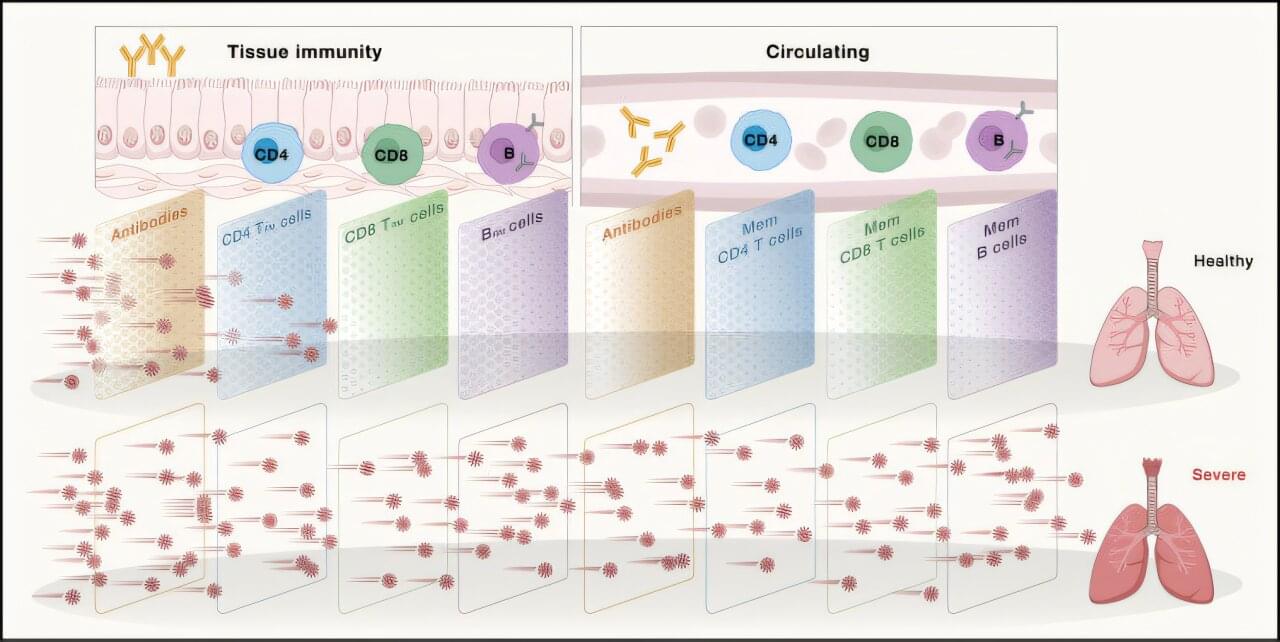
Alzheimer’s disease has long been viewed as something that originates inside the brain, but an in-depth genomic analysis suggests it may initially triggered by inflammation in distant organs like the skin, lungs or gut – perhaps decades before a person’s memory starts to decline.

This radical reframing of the disease may explain why Alzheimer’s drugs have been disappointing to date, because they act too late in the disease process. Instead, we may need to redirect our efforts towards addressing inflammation in other parts of the body.

“As neuroscientists, we tend to be very brain-centric, but this study really shines a spotlight on the fact that the brain is not disconnected from the rest of the body, and when changes happen in the rest of the body, it affects how the brain functions,” says Donna Wilcock at Indiana University, who wasn’t involved in the research. “Even though Alzheimer’s is a brain disease, we need to think about the whole body when we think about how it begins.”

Image: Alamy


The Alzheimer’s field is being turned on its head as mounting evidence points to the disease beginning outside the brain many years before symptoms start. This may mean we have to totally rethink how we approach preventing and treating the condition.

By Alice Klein

In older adults, AML often follows clonal hematopoiesis mutations

However, the pathogenic contribution of PTPN11 mutations has been unclear.

John C. Byrd & team reveal PTPN11 mutations in AML can be early events in the clonal evolution of disease development and are associated with variably differentiated myeloid cells, based on human and murine studies:

The figure shows lower survival of the Npm1cA/Ptpn11E76K mouse model.


1Medical Scientist Training Program, The Ohio State University, Columbus, Ohio, USA.

2Department of Internal Medicine, University of Cincinnati, Cincinnati, Ohio, USA.

3Division of Experimental Hematology and Cancer Biology, Cincinnati Children’s Hospital, Cincinnati, Ohio, USA.

MARK2 serves as a key regulator of host antiviral immunity through GEF-H1 phosphorylation

Key cytoplasmic sensors, including the RNA sensors RIG-I and melanoma differentiation-associated gene 5 (MDA5), along with the DNA sensor cyclic GMP-AMP synthase (cGAS), specifically recognize viral RNA and DNA.6,7 Upon nucleic acid detection, PRR adaptors (TRIF, MAVS, and STING) recruit kinases such as TBK1 and IKKε to initiate downstream signaling cascades.8,9,10 This process leads to the phosphorylation and activation of the transcription factor interferon regulatory factor 3 (IRF3), which subsequently translocates from the cytoplasm to the nucleus to trigger type I interferon (IFN-I; IFN-α/β) expression.11,12,13 The secreted IFNs then activate pathways that culminate in the expression of interferon-stimulated genes (ISGs), establishing an antiviral state in host cells.13

Guanine nucleotide exchange factor H1 (GEF-H1), encoded by Arhgef2, is a microtubule-associated protein (MAP) and plays a pivotal role in diverse cellular processes, including epithelial barrier permeability, cell cycle regulation, cell motility, polarization, and leukemic cell differentiation.14 Beyond its structural role, GEF-H1 contributes to inflammatory cytokine production, intracellular mycobacterial elimination, and macrophage-mediated antiviral defenses.15,16 Activation of GEF-H1 enhances RLR signaling through its interaction with TBK1, thereby promoting IFN-β induction in macrophages via a microtubule-dependent mechanism.15 Its regulation also extends beyond microtubule binding and involves phosphorylation-dependent mechanisms and dynamic protein-protein interactions.17,18,19,20,21,22,23 The RhoA-specific GEF activity of GEF-H1 is inhibited by its phosphorylation at Ser886 and Ser959, which is mediated by microtubule affinity-regulating kinase 2 (MARK2).24 Notably, here, MARK2 was also screened out to interact with GEF-H1 by immunoprecipitation and mass spectrometry (IP-MS) assays in A549 cells. MARK2 belongs to the evolutionarily conserved KIN1/PAR-1/MARK family of serine/threonine kinases, which are crucial for microtubule stability and cellular polarity from yeast to humans.25 All mammalian MARK family members (MARK1–4) share a conserved architecture, featuring an N-terminal catalytic domain, a central ubiquitin-associated domain, and a C-terminal kinase-associated domain.26,27 These kinases regulate microtubule dynamics by phosphorylating key MAPs, including TAU, MAP2, and MAP4.28,29 However, their roles in viral infections remain poorly understood.30

Given the importance of phosphorylation-dependent signaling in antiviral responses, we hypothesized that MARK2 may modulate innate immunity through interacting with GEF-H1. To test this, we employed a combination of in vitro and in vivo approaches, including MS-based interactome profiling, reporter gene assays, gene editing via CRISPR-Cas9, in vitro kinase assays, viral infection models in primary macrophages and cell lines, and mouse models of RNA and DNA virus infection. By elucidating the functional significance of the MARK2-GEF-H1-TBK1 signaling axis, this study aims to reveal a previously uncharacterized layer of innate immune regulation and identify potential targets for broad-spectrum antiviral strategies.

The Day the Sky Wouldn’t Stop Exploding: the Mystery of the Ultra-Long Gamma-Ray Burst

On July 2, 2025, space telescopes monitoring the sky for brief, one-and-done flashes of high-energy light saw something that nobody expected: a gamma-ray burst (GRB) that came back again and again, stretching what is usually a single “burst” lasting seconds to minutes into an all-day event. NASA’s Fermi spacecraft triggered on multiple gamma-ray episodes from the same patch of sky over several hours, and other satellites soon reported compatible detections. Compared to the known population of GRBs that have been studied for decades, this was an outlier beast of a different species.

At first, the event’s location near the crowded plane of the Milky Way made it tempting to suspect something closer to home, located in our own Galaxy. But follow-up imaging overturned that assumption. Observations with the Very Large Telescope (VLT) in Chile narrowed down the position and, together with Hubble and JWST, revealed that the transient was coincident with a dusty, irregular host galaxy. The distance is extreme: the light from the explosion began its journey roughly 8 billion years ago. In other words, whatever happened was not a local flare—it was a truly cosmic-scale detonation, or, rather, a string of detonations.

The duration of this event was not the only weird thing about it. Archival data showed that low-energy X-rays were already present almost a day before the main gamma-ray fireworks—an “X-ray precursor” that is hard to reconcile with standard models of GRBs. Meanwhile, the gamma-ray behavior itself looked like a stuttering engine. Fermi detected a sequence of short flares separated by long gaps, collectively implying multi-hour activity from a central engine rather than the single, clean explosion typical of such events.

/* */