Multiple myeloma is the second most common blood cancer in adults. It starts in the white blood cells that are responsible for creating antibodies that help the body fight infections. Once the myeloma cells begin to multiply, it makes it harder for the blood cells to function properly. There are effective treatments for multiple myeloma, including immunotherapies that can significantly extend survival; however, in some, the cancer cells become treatment resistant.
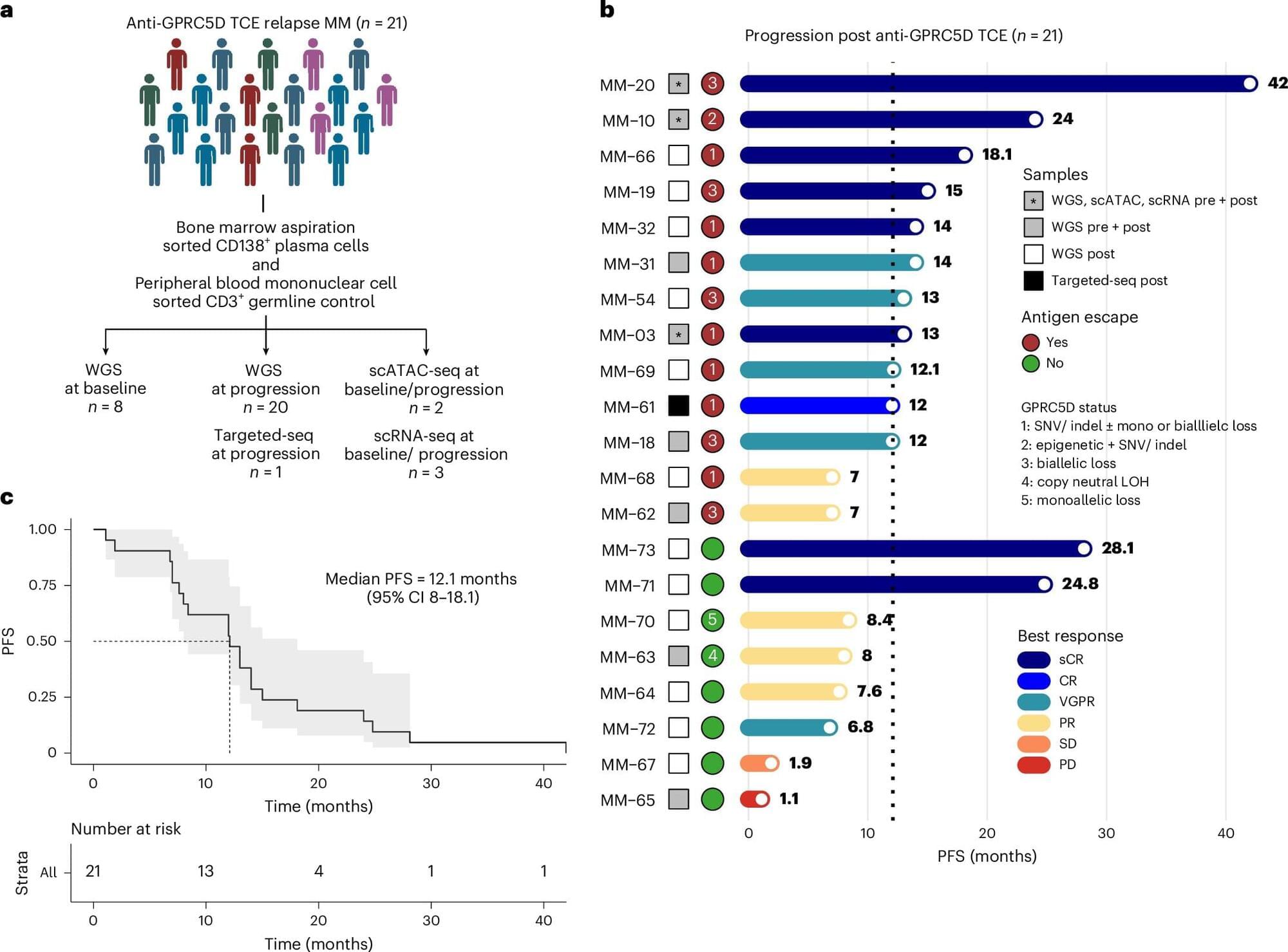
A University of Calgary study led by members of the Arnie Charbonneau Cancer Institute, published in Nature Medicine, takes a closer look at why patients often relapse after immunotherapy by studying how the myeloma cells adapt to treatment. By understanding how the cancer builds resistance, future treatments can be designed to take this into account with the goal of preventing another relapse.
“Multiple myeloma tumor cells are highly adaptable under therapeutic pressure,” says Dr. Holly Lee, MD, Ph.D., a clinical assistant professor at the Cumming School of Medicine and first author on the study. “A treatment could be incredibly effective, bringing disease bulk down from about 100% to about 1% to 2% but all it took was that one to two percent of the cells that were left to adapt and cause this relapse in patients.”