CERT-UA reports PLUGGYAPE malware attacks targeting Ukrainian defense forces via Signal and WhatsApp, using phishing links and evolving backdoors.


Microsoft has resolved a known issue that was causing security applications to incorrectly flag a core Windows component, the company said in a service alert posted this week.
The list of affected systems is quite extensive and includes both client (Windows 10 and Windows 11) and server (Windows Server 2012 through Windows Server 2025) platforms.
According to widespread user reports over the past several months, third-party security software flagged Windows assets, including WinSqlite3.dll, a dynamic link library (DLL) included with the Windows system libraries that implements the SQLite database engine, as vulnerable to attacks exploiting a memory corruption vulnerability (CVE-2025–6965).

Google appears to be testing a new feature that integrates Gemini into Chrome for Android, allowing you to use agentic browser capabilities on your mobile device.
As spotted by Leo on X, Google is testing agentic capabilities and Gemini integration for Chrome on Android.
This claim is based on new references spotted on Chromium, which is the source code of Chrome.

Google is rolling out ‘Personal Intelligence,’ a new Gemini feature that pulls your data from Gmail, Photos, Google Search, and other products.
There are a couple of use cases for Personal Intelligence. Instead of offering generic answers, Gemini can use details from places you already store them.
This makes the whole experience more ‘personal.’

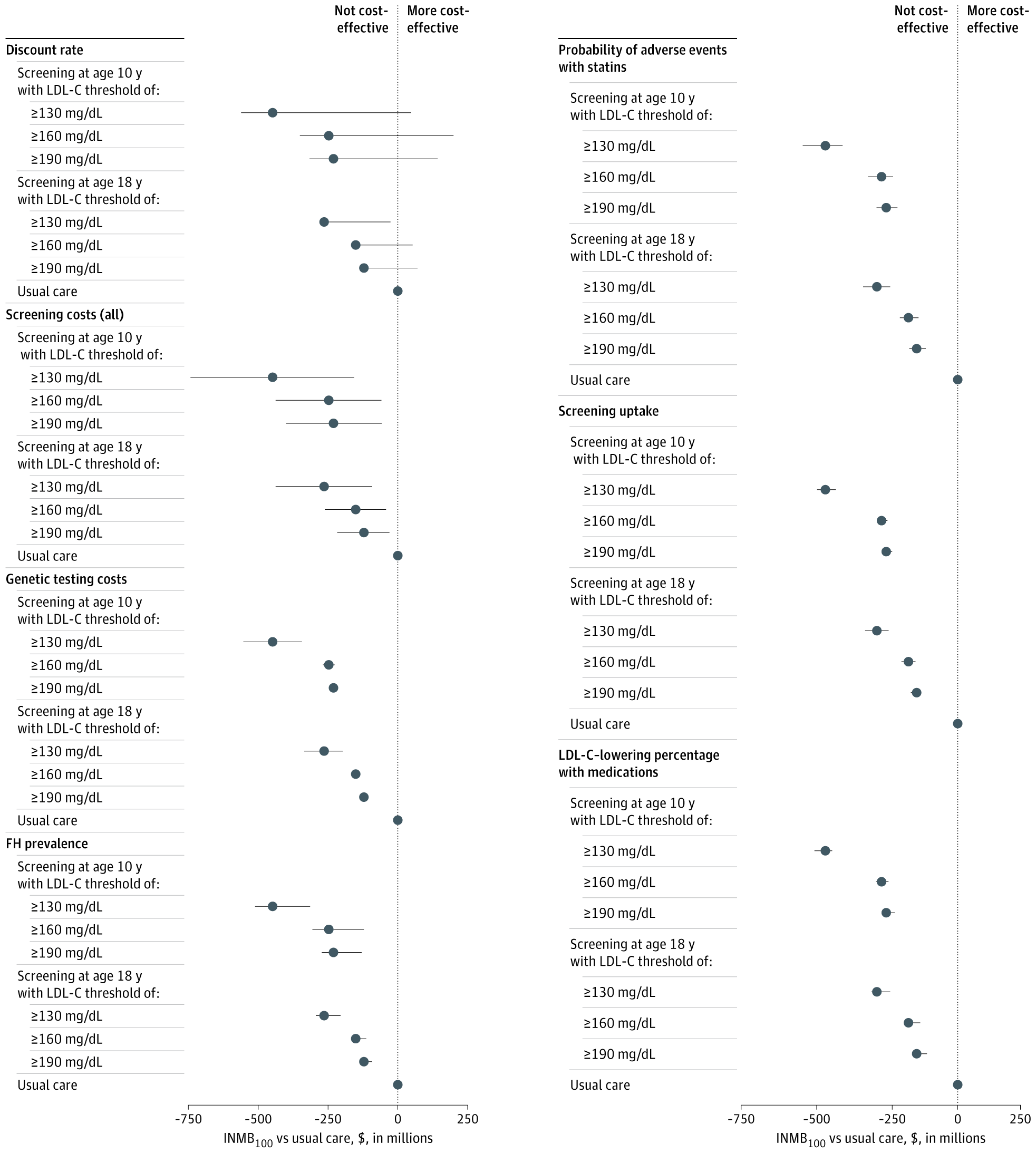
Sequential childhood or early adulthood screening for familial hypercholesterolemia may lower lifetime CVD risk, but is unlikely to be cost-effective unless ongoing follow-up for elevated cholesterol is widely implemented.
This study uses a computer model to estimate the cost-effectiveness of sequential familial hypercholesterolemia screening at age 10 or 18 years using 3 low-density lipoprotein cholesterol (LDL-C) thresholds.

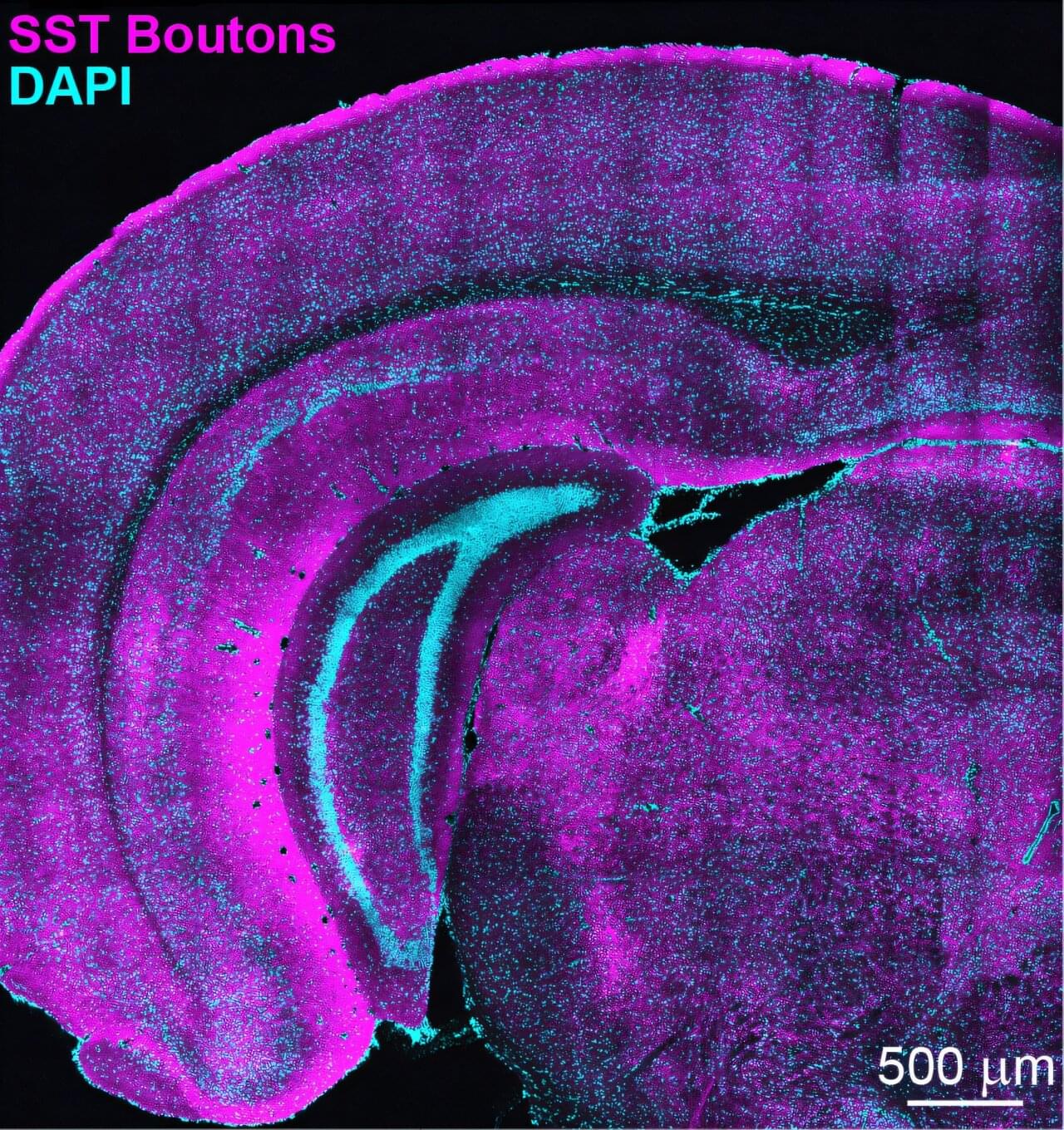
The way the brain develops can shape us throughout our lives, so neuroscientists are intensely curious about how it happens. A new study by researchers in The Picower Institute for Learning and Memory at MIT that focused on visual cortex development in mice, reveals that an important class of neurons follows a set of rules that while surprising, might just create the right conditions for circuit optimization.
During early brain development, multiple types of neurons emerge in the visual cortex (where the brain processes vision). Many are “excitatory,” driving the activity of brain circuits, and others are “inhibitory,” meaning they control that activity. Just like a car needs not only an engine and a gas pedal, but also a steering wheel and brakes, a healthy balance between excitation and inhibition is required for proper brain function.
During a “critical period” of development in the visual cortex, soon after the eyes first open, excitatory and inhibitory neurons forge and edit millions of connections, or synapses, to adapt nascent circuits to the incoming flood of visual experience. Over many days, in other words, the brain optimizes its attunement to the world.