Toggle light / dark theme

Get the latest international news and world events from around the world.

Log in for authorized contributors

Quantum effect could power the next generation of battery-free devices

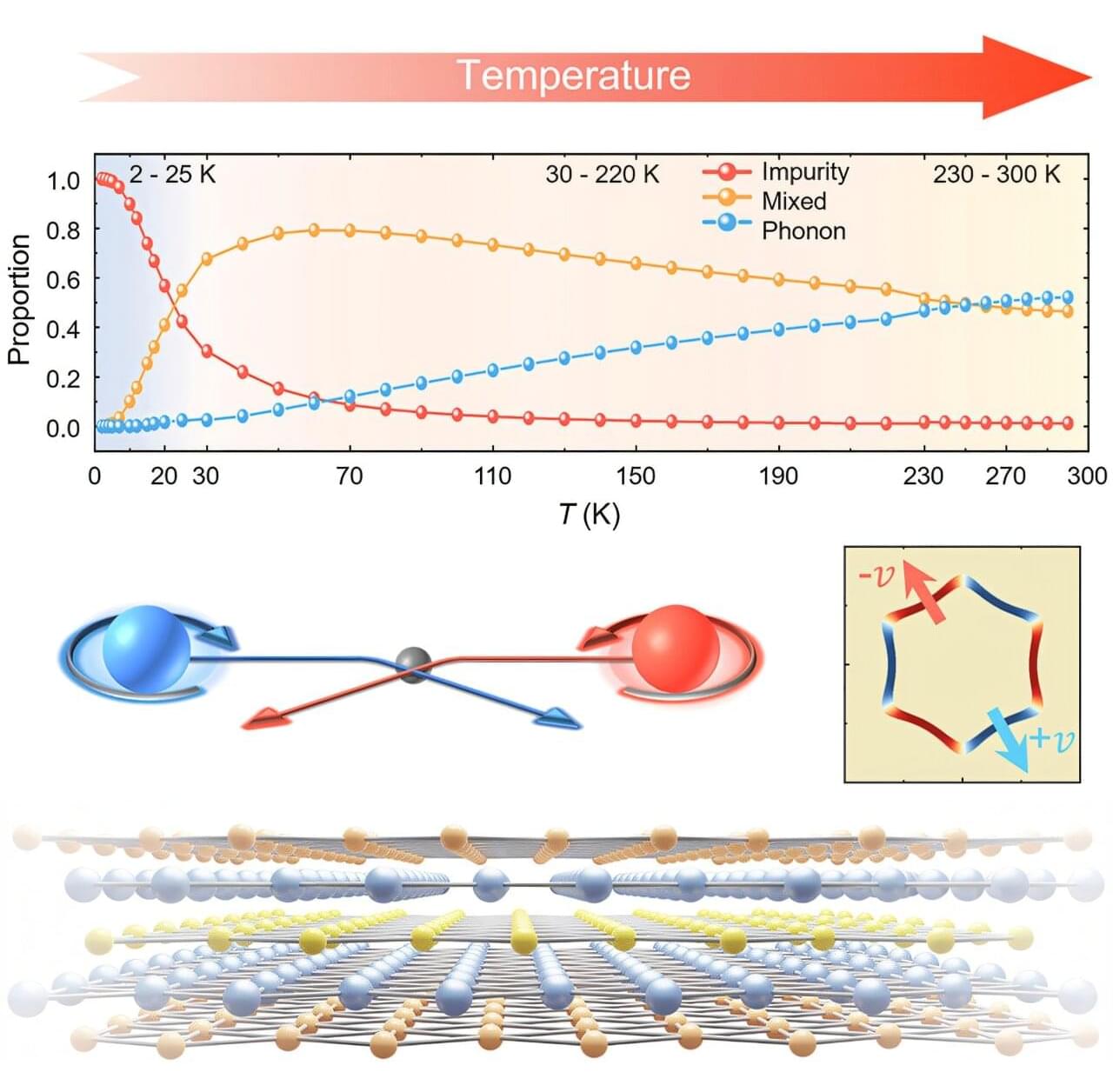
A new study has revealed how tiny imperfections and vibrations inside a promising quantum material could be used to control an unusual quantum effect, opening new possibilities for smaller, faster, and more efficient energy-harvesting devices.

The international team, led by Professor Dongchen Qi from the QUT School of Chemistry and Physics and Professor Xiao Renshaw Wang from Nanyang Technological University in Singapore, studied the mechanism governing the so-called nonlinear Hall effect (NLHE). The research is published in the journal Newton.

Unlike the classical Hall effect, this quantum version allows alternating electrical signals, like those found in wireless or ambient energy sources, to be converted directly into usable direct current without the need for traditional diodes or bulky components.
Major gap in Earth’s rock record likely due to tectonics—not glaciers

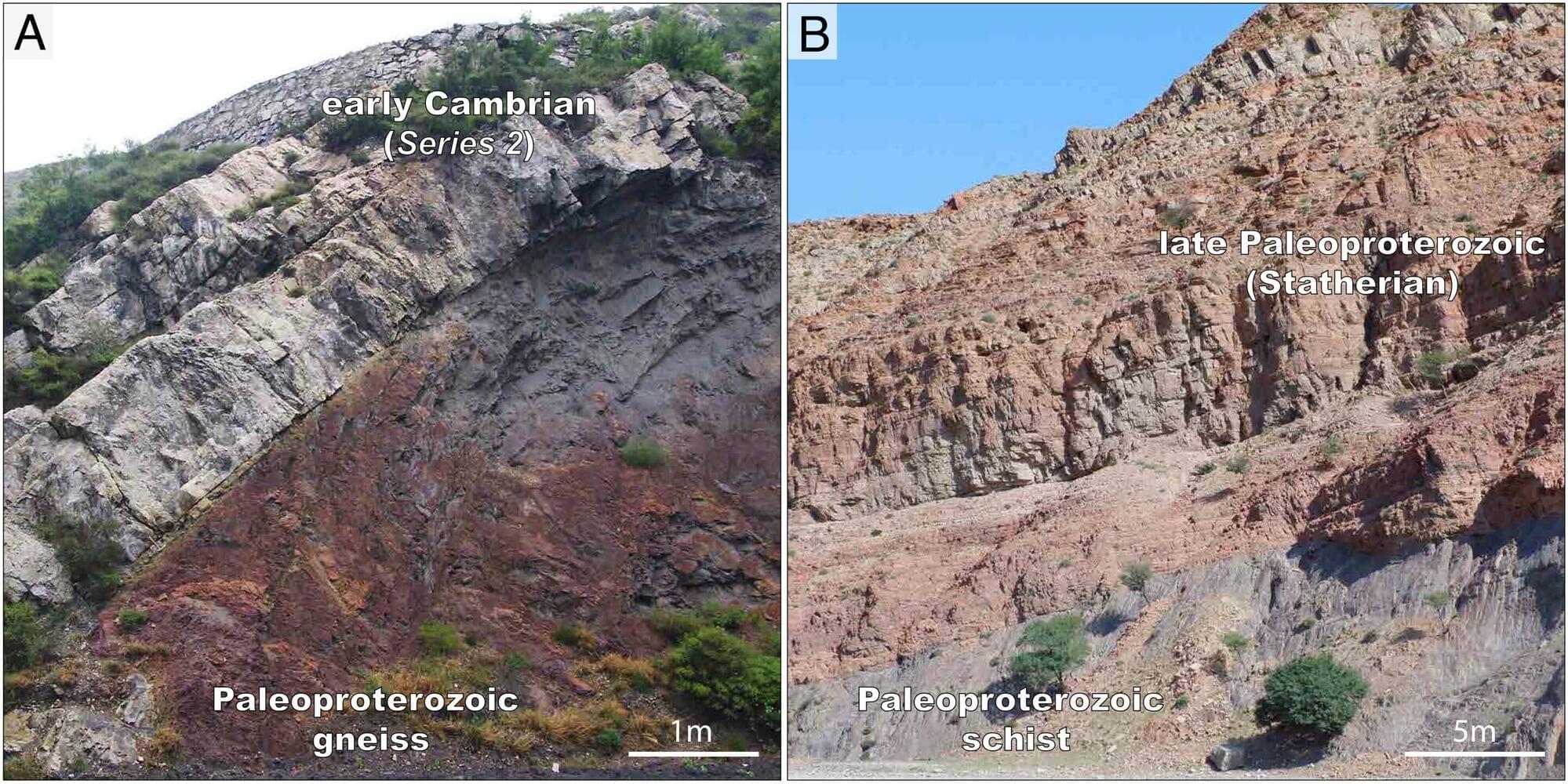
The Great Unconformity is a major gap in Earth’s geologic record. The missing layer between Precambrian and Cambrian rocks represents a gap of around a billion years of history. Among much debate surrounding the cause of the gap, a new study, published in the Proceedings of the National Academy of Sciences, indicates that the timing of the erosion leading to the Great Unconformity aligns with the assembly of the Columbia supercontinent, and that glaciation only contributed minimally.

The origin of the Great Unconformity is debated among geologists. Some believe evidence points to the ancient glaciation associated with “snowball Earth,” which occurred around 700 million years ago, is to blame. Others think tectonic processes associated with Columbia and Rodinia supercontinent cycles are the main cause.

The Great Unconformity was first recognized in the layers of the Grand Canyon, and many subsequent studies took place there to attempt to determine a cause. Those studies showed variable timing and mechanisms. The authors of the new study think that the evidence for Neoproterozoic-period snowball Earth glaciation causing the unconformity at such large scales is weak.

Surprise solar eruptions on sun’s far side validate new forecasting method

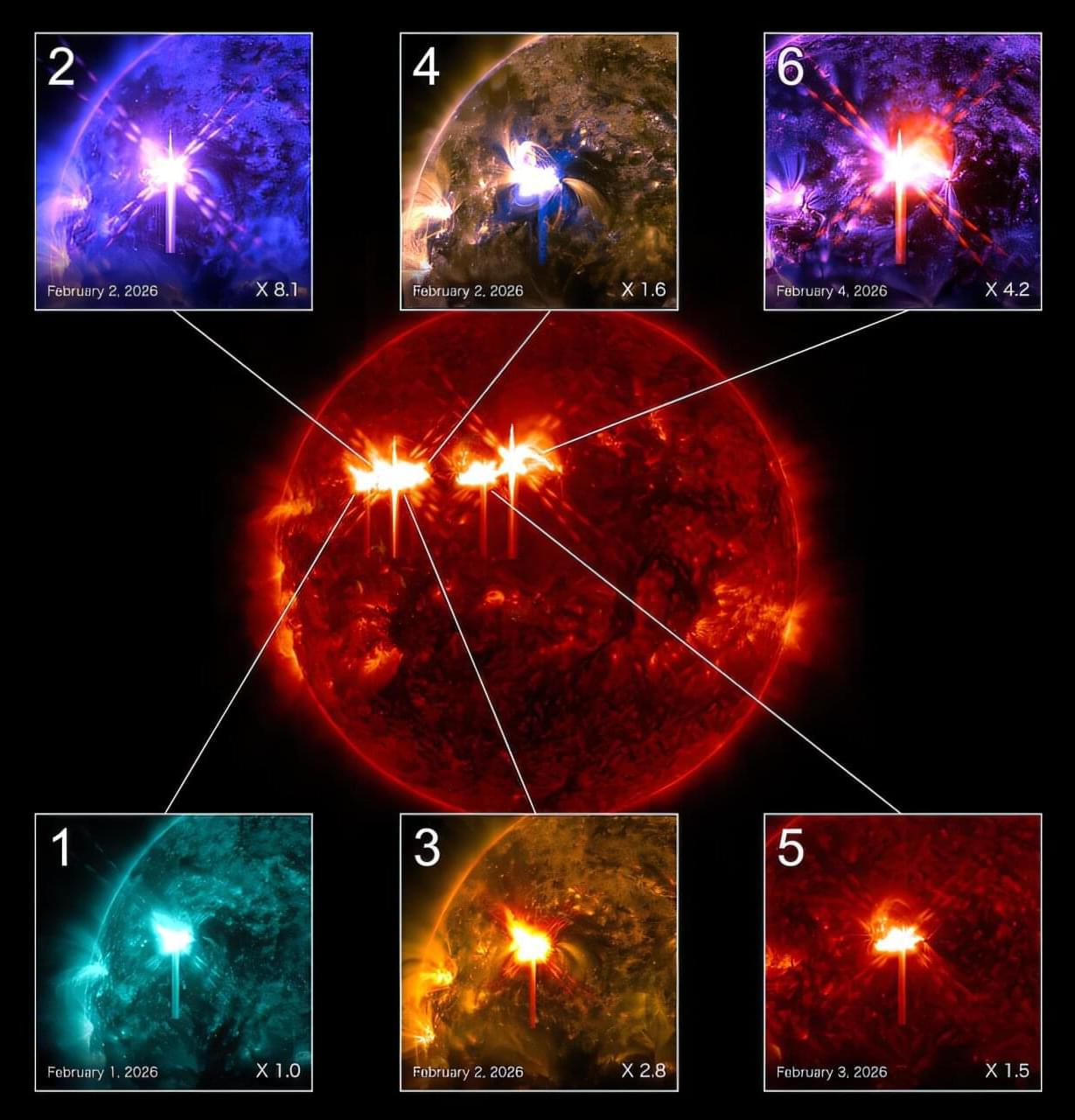
Co-author Dr. Willie Soon, from the Center for Environmental Research and Earth Sciences (CERES), added, “Nature gave us the perfect test. These far-side discoveries essentially validated our method in real time, proving that the underlying patterns we identified are reliable and work everywhere on the sun’s surface.”

Solar superflares are the most powerful eruptions the sun can produce. A direct hit from one of these storms could cause widespread power outages, damage satellites, disrupt GPS navigation, interfere with radio communications, and create radiation hazards for astronauts and airline passengers at high altitudes.

How AI can improve the quality of peer review

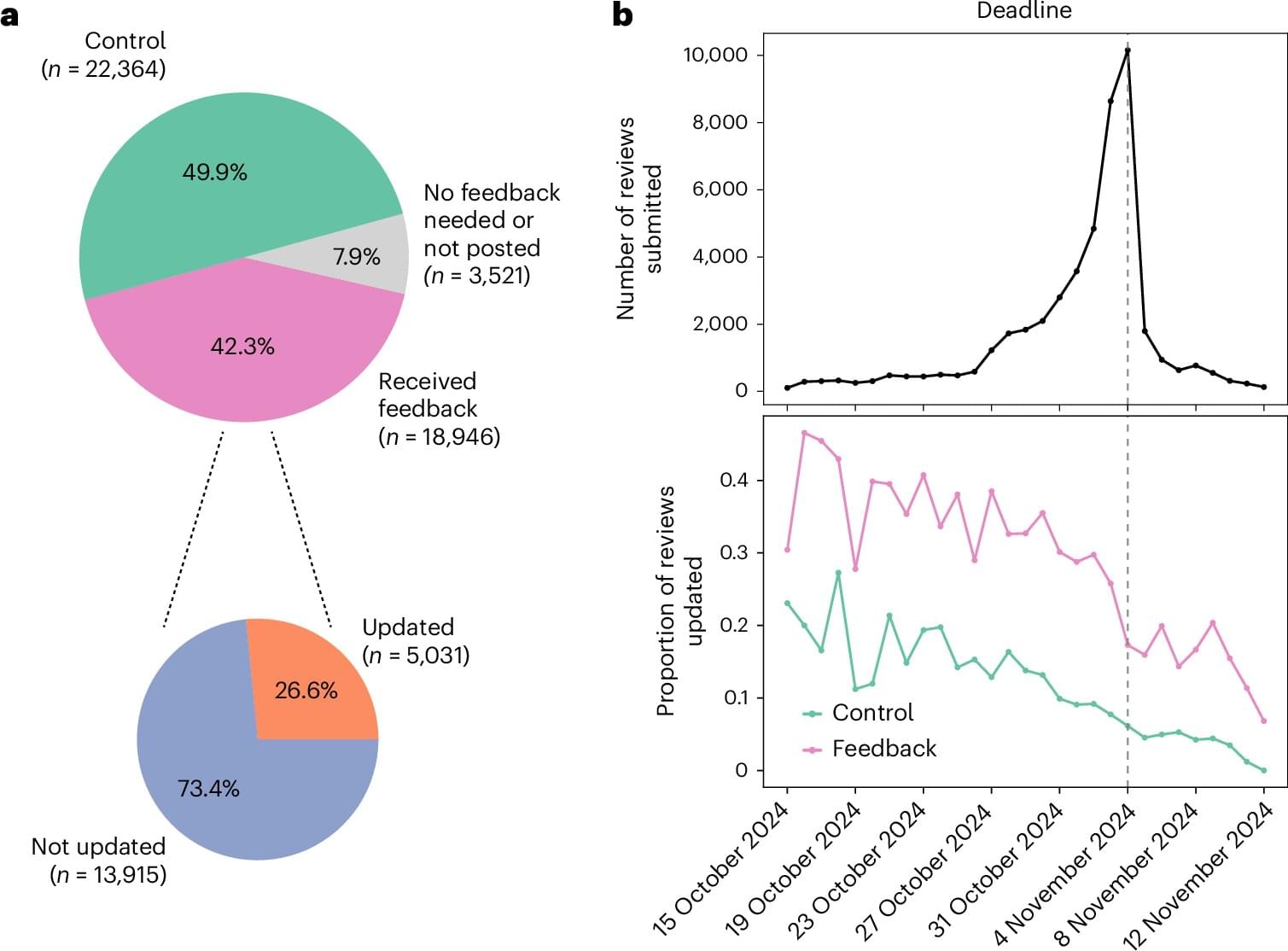
A new AI coach for scientists has been shown to significantly improve the quality of peer reviews, making them clearer and more helpful for authors. Peer review is essential to ensuring the integrity of scientific publications, but many researchers are dissatisfied with the quality of the feedback they receive. Common complaints include vague, short, and unhelpful reviews. For example, in a survey of 11,800 researchers, only 55.4% of respondents reported being satisfied with the quality of the feedback. The problem is exacerbated by the sheer volume of papers, which has left reviewers feeling overwhelmed.

But help for stressed-out reviewers may be at hand. A team of researchers has developed the Review Feedback Agent, a system that uses five large language models to scan reviews and provide private feedback to reviewers before the authors see them. They trained their AI reviewer by carefully prompting existing large language models, as they explain in a paper published in Nature Machine Intelligence.

The researchers tested their system in the paper review cycle before ICLR 2025, a leading conference in deep learning and machine learning. They randomly assigned around 20,000 reviews to receive AI feedback shortly after they were written. These automated “reviews of the reviews” were then sent back to the human reviewers as private feedback. Another 20,000 were placed in a control group that received no feedback at all.

Physicists develop new method to measure universe’s expansion rate

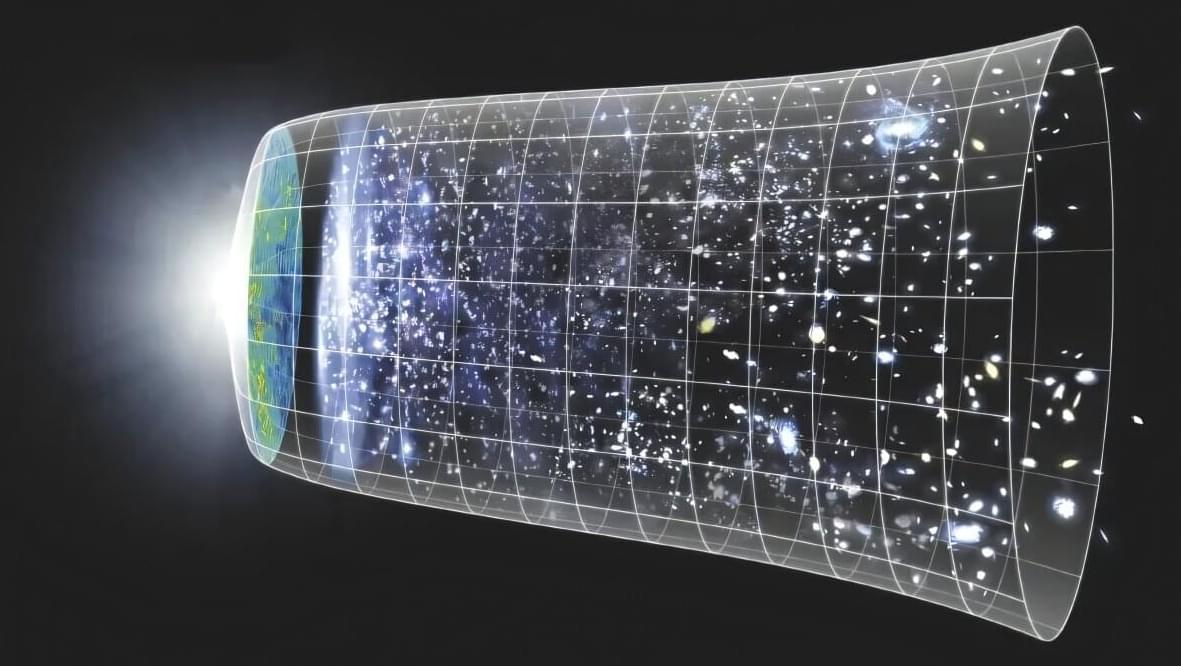
We have known for several decades that the universe is expanding. Scientists use multiple techniques to measure the present-day expansion rate of the universe, known as the Hubble constant. These methods are internally consistent and based on the same physics, so all observed values of the Hubble constant should agree. But those that come from early-universe datasets disagree with those that come from late-universe datasets. This problem is known as the Hubble tension and is considered to be one of the most significant open questions in cosmology.

Now a team of astrophysicists, cosmologists, and physicists at The Grainger College of Engineering at the University of Illinois Urbana-Champaign and at the University of Chicago has developed a novel way to compute the Hubble constant using gravitational waves—tiny ripples in the spacetime fabric. The researchers were able to improve upon the accuracy of prior gravitational-wave methods of measuring the Hubble constant. As our capability to observe gravitational waves improves in the future, this new method can be used to make even more accurate measurements of the Hubble constant, bringing scientists closer to resolving the Hubble tension.

Illinois Physics Professor Nicolás Yunes said, “This result is very significant—it’s important to obtain an independent measurement of the Hubble constant to resolve the current Hubble tension. Our method is an innovative way to enhance the accuracy of Hubble constant inferences using gravitational waves.” Yunes is the founding director of the Illinois Center for Advanced Studies of the Universe (ICASU) on the Urbana campus.

Why do microbes team up? A new model explains nutrient sharing in fluctuating environments

Depending on others for something you need may feel like a risky proposition—and perhaps a human one. It is actually a survival strategy found in the microbial world, and far more frequently than one might expect. Discovering why is key to understanding how microbes form stable communities across medical, industrial, and ecological settings.

A new study by bioengineering professor Sergei Maslov (CAIM co-leader), computational scientist Ashish George, and biology professor Tong Wang explores why interdependence can be such a winning move for microbial communities. Their work, published in Cell Systems, demonstrated that a mathematical model of how bacteria produce and share resources accurately predicted the outcome of experiments with living E. coli strains.

The researchers’ collaboration began during their time as colleagues at the Carl R. Woese Institute for Genomic Biology at the University of Illinois Urbana-Champaign. George continued the collaboration in his position at the Broad Institute; Wang, in his appointment at Purdue University. Maslov, who led the study, remains at Illinois and is an affiliate member of the National Institute for Theory and Mathematics in Biology.

When light ‘thinks’ like the brain: The connection between photons and artificial memory

An international study has revealed a surprising connection between quantum physics and the theoretical models underlying artificial intelligence. The study results from a collaboration between the Institute of Nanotechnology of the National Research Council (Cnr-Nanotec), the Italian Institute of Technology (IIT), and Sapienza University of Rome, together with international research institutions. The research paper was published recently in the journal Physical Review Letters.

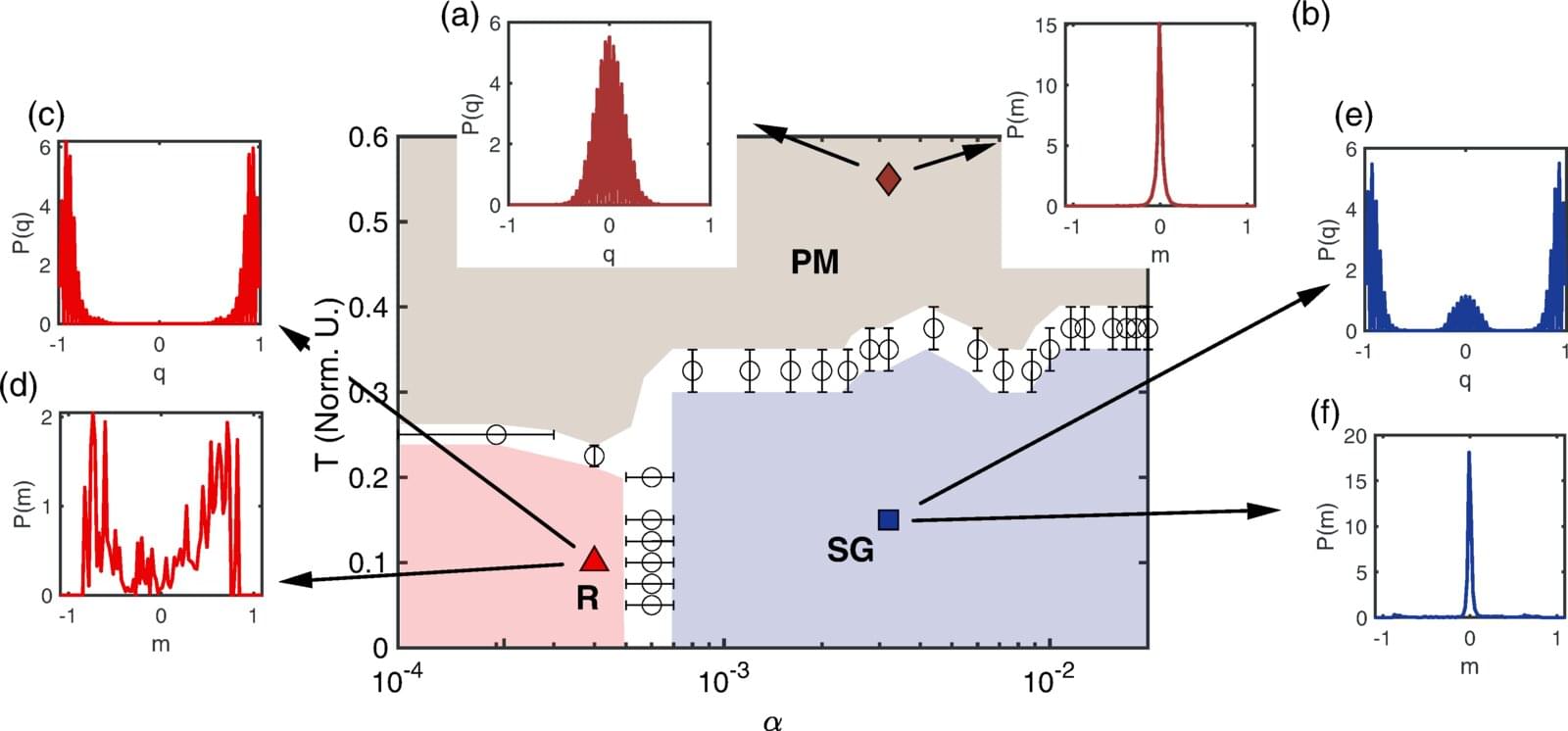
Italian researchers show that identical photons propagating within optical circuits spontaneously behave like a Hopfield Network, one of the best-known mathematical models used to describe the associative memory mechanisms of the human brain.

“Instead of using traditional electronic chips, we exploited quantum interference —the phenomenon that occurs in photonic chips when particles of light overlap and interact with one another to encode and retrieve information,” explains Marco Leonetti, coordinator and corresponding author of the study, senior researcher at Cnr-Nanotec and affiliated with the Center for Life Nano-and Neuro-Science at the Italian Institute of Technology (IIT) in Rome. “In this system, photons are not merely carriers of data, but themselves become the ‘neurons’ of an associative memory.”

AI develops easily understandable solutions for unusual experiments in quantum physics

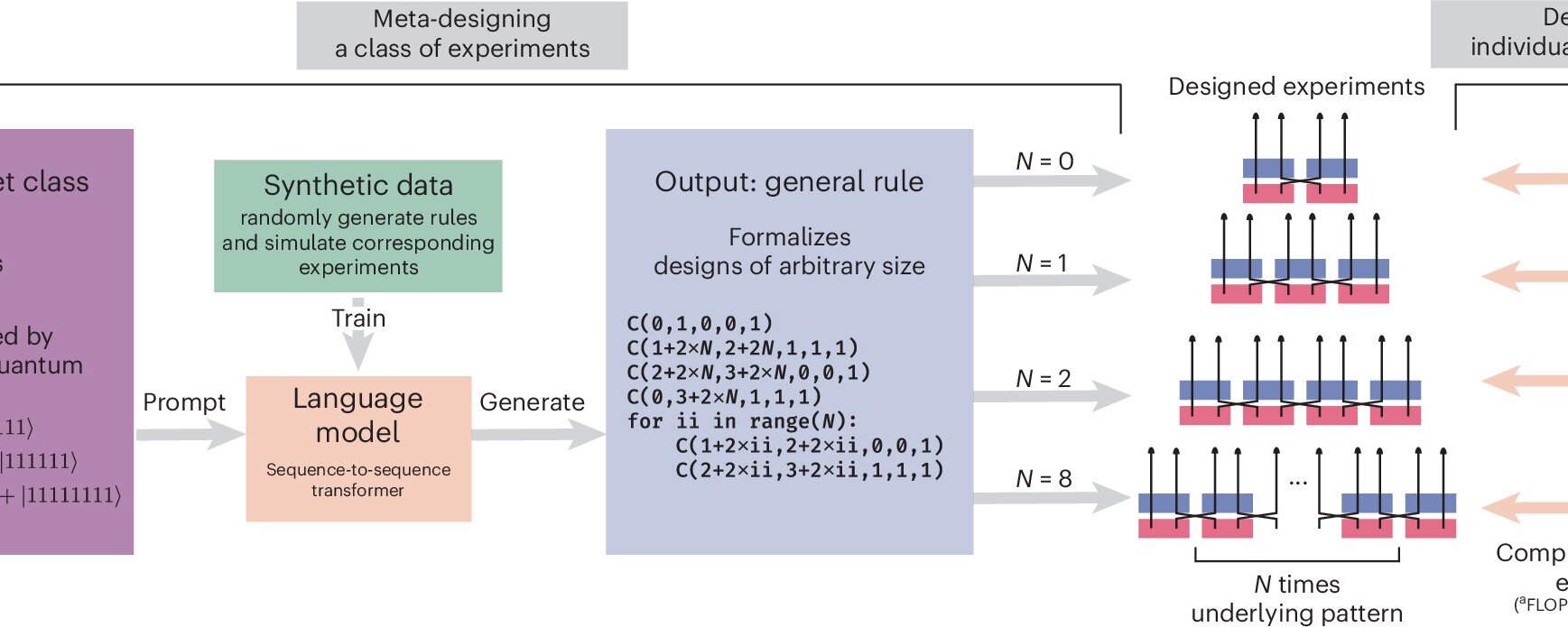
Researchers at the University of Tuebingen, working with an international team, have developed an artificial intelligence that designs entirely new, sometimes unusual, experiments in quantum physics and presents them in a way that is easily understandable for researchers. This includes experimental setups that humans might never have considered. The new AI doesn’t just create a single design proposal; instead, it writes computer code that generates a whole series of physical experiments, that is, groups of experiments with similar outputs. The study has been published in the journal Nature Machine Intelligence.

The newly developed AI uses a programming language that researchers can easily understand. This allows them to figure out the underlying idea behind the AI’s processes much more easily than before. “AI systems usually deliver their solutions without explaining how they work,” says Mario Krenn, Professor of Machine Learning in Science at the University of Tuebingen and senior author of the study. “We scientists have to try to understand the solutions afterward. This often took us days or weeks—if we understood them at all.”

Electrical control of magnetism in 2D materials promises to advance spintronics

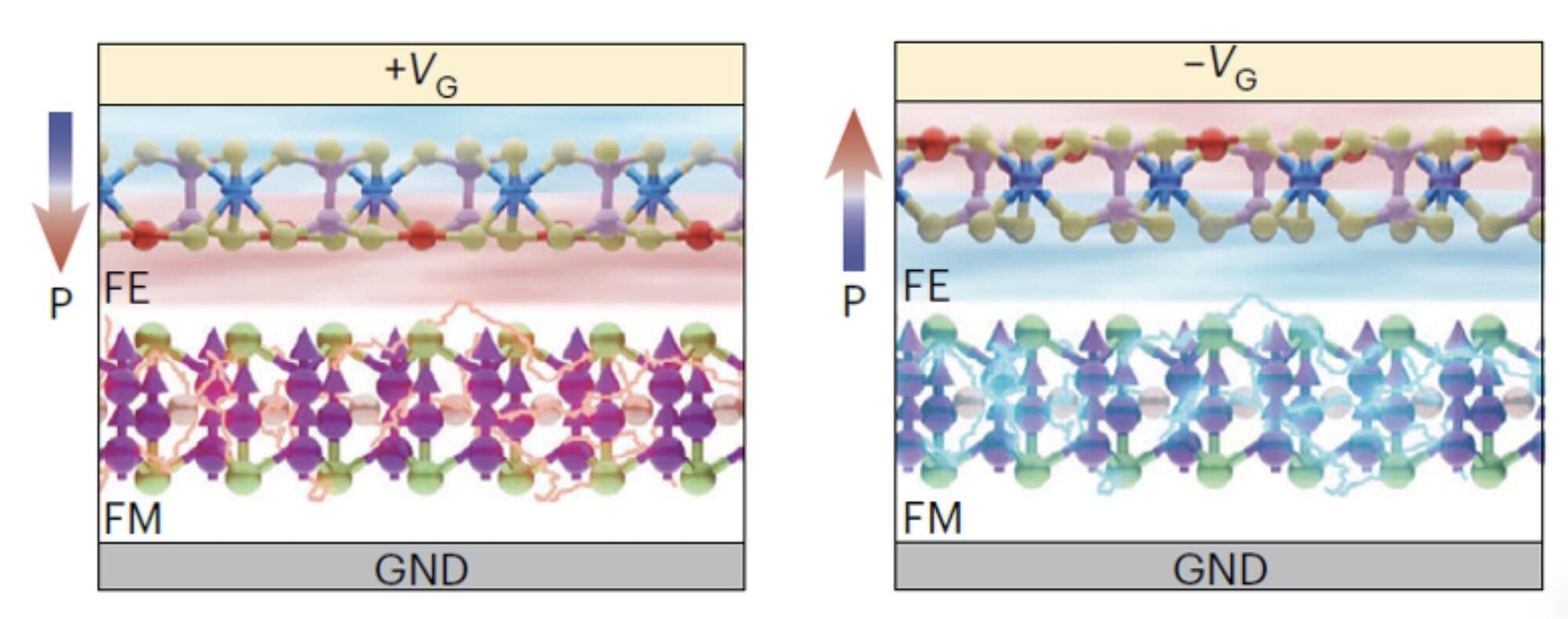
Conventional electronics process information leveraging the electrical charge of electrons. Over the past few decades, some electronics engineers have been exploring the potential of a different type of device that instead processes and stores data exploiting the intrinsic magnetic moment (i.e., spin) of electrons.

These devices, known as spintronics, could consume less energy, process data faster and be easier to reduce in size than current electronics. A central objective for engineers who are developing spintronics is to identify promising strategies to control magnetism in devices without wasting power.

One promising approach to control magnetism entails the use of multiferroics, materials that exhibit both ferroelectricity, meaning that positive and negative charges in them are permanently separated, and ferromagnetism, which means that magnetic moments in them are aligned. When one of these properties can be used to control the other, this is known as magnetoelectric coupling.

Clearing the path for turbulence-free quantum communication

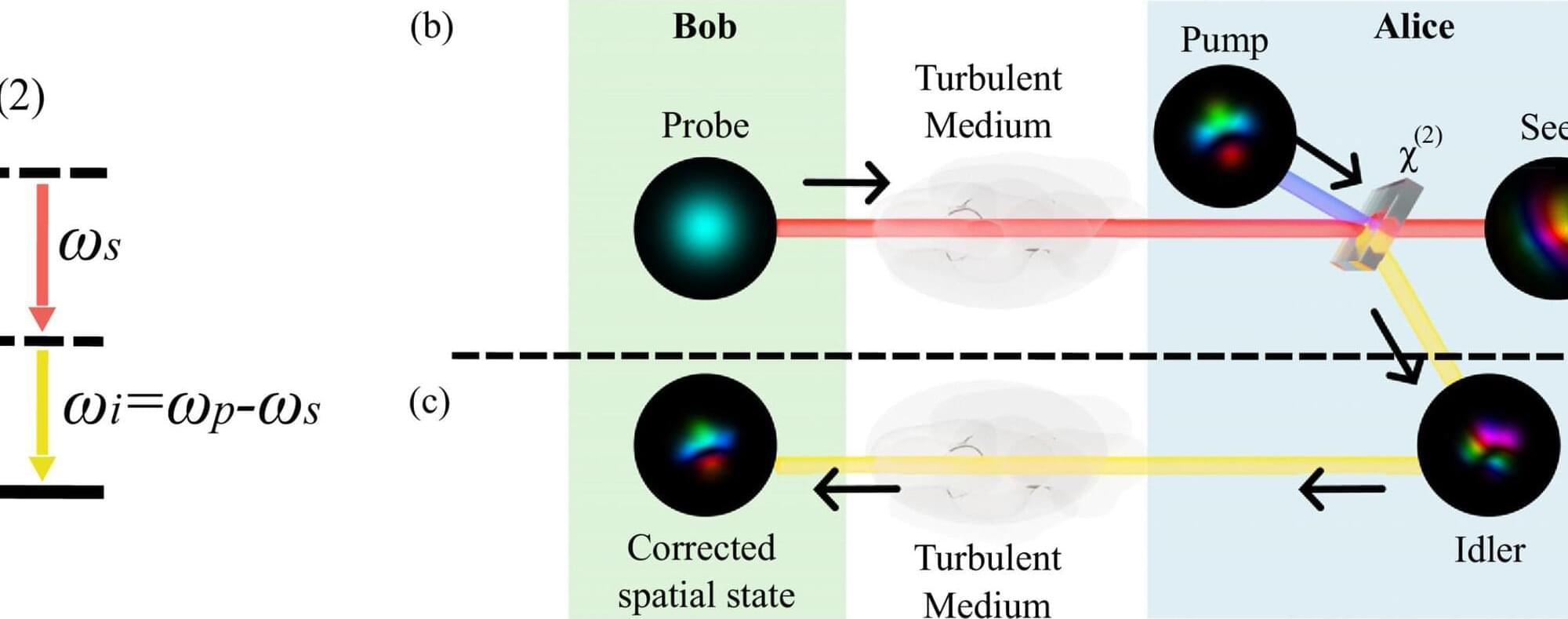
A University of Ottawa team has developed a new way to protect free-space quantum key distribution (QKD) from atmospheric turbulence, one of the main causes of distortion and errors when sending quantum information through air. Their paper, “All-optical turbulence mitigation for free-space quantum key distribution using stimulated parametric down-conversion,” appears in the journal Optica.

Instead of relying on complex, expensive digital adaptive optics, the researchers use a nonlinear optical process called “stimulated parametric down-conversion (StimPDC).” The technique leverages StimPDC’s phase-conjugation property to correct spatial-mode distortions dynamically without requiring prior knowledge of the turbulent channel.

“We found the idea of using a fundamental optical process to correct the effects of turbulence in real time to be both innovative and largely unexplored,” said Aarón Cardoso, lead author and Quantum Optics Student Researcher at uOttawa. “Our results show we can reduce quantum error rates below the security threshold even under strong turbulence.”

/* */