A mineral physics interpretation of NASA seismic data hints that Mars has a chemically evolved crust.

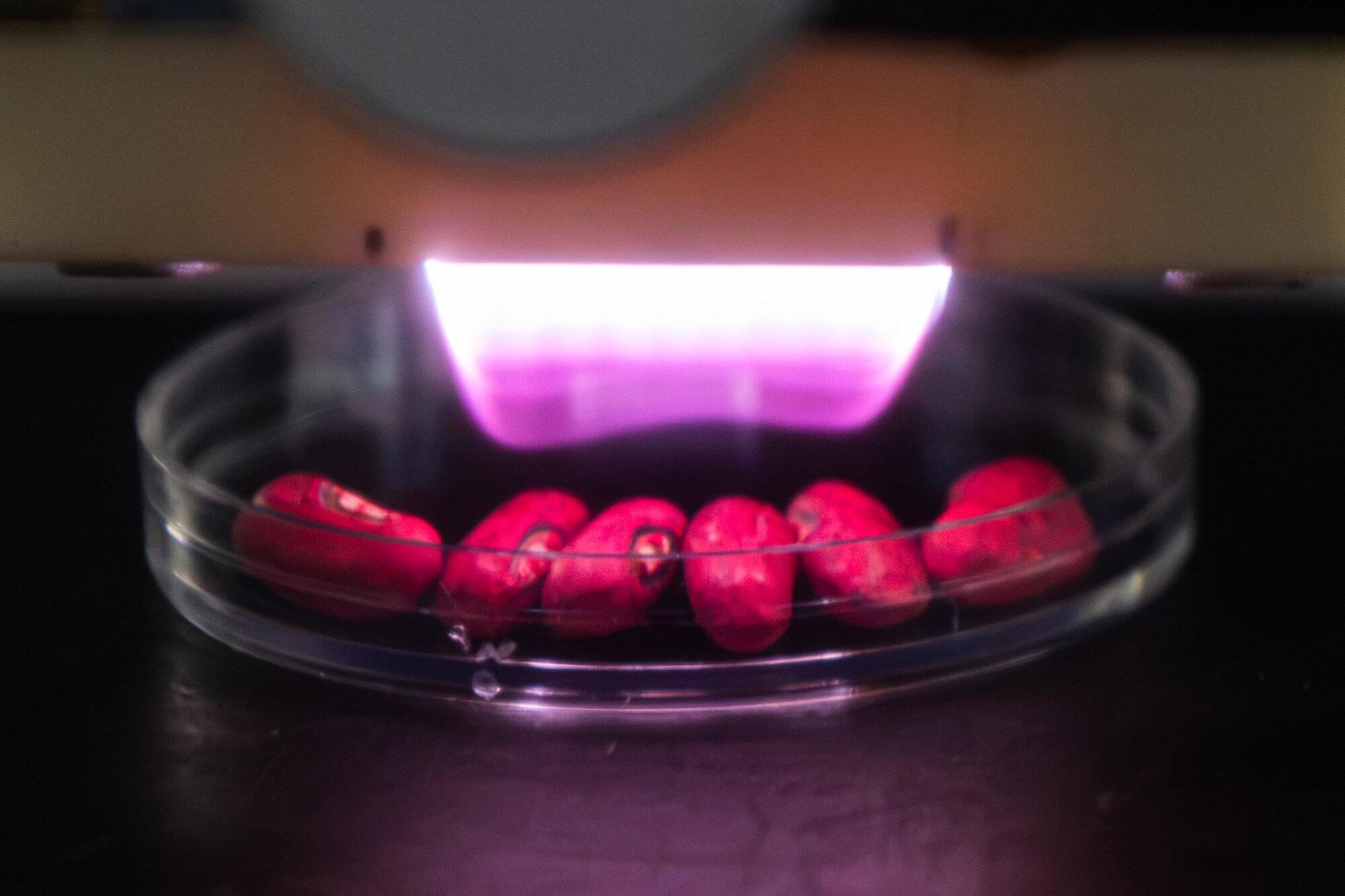
Occasionally, the sun unleashes powerful flares and coronal mass ejections, which hurl plasma and energetic particles into space. On the infant Earth, this solar activity drove cascades of atmospheric chemical reactions that may have helped form the building blocks of life. More recently, scientists have discovered that applying plasma to seeds in a controlled way can trigger similar activity, making them faster-growing and more resilient. Researchers at Nagoya University and Kyushu University in Japan have compiled a comprehensive review of this new field—termed “plasma agriculture”—as a potential sustainable solution to address global food shortages.
The word plasma brings to mind a hot, ionized inferno that makes up the fourth state of matter. But the plasma used here is different. By applying high voltage to air or any gas, electrons are stripped from a tiny fraction of its molecules and gain very high energies. These electrons zipping around can effectively mimic the behavior of plasma even though the bulk of the gas remains at room temperature.
This low-temperature plasma can be applied directly to seeds without burning them. Excessive use of chemicals and genetic modification of plants cause concern for many people. Instead, plasma agriculture can offer similarly high crop yields without invasive intervention.
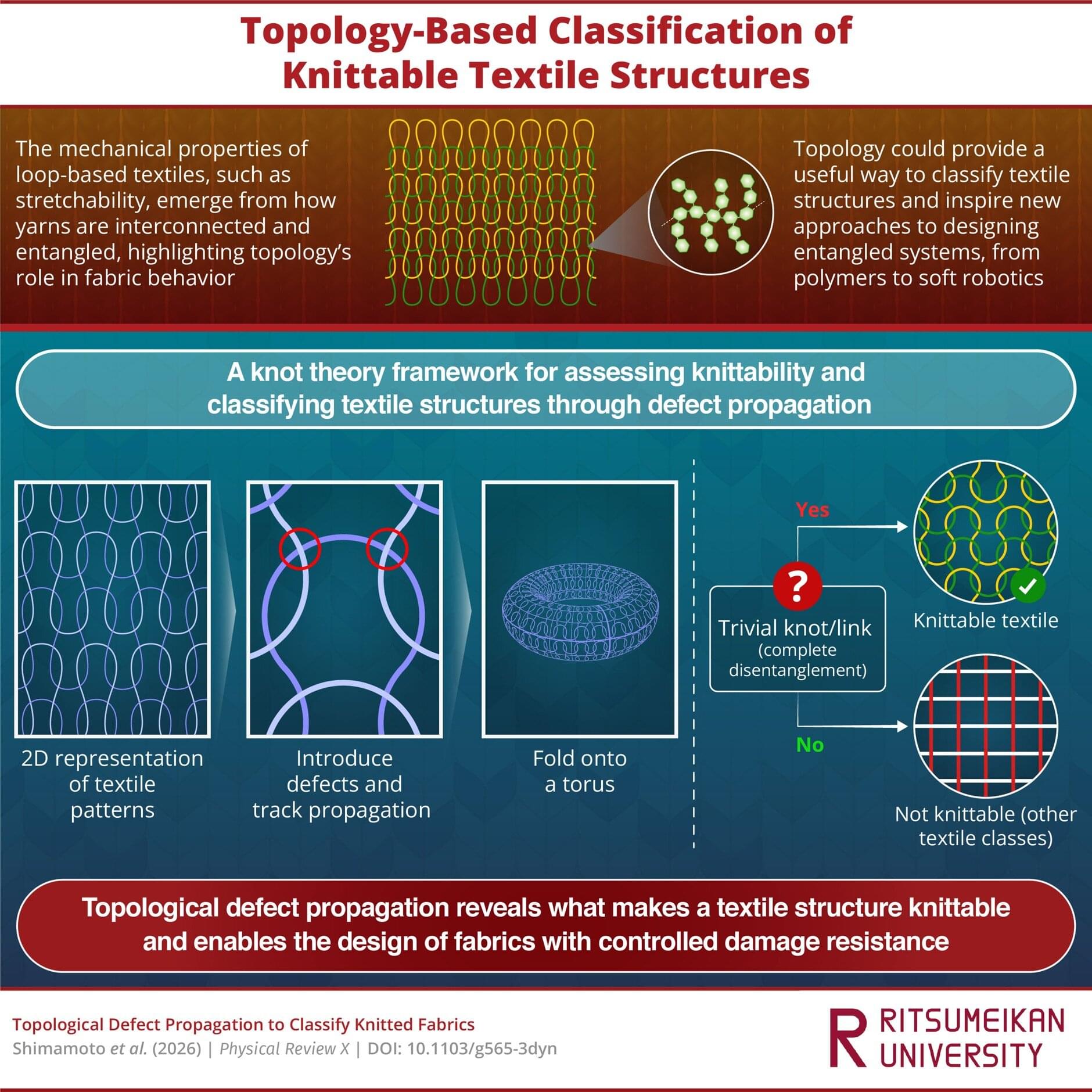
Fabrics are made by repeatedly intertwining yarns into characteristic patterns. Many of their properties, such as stretchiness, arise not only from the material itself but also from how the yarns are arranged and entangled. Such properties illustrate how topology—the underlying patterns of connectivity and entanglement within a structure—can shape a material’s overall behavior. Understanding these relationships could help researchers design materials with tailored properties through the design of their topology.
A research team led by Dr. Daisuke S. Shimamoto, a senior researcher at the Research Organization of Science and Technology, Ritsumeikan University, Japan, along with Dr. Keiko Shimamoto, an independent researcher from Tokyo, Japan, Dr. Sonia Mahmoudi from Tohoku University, and Dr. Samuel Poincloux from Aoyama Gakuin University, has developed a mathematical framework based on knot theory for characterizing knittability and classifying periodic textile structures based on how defects spread through them. Their findings were published in Physical Review X on July 14, 2026.
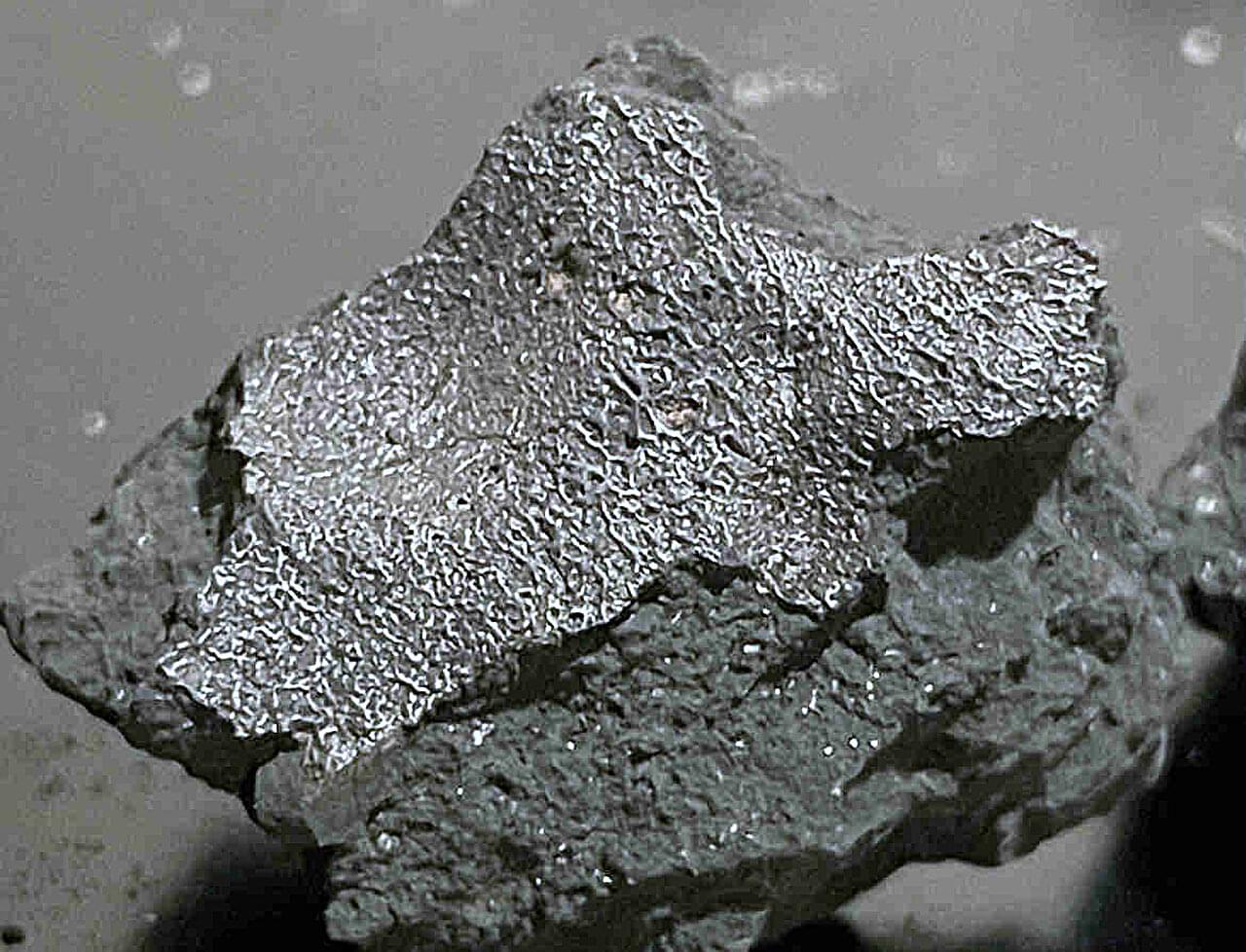
On July 16, 2024, a daytime meteor shook New York City with a sonic boom as it passed just south of the Statue of Liberty. Now, an international team of researchers reports in the journal Science Advances that a short time later, a meteorite weighing more than 2 pounds crashed through the roof of a house in the town of Hillsborough, New Jersey.
“A forensic study of the fragments revealed that they contained preserved bits from near the surface of a primitive asteroid, where it experienced concentrated salty fluids—a process not previously known from this type of protoplanet world,” said lead author and meteor astronomer Peter Jenniskens of the SETI Institute and NASA’s Ames Research Center in California’s Silicon Valley.
On that day, a rock the size of a heavy airline bag entered Earth’s atmosphere at a speed of 32,000 miles/h (14.4 kilometers per second). Sixty observers from New York, New Jersey, Connecticut, Rhode Island and Pennsylvania reported seeing the meteor to the American Meteor Society, while 16 in New York and New Jersey felt the shock wave.
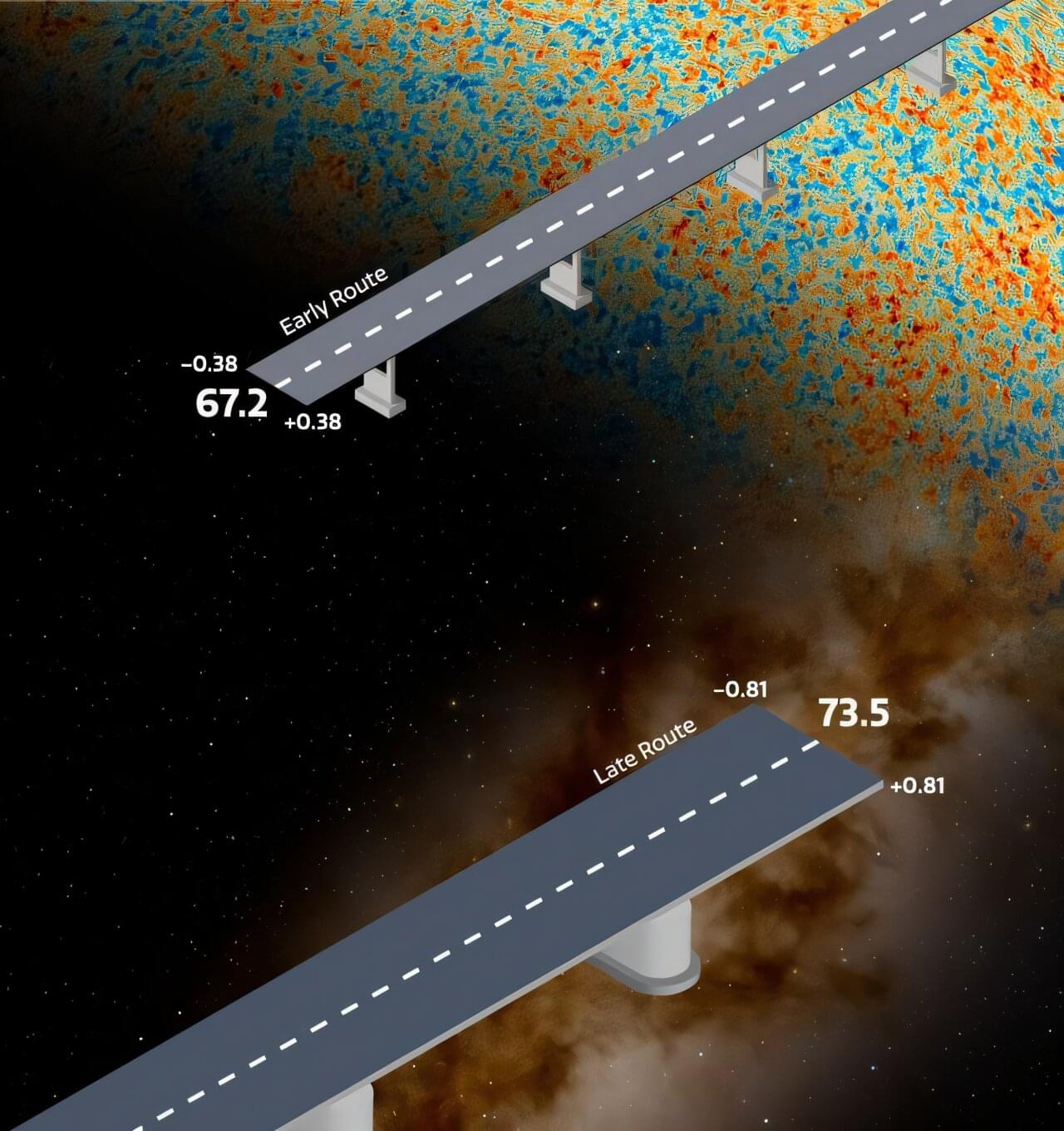
Astronomers have used the ages of more than 155,000 stars in the Milky Way to independently estimate the age of the universe, and their findings may be good news for the standard cosmological model. The new research was reported in a paper submitted to the arXiv preprint server on July 1.
The age of the universe is tied to a discrepancy known as the Hubble tension. There are two main ways to measure how fast the universe is expanding, known as the Hubble constant. The first uses the cosmic microwave background (CMB), the “afterglow” of the Big Bang, and gives a certain value. The other uses local measurements in our cosmic neighborhood, including Cepheid stars and supernovae, and gives a noticeably higher value.
The two figures disagree by about 9%—a mismatch known as the Hubble tension.
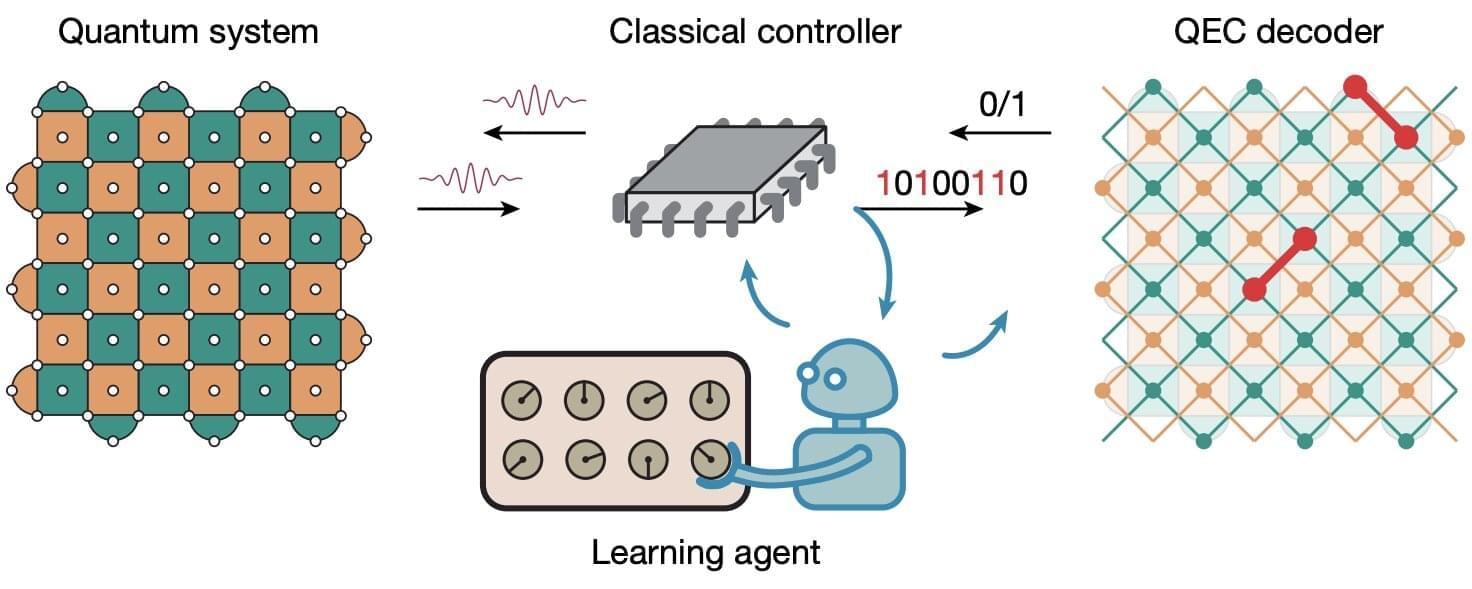
Quantum computers promise to solve problems that would take even the fastest conventional supercomputers a vast amount of time, but the quantum information they store and process is extremely sensitive to even tiny disturbances from their surroundings. To keep these systems operating reliably, they need to be constantly recalibrated—interrupting their calculations in the process.
In a new experiment published in Nature, researchers led by Volodymyr Sivak at Google Quantum AI developed a machine-learning approach that continuously adjusts a quantum computer as it works. Their approach could allow quantum calculations to run far longer without costly interruptions.
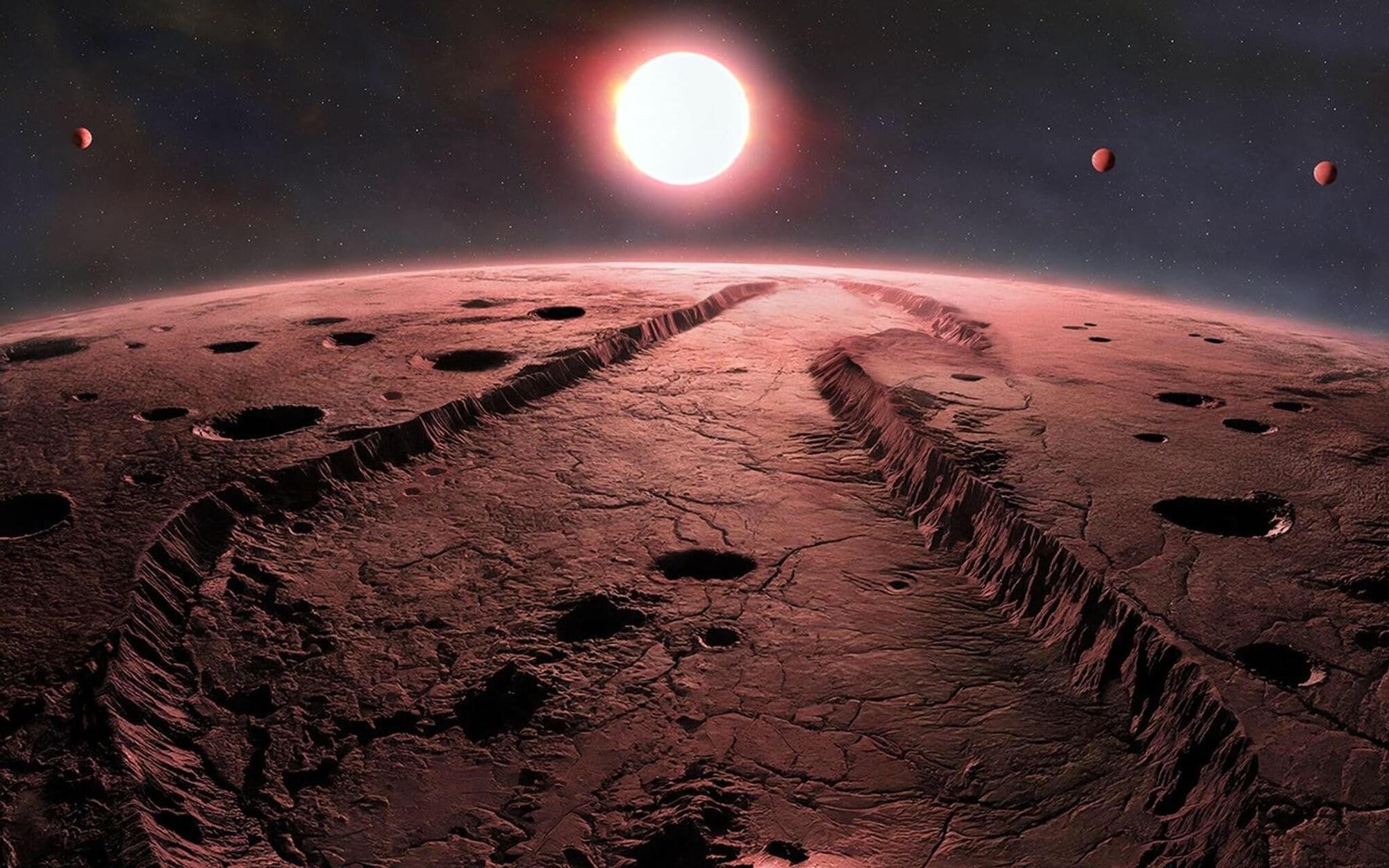
Scientists have painted the most detailed portrait yet of the planetary system orbiting Barnard’s Star—the sun’s closest neighbor after Alpha Centauri, just under six light-years from Earth.
Discovered in 2025, the four planets orbiting Barnard’s Star are all smaller than Earth and Venus but larger than Mars—a type of planet not found anywhere in our own solar system.
By analyzing the chemical makeup of the star, the researchers from the University of Cambridge found that its planets are rich in a rare mineral called periclase, which on Earth is found only hundreds of kilometers (hundreds of miles) below the surface.

Often called the silent thief of sight, glaucoma is a group of eye diseases that gradually damage the optic nerve, often without warning signs. It is linked to increased pressure (ocular hypertension) inside the eye and, if left untreated, can lead to permanent vision loss. Even with ongoing treatment, some people still face the risk of progressive vision loss.
This led scientists to look for newer therapeutics that can help manage the disease’s progression, such as nicotinamide, a form of vitamin B3.
In a recent study, researchers conducted a large-scale data analysis to investigate whether nicotinamide could help prevent or delay the onset of primary open-angle glaucoma (POAG) in high-risk patients.
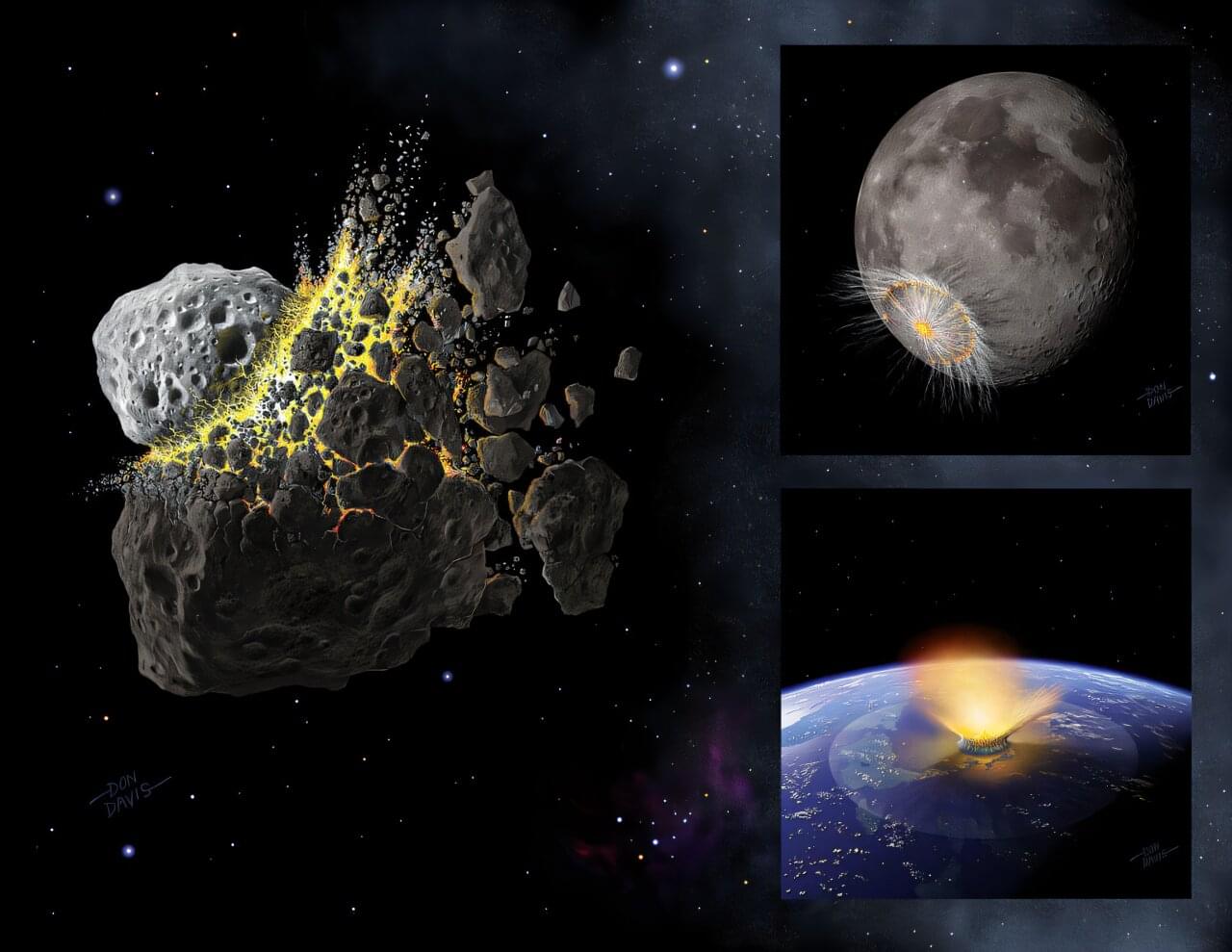
A Southwest Research Institute-led study has proposed a connection between a specific collision in the main asteroid belt and an inner-solar-system-wide bombardment episode that may have had measurable biological and geological consequences on Earth. The research suggests that the catastrophic breakup of the Eulalia parent body could be linked to an impact shower that struck the terrestrial planets about 800 million years ago. The work is published on the arXiv preprint server.
“The role impacts have played in shaping the origin and evolution of life in our solar system is poorly understood,” said Dr. William Bottke, an executive director in SwRI’s Solar System Science and Exploration Division in Boulder, Colorado. He also directs the Center for Lunar Origin and Evolution (CLOE), SwRI’s team in NASA’s Solar System Exploration Research Virtual Institute, and is lead author of a paper describing this research. “The heavily cratered surface of the moon serves as a reminder of the large impacts in Earth’s past, but so far, only the Chicxulub impact event 66 million years ago has been strongly linked to a specific effect on life, namely the mass extinction of the dinosaurs.”
Finding geological evidence of impacts older than 650 million years ago on Earth is challenging because of the constant renewal of our home planet’s surface. Earth’s landscape constantly changes as constructive forces such as volcanoes and plate tectonics build it up, while destructive forces such as weathering wear it down. One way researchers have searched for clues about Earth’s past is to study asteroid shower events.
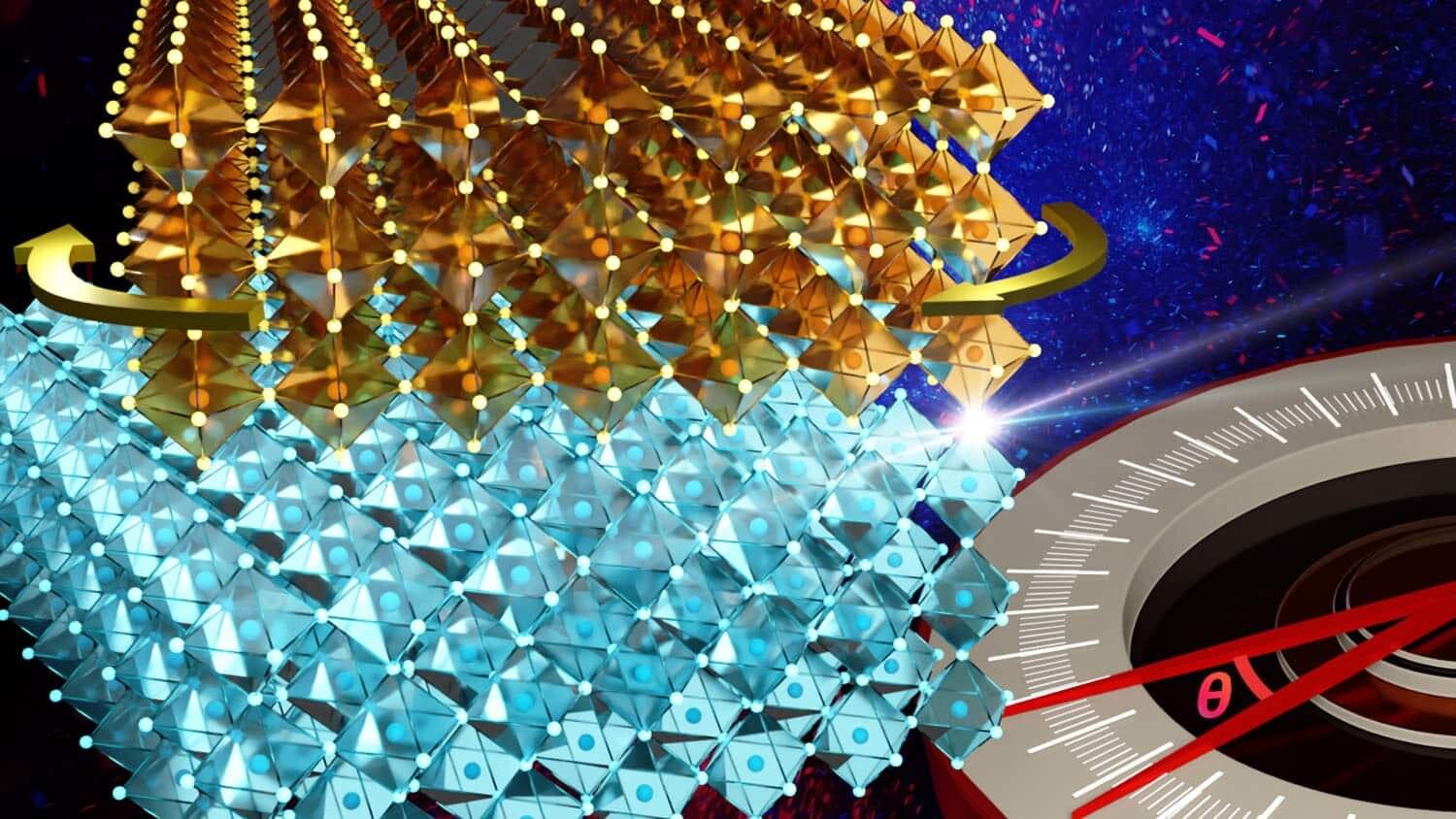
Researchers have shown it is possible to expand the field of twistronics—literally. They have demonstrated a technique that allows them to fabricate oxide twistronic materials at much larger scales while also controlling the twist angles between materials that dictate their structural and electronic properties.
The field of twistronics examines how the angle between layers of two-dimensional (2D) materials affects their electronic properties. The paper, “Deterministic Fabrication of Large-Area, High-Crystallinity Oxide Moiré Superlattices,” is published in the journal ACS Nano.