A new mRNA-based vaccine triggers a response from the innate immune system to help arm the body against cancer, a mouse study finds. It’s now in early human trials.
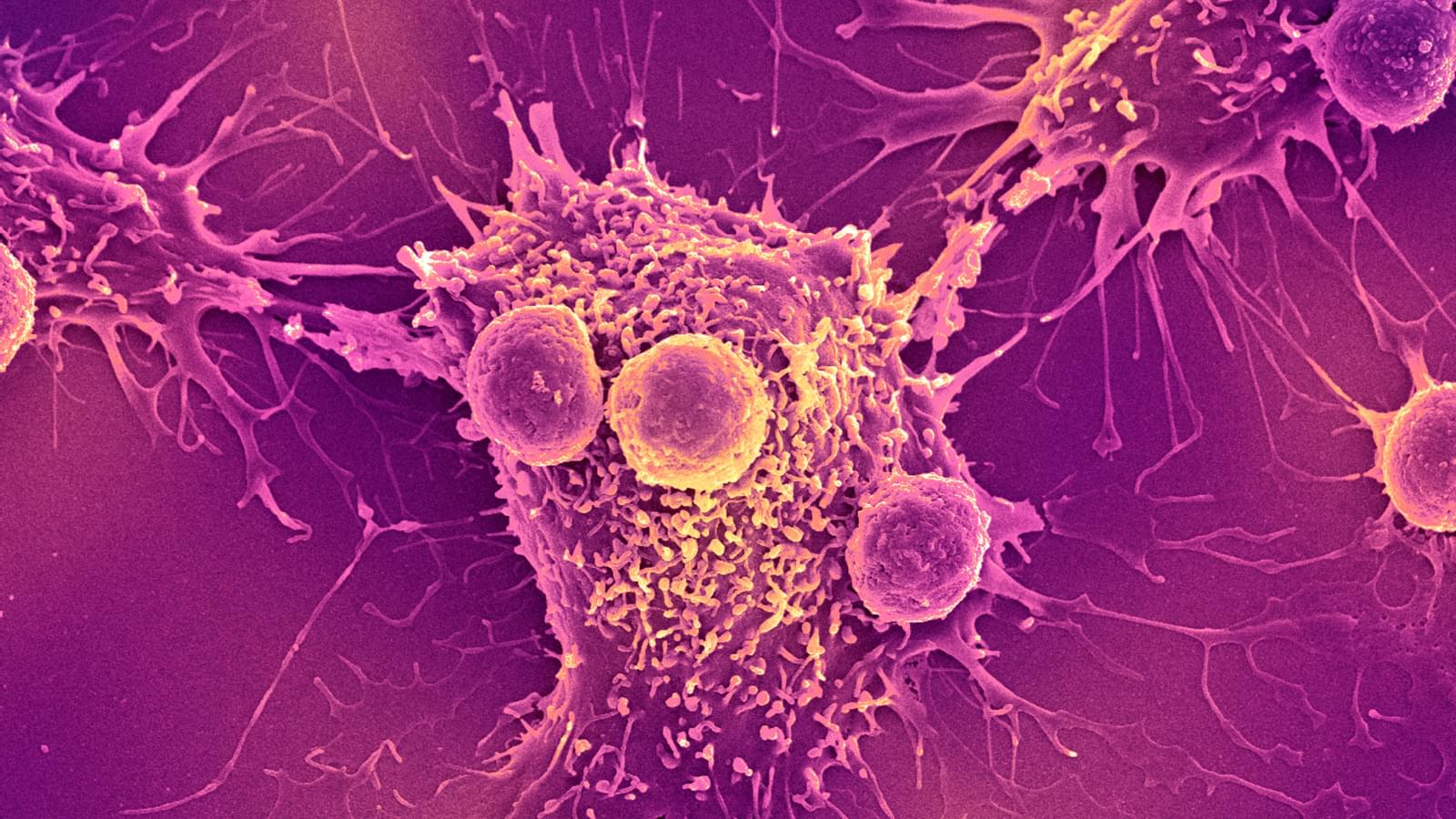
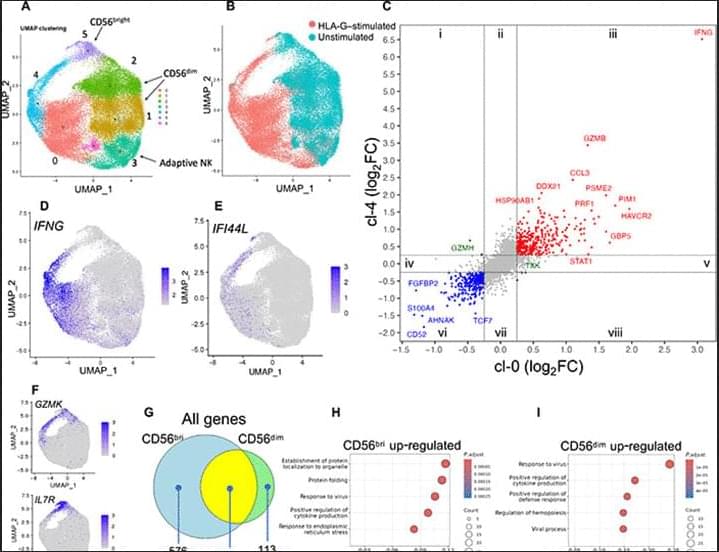
Scientists have discovered how cells from the fetus could activate maternal natural killer cells during early pregnancy, helping to demystify the poorly understood mechanisms that govern immune cells at the maternal-fetal interface.
Learn more in Science Signaling.
A fetal cell antigen interacts with a natural killer cell receptor to induce antiviral gene expression.
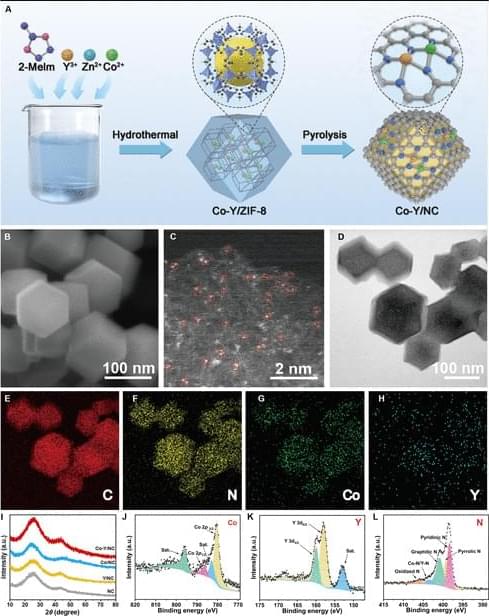
JUST PUBLISHED: JUST PUBLISHED: d–d/p Orbital Hybridization in Symmetry-Broken Co–Y Diatomic Sites Enables Efficient Na–S Battery.
Read the latest free, Open Access article from Energy Material Advances.
Despite advances of single-atom catalysts (SACs) in sodium–sulfur (Na–S) batteries, their symmetric coordination geometry (e.g., M–N4) fundamentally restricts orbital-level modulation of sulfur redox kinetics. Herein, we demonstrate that hetero-diatomic Co–Y sites with Co–N4–Y–N4 coordination on N-doped carbon (Co–Y/NC) break the M–N4 symmetry constraint through d–d orbital hybridization, which is confirmed by an implementation of advanced characterizations, including the high-angle annular dark-field scanning transmission electron microscopy and x-ray absorption fine structure spectroscopy. In practical operation, the Co–Y/NC@S cathode with 61% sulfur mass fraction delivers a superior capacity (1,109 mAh/g) at 0.2 A/g, outperforming that of Co or Y SAC and further setting a new benchmark of diatomic catalysts for Na–S battery systems.

“Despite greater white matter degeneration and reduced cortical thickness, APOE ε4 carriers exhibited preserved deep brain volumes and better self-reported well-being. This study highlights the complex interplay between genetic factors and neurodegenerative processes. Our future research aims to provide more natural history data of EPM1 and correlate long-term phenotypic data with additional geno-phenotypic analyses.”
Read this original article from Epileptic Disorders at doi.org/10.1002/epd2.70112.
Objective Progressive myoclonic epilepsy type 1 (EPM1) is a neurodegenerative disease caused by biallelic variants in the cystatin B (CSTB) gene. Despite a progressive course, phenotype severity varies among patients, even within families. We studied the potential role of APOE ε4 in modifying phenotypic diversity in EPM1, given its established association with neurodegeneration, particularly in Alzheimer’s disease.

A longitudinal study of adolescents from the Chicago metropolitan area found that in female, but not in male adolescents, higher exposure to violence was associated with more severe depression symptoms. In males, depression was associated with the expansion of the salience network of the brain and with increased connectivity of this network. The paper was published in Translational Psychiatry.
Violence exposure in this study was defined as experiencing, witnessing, or being repeatedly confronted with acts of interpersonal physical violence, such as being shoved, kicked, punched, or attacked with a weapon. It is a major risk factor for mental health problems, increasing the likelihood of all types of psychopathology.
Childhood adversities such as physical abuse and family violence account for a substantial proportion of psychiatric disorders that emerge during adolescence. This period is especially sensitive because key social and emotional brain systems are still developing. Exposure to violence during adolescence is associated with maladaptive emotion regulation strategies, such as rumination and emotional suppression, which contribute to rising rates of depression.
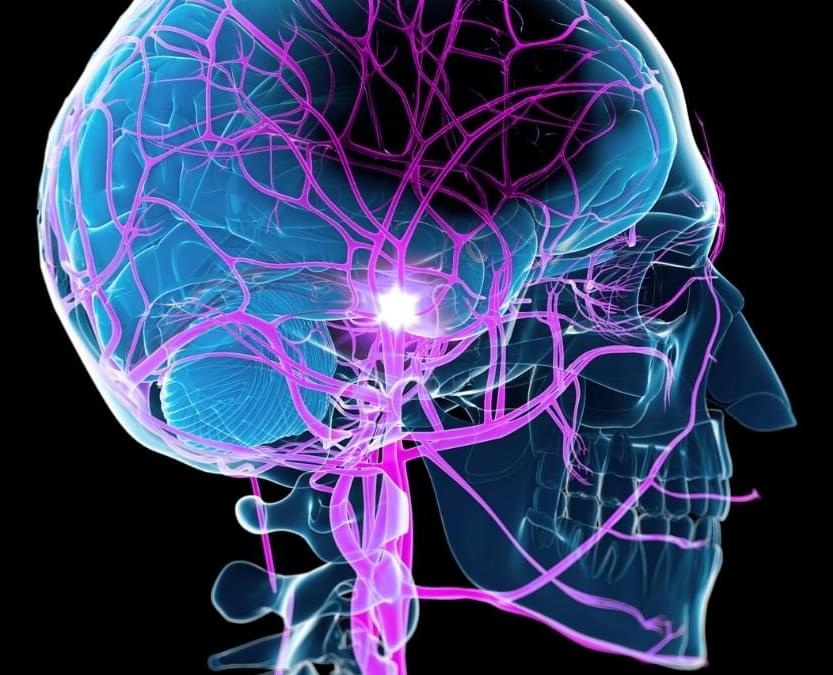
For many stroke survivors, recovery may not mean restoring what was lost but strengthening what remains.
Stroke survivors often face substantial and long-lasting problems with their arms. Both arms often decline together: When one arm is more severely affected by the stroke, the other becomes more difficult to use as well.
Compared with a healthy person’s dominant hand, a stroke survivor may take up to three times longer to complete everyday tasks using their less-impaired arm.
This creates a frustrating reality. People with severe impairment in one arm must rely almost entirely on their other arm for daily activities, such as eating, dressing, and household tasks.

A team led by UCL researchers with Great Ormond Street Hospital (GOSH) and Moorfields Eye Hospital, found B cells—alongside T cells—play a key role in arthritis-related eye disease (JIA uveitis), a condition that can cause long-term vision loss in children. The study challenges how the disease has been previously understood, and could open the door to new treatments that help protect children’s sight.
Juvenile idiopathic arthritis (JIA) is the most common form of arthritis in children under the age of 16, affecting around one in every 1,000 children in the UK. Approximately 30% of patients with JIA also develop uveitis—an inflammatory condition of the eye that is potentially sight-threatening.
Although some treatments are available today for the condition, up to a third of affected children still experience some degree of permanent vision loss by the time they reach adulthood.
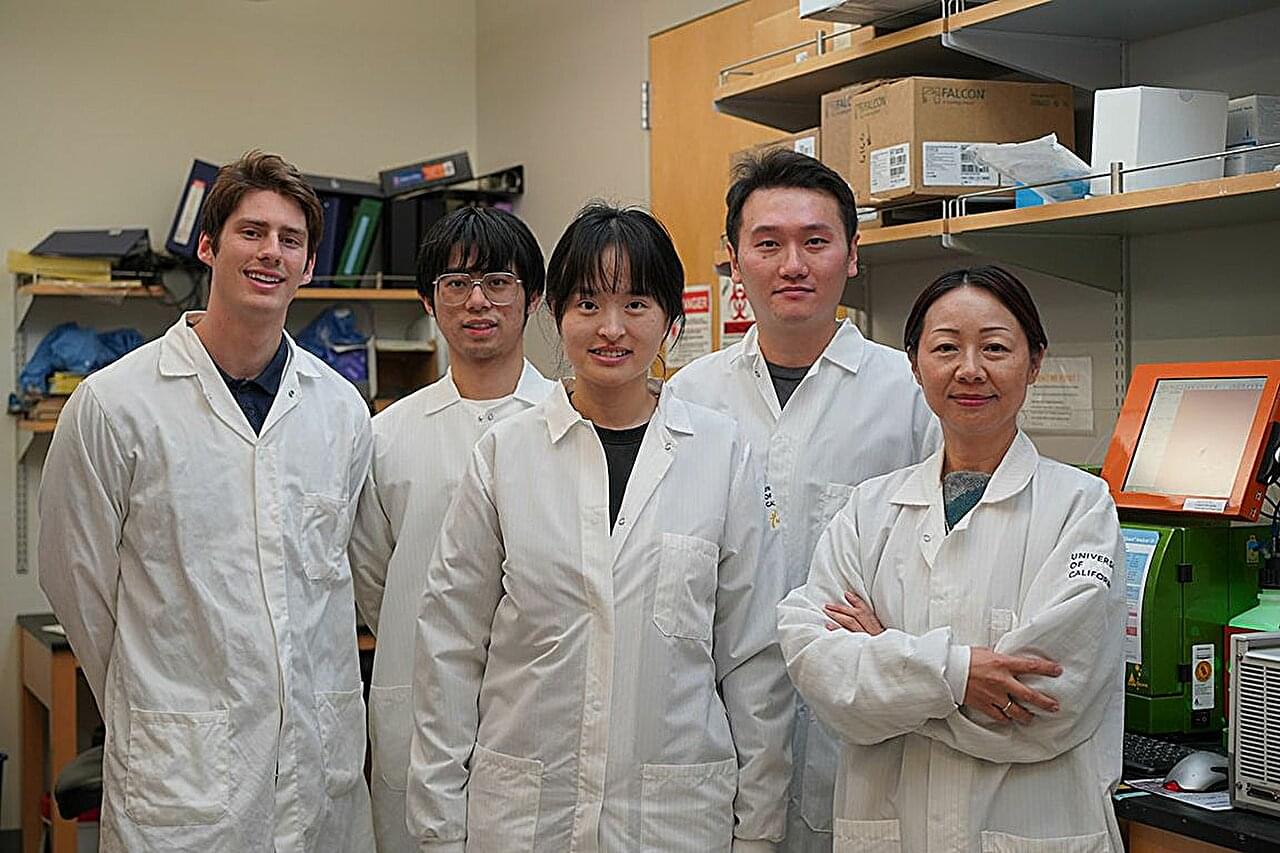
A UCLA research team has identified the best design for a promising new type of immunotherapy that could be mass-produced to treat multiple solid tumors. The study focused on engineered invariant natural killer T cells, or NKT cells—powerful immune cells with a unique ability to infiltrate solid tumors—and systematically compared four targeting systems, called chimeric antigen receptors, or CARs, that direct these cells to attack cancer.
The study was published in the journal Blood Immunology & Cellular Therapy.
CAR-T cell therapies have revolutionized treatment for certain blood cancers like leukemia and lymphoma, but these successes haven’t extended to solid tumors, which make up the vast majority of cancers. Solid tumors build dense protective barriers that block therapeutic cells from reaching the cancer and display varied targets that allow cancer cells to escape detection.


Scientists mapped every possible mutation in a key genetic hotspot, revealing how distinct mutations drive tumor growth differently, which could influence anticancer therapy success.
Read more.
Mapping diverse mutations within a cancer hotspot revealed that distinct variants drive tumor growth to different extents, which could guide anticancer therapies.